




Floating Valve
Product Overview
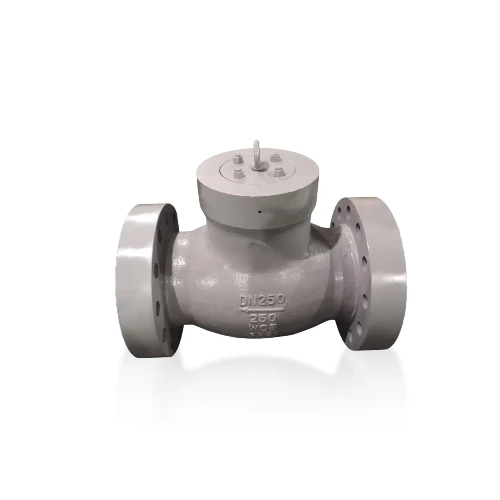
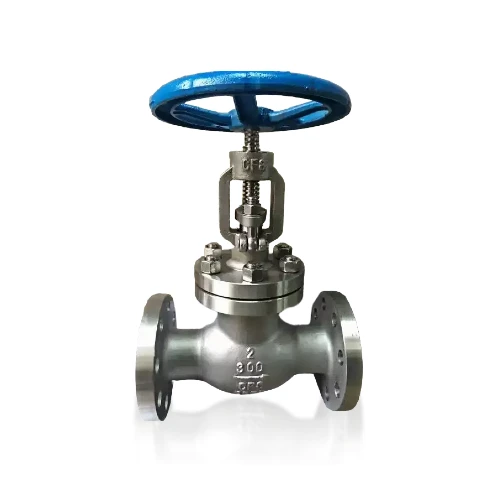
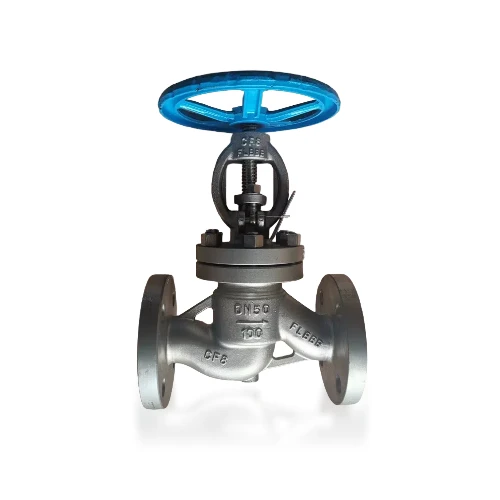
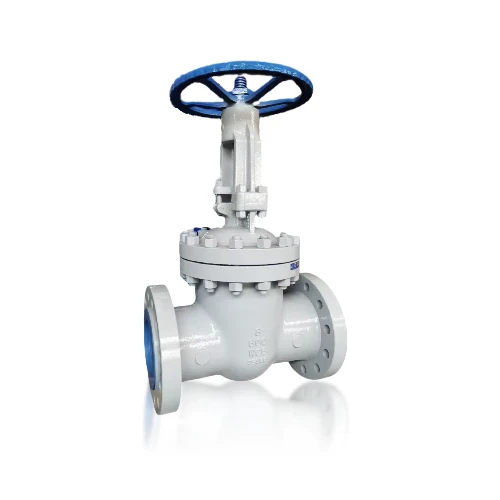
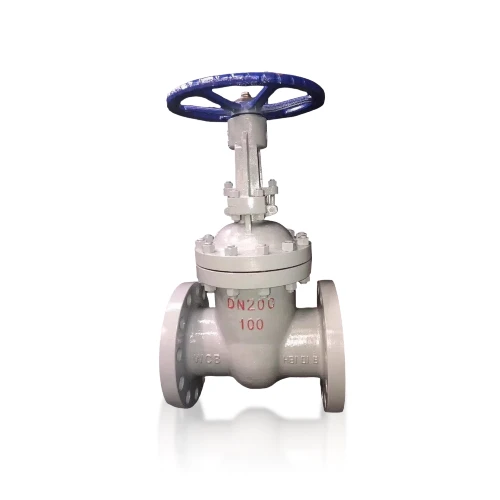
The floating valve is a crucial component in various fluid control systems, designed to regulate the flow of liquids and gases with precision and reliability. This innovative valve operates by utilizing buoyancy to effectively manage fluid levels in tanks, reservoirs, and pipelines. The floating valve is particularly essential in applications where maintaining a specific fluid level is critical, ensuring optimal operation and preventing overflow or underflow conditions.
Key Features
- Automatic Level Control: The floating valve automatically adjusts to changes in fluid levels, providing seamless operation without manual intervention.
- Durable Construction: Made from high-quality materials, our floating valve is designed to withstand harsh environmental conditions and corrosive fluids.
- Easy Installation: The floating valve features a straightforward design that allows for quick and hassle-free installation in various systems.
- Versatile Applications: Suitable for a wide range of industries, including agriculture, wastewater treatment, and industrial manufacturing.
- Low Maintenance: The robust design of the floating valve minimizes the need for frequent maintenance, saving time and costs in the long run.
Technical Specifications
| Specification | Details |
|---|---|
| Material | PVC, Stainless Steel, or Brass |
| Size Range | 1/2" to 6" |
| Operating Pressure | Up to 150 PSI |
| Temperature Range | -20°C to 80°C |
| Flow Capacity | Varies by size (consult specifications) |
| Connection Type | Threaded, Flanged, or Socket Weld |
Application Scenarios
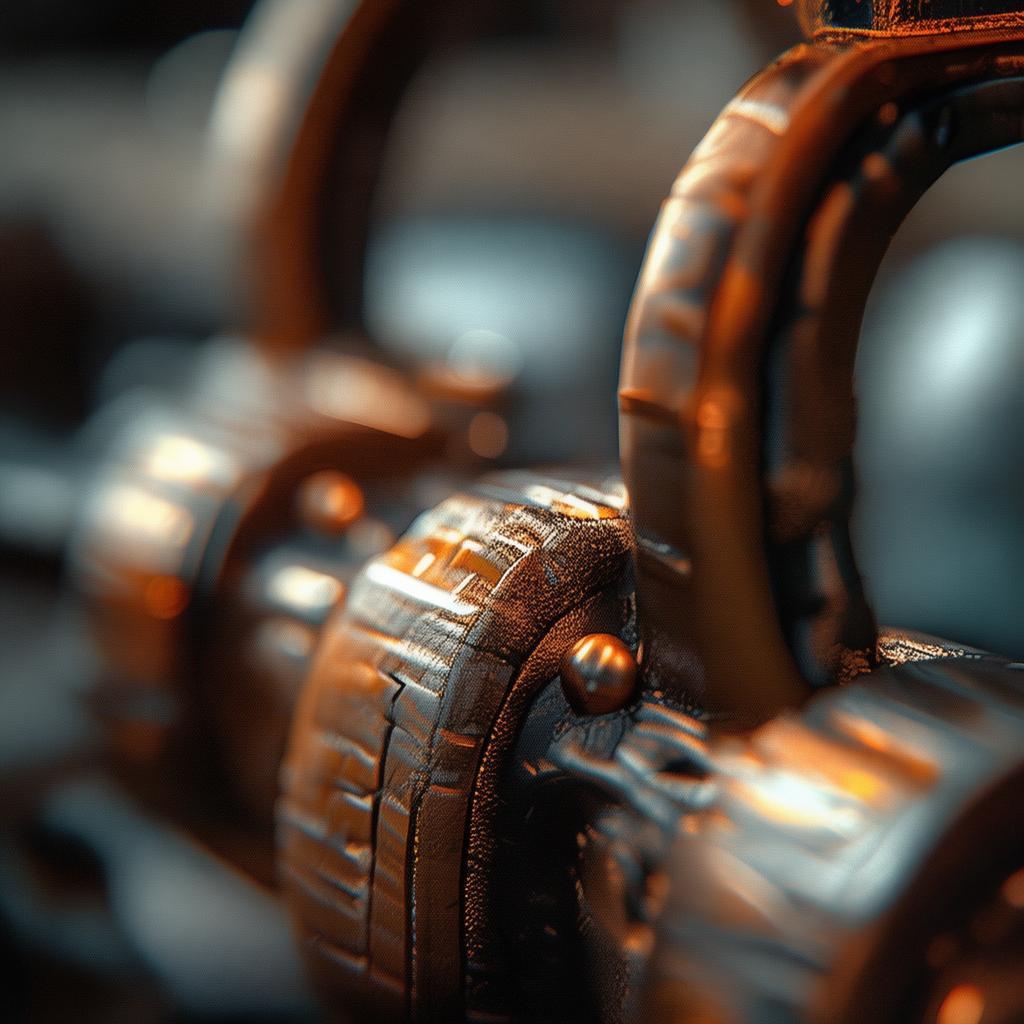
The floating valve is widely applicable across various sectors, including:
- Agriculture: Used in irrigation systems to control water levels in reservoirs and tanks, ensuring crops receive adequate hydration.
- Wastewater Treatment: Essential for regulating effluent levels in treatment facilities, promoting efficient waste management and environmental protection.
- Industrial Manufacturing: Employed in various processes to maintain fluid levels in production systems, enhancing productivity and safety.
- Fire Protection Systems: Utilized in water storage tanks to ensure an adequate supply of water for firefighting operations.
Advantages
Choosing our floating valve provides numerous benefits:
- Efficient Flow Management: Automatically adjusts to fluid levels, preventing overflow and ensuring system efficiency.
- Cost-Effective: Durable materials and low maintenance needs result in reduced operational costs over time.
- Enhanced Safety: Reliable operation minimizes the risk of spills and overflows, contributing to a safer work environment.
- Customizable Solutions: Available in various sizes and materials to meet specific application requirements.
Why Choose Us
When it comes to sourcing your floating valve, we stand out in the industry for several reasons:
- Quality Assurance: Our floating valves undergo rigorous quality control processes to ensure they meet international standards.
- Expertise: With years of experience in the industry, our team offers valuable insights and support for your specific needs.
- Global Reach: We supply our products internationally, providing solutions that adhere to diverse regulatory requirements.
- Customer-Centric Approach: We prioritize your satisfaction, offering tailored solutions and responsive customer service.
FAQ
What is a floating valve?
A floating valve is a type of valve that uses buoyancy to control the flow of liquids, maintaining specific fluid levels in tanks and reservoirs.
How does a floating valve work?
The floating valve operates by adjusting its position based on the fluid level. As the fluid rises or falls, the buoyant float moves, opening or closing the valve to regulate flow accordingly.
What materials are available for floating valves?
Floating valves are available in various materials, including PVC, stainless steel, and brass, allowing them to be used in different environments and applications.
Can floating valves be used in high-pressure applications?
Yes, our floating valves can operate under pressures of up to 150 PSI, making them suitable for various high-pressure applications.
How do I install a floating valve?
Installation is straightforward and can typically be done without special tools. Follow the specific instructions provided with the valve for optimal results.
Is maintenance required for floating valves?
While floating valves are designed for low maintenance, regular inspections are recommended to ensure proper functioning and to address any wear or damage that may occur over time.
 English
  Afrikaans
  Albanian
  Amharic
  Arabic
  Armenian
  Azerbaijani
  Basque
  Belarusian
  Bengali
  Bosnian
  Bulgarian
  Catalan
  Cebuano
  Corsican
  Croatian
  Czech
Czech  Danish
  Dutch
Dutch  Esperanto
  Estonian
  Finnish
  French
  Frisian
  Galician
  Georgian
  German
  Greek
Greek  Gujarati
  Haitian Creole
  Hausa
Hausa  Hebrew
  Hindi
Hindi  Miao
Miao  Hungarian
  Icelandic
  Igbo
Igbo  Indonesian
  Irish
Irish  Italian
  Japanese
  Javanese
  Kazakh
  Khmer
Khmer  Rwandese
  Korean
  Kurdish
  Kyrgyz
  Lao
Lao  Latin
Latin  Latvian
  Lithuanian
  Luxembourgish
  Macedonian
  Malgashi
  Malay
Malay  Malayalam
  Maltese
  Maori
Maori  Marathi
  Mongolian
  Myanmar
  Nepali
  Norwegian
  Norwegian
  Occitan
  Pashto
  Persian
  Polish
  Portuguese
  Romanian
  Russian
  Samoan
  Scottish Gaelic
  Serbian
  Sesotho
  Shona
Shona  Sindhi
  Sinhala
  Slovak
  Slovenian
  Somali
  Spanish
  Sundanese
  Swahili
  Swedish
  Tajik
Tajik  Tamil
Tamil  Tatar
Tatar  Telugu
  Thai
Thai  Turkish
  Turkmen
  Ukrainian
  Urdu
Urdu  Uighur
  Uzbek
Uzbek  Vietnamese
  Welsh
Welsh  Bantu
Bantu  Yiddish
  Yoruba
  Zulu
Zulu