




Iron Cast Gate Valved
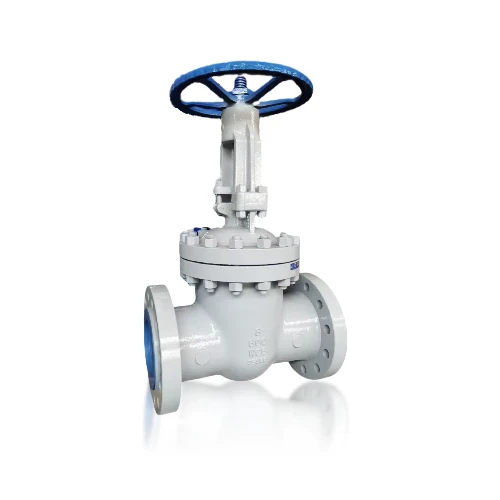
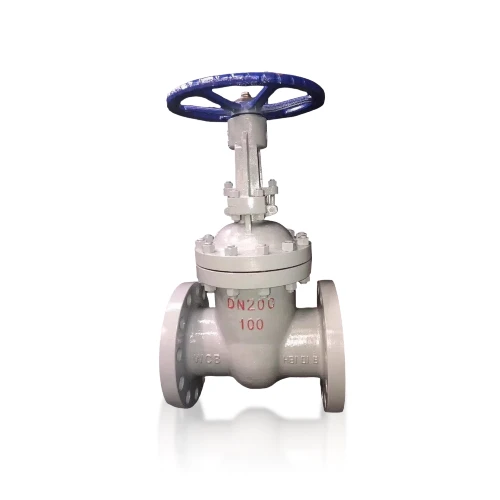
The iron cast gate valved is a robust and reliable solution designed for controlling the flow of liquids and gases in various industrial applications. Crafted from high-quality iron casting, these valves are engineered to provide exceptional durability and performance in demanding environments. Our iron cast gate valves are suitable for a range of industries, including oil and gas, water treatment, and chemical processing.
Key Features
- Durability: Made from high-grade iron, our gate valves withstand high pressures and temperatures.
- Precision Engineering: Each iron cast gate valved is crafted for precise flow control, ensuring optimal performance.
- Corrosion Resistance: The material properties provide excellent resistance to corrosion, extending the lifespan of the valve.
- Versatile Design: Suitable for a wide range of applications, making it a versatile choice for various industries.
- Easy Maintenance: Designed for easy disassembly and maintenance, reducing downtime and operational costs.
Technical Specifications
| Specification | Details |
|---|---|
| Material | Ductile Iron or Cast Iron |
| Size Range | 1" to 24" |
| Pressure Rating | Class 150 to Class 300 |
| Temperature Range | -20°C to 150°C |
| Connection Type | Flanged or Threaded |
| End Connection | ANSI, DIN, or JIS |
Application Scenarios
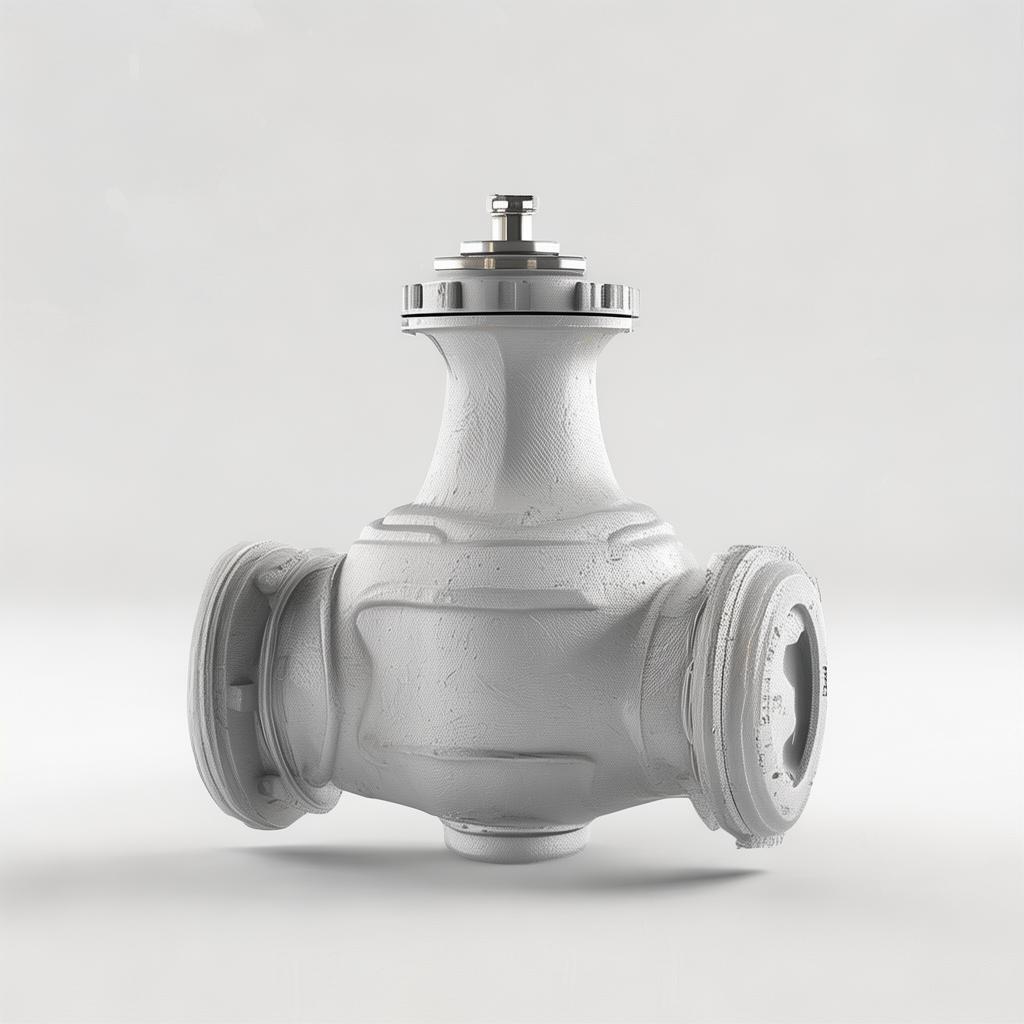
The iron cast gate valved is ideal for various application scenarios, including:
- Water Treatment: Used in water supply and sewage systems to manage flow.
- Pipelines: Commonly installed in oil and gas pipelines for effective flow regulation.
- Chemical Processing: Essential in chemical plants for controlling fluid movement.
- HVAC Systems: Incorporated in heating, ventilation, and air conditioning systems for flow management.
- Power Generation: Used in power plants to control steam and cooling water flow.
Advantages
Choosing our iron cast gate valved offers numerous advantages:
- High Strength: The iron casting provides superior strength, making it capable of handling high-pressure applications.
- Long Lifespan: Designed to last, our valves require minimal replacement, reducing overall costs.
- Sealing Performance: Excellent sealing capabilities prevent leaks, ensuring system efficiency.
- Customizable Options: Available in various sizes and configurations to meet specific project requirements.
- Expert Support: Our team of engineers is available to provide support and guidance for installation and maintenance.
Why Choose Us
When it comes to sourcing iron cast gate valved products, our company stands out for several reasons:
- Quality Assurance: We adhere to strict quality control standards, ensuring every valve meets industry specifications.
- Experienced Team: Our engineers and technical staff have extensive experience in valve manufacturing and application.
- Global Reach: We serve clients worldwide, understanding international standards and regulations.
- Comprehensive Solutions: We offer a complete range of valves and fittings, making us your one-stop shop for industrial needs.
- Customer-Centric Approach: Our commitment to customer satisfaction drives our continuous improvement and innovation.
FAQ
1. What is an iron cast gate valve?
An iron cast gate valve is a type of valve used to control the flow of liquids or gases. It features a gate mechanism that moves up and down to open or close the flow path.
2. How does an iron cast gate valve work?
The valve operates by lifting a gate out of the flow path when opened, allowing fluid to pass through. When closed, the gate seats against a mating surface, preventing flow.
3. What are the typical applications for iron cast gate valves?
These valves are commonly used in water treatment, oil and gas pipelines, chemical processing, HVAC systems, and power generation.
4. Are the iron cast gate valves customizable?
Yes, we offer various sizes, pressure ratings, and connection types to meet specific project requirements.
5. How do I maintain an iron cast gate valve?
Regular inspections and maintenance checks are recommended to ensure proper operation. Lubrication of moving parts and checking for leaks will enhance the valve's lifespan.
 English
  Afrikaans
  Albanian
  Amharic
  Arabic
  Armenian
  Azerbaijani
  Basque
  Belarusian
  Bengali
  Bosnian
  Bulgarian
  Catalan
  Cebuano
  Corsican
  Croatian
  Czech
Czech  Danish
  Dutch
Dutch  Esperanto
  Estonian
  Finnish
  French
  Frisian
  Galician
  Georgian
  German
  Greek
Greek  Gujarati
  Haitian Creole
  Hausa
Hausa  Hebrew
  Hindi
Hindi  Miao
Miao  Hungarian
  Icelandic
  Igbo
Igbo  Indonesian
  Irish
Irish  Italian
  Japanese
  Javanese
  Kazakh
  Khmer
Khmer  Rwandese
  Korean
  Kurdish
  Kyrgyz
  Lao
Lao  Latin
Latin  Latvian
  Lithuanian
  Luxembourgish
  Macedonian
  Malgashi
  Malay
Malay  Malayalam
  Maltese
  Maori
Maori  Marathi
  Mongolian
  Myanmar
  Nepali
  Norwegian
  Norwegian
  Occitan
  Pashto
  Persian
  Polish
  Portuguese
  Romanian
  Russian
  Samoan
  Scottish Gaelic
  Serbian
  Sesotho
  Shona
Shona  Sindhi
  Sinhala
  Slovak
  Slovenian
  Somali
  Spanish
  Sundanese
  Swahili
  Swedish
  Tajik
Tajik  Tamil
Tamil  Tatar
Tatar  Telugu
  Thai
Thai  Turkish
  Turkmen
  Ukrainian
  Urdu
Urdu  Uighur
  Uzbek
Uzbek  Vietnamese
  Welsh
Welsh  Bantu
Bantu  Yiddish
  Yoruba
  Zulu
Zulu