




Needle Valve
Product Overview
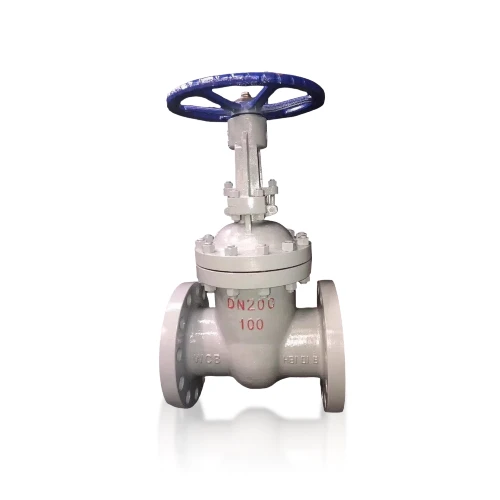
The needle valve is a precision flow control device designed to regulate the flow of liquids and gases in various industrial applications. Unlike standard valves, the needle valve features a slender, tapered plug that allows for fine adjustments in flow rates. This capability makes it an ideal choice for applications requiring high precision, such as in laboratory experiments, high-pressure systems, and specialty gas applications. The needle valve's robust construction ensures reliable performance and durability in demanding environments.
Key Features
- Fine Flow Control: The unique design of the needle valve allows for precise regulation of flow rates.
- Durable Materials: Constructed from high-quality materials, ensuring longevity and resistance to corrosion.
- Compact Design: Space-saving design suitable for various installations without compromising performance.
- Versatile Applications: Ideal for use in chemical processing, oil and gas, and HVAC systems.
- Easy Operation: User-friendly handwheel or actuator options for effortless adjustments.
Technical Specifications
| Specification | Details |
|---|---|
| Material | Stainless Steel, Brass, PVC |
| Pressure Rating | Up to 6000 psi |
| Temperature Range | -20°C to 250°C |
| Connection Type | Threaded, Flanged, Welded |
| Size Range | 1/8" to 2" |
| End Connections | NPT, BSP, ANSI |
Application Scenarios
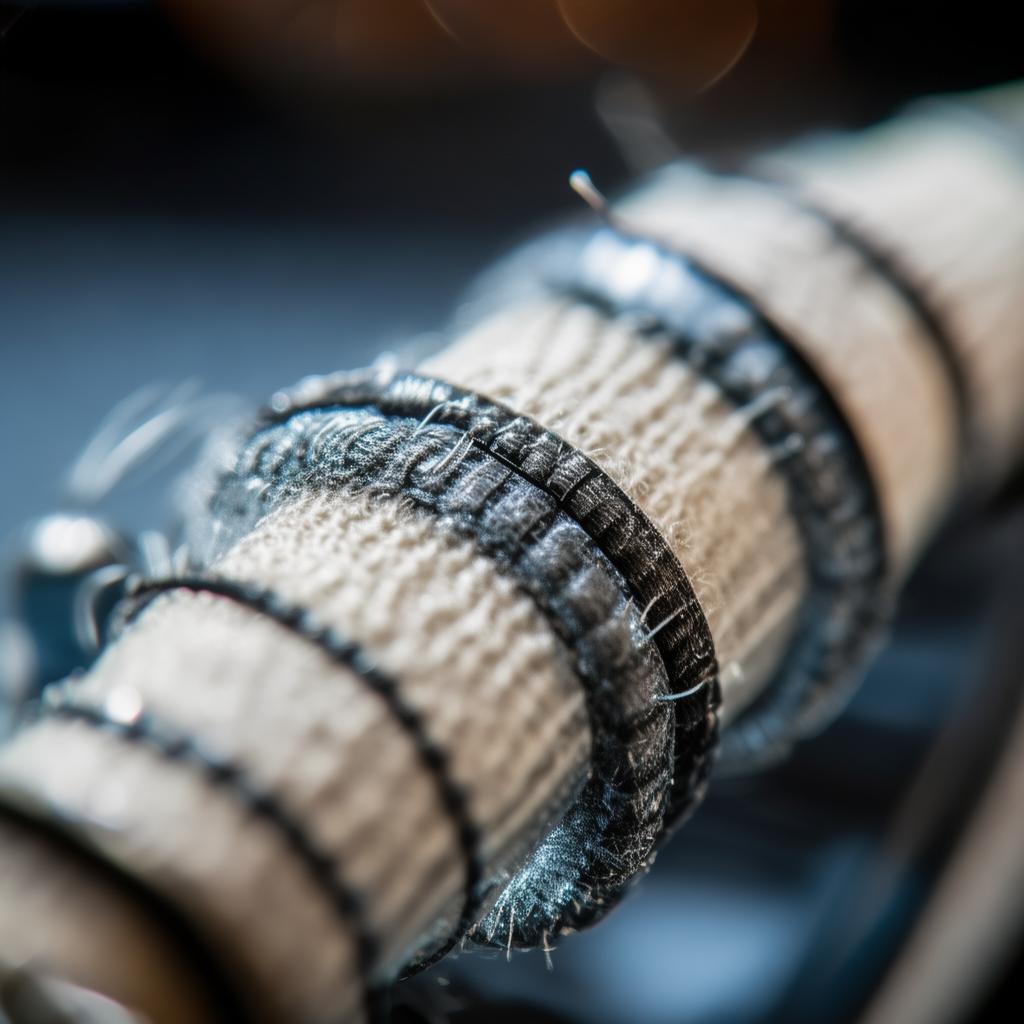
The needle valve is widely used across different industries due to its versatility and reliability. Some common application scenarios include:
- Chemical Processing: Used to manage the flow of various chemicals in reactors and pipelines.
- Oil and Gas: Employed in upstream and downstream processes for flow regulation.
- HVAC Systems: Utilized for controlling refrigerant flow in heating and cooling systems.
- Laboratory Equipment: Essential for precision flow control in testing and experimental setups.
- Aerospace: Used in fuel systems and hydraulic applications requiring precise flow adjustments.
Advantages
Choosing a needle valve offers numerous advantages for industrial applications, including:
- Precision Control: Enables fine-tuning of flow rates, which is critical in processes requiring careful measurement.
- Durability: Manufactured from robust materials that withstand harsh conditions and prolong service life.
- Cost-Effective: Reduces operational costs by minimizing wastage and improving process efficiencies.
- Wide Compatibility: Compatible with various fluids and gases, making it suitable for diverse applications.
- Reduced Maintenance: Reliable performance leads to lower maintenance requirements and downtime.
Why Choose Us
When selecting a supplier for your needle valve needs, consider the following reasons to choose us:
- Expertise: We have years of experience in the valve industry, providing high-quality products tailored to customer specifications.
- Quality Assurance: Our needle valves undergo rigorous testing and quality control processes to ensure superior performance and reliability.
- Customer-Centric Approach: We prioritize customer satisfaction, offering tailored solutions and responsive support throughout your purchase journey.
- Global Reach: We serve clients across various industries globally, ensuring timely delivery and competitive pricing.
- Innovation: Our commitment to continuous improvement and innovation keeps us at the forefront of valve technology.
FAQ
What is a needle valve used for?
A needle valve is primarily used to regulate the flow of liquids and gases with high precision, making it ideal for applications in chemical processing, HVAC systems, and laboratory equipment.
How do I choose the right needle valve for my application?
When selecting a needle valve, consider factors such as the type of fluid or gas, pressure and temperature requirements, size, and connection type. Consulting with an expert can help ensure you select the right valve for your needs.
Can needle valves handle high pressures?
Yes, many needle valves are designed to handle high-pressure applications, with some rated up to 6000 psi. Always check the specifications to ensure the valve is suitable for your pressure requirements.
Are needle valves suitable for throttling applications?
Absolutely. Needle valves are ideal for throttling applications due to their ability to provide precise control over flow rates, making them perfect for regulating fluid flow in various systems.
What materials are needle valves made from?
Needle valves are commonly made from materials such as stainless steel, brass, and PVC, each suitable for different applications and environmental conditions.
 English
  Afrikaans
  Albanian
  Amharic
  Arabic
  Armenian
  Azerbaijani
  Basque
  Belarusian
  Bengali
  Bosnian
  Bulgarian
  Catalan
  Cebuano
  Corsican
  Croatian
  Czech
Czech  Danish
  Dutch
Dutch  Esperanto
  Estonian
  Finnish
  French
  Frisian
  Galician
  Georgian
  German
  Greek
Greek  Gujarati
  Haitian Creole
  Hausa
Hausa  Hebrew
  Hindi
Hindi  Miao
Miao  Hungarian
  Icelandic
  Igbo
Igbo  Indonesian
  Irish
Irish  Italian
  Japanese
  Javanese
  Kazakh
  Khmer
Khmer  Rwandese
  Korean
  Kurdish
  Kyrgyz
  Lao
Lao  Latin
Latin  Latvian
  Lithuanian
  Luxembourgish
  Macedonian
  Malgashi
  Malay
Malay  Malayalam
  Maltese
  Maori
Maori  Marathi
  Mongolian
  Myanmar
  Nepali
  Norwegian
  Norwegian
  Occitan
  Pashto
  Persian
  Polish
  Portuguese
  Romanian
  Russian
  Samoan
  Scottish Gaelic
  Serbian
  Sesotho
  Shona
Shona  Sindhi
  Sinhala
  Slovak
  Slovenian
  Somali
  Spanish
  Sundanese
  Swahili
  Swedish
  Tajik
Tajik  Tamil
Tamil  Tatar
Tatar  Telugu
  Thai
Thai  Turkish
  Turkmen
  Ukrainian
  Urdu
Urdu  Uighur
  Uzbek
Uzbek  Vietnamese
  Welsh
Welsh  Bantu
Bantu  Yiddish
  Yoruba
  Zulu
Zulu