




Piloted Check Valve
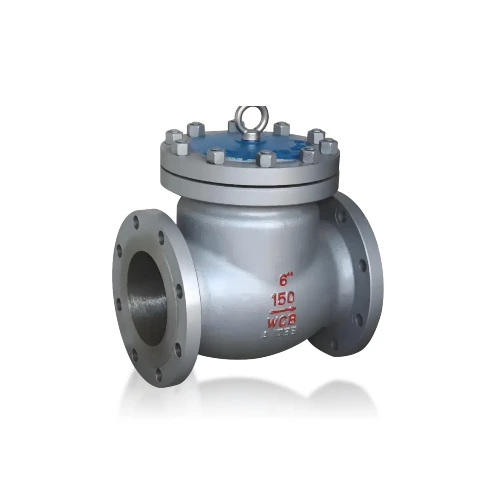
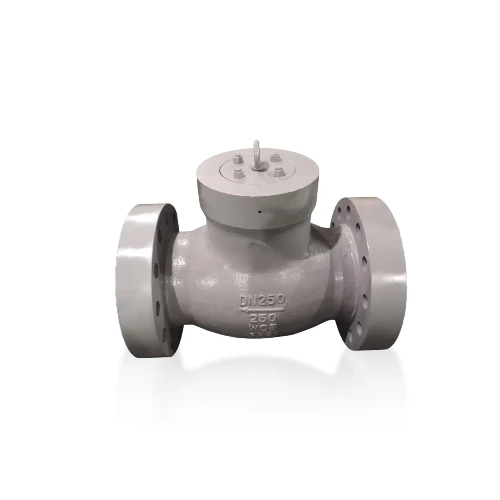
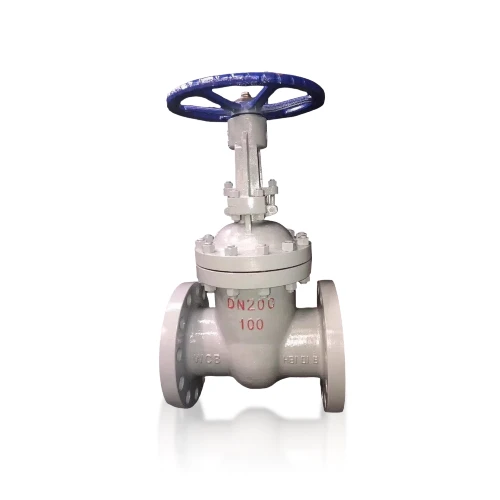
The piloted check valve is a crucial component in fluid control systems, designed to allow fluid flow in one direction while preventing backflow. This innovative valve operates under the principle of pressure differential, ensuring optimal performance in various industrial applications. With its robust design and reliable functionality, the piloted check valve guarantees enhanced system efficiency and safety in your operations.
Key Features
- Pressure-Operated: Utilizes pressure differentials for optimal performance.
- Compact Design: Space-saving construction suitable for various installations.
- Durable Materials: Made from high-quality materials to withstand harsh environments.
- Low Maintenance: Designed for minimal upkeep, reducing operational costs.
- Versatile Applications: Ideal for hydraulic systems, water treatment, and more.
Technical Specifications
| Specification | Details |
|---|---|
| Model | PCV-100 |
| Size Range | 1" to 8" |
| Pressure Rating | Up to 300 PSI |
| Temperature Range | -20°C to 80°C |
| Material | Stainless Steel, Brass, PVC |
| Connection Type | Threaded, Flanged |
Application Scenarios
The piloted check valve is widely used across various industries due to its versatile design and functionality. Some key application scenarios include:
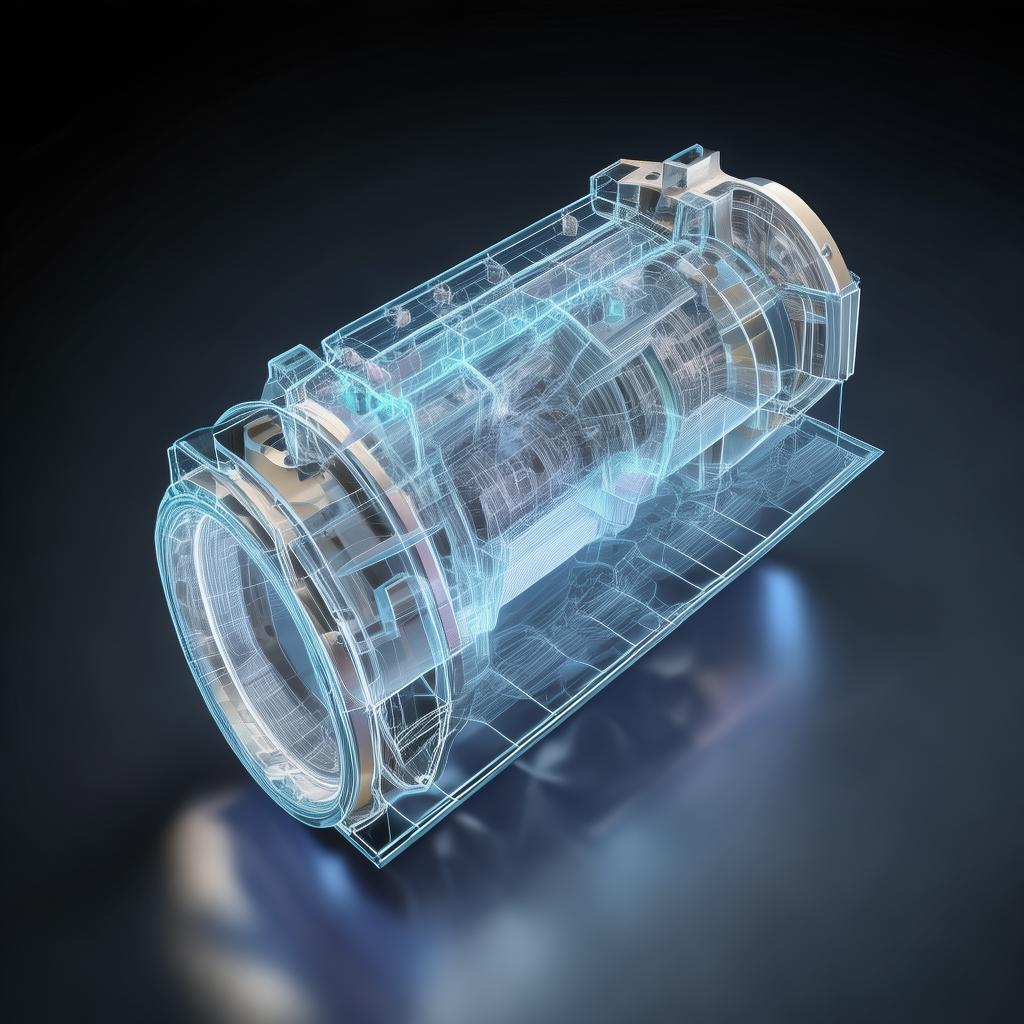
- Hydraulic Systems: Used in hydraulic circuits to prevent backflow and maintain system pressure.
- Water Treatment Plants: Essential for controlling flow direction in water distribution systems.
- Pneumatic Systems: Helps manage air flow in pneumatic applications, ensuring operational integrity.
- Oil and Gas: Utilized in pipelines to prevent reverse flow, enhancing safety and system performance.
- Manufacturing: Employed in various manufacturing processes to regulate fluid flow efficiently.
Advantages
Choosing a piloted check valve for your fluid control systems offers several advantages:
- Enhanced Efficiency: The piloted design allows for quicker response times and better flow regulation.
- Increased Safety: Prevents backflow, which can lead to contamination and system failures.
- Cost-Effective: Low maintenance requirements reduce long-term operational costs.
- Customizable Options: Available in various sizes and materials to meet specific application needs.
- Reliable Performance: Designed to withstand extreme conditions, ensuring longevity and dependability.
Why Choose Us
When it comes to sourcing a piloted check valve, our company stands out for several reasons:
- Industry Expertise: With years of experience in the industrial valve market, we understand the unique needs of our customers.
- Quality Assurance: We adhere to stringent quality control measures to deliver products that meet international standards.
- Innovative Solutions: Our engineering team continuously seeks to enhance product designs and functionality.
- Comprehensive Support: We offer extensive technical support and resources to assist our clients throughout the purchasing process.
- Global Reach: Our products are trusted by businesses worldwide, ensuring reliable supply and service.
FAQ
1. What is a piloted check valve?
A piloted check valve is a type of valve that allows fluid to flow in one direction while preventing backflow, utilizing pressure differentials for operation.
2. Where can a piloted check valve be used?
These valves are commonly used in hydraulic systems, water treatment plants, pneumatic systems, and various manufacturing processes.
3. What materials are available for piloted check valves?
Piloted check valves are available in materials such as stainless steel, brass, and PVC, allowing for customization based on application requirements.
4. How do I maintain a piloted check valve?
Maintenance typically involves regular inspection for wear and tear, ensuring seals are intact, and cleaning any debris that may affect performance.
5. Can I use a piloted check valve in high-pressure applications?
Yes, piloted check valves are designed to handle pressures up to 300 PSI, making them suitable for many high-pressure applications.
 English
  Afrikaans
  Albanian
  Amharic
  Arabic
  Armenian
  Azerbaijani
  Basque
  Belarusian
  Bengali
  Bosnian
  Bulgarian
  Catalan
  Cebuano
  Corsican
  Croatian
  Czech
Czech  Danish
  Dutch
Dutch  Esperanto
  Estonian
  Finnish
  French
  Frisian
  Galician
  Georgian
  German
  Greek
Greek  Gujarati
  Haitian Creole
  Hausa
Hausa  Hebrew
  Hindi
Hindi  Miao
Miao  Hungarian
  Icelandic
  Igbo
Igbo  Indonesian
  Irish
Irish  Italian
  Japanese
  Javanese
  Kazakh
  Khmer
Khmer  Rwandese
  Korean
  Kurdish
  Kyrgyz
  Lao
Lao  Latin
Latin  Latvian
  Lithuanian
  Luxembourgish
  Macedonian
  Malgashi
  Malay
Malay  Malayalam
  Maltese
  Maori
Maori  Marathi
  Mongolian
  Myanmar
  Nepali
  Norwegian
  Norwegian
  Occitan
  Pashto
  Persian
  Polish
  Portuguese
  Romanian
  Russian
  Samoan
  Scottish Gaelic
  Serbian
  Sesotho
  Shona
Shona  Sindhi
  Sinhala
  Slovak
  Slovenian
  Somali
  Spanish
  Sundanese
  Swahili
  Swedish
  Tajik
Tajik  Tamil
Tamil  Tatar
Tatar  Telugu
  Thai
Thai  Turkish
  Turkmen
  Ukrainian
  Urdu
Urdu  Uighur
  Uzbek
Uzbek  Vietnamese
  Welsh
Welsh  Bantu
Bantu  Yiddish
  Yoruba
  Zulu
Zulu