




Socket Weld Ball Valves
Socket weld ball valves are critical components in various industrial applications, providing reliable flow control in piping systems. Designed for durability and efficiency, these valves offer a robust solution for high-pressure and high-temperature environments. With their seamless integration into pipelines, socket weld ball valves ensure minimal leakage and optimal performance, making them a preferred choice for many industries worldwide.
Key Features
- Durable Construction: Socket weld ball valves are constructed from high-quality materials such as stainless steel, carbon steel, and other alloys, ensuring longevity and resistance to corrosion.
- Seamless Design: The socket weld design allows for smooth transitions in the piping system, reducing turbulence and pressure drops.
- High Pressure and Temperature Ratings: These valves are engineered to withstand high-pressure and high-temperature conditions, making them suitable for various applications.
- Easy Installation: Socket weld ball valves are easy to install and maintain, providing a hassle-free solution for system integration.
- Leak-Proof Sealing: The design of socket weld ball valves ensures tight sealing, minimizing the risk of leaks and enhancing safety in operations.
Technical Specifications
| Specification | Details |
|---|---|
| Size Range | 1/2 inch to 12 inches |
| Pressure Rating | Up to 3000 PSI |
| Temperature Range | -20°F to 450°F |
| Material | Stainless Steel, Carbon Steel, Alloy 20 |
| Connection Type | Socket Weld |
Application Scenarios
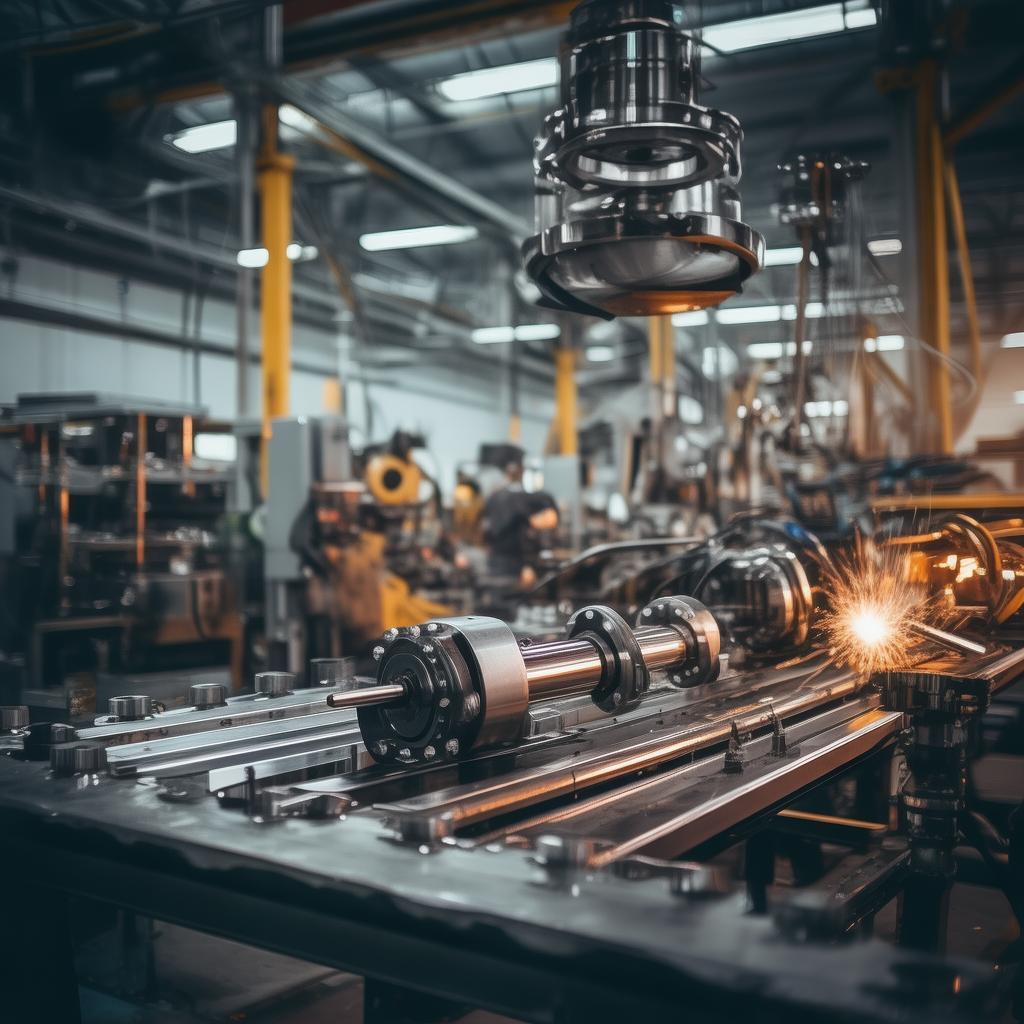
Socket weld ball valves are widely used in numerous industrial sectors, including:
- Oil and Gas: Ideal for upstream and midstream applications, providing control over flow and pressure in pipelines.
- Chemical Processing: Essential for controlling corrosive fluids and chemicals within processing plants.
- Water Treatment: Used in systems for managing water distribution and treatment processes.
- Power Generation: Facilitating fluid control in steam and cooling systems.
- Pharmaceuticals: Ensuring the integrity and safety of critical processes in drug manufacturing.
Advantages
Investing in socket weld ball valves comes with multiple advantages:
- Enhanced Safety: The robust design minimizes the risk of leaks and failures, ensuring safer operations.
- Efficiency: Reduced pressure drops lead to improved system efficiency and lower operational costs.
- Versatility: Suitable for a wide range of fluids, including gases, liquids, and slurries.
- Maintenance-Free Operation: Socket weld ball valves typically require less maintenance than other valve types, saving time and costs.
- Customizable Designs: Available in various sizes and materials, allowing for tailored solutions to meet specific requirements.
Why Choose Us
When it comes to sourcing socket weld ball valves, our company stands out for several reasons:
- Expertise: With years of experience in the industrial valve industry, we have the knowledge and skills to deliver high-quality valves that meet international standards.
- Quality Assurance: Our socket weld ball valves undergo rigorous testing and quality control processes to ensure they perform reliably under demanding conditions.
- Global Reach: We cater to clients worldwide, providing solutions that comply with various industry regulations and standards.
- Customer-Centric Approach: We prioritize our customers' needs, offering personalized service and support throughout the purchasing process.
- Competitive Pricing: Our pricing strategy ensures that you receive the best value without compromising on quality.
FAQ
1. What are socket weld ball valves used for?
Socket weld ball valves are used for controlling the flow of liquids and gases in various industrial applications, including oil and gas, chemical processing, and water treatment.
2. How do socket weld ball valves work?
Socket weld ball valves operate by rotating a ball with a hole through its center. When the hole aligns with the flow direction, the valve is open, allowing fluid to pass. When rotated 90 degrees, the ball blocks the flow, closing the valve.
3. What is the difference between socket weld and threaded ball valves?
Socket weld ball valves are welded directly into the piping, providing a stronger and more leak-proof connection than threaded ball valves, which rely on mechanical threads to connect to the pipe.
4. Can socket weld ball valves be used in high-pressure applications?
Yes, socket weld ball valves are designed to withstand high pressures, often rated up to 3000 PSI, making them suitable for high-pressure applications.
5. Are socket weld ball valves easy to maintain?
Socket weld ball valves typically require less maintenance due to their simple design and robust construction, which helps prevent leaks and failures.
 English
  Afrikaans
  Albanian
  Amharic
  Arabic
  Armenian
  Azerbaijani
  Basque
  Belarusian
  Bengali
  Bosnian
  Bulgarian
  Catalan
  Cebuano
  Corsican
  Croatian
  Czech
Czech  Danish
  Dutch
Dutch  Esperanto
  Estonian
  Finnish
  French
  Frisian
  Galician
  Georgian
  German
  Greek
Greek  Gujarati
  Haitian Creole
  Hausa
Hausa  Hebrew
  Hindi
Hindi  Miao
Miao  Hungarian
  Icelandic
  Igbo
Igbo  Indonesian
  Irish
Irish  Italian
  Japanese
  Javanese
  Kazakh
  Khmer
Khmer  Rwandese
  Korean
  Kurdish
  Kyrgyz
  Lao
Lao  Latin
Latin  Latvian
  Lithuanian
  Luxembourgish
  Macedonian
  Malgashi
  Malay
Malay  Malayalam
  Maltese
  Maori
Maori  Marathi
  Mongolian
  Myanmar
  Nepali
  Norwegian
  Norwegian
  Occitan
  Pashto
  Persian
  Polish
  Portuguese
  Romanian
  Russian
  Samoan
  Scottish Gaelic
  Serbian
  Sesotho
  Shona
Shona  Sindhi
  Sinhala
  Slovak
  Slovenian
  Somali
  Spanish
  Sundanese
  Swahili
  Swedish
  Tajik
Tajik  Tamil
Tamil  Tatar
Tatar  Telugu
  Thai
Thai  Turkish
  Turkmen
  Ukrainian
  Urdu
Urdu  Uighur
  Uzbek
Uzbek  Vietnamese
  Welsh
Welsh  Bantu
Bantu  Yiddish
  Yoruba
  Zulu
Zulu