




Solenoid Needle Valve
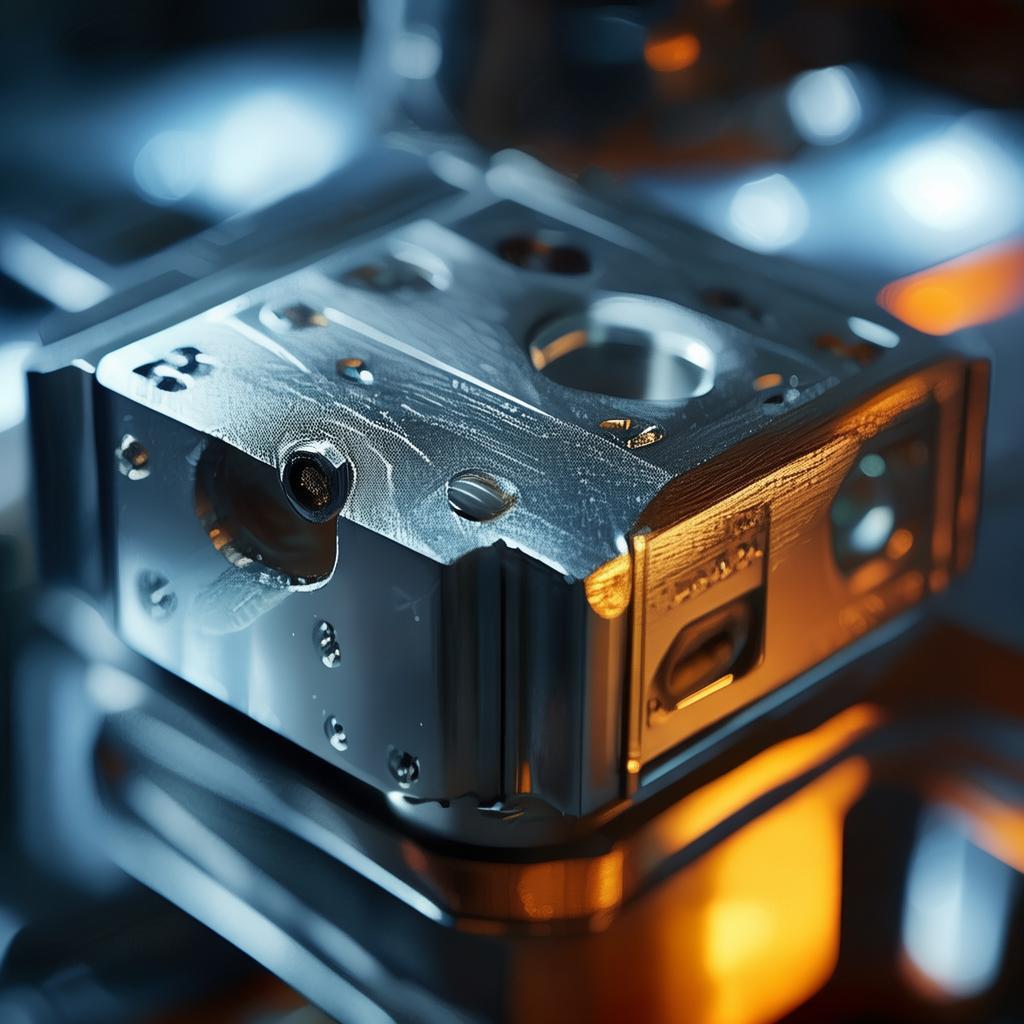
The solenoid needle valve is a precision-engineered component designed to control the flow of fluids in various industrial applications. Utilizing electromagnetic force to operate the valve, this device provides reliable performance and precise flow regulation. With a robust design and advanced technology, the solenoid needle valve is ideal for applications requiring quick response times and accurate control of fluid dynamics.
Key Features
- Electromagnetic Operation: The solenoid needle valve operates using an electromagnetic coil, offering rapid opening and closing capabilities.
- High Precision: Designed for accurate flow control, ensuring optimal performance in various fluid systems.
- Durable Materials: Constructed from high-quality materials for enhanced durability and resistance to wear and corrosion.
- Compact Design: Space-saving design suitable for applications with limited installation space.
- Versatile Applications: Compatible with a wide range of fluids, including water, oil, and gases.
Technical Specifications
| Specification | Details |
|---|---|
| Valve Type | Solenoid Needle Valve |
| Material | Brass, Stainless Steel, or PVC |
| Connection Size | 1/4" to 2" |
| Pressure Rating | Up to 150 psi |
| Temperature Range | -20°C to 80°C |
| Voltage | 12V, 24V, 110V, 220V AC/DC |
| Flow Coefficient (Cv) | 0.1 to 5.0 |
Application Scenarios
The solenoid needle valve is widely used across various industries due to its reliability and efficiency. Some common application scenarios include:
- Automotive Industry: Used in fuel delivery systems and engine management for precise fuel flow control.
- HVAC Systems: Regulates refrigerant flow in heating, ventilation, and air conditioning systems.
- Water Treatment: Controls the flow of chemicals and water in purification processes.
- Medical Equipment: Ensures precise fluid control in devices such as infusion pumps and dialysis machines.
- Industrial Automation: Integrated into machinery for automated fluid control in manufacturing processes.
Advantages
Choosing a solenoid needle valve for your operations offers several advantages:
- Fast Response Time: The electromagnetic mechanism allows for quick actuation, reducing downtime in operations.
- Energy Efficiency: Consumes minimal power, making it cost-effective over time.
- Minimal Maintenance: With fewer moving parts, these valves require less frequent maintenance compared to traditional mechanical valves.
- Customizable Options: Available in various sizes and materials to suit specific application needs.
- Enhanced Safety: Reduces the risk of leaks and fluid loss, promoting a safer working environment.
Why Choose Us
Our company specializes in providing top-quality solenoid needle valves designed to meet the highest industry standards. Here’s why you should consider us:
- Expertise: With years of experience in the industry, we understand the unique needs of our clients and provide tailored solutions.
- Quality Assurance: Each solenoid needle valve undergoes rigorous testing to ensure reliability and performance.
- Global Reach: We serve clients worldwide, providing timely delivery and exceptional customer service.
- Competitive Pricing: Our pricing structure is designed to offer value without compromising on quality.
- Technical Support: Our dedicated team is available to assist you with any inquiries or technical issues regarding our products.
FAQ
1. What is a solenoid needle valve?
A solenoid needle valve is an electromechanical device that regulates fluid flow using an electromagnetic coil to open or close the valve. It is known for its precision and reliability.
2. How does a solenoid needle valve work?
When electrical current passes through the coil, it generates a magnetic field that moves the valve's plunger, allowing or restricting fluid flow through the needle opening.
3. What are the common applications of solenoid needle valves?
These valves are commonly used in automotive, HVAC, medical equipment, water treatment, and industrial automation applications.
4. What materials are solenoid needle valves made from?
Solenoid needle valves can be made from various materials, including brass, stainless steel, and PVC, depending on the application and fluid compatibility.
5. Can solenoid needle valves handle high pressure?
Yes, our solenoid needle valves are designed to handle pressures up to 150 psi, making them suitable for many industrial applications.
 English
  Afrikaans
  Albanian
  Amharic
  Arabic
  Armenian
  Azerbaijani
  Basque
  Belarusian
  Bengali
  Bosnian
  Bulgarian
  Catalan
  Cebuano
  Corsican
  Croatian
  Czech
Czech  Danish
  Dutch
Dutch  Esperanto
  Estonian
  Finnish
  French
  Frisian
  Galician
  Georgian
  German
  Greek
Greek  Gujarati
  Haitian Creole
  Hausa
Hausa  Hebrew
  Hindi
Hindi  Miao
Miao  Hungarian
  Icelandic
  Igbo
Igbo  Indonesian
  Irish
Irish  Italian
  Japanese
  Javanese
  Kazakh
  Khmer
Khmer  Rwandese
  Korean
  Kurdish
  Kyrgyz
  Lao
Lao  Latin
Latin  Latvian
  Lithuanian
  Luxembourgish
  Macedonian
  Malgashi
  Malay
Malay  Malayalam
  Maltese
  Maori
Maori  Marathi
  Mongolian
  Myanmar
  Nepali
  Norwegian
  Norwegian
  Occitan
  Pashto
  Persian
  Polish
  Portuguese
  Romanian
  Russian
  Samoan
  Scottish Gaelic
  Serbian
  Sesotho
  Shona
Shona  Sindhi
  Sinhala
  Slovak
  Slovenian
  Somali
  Spanish
  Sundanese
  Swahili
  Swedish
  Tajik
Tajik  Tamil
Tamil  Tatar
Tatar  Telugu
  Thai
Thai  Turkish
  Turkmen
  Ukrainian
  Urdu
Urdu  Uighur
  Uzbek
Uzbek  Vietnamese
  Welsh
Welsh  Bantu
Bantu  Yiddish
  Yoruba
  Zulu
Zulu