




Stop Check Valve
Product Overview
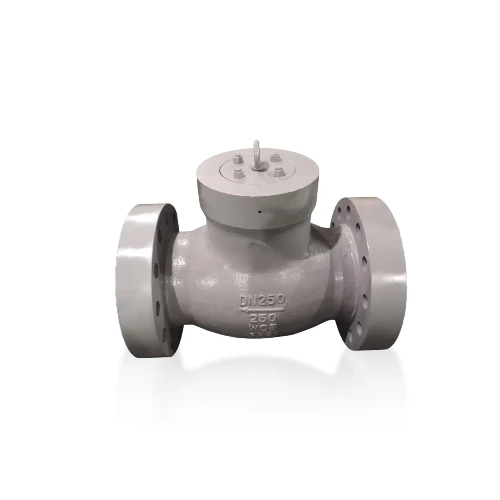
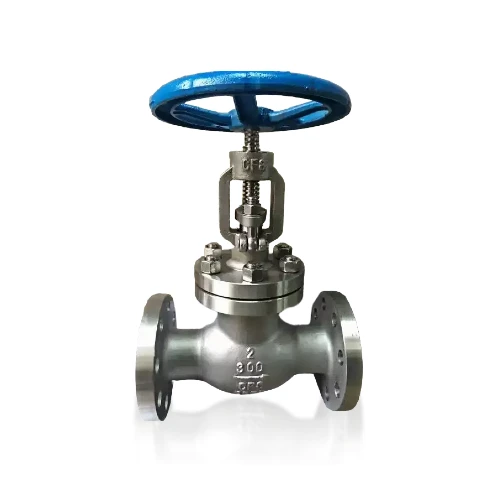
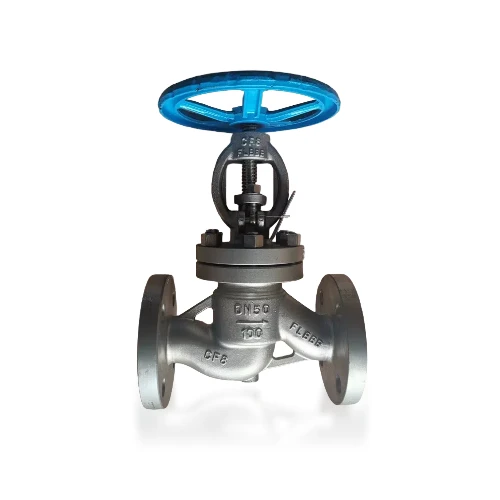
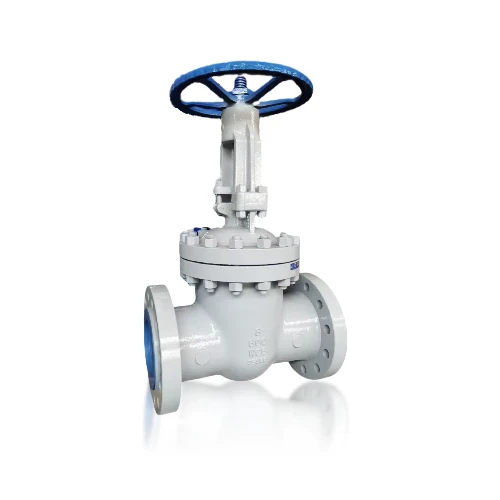
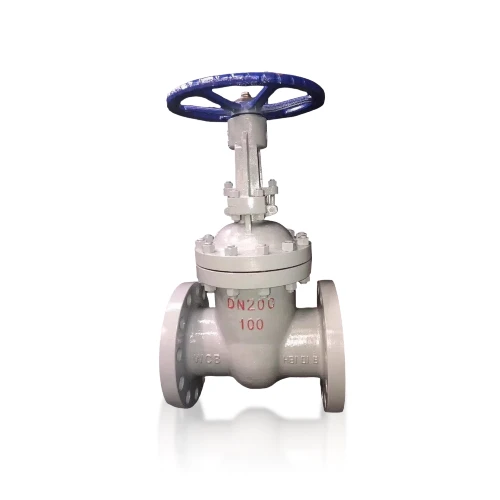
The stop check valve is an essential component in various industrial applications, designed to control the flow of fluids in piping systems. Its dual functionality allows it to act as both a stop valve and a check valve, ensuring that fluids flow in one direction while preventing backflow. This innovative design is crucial for maintaining system integrity and enhancing operational efficiency in diverse environments, from water treatment plants to chemical processing facilities.
Key Features
- Dual Functionality: Combines the roles of a stop valve and a check valve for comprehensive flow control.
- Durable Construction: Made from high-quality materials that withstand harsh operating conditions.
- Easy Installation: Designed for straightforward installation into existing piping systems.
- Minimal Maintenance: Requires less frequent servicing due to its robust design.
- Versatile Applications: Suitable for a wide range of industries, including water, oil, and gas.
Technical Specifications
| Specification | Details |
|---|---|
| Size | 1" to 12" |
| Pressure Rating | Class 150 to Class 300 |
| Temperature Range | -20°C to 120°C |
| Material | Cast Iron, Stainless Steel, Brass |
| Connection Type | Flanged, Threaded |
| End Connections | ASME, ANSI |
Application Scenarios
The stop check valve is utilized across a multitude of sectors, ensuring reliable and safe fluid management. Here are some common application scenarios:
- Water Supply Systems: Preventing backflow in municipal water supply and irrigation systems.
- Pumping Stations: Protecting pumps from reverse flow and potential damage.
- Oil and Gas: Managing fluid flow in pipelines and preventing backflow during shutdowns.
- Chemical Processing: Safeguarding against contamination and ensuring consistent flow in production processes.
- HVAC Systems: Controlling fluid flow in heating and cooling systems for efficiency and reliability.
Advantages
Choosing a stop check valve offers numerous advantages that contribute to operational efficiency and cost-effectiveness:
- Improved Safety: By preventing backflow, these valves enhance safety in piping systems, reducing the risk of leaks and spills.
- Cost Efficiency: Their durable construction and minimal maintenance needs lead to lower operational costs over time.
- Enhanced Performance: With dual functionality, they streamline operations by combining two vital functions into one component.
- Customizable Solutions: Available in various sizes and materials to meet specific industry requirements.
- Reliable Operation: Engineered for high performance, these valves ensure consistent and reliable operation in demanding environments.
Why Choose Us
When selecting a supplier for stop check valves, it is essential to partner with a trusted manufacturer that prioritizes quality and customer satisfaction. Here’s why we stand out:
- Expertise: With years of experience in the industry, we understand the unique challenges faced by our clients and offer tailored solutions to meet their needs.
- Quality Assurance: Our products undergo rigorous testing and quality control to ensure they meet international standards and exceed customer expectations.
- Comprehensive Support: From product selection to installation guidance, our dedicated team is here to assist you at every step.
- Innovative Solutions: We continuously invest in research and development to bring you the latest advancements in valve technology.
- Global Reach: Our extensive distribution network enables us to serve clients worldwide, providing timely delivery and support.
FAQ
1. What is the primary function of a stop check valve?
The primary function of a stop check valve is to allow fluid to flow in one direction while simultaneously preventing backflow, ensuring the integrity of the piping system.
2. Can stop check valves be installed in any position?
Yes, stop check valves can typically be installed in various orientations; however, the manufacturer’s guidelines should be followed for optimal performance.
3. What materials are stop check valves made from?
Stop check valves can be constructed from a variety of materials, including cast iron, stainless steel, and brass, to suit different applications and environments.
4. How do I determine the right size of a stop check valve for my application?
To determine the correct size, consider the pipe diameter, flow rate, and pressure requirements of your specific application. Consulting with a knowledgeable supplier can also help ensure the right choice.
5. What maintenance is required for stop check valves?
While stop check valves are designed for durability and minimal maintenance, periodic inspections are recommended to check for any signs of wear or damage and to ensure they are functioning correctly.
 English
  Afrikaans
  Albanian
  Amharic
  Arabic
  Armenian
  Azerbaijani
  Basque
  Belarusian
  Bengali
  Bosnian
  Bulgarian
  Catalan
  Cebuano
  Corsican
  Croatian
  Czech
Czech  Danish
  Dutch
Dutch  Esperanto
  Estonian
  Finnish
  French
  Frisian
  Galician
  Georgian
  German
  Greek
Greek  Gujarati
  Haitian Creole
  Hausa
Hausa  Hebrew
  Hindi
Hindi  Miao
Miao  Hungarian
  Icelandic
  Igbo
Igbo  Indonesian
  Irish
Irish  Italian
  Japanese
  Javanese
  Kazakh
  Khmer
Khmer  Rwandese
  Korean
  Kurdish
  Kyrgyz
  Lao
Lao  Latin
Latin  Latvian
  Lithuanian
  Luxembourgish
  Macedonian
  Malgashi
  Malay
Malay  Malayalam
  Maltese
  Maori
Maori  Marathi
  Mongolian
  Myanmar
  Nepali
  Norwegian
  Norwegian
  Occitan
  Pashto
  Persian
  Polish
  Portuguese
  Romanian
  Russian
  Samoan
  Scottish Gaelic
  Serbian
  Sesotho
  Shona
Shona  Sindhi
  Sinhala
  Slovak
  Slovenian
  Somali
  Spanish
  Sundanese
  Swahili
  Swedish
  Tajik
Tajik  Tamil
Tamil  Tatar
Tatar  Telugu
  Thai
Thai  Turkish
  Turkmen
  Ukrainian
  Urdu
Urdu  Uighur
  Uzbek
Uzbek  Vietnamese
  Welsh
Welsh  Bantu
Bantu  Yiddish
  Yoruba
  Zulu
Zulu