




Turbo Flanges
Turbo flanges are essential components designed to ensure a secure and efficient connection between turbochargers and exhaust systems. With their robust construction and precision engineering, these flanges provide a reliable solution for high-performance vehicles and industrial applications. Whether you're in the automotive industry or involved in heavy machinery, understanding the significance and functionality of turbo flanges is crucial for optimizing performance and efficiency.
Key Features
- High-Quality Materials: Manufactured from durable alloys and stainless steel, turbo flanges are resistant to corrosion and extreme temperatures.
- Precision Engineering: Each flange is machined to exact specifications, ensuring a perfect fit and optimal performance.
- Customizable Options: Available in various sizes and designs to meet specific application requirements.
- Easy Installation: Designed for straightforward installation, minimizing downtime during setup.
- Enhanced Performance: Turbo flanges facilitate improved airflow, contributing to increased engine efficiency and power output.
Technical Specifications
| Specification | Details |
|---|---|
| Material | Stainless Steel, Aluminum, Carbon Steel |
| Thickness | 5mm - 15mm (customizable) |
| Size Range | 2” to 5” diameter |
| Temperature Resistance | Up to 1200°C |
| Pressure Rating | Up to 200 psi |
| Certification | ISO 9001:2015, ASME |
Application Scenarios
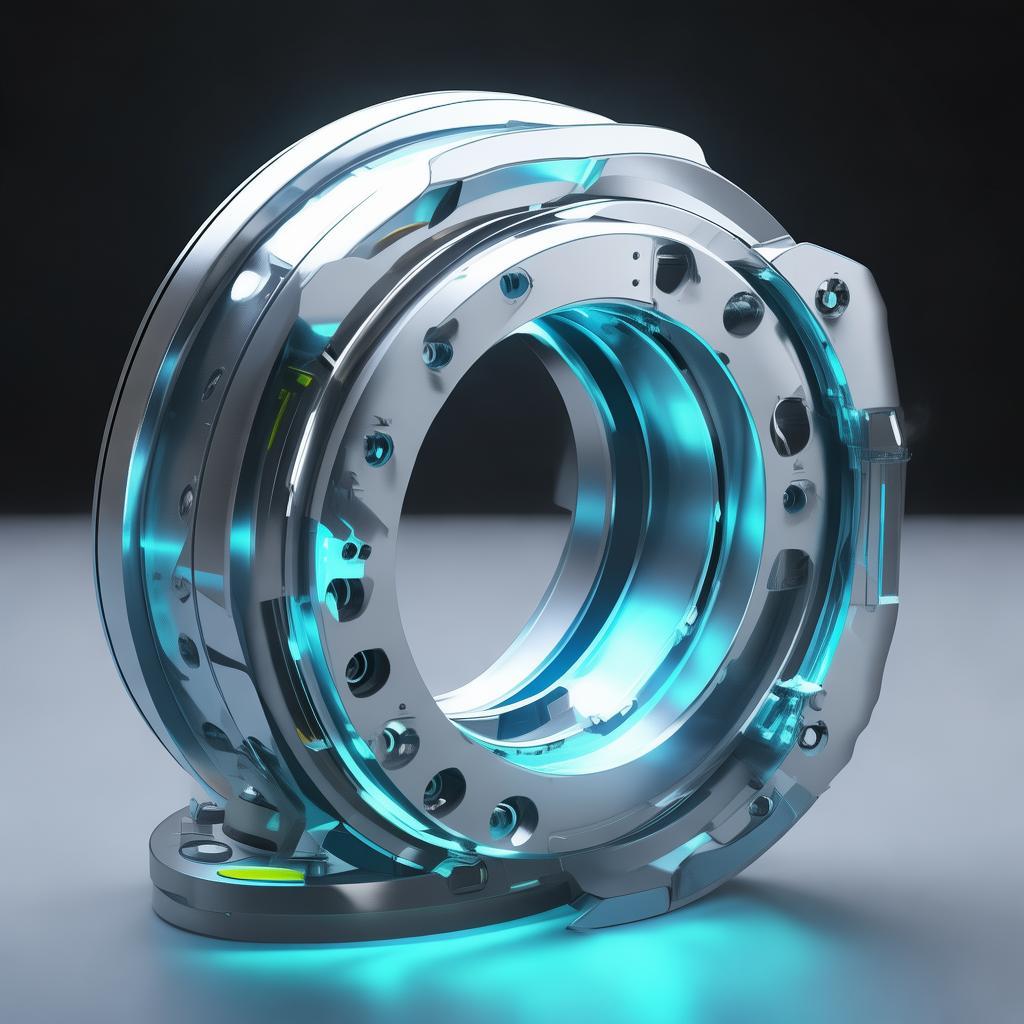
Turbo flanges are versatile components utilized in various industrial and automotive applications. Some common scenarios include:
- Automotive Performance: Used in high-performance vehicles to connect turbochargers to exhaust systems, enhancing engine output and efficiency.
- Heavy Machinery: Employed in construction and agricultural equipment where turbocharged engines are necessary for increased power and torque.
- Marine Applications: Implemented in marine engines where reliable and efficient turbocharging is critical for performance and fuel economy.
- Industrial Equipment: Utilized in manufacturing processes that require turbocharged air compressors and blowers for optimal performance.
Advantages
Choosing turbo flanges for your applications comes with a plethora of advantages:
- Durability: The high-quality materials used in turbo flanges ensure longevity and resistance to wear and tear.
- Enhanced Performance: By improving airflow and reducing back pressure, turbo flanges help maximize engine performance.
- Cost-Effective: Investing in reliable turbo flanges can reduce long-term maintenance costs by preventing leaks and ensuring optimal operation.
- Versatility: Available in multiple sizes and configurations, turbo flanges can be customized to fit a wide range of applications.
- Safety: Robust construction minimizes the risk of failures and enhances safety in high-pressure environments.
Why Choose Us
At our company, we pride ourselves on delivering top-quality turbo flanges that meet the highest industry standards. Here's why you should choose us:
- Expertise: With years of experience in manufacturing and supplying turbo flanges, we understand the unique needs of our clients and offer tailored solutions.
- Quality Assurance: Every turbo flange undergoes rigorous testing to ensure it meets our stringent quality criteria before it reaches you.
- Customer Support: Our dedicated team is always available to assist you with any inquiries or support you may need regarding turbo flanges.
- Global Reach: We cater to clients worldwide, providing efficient shipping and logistics solutions for our turbo flanges.
- Innovative Design: We continuously invest in research and development to improve our products and stay ahead of industry trends.
FAQ
1. What are turbo flanges used for?
Turbo flanges are used to connect turbochargers to exhaust systems in various applications, ensuring a secure and efficient airflow for optimal engine performance.
2. What materials are turbo flanges made from?
Turbo flanges can be made from a variety of materials, including stainless steel, aluminum, and carbon steel, depending on the application and environmental conditions.
3. Can turbo flanges be customized?
Yes, turbo flanges can be customized in terms of size, thickness, and design to meet the specific requirements of your application.
4. How do I ensure proper installation of turbo flanges?
Proper installation of turbo flanges requires following manufacturer guidelines, ensuring that all bolts are tightened to the recommended torque specifications, and checking for any leaks after installation.
5. What is the temperature resistance of turbo flanges?
Our turbo flanges can withstand temperatures up to 1200°C, making them suitable for high-performance applications.
 English
  Afrikaans
  Albanian
  Amharic
  Arabic
  Armenian
  Azerbaijani
  Basque
  Belarusian
  Bengali
  Bosnian
  Bulgarian
  Catalan
  Cebuano
  Corsican
  Croatian
  Czech
Czech  Danish
  Dutch
Dutch  Esperanto
  Estonian
  Finnish
  French
  Frisian
  Galician
  Georgian
  German
  Greek
Greek  Gujarati
  Haitian Creole
  Hausa
Hausa  Hebrew
  Hindi
Hindi  Miao
Miao  Hungarian
  Icelandic
  Igbo
Igbo  Indonesian
  Irish
Irish  Italian
  Japanese
  Javanese
  Kazakh
  Khmer
Khmer  Rwandese
  Korean
  Kurdish
  Kyrgyz
  Lao
Lao  Latin
Latin  Latvian
  Lithuanian
  Luxembourgish
  Macedonian
  Malgashi
  Malay
Malay  Malayalam
  Maltese
  Maori
Maori  Marathi
  Mongolian
  Myanmar
  Nepali
  Norwegian
  Norwegian
  Occitan
  Pashto
  Persian
  Polish
  Portuguese
  Romanian
  Russian
  Samoan
  Scottish Gaelic
  Serbian
  Sesotho
  Shona
Shona  Sindhi
  Sinhala
  Slovak
  Slovenian
  Somali
  Spanish
  Sundanese
  Swahili
  Swedish
  Tajik
Tajik  Tamil
Tamil  Tatar
Tatar  Telugu
  Thai
Thai  Turkish
  Turkmen
  Ukrainian
  Urdu
Urdu  Uighur
  Uzbek
Uzbek  Vietnamese
  Welsh
Welsh  Bantu
Bantu  Yiddish
  Yoruba
  Zulu
Zulu