




china 3 piece ball valve Performance Analysis
Introduction
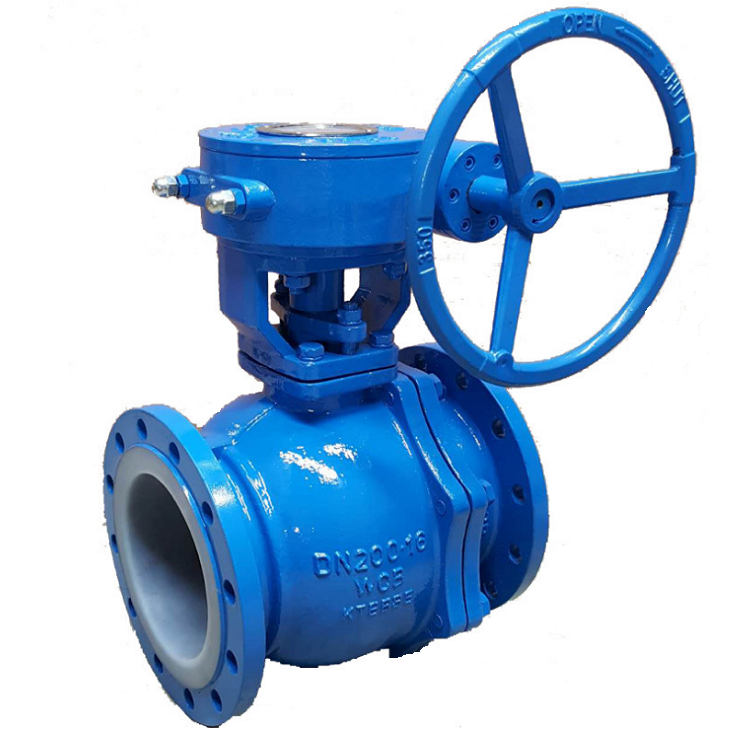
The 3-piece ball valve represents a significant component in fluid control systems across a diverse range of industries, including oil and gas, chemical processing, water treatment, and power generation. This design, characterized by its three separate body pieces – typically a body neck, a ball carrier, and a body end – offers distinct advantages in terms of maintainability, repairability, and cost-effectiveness compared to single-piece or two-piece designs. Its core function is to precisely regulate the flow of liquids, gases, or slurries by employing a rotating ball with a bore through its center. The primary performance characteristics defining a 3-piece ball valve include its pressure rating, temperature range, flow coefficient (Cv), and material compatibility. The industry faces challenges in ensuring long-term sealing integrity, particularly in corrosive environments and at high temperatures, and selecting appropriate materials to mitigate these issues is critical. Chinese manufacturers have become a dominant force in this market, supplying a wide spectrum of valves with varying quality and performance levels. Understanding the nuances of these valves, their manufacturing processes, and performance metrics is paramount for informed procurement and reliable operation.
Material Science & Manufacturing
The construction of a 3-piece ball valve necessitates a careful selection of materials to withstand the specific operating conditions. Common body materials include carbon steel (ASTM A105, API 660), stainless steel (304/316 – ASTM A351), and alloy steels (ASTM A182 F304/F316). The ball itself is typically manufactured from stainless steel (316), hardened chrome-plated carbon steel, or specialized alloys like Monel or Hastelloy for highly corrosive services. Seat materials are crucial for sealing and commonly employ PTFE (Teflon), RPTFE, PEEK, or reinforced PTFE composites, each offering different temperature and chemical resistance profiles. The stem material usually consists of stainless steel (304/316) or alloy steels. Manufacturing processes begin with material casting or forging for the body components. Precision machining is then employed to create the valve's internal passages and mounting surfaces. The ball is typically manufactured using cold forming or machining followed by hardening and polishing. Key parameter control during manufacturing includes dimensional accuracy of the bore and sealing surfaces, surface roughness to minimize friction, and heat treatment to achieve required hardness and tensile strength. Welding, predominantly used for joining body components, requires strict adherence to standards like ASME Section IX to ensure weld integrity and prevent defects like porosity or cracking. Post-weld heat treatment (PWHT) is often implemented to relieve residual stresses. Quality control measures include non-destructive testing (NDT) such as radiographic testing (RT), ultrasonic testing (UT), and liquid penetrant testing (PT) to identify internal flaws and surface defects.
Performance & Engineering
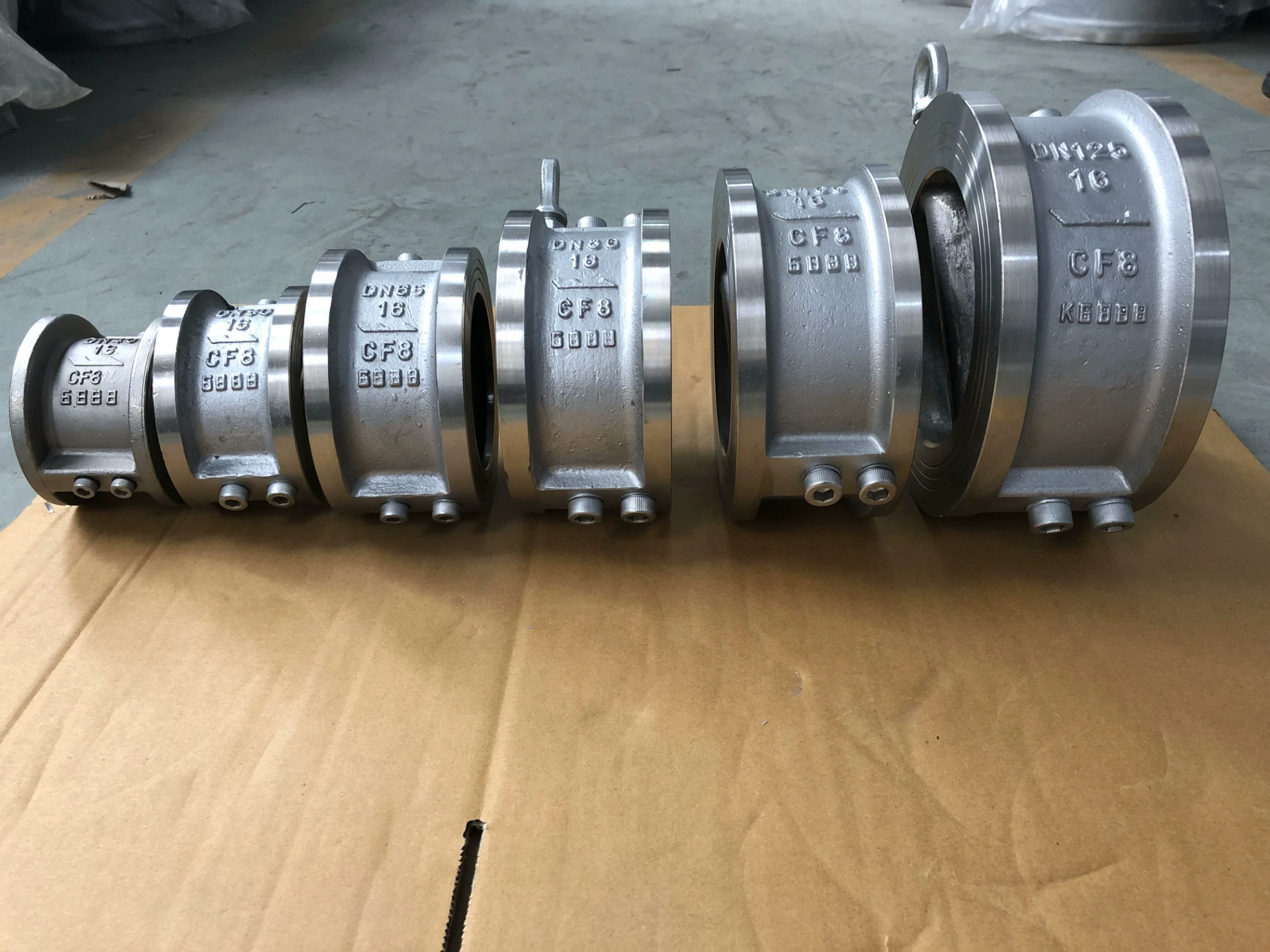
The performance of a 3-piece ball valve is heavily influenced by its design and material selection. Force analysis focuses on the loads exerted on the ball and seats during operation, particularly considering pressure differential and flow velocity. Finite element analysis (FEA) is frequently employed to optimize the valve’s geometry and ensure structural integrity under extreme conditions. Environmental resistance is a critical factor, particularly with regards to corrosion. In corrosive environments, selecting corrosion-resistant alloys and appropriate seat materials is paramount. Galvanic corrosion can occur when dissimilar metals are in contact, necessitating careful consideration of material compatibility. Compliance requirements vary depending on the application and geographical location. For example, valves used in potable water systems must comply with NSF/ANSI 61 standards, ensuring the materials do not leach harmful contaminants into the water. Valves used in hazardous locations must be certified for compliance with ATEX or IECEx standards, preventing ignition of flammable atmospheres. Functional implementation involves ensuring tight shut-off, low torque operation, and minimal pressure drop. Seat leakage is a primary concern, and achieving bubble-tight shut-off requires precise machining of the ball and seats, along with appropriate sealing force. Flow coefficient (Cv) is a key performance indicator, dictating the valve’s capacity to handle a specific flow rate at a given pressure drop. The valve’s actuation method (manual, pneumatic, or electric) also influences its performance, with each offering different levels of control and automation.
Technical Specifications
| Parameter | Metric | Units | Typical Range (China 3-Piece Ball Valve) |
|---|---|---|---|
| Maximum Operating Pressure | PN | Bar | PN16 - PN100 (Up to 6.4MPa) |
| Temperature Range | T | °C | -20°C to +180°C (Depending on seat material) |
| Valve Size | DN | mm | DN15 (1/2") to DN300 (12") |
| Connection Type | Type | - | Threaded (BSPT, NPT), Flanged (ANSI, DIN), Socket Weld |
| Body Material | Material | - | Carbon Steel, Stainless Steel 304/316, WCB |
| Seat Material | Material | - | PTFE, RPTFE, PEEK |
Failure Mode & Maintenance
3-piece ball valves are susceptible to several failure modes. Fatigue cracking can occur in the ball or body due to repeated cycles of high pressure and temperature. Seat damage, including erosion, abrasion, and deformation, can lead to leakage. Cavitation, caused by rapid pressure drops, can erode the ball and seats. Corrosion, particularly in aggressive environments, can lead to pitting and material degradation. Stem leakage can occur due to worn stem packing or damage to the stem itself. Failure analysis typically involves visual inspection, non-destructive testing (NDT), and material analysis to determine the root cause of failure. Preventive maintenance is crucial for extending the valve’s lifespan. Regular inspection of stem packing for leakage and tightening as needed is essential. Periodic lubrication of the ball and stem helps reduce friction and wear. Seat replacement may be necessary if leakage persists. Proper cleaning and removal of debris can prevent erosion and abrasion. In corrosive environments, consider applying protective coatings or upgrading to more corrosion-resistant materials. Regular testing of the valve’s shut-off integrity using pressure testing is also recommended. For critical applications, implementing a predictive maintenance program based on vibration analysis and thermal imaging can help identify potential failures before they occur.
Industry FAQ
Q: What is the primary difference between a 3-piece and a 2-piece ball valve regarding maintenance?
A: The key advantage of a 3-piece ball valve lies in its enhanced maintainability. Unlike a 2-piece valve requiring complete removal for seat replacement, the 3-piece design allows for in-line repair. The middle body section can be removed, enabling seat, stem, and packing replacement without disconnecting the valve from the pipeline. This significantly reduces downtime and maintenance costs.
Q: How does the choice of seat material affect the valve’s performance in high-temperature applications?
A: The seat material is critical for high-temperature performance. PTFE, while cost-effective, has a limited temperature range. RPTFE offers improved temperature resistance but may still be unsuitable for extremely high temperatures. PEEK provides the highest temperature resistance, maintaining its sealing properties at temperatures up to 260°C. Selecting the appropriate seat material is crucial to prevent leakage and ensure reliable operation.
Q: What are the potential risks associated with using a carbon steel ball valve in a corrosive environment?
A: Carbon steel is susceptible to corrosion in many environments, particularly those containing acids, chlorides, or sulfides. Corrosion can lead to pitting, erosion, and ultimately, valve failure. In corrosive environments, stainless steel (304/316) or alloy steels are preferred. Applying protective coatings, such as epoxy or Teflon lining, can also mitigate corrosion risks.
Q: What are the key considerations when selecting a ball valve for a cryogenic application?
A: Cryogenic applications require valves specifically designed for low temperatures. Materials must be able to withstand brittleness at low temperatures. Stainless steel alloys, such as 304L or 316L, are commonly used. PTFE’s properties change at extremely low temperatures, so specialized materials like PCTFE are often necessary. Thermal contraction and expansion must also be accounted for in the valve design.
Q: What standards are most relevant for ensuring the quality and safety of a 3-piece ball valve?
A: Several standards are relevant, depending on the application. API 6D covers ball valve performance requirements. ASME Section IX specifies welding procedures. NACE MR0175/ISO 15156 addresses material selection for sour service environments. NSF/ANSI 61 applies to potable water systems. ATEX/IECEx standards are crucial for hazardous locations.
Conclusion
The 3-piece ball valve remains a cornerstone of fluid control systems due to its maintainability, cost-effectiveness, and reliable performance. Understanding the intricacies of material science, manufacturing processes, and potential failure modes is vital for ensuring optimal valve selection and operation. The continued rise of Chinese manufacturers necessitates a thorough evaluation of product quality and compliance with international standards. By prioritizing proper material selection, adhering to stringent manufacturing protocols, and implementing robust maintenance programs, the longevity and reliability of these valves can be maximized.
Future trends in 3-piece ball valve technology will likely focus on improved sealing materials, advanced automation capabilities, and the development of smart valves with integrated sensors for real-time monitoring and predictive maintenance. Furthermore, the demand for environmentally friendly valves with reduced fugitive emissions will drive innovation in sealing technologies and valve designs. A proactive approach to these advancements will enable industries to enhance efficiency, reduce operational costs, and minimize environmental impact.
-
Top Reasons to Choose a Stainless Steel Flange Check Valve for Industrial Applications
-
DN50 Flange Performance Analysis
-
double flanged butterfly valve Performance Analysis
-
forged flanges Performance Analysis
-
4 blind flange Performance Engineering
-
3 flanged ball valve Performance Analysis
-
2 threaded flange Performance Analysis
-
4 ball valve flanged Performance Analysis
-
90 degree flange elbow Performance Analysis
-
Custom Flanges Performance Analysis
-
DN40 Flange Performance Analysis
-
double flange butterfly valve Performance Analysis
-
Double Flanged Couplings Performance Analysis
-
double flanged butterfly valves Material Science
-
forged flange Performance Analysis
 Afrikaans
 Albanian
 Amharic
 Arabic
 Armenian
 Azerbaijani
 Basque
 Belarusian
 Bengali
 Bosnian
 Bulgarian
 Catalan
 Cebuano
 Corsican
 Croatian
 Czech
Czech
 Danish
 Dutch
Dutch
 Esperanto
 Estonian
 Finnish
 French
 Frisian
 Galician
 Georgian
 German
 Greek
Greek
 Gujarati
 Haitian Creole
 Hausa
Hawaiian
Hausa
Hawaiian
 Hebrew
 Hindi
Hindi
 Miao
Miao
 Hungarian
 Icelandic
 Igbo
Igbo
 Indonesian
 Irish
Irish
 Italian
 Japanese
 Javanese
Kannada
Javanese
Kannada
 Kazakh
 Khmer
Khmer
 Rwandese
 Korean
 Kurdish
 Kyrgyz
 Lao
Lao
 Latin
Latin
 Latvian
 Lithuanian
 Luxembourgish
 Macedonian
 Malgashi
 Malay
Malay
 Malayalam
 Maltese
 Maori
Maori
 Marathi
 Mongolian
 Myanmar
 Nepali
 Norwegian
 Norwegian
 Occitan
 Pashto
 Persian
 Polish
 Portuguese
Punjabi
Portuguese
Punjabi
 Romanian
 Russian
 Samoan
 Scottish Gaelic
 Serbian
 Sesotho
 Shona
Shona
 Sindhi
 Sinhala
 Slovak
 Slovenian
 Somali
 Spanish
 Sundanese
 Swahili
 Swedish
Tagalog
Swedish
Tagalog
 Tajik
Tajik
 Tamil
Tamil
 Tatar
Tatar
 Telugu
 Thai
Thai
 Turkish
 Turkmen
 Ukrainian
 Urdu
Urdu
 Uighur
 Uzbek
Uzbek
 Vietnamese
 Welsh
Welsh
 Bantu
Bantu
 Yiddish
 Yoruba
 Zulu
Zulu
 English