




double flange butterfly valve Performance Analysis
Introduction
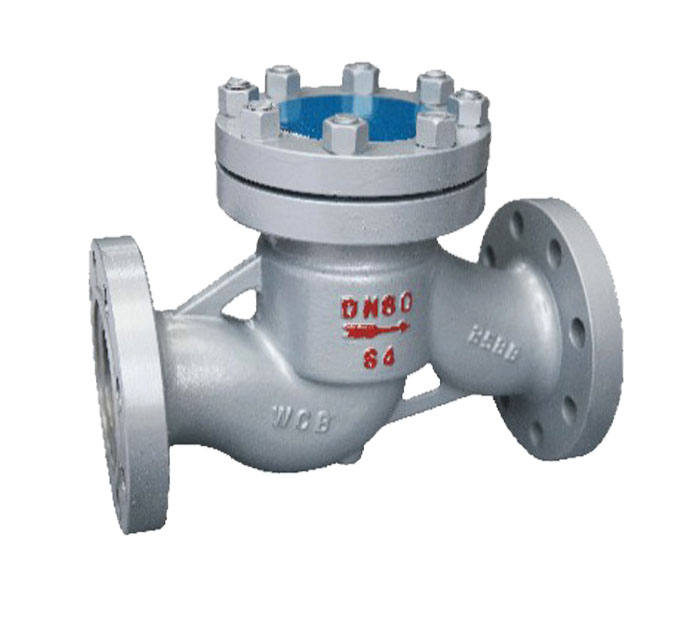
The double flange butterfly valve is a critical flow control device utilized extensively across numerous industrial sectors, including water treatment, chemical processing, power generation, and HVAC systems. Positioned within the fluid conveyance chain, it regulates and isolates fluid flow by rotating a disc within the valve body. Unlike other valve types, the double flange design provides enhanced stability and load distribution, particularly crucial in high-pressure and large-diameter applications. Its core performance characteristics center on tight shut-off capabilities, low pressure drop, and relatively quick actuation speeds, making it a favored choice over gate, globe, and ball valves in specific applications. A significant industry pain point revolves around achieving a balance between cost-effectiveness, long-term durability, and reliable sealing performance, particularly when handling corrosive or abrasive media. Selecting the appropriate materials and understanding the operational limits are paramount to mitigating premature failure and ensuring process integrity.
Material Science & Manufacturing
The construction of a double flange butterfly valve necessitates careful material selection based on the intended application and fluid characteristics. Valve bodies are commonly manufactured from ductile iron (ASTM A536-89), carbon steel (ASTM A53 Grade A), or stainless steel alloys (304, 316, Duplex). Ductile iron offers a cost-effective solution for general water and wastewater applications, providing good tensile strength and ductility. Carbon steel is suitable for lower-corrosion environments, while stainless steels are essential for handling aggressive chemicals, seawater, or high-purity fluids. The disc material typically mirrors the body material, often utilizing stainless steel or specialized alloys for enhanced corrosion resistance and wear properties. The valve seat, crucial for achieving a tight seal, is frequently made from reinforced PTFE (polytetrafluoroethylene), EPDM (ethylene propylene diene monomer), or other elastomeric materials exhibiting excellent chemical compatibility and resilience.
Manufacturing processes involve several key steps. The valve body is often produced via sand casting or investment casting, followed by machining to precise dimensions. The disc is typically forged and then machined, ensuring flatness and balance. Flange faces are meticulously machined to meet ANSI/ASME standards for bolting compatibility. The valve seat is either molded or mechanically secured to the valve body. Critical parameters during manufacturing include dimensional accuracy, surface finish (Ra value), and weld quality (if applicable). Non-destructive testing (NDT) methods such as radiographic inspection (RT), ultrasonic testing (UT), and liquid penetrant inspection (PT) are employed to detect flaws and ensure structural integrity. Proper heat treatment is vital for steel components to achieve desired hardness and tensile strength, preventing premature fatigue failure.
Performance & Engineering
Performance of double flange butterfly valves is fundamentally governed by hydrodynamic principles and mechanical engineering considerations. The torque required to operate the valve is directly proportional to the differential pressure across the disc and the valve’s internal diameter. Engineering calculations must account for these factors, along with fluid viscosity and density, to properly size the actuator. The valve’s coefficient of flow (Cv) is a critical parameter representing its flow capacity, and is influenced by the disc’s angle of deflection and the valve’s internal geometry.
Environmental resistance is a key concern. Exposure to extreme temperatures, UV radiation, and corrosive atmospheres can degrade the valve’s materials and compromise its sealing performance. Selection of appropriate coatings (e.g., epoxy, PTFE) and material alloys is crucial to mitigate these effects. Compliance requirements often dictate specific material certifications (e.g., NACE MR0175 for sour service) and pressure testing protocols (e.g., API 598). Functional implementation involves careful consideration of actuator type (pneumatic, electric, hydraulic) and control schemes (on/off, modulating). Proper valve mounting and alignment are essential to prevent stress on the valve body and ensure smooth operation. Force analysis, including bending moments and shear stresses, must be conducted to verify the structural integrity of the valve under various operating conditions.
Technical Specifications
| Parameter | Specification | Units | Testing Standard |
|---|---|---|---|
| Maximum Operating Pressure | 250 | PSI | API 598 |
| Operating Temperature Range | -20 to 200 | °C | MSS SP-61 |
| Leakage Rate (Seat Leakage) | 0.1 | mL/min/meter of seat perimeter | FCI 70-2 |
| Actuator Type | Pneumatic/Electric/Hydraulic | - | ISO 5211 |
| Connection Standard | ANSI B16.5 / DIN EN 1092-1 | - | - |
| Material (Body) | Ductile Iron/Carbon Steel/Stainless Steel | - | ASTM A536-89/ASTM A53/ASTM A351 |
Failure Mode & Maintenance
Double flange butterfly valves, despite their robust construction, are susceptible to several failure modes. Fatigue cracking can occur in the valve body or disc due to cyclic loading and stress concentration, particularly near weldments. Corrosion, especially in aggressive environments, can lead to pitting, crevice corrosion, and ultimately, material degradation. Seat erosion or damage can result in leakage, especially when handling abrasive slurries or particulate-laden fluids. Delamination of the valve seat material can also cause leakage. Oxidation of metallic components at high temperatures can reduce their mechanical strength and accelerate corrosion.
Preventative maintenance is critical. Regular inspection of the valve body, disc, and seat for signs of corrosion, erosion, or cracking is essential. Lubrication of the stem and actuator components is vital to maintain smooth operation. Periodic testing of the valve’s sealing performance should be conducted. If leakage is detected, the valve seat should be replaced. For severe corrosion or cracking, the entire valve may need to be replaced. Proper storage of the valve when not in use, protecting it from moisture and contaminants, can extend its lifespan. A documented maintenance schedule and record-keeping are highly recommended to track valve performance and identify potential issues before they escalate into major failures.
Industry FAQ
Q: What is the primary advantage of a double flange butterfly valve over a lug butterfly valve in high-pressure applications?
A: The double flange design distributes stress more evenly across the flange connections, providing enhanced structural integrity and stability at higher pressures. Lug butterfly valves rely on lug bolts to secure the valve to the flange, which can be more prone to stress concentration and potential bolt failure under extreme pressure conditions.
Q: How does the material selection impact the longevity of a double flange butterfly valve used in seawater applications?
A: Seawater is highly corrosive due to its chloride content. Using materials like stainless steel (316 or Duplex) or specialized alloys is critical to resist pitting and crevice corrosion. Coatings like epoxy or PTFE can provide an additional barrier against corrosion. Regular inspection and maintenance are crucial to identify and address any signs of corrosion before they lead to catastrophic failure.
Q: What are the key considerations when selecting an actuator for a large-diameter double flange butterfly valve?
A: Torque requirements are paramount. The actuator must provide sufficient torque to overcome the fluid pressure and frictional forces within the valve. The actuator's speed and precision should also align with the process control requirements. Environmental factors, such as temperature and humidity, must also be considered when selecting the actuator type.
Q: What are the common causes of seat leakage in double flange butterfly valves, and how can they be prevented?
A: Seat leakage can be caused by seat erosion from abrasive fluids, damage from foreign objects, or degradation of the seat material due to chemical incompatibility or temperature extremes. Prevention includes selecting a seat material compatible with the fluid, installing a strainer upstream of the valve to remove particulate matter, and performing regular seat inspections and replacements.
Q: How does the valve’s Kv/Cv value influence system performance, and how is it determined?
A: The Kv/Cv value represents the valve’s flow capacity and directly impacts the system’s pressure drop and flow rate. A higher Kv/Cv value indicates a greater flow capacity. It's determined through rigorous testing, often using standardized test setups and procedures outlined in ISO 5208 or equivalent standards, considering fluid properties and valve geometry.
Conclusion
The double flange butterfly valve remains a highly versatile and cost-effective solution for fluid control across a broad spectrum of industries. Its performance is intrinsically linked to material science principles, precise manufacturing processes, and a thorough understanding of application-specific requirements. Addressing the industry pain points surrounding durability, sealing performance, and environmental resistance necessitates careful material selection, rigorous quality control, and a proactive maintenance strategy.
Future advancements will likely focus on developing more advanced materials with enhanced corrosion resistance and wear properties, incorporating smart valve technologies for remote monitoring and diagnostics, and optimizing valve designs for reduced pressure drop and improved flow efficiency. A continued emphasis on standardization and adherence to international regulations will be crucial to ensuring the safety and reliability of these critical components within industrial fluid systems.
-
Top Reasons to Choose a Stainless Steel Flange Check Valve for Industrial Applications
-
double flange butterfly valve Performance Analysis
-
Double Flanged Couplings Performance Analysis
-
double flanged butterfly valves Material Science
-
forged flange Performance Analysis
-
forging flange Material Science
-
forging flanges Material Performance
-
Round Flange Performance Analysis
-
Round Flanges Performance Analysis
-
Custom Flange Performance Analysis
-
DN 40 Flange Performance Analysis
-
8 inch flange Performance Analysis
-
angle ring flanges Performance Analysis
-
Flat Flanges Performance Analysis
-
Full Face Flange Performance Analysis
 Afrikaans
 Albanian
 Amharic
 Arabic
 Armenian
 Azerbaijani
 Basque
 Belarusian
 Bengali
 Bosnian
 Bulgarian
 Catalan
 Cebuano
 Corsican
 Croatian
 Czech
Czech
 Danish
 Dutch
Dutch
 Esperanto
 Estonian
 Finnish
 French
 Frisian
 Galician
 Georgian
 German
 Greek
Greek
 Gujarati
 Haitian Creole
 Hausa
Hawaiian
Hausa
Hawaiian
 Hebrew
 Hindi
Hindi
 Miao
Miao
 Hungarian
 Icelandic
 Igbo
Igbo
 Indonesian
 Irish
Irish
 Italian
 Japanese
 Javanese
Kannada
Javanese
Kannada
 Kazakh
 Khmer
Khmer
 Rwandese
 Korean
 Kurdish
 Kyrgyz
 Lao
Lao
 Latin
Latin
 Latvian
 Lithuanian
 Luxembourgish
 Macedonian
 Malgashi
 Malay
Malay
 Malayalam
 Maltese
 Maori
Maori
 Marathi
 Mongolian
 Myanmar
 Nepali
 Norwegian
 Norwegian
 Occitan
 Pashto
 Persian
 Polish
 Portuguese
Punjabi
Portuguese
Punjabi
 Romanian
 Russian
 Samoan
 Scottish Gaelic
 Serbian
 Sesotho
 Shona
Shona
 Sindhi
 Sinhala
 Slovak
 Slovenian
 Somali
 Spanish
 Sundanese
 Swahili
 Swedish
Tagalog
Swedish
Tagalog
 Tajik
Tajik
 Tamil
Tamil
 Tatar
Tatar
 Telugu
 Thai
Thai
 Turkish
 Turkmen
 Ukrainian
 Urdu
Urdu
 Uighur
 Uzbek
Uzbek
 Vietnamese
 Welsh
Welsh
 Bantu
Bantu
 Yiddish
 Yoruba
 Zulu
Zulu
 English