




Flat Flanges Performance Analysis
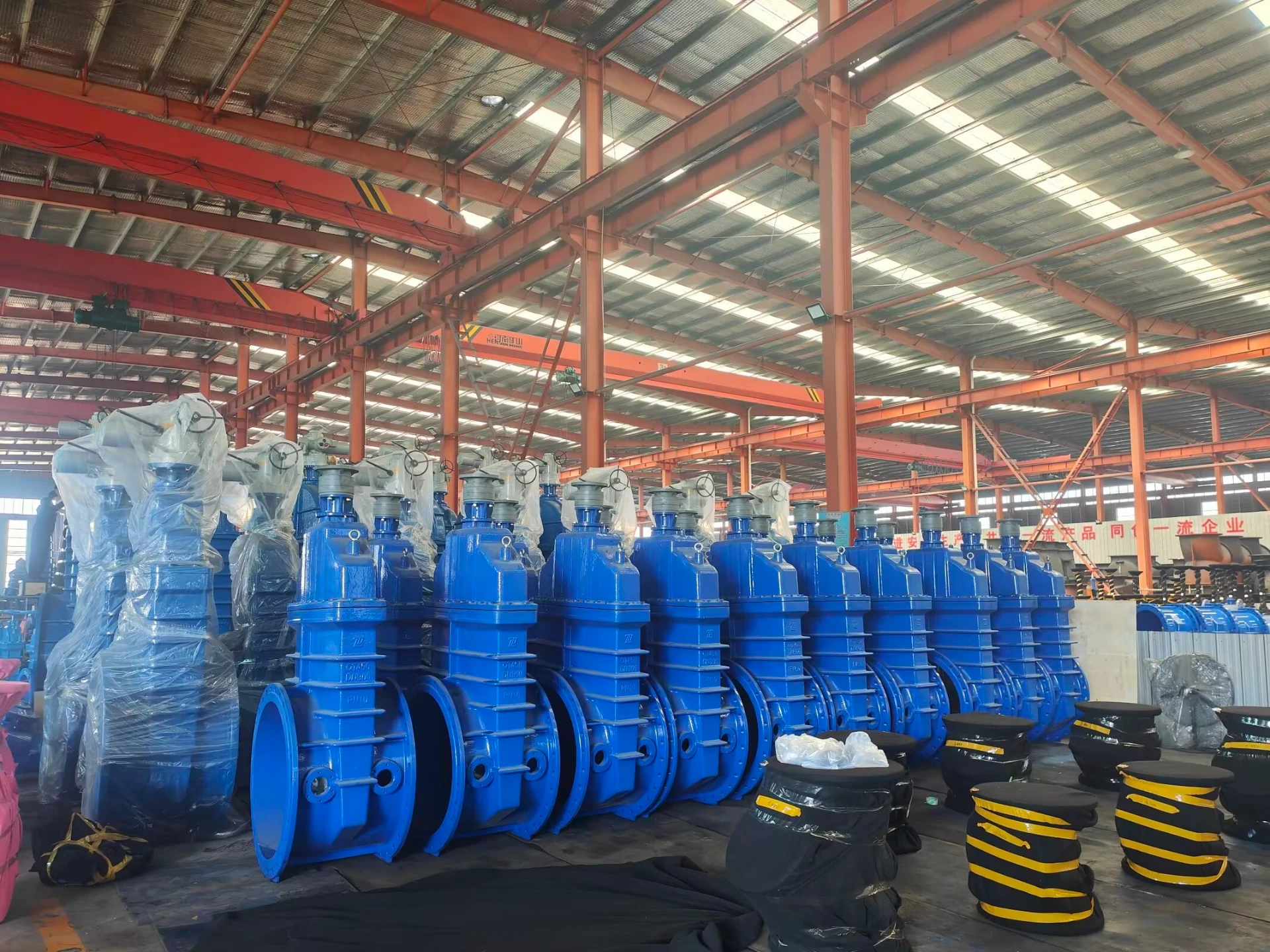
Introduction
Flat flanges are fundamental components in piping systems, facilitating the connection between sections of pipe, valves, pumps, and other equipment. Positioned within the industrial chain as integral joining elements, they are critical for ensuring leak-proof and structurally sound assemblies. While seemingly simple in design – typically a disc with bolt holes – flat flanges are engineered to withstand a wide range of pressures, temperatures, and fluid compositions. Their primary function is to distribute the load of the bolting evenly over the connected components, maintaining sealing integrity. Performance is characterized by pressure rating (ANSI/ASME classes 150, 300, 600, etc.), material compatibility with the fluid being conveyed, and adherence to stringent dimensional tolerances to ensure proper alignment and prevent stress concentrations. A core industry pain point revolves around selecting the correct flange material for the specific application to prevent corrosion, erosion, and ultimately, catastrophic failure. Another key challenge is ensuring proper bolting procedures are followed to achieve and maintain the designed sealing pressure.
Material Science & Manufacturing
Flat flanges are manufactured from a diverse range of materials, each selected based on the operational demands of the piping system. Carbon steel (ASTM A105) is the most commonly used material due to its cost-effectiveness and adequate strength for many applications. However, its susceptibility to corrosion necessitates protective coatings or the use of alternative materials in corrosive environments. Stainless steels (304/304L, 316/316L) offer superior corrosion resistance, particularly against chloride pitting, and are frequently employed in chemical processing, food and beverage, and pharmaceutical industries. Alloy steels (e.g., Chrome-Moly steels like A350) provide enhanced strength and temperature resistance, finding applications in high-pressure and high-temperature systems like power generation. Duplex and Super Duplex stainless steels offer even higher corrosion resistance and strength. The manufacturing process typically involves forging, casting, or plate cutting. Forging provides superior grain structure and mechanical properties, suitable for critical applications. Casting is more economical for large-diameter flanges, but requires careful quality control to minimize porosity. Plate cutting is used for smaller flanges or when specific material grades are required. Key parameters during manufacturing include precise machining of the flange face to ensure a smooth sealing surface, accurate drilling of bolt holes to specified diameters and patterns, and heat treatment to achieve the desired mechanical properties. Welding processes (SMAW, GTAW, GMAW) are crucial for attaching flanges to piping systems, requiring qualified welders and adherence to welding procedures specifications (WPS) to ensure weld integrity and prevent defects like porosity, slag inclusions, and undercut.
Performance & Engineering
The performance of flat flanges is governed by several engineering principles. Force analysis is critical, considering the bolt load required to maintain sealing pressure, the internal pressure of the fluid, and external loads like pipe weight and thermal expansion. The flange design must prevent yielding or failure of the flange material under these combined stresses. Environmental resistance is paramount; corrosion, erosion, and temperature extremes can significantly degrade flange performance. Material selection, coatings (epoxy, PTFE, galvanizing), and cathodic protection are employed to mitigate these effects. Compliance requirements are dictated by industry standards and regulatory bodies (discussed in the footer). For example, ASME B16.5 governs flange dimensions and pressure-temperature ratings, while NACE MR0175/ISO 15156 specifies material requirements for sour service applications. Functional implementation necessitates careful consideration of gasket selection. Gasket materials (e.g., non-asbestos fiber, PTFE, metallic gaskets) must be compatible with the fluid and temperature, and compressed to the correct seating stress to achieve a leak-tight seal. Bolting is equally important; proper bolt size, material grade, and tightening sequence are essential to distribute load evenly and prevent flange distortion. The use of torque wrenches and calibrated tightening procedures is crucial. Failure to properly account for thermal expansion can induce significant stress on the flange, leading to gasket failure or even flange cracking. Expansion joints and appropriate pipe supports are often employed to manage thermal stresses.
Technical Specifications
| Parameter | ASTM A105 Carbon Steel | SS316/316L Stainless Steel | Alloy Steel (A350 LF2) | Unit |
|---|---|---|---|---|
| Tensile Strength | 580 | 880 | 655 | MPa |
| Yield Strength | 310 | 275 | 345 | MPa |
| Elongation | 22 | 30 | 18 | % |
| Hardness (Brinell) | 110-130 | 85-100 | 150-200 | HB |
| Maximum Operating Temperature | 425 | 850 | 450 | °C |
| Corrosion Resistance | Low (requires coating) | Excellent | Good (depending on alloy composition) | Qualitative |
Failure Mode & Maintenance
Flat flange failures commonly manifest as gasket failures, bolt failures, or flange cracking. Gasket failures are often due to improper gasket selection, insufficient bolt load, thermal cycling, or chemical attack. Bolt failures can occur due to fatigue, corrosion, or exceeding the yield strength. Flange cracking typically results from stress corrosion cracking (SCC), fatigue cracking, or material defects. SCC is particularly prevalent in chloride-containing environments and requires the use of corrosion-resistant alloys. Fatigue cracking can occur due to repeated stress cycles, often exacerbated by misalignment or vibration. Regular maintenance is critical for preventing failures. This includes periodic inspection of flanges for signs of corrosion, erosion, or cracking. Bolt tightening should be verified using calibrated torque wrenches. Gaskets should be replaced at recommended intervals or when signs of leakage are detected. Non-destructive testing (NDT) methods, such as visual inspection, dye penetrant testing, and ultrasonic testing, can be employed to detect hidden defects. For corroded flanges, surface preparation and application of protective coatings are essential. In severe cases, flange replacement may be necessary. Proper lubrication of bolt threads can prevent galling and facilitate easier disassembly. Thorough documentation of inspection and maintenance activities is vital for tracking flange performance and identifying potential issues before they escalate.
Industry FAQ
Q: What is the primary difference between a Weld Neck flange and a Flat flange in terms of stress distribution?
A: Weld Neck flanges transfer stress to the pipe through the weld neck, providing a stronger, more gradual stress distribution. Flat flanges rely on bolt load to compress the gasket and maintain sealing; stress concentrations are higher around the bolt holes, making them more susceptible to failure under high cyclic loads or thermal stress. Weld Neck flanges are preferred for critical high-pressure, high-temperature applications, while Flat flanges are suitable for lower-pressure services.
Q: How does the facing of a flange (Raised Face, Flat Face) impact gasket selection?
A: Raised Face flanges require a gasket with a similar raised face profile to ensure proper contact and sealing. Flat Face flanges are designed to be used with Flat gaskets. Mixing these configurations can lead to gasket failure. The gasket material must also be compatible with the fluid and temperature, and possess the appropriate compressibility.
Q: What considerations are crucial when selecting flange materials for sour service (H2S containing fluids)?
A: Sour service applications require materials that are resistant to sulfide stress cracking (SSC). NACE MR0175/ISO 15156 dictates stringent material requirements, typically necessitating the use of low-alloy steels or stainless steels with specific chemical compositions and heat treatment processes. Carbon steel is generally prohibited in sour service environments.
Q: What is the purpose of a flange’s “pressure-temperature rating” (e.g., ANSI 150#, 300#)?
A: The pressure-temperature rating indicates the maximum allowable pressure the flange can withstand at a given temperature. These ratings are based on standardized calculations and testing procedures (ASME B16.5). Operating conditions must remain within the specified limits to ensure the flange’s structural integrity and prevent failure. De-rating factors may apply for specific applications or materials.
Q: What are the common causes of flange leakage and how can they be mitigated?
A: Common causes include improper gasket selection, insufficient bolt load, flange misalignment, surface damage, and corrosion. Mitigation strategies include selecting the correct gasket material for the application, verifying bolt torque to specified values, ensuring proper pipe alignment, protecting flange surfaces from damage, and applying corrosion inhibitors or protective coatings.
Conclusion
Flat flanges, while fundamental components, demand a rigorous understanding of material science, engineering principles, and industry standards for successful implementation. Selecting the appropriate material based on fluid compatibility, temperature, and pressure requirements is paramount. Precise manufacturing, accurate installation procedures (particularly bolting), and consistent maintenance practices are vital for ensuring long-term reliability and preventing costly failures.
Looking ahead, advancements in non-destructive testing (NDT) technologies and the development of new corrosion-resistant alloys will further enhance the performance and longevity of flat flange systems. The increasing focus on sustainability will also drive demand for lighter-weight, high-strength materials and more efficient manufacturing processes. Continued adherence to established standards and a proactive approach to maintenance will remain essential for maintaining the integrity of critical infrastructure across diverse industries.
-
Top Reasons to Choose a Stainless Steel Flange Check Valve for Industrial Applications
-
8 inch flange Performance Analysis
-
angle ring flanges Performance Analysis
-
Flat Flanges Performance Analysis
-
Full Face Flange Performance Analysis
-
Full Face Flanges Performance Analysis
-
flange 8 inch Performance Analysis
-
Ring Flange Performance Analysis
-
3 inch split flange Performance Analysis
-
Tongue and groove flange Performance Analysis
-
Grooved Flange Performance Analysis
-
o ring flange Performance Analysis
-
Ring Flanges Performance Analysis
-
Groove Flange Performance Analysis
-
Tongue and groove flanges Performance Analysis
 Afrikaans
 Albanian
 Amharic
 Arabic
 Armenian
 Azerbaijani
 Basque
 Belarusian
 Bengali
 Bosnian
 Bulgarian
 Catalan
 Cebuano
 Corsican
 Croatian
 Czech
Czech
 Danish
 Dutch
Dutch
 Esperanto
 Estonian
 Finnish
 French
 Frisian
 Galician
 Georgian
 German
 Greek
Greek
 Gujarati
 Haitian Creole
 Hausa
Hawaiian
Hausa
Hawaiian
 Hebrew
 Hindi
Hindi
 Miao
Miao
 Hungarian
 Icelandic
 Igbo
Igbo
 Indonesian
 Irish
Irish
 Italian
 Japanese
 Javanese
Kannada
Javanese
Kannada
 Kazakh
 Khmer
Khmer
 Rwandese
 Korean
 Kurdish
 Kyrgyz
 Lao
Lao
 Latin
Latin
 Latvian
 Lithuanian
 Luxembourgish
 Macedonian
 Malgashi
 Malay
Malay
 Malayalam
 Maltese
 Maori
Maori
 Marathi
 Mongolian
 Myanmar
 Nepali
 Norwegian
 Norwegian
 Occitan
 Pashto
 Persian
 Polish
 Portuguese
Punjabi
Portuguese
Punjabi
 Romanian
 Russian
 Samoan
 Scottish Gaelic
 Serbian
 Sesotho
 Shona
Shona
 Sindhi
 Sinhala
 Slovak
 Slovenian
 Somali
 Spanish
 Sundanese
 Swahili
 Swedish
Tagalog
Swedish
Tagalog
 Tajik
Tajik
 Tamil
Tamil
 Tatar
Tatar
 Telugu
 Thai
Thai
 Turkish
 Turkmen
 Ukrainian
 Urdu
Urdu
 Uighur
 Uzbek
Uzbek
 Vietnamese
 Welsh
Welsh
 Bantu
Bantu
 Yiddish
 Yoruba
 Zulu
Zulu
 English