




Tongue and groove flanges Performance Analysis
Introduction
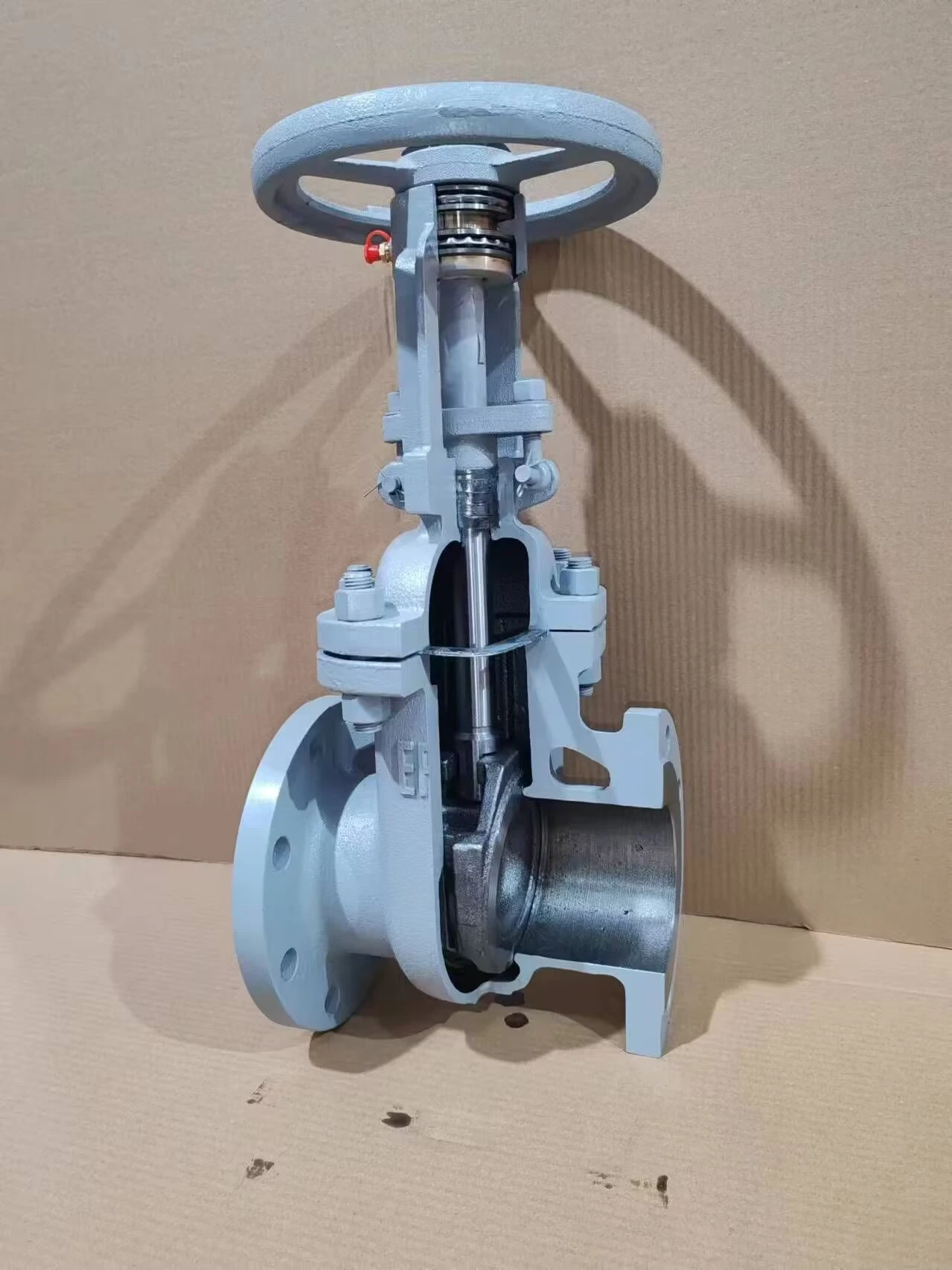
Tongue and groove flanges represent a mechanical joining method commonly employed in piping systems and pressure vessels, particularly in industries requiring robust and reliable sealing solutions. Distinct from weld neck or slip-on flanges, tongue and groove flanges utilize precisely machined interlocking profiles – a ‘tongue’ on one flange and a corresponding ‘groove’ on the mating flange – to provide a metal-to-metal seal when bolted together. This design inherently minimizes leakage pathways and enhances structural integrity. Their primary application lies in high-pressure, high-temperature services where gasket materials may be prone to failure or where zero leakage is critical, such as within the petrochemical, power generation, and nuclear industries. The precise machining and controlled bolting procedures are key to their performance, distinguishing them as a specialized flange type demanding careful consideration in design and installation. They represent a higher initial cost compared to standard flanges, but offer lifecycle cost advantages through reduced maintenance and enhanced operational safety.
Material Science & Manufacturing
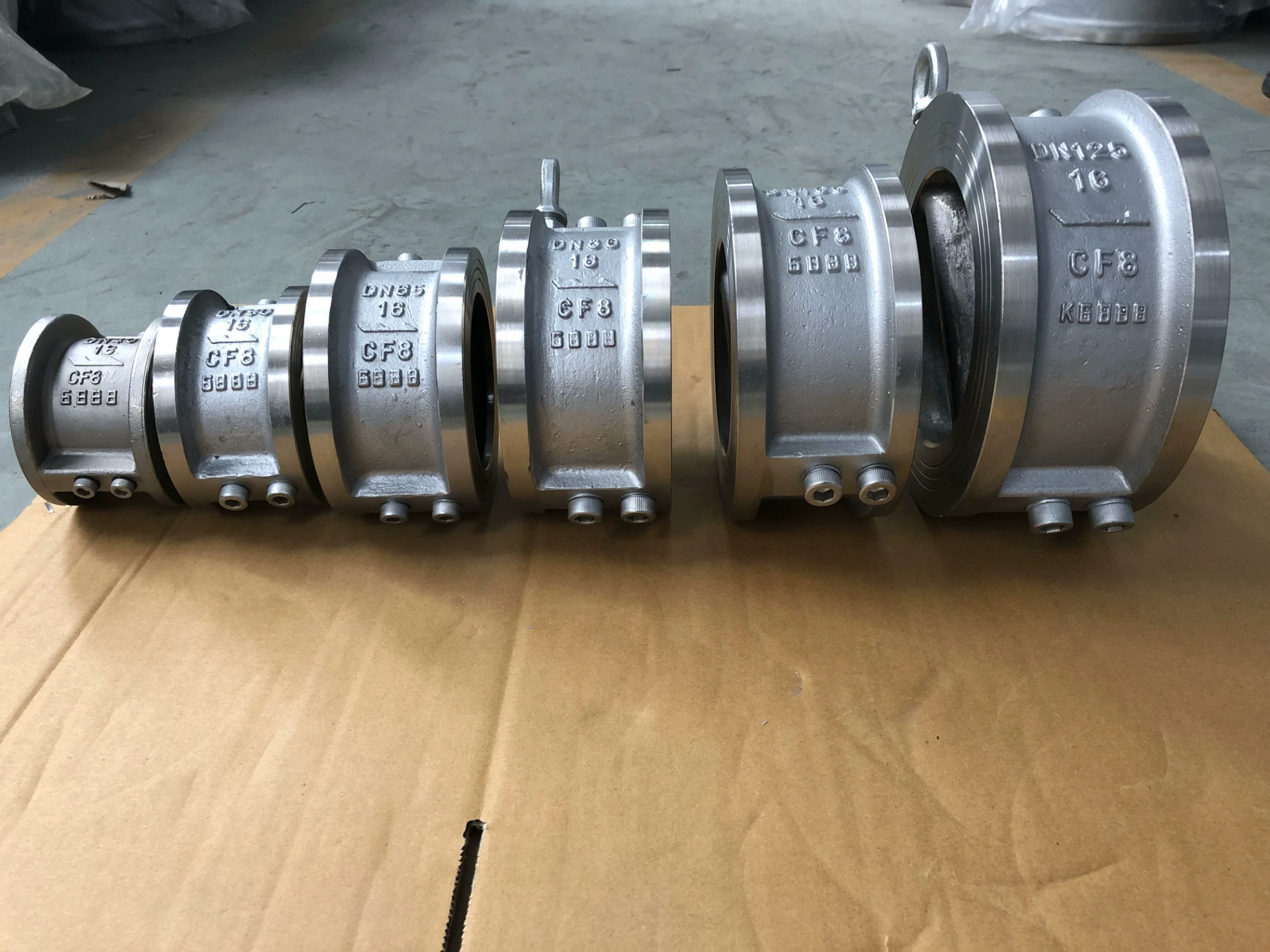
The material selection for tongue and groove flanges is crucial, dictated by the operational environment (temperature, pressure, corrosive media). Common materials include carbon steel (ASTM A105, A36), alloy steels (ASTM A182 F22, F91), stainless steels (304/304L, 316/316L, Duplex), and specialized alloys like Inconel or Hastelloy for highly corrosive applications. The material’s yield strength, tensile strength, and creep resistance are paramount. Manufacturing begins with forging or casting of the flange blank, followed by precise machining of the tongue and groove profiles. This machining necessitates high-precision CNC equipment and stringent quality control to ensure dimensional accuracy and surface finish. Roughing cuts are followed by finishing passes, often involving honing or lapping to achieve the required seal. The groove angle and tongue height are critical parameters; deviations impact sealing performance. Surface roughness (Ra) must be tightly controlled (typically Ra < 0.8 μm) to prevent micro-leakage. Heat treatment is frequently employed to relieve stresses induced during machining and to achieve desired mechanical properties. Non-destructive testing (NDT) methods such as Liquid Penetrant Inspection (LPI), Magnetic Particle Inspection (MPI), and Ultrasonic Testing (UT) are implemented to detect surface and subsurface flaws. Bolting material must be compatible with the flange material to prevent galvanic corrosion. Proper bolting torque application is critical during assembly, requiring calibrated torque wrenches and established bolting procedures.
Performance & Engineering
The performance of tongue and groove flanges is governed by several engineering principles. The metal-to-metal seal is achieved through plastic deformation of the tongue and groove surfaces under compressive load generated by the bolting arrangement. The sealing force is directly proportional to the bolt load and inversely proportional to the contact area. Finite Element Analysis (FEA) is often used to optimize flange geometry and bolting patterns to ensure adequate stress distribution and prevent yielding. Leak rate analysis is critical, focusing on quantifying the permissible leakage under operational conditions. Environmental resistance, particularly to corrosion and erosion, is a key performance parameter. The flange design must account for thermal expansion and contraction, especially in high-temperature applications, to prevent stress concentrations and maintain sealing integrity. Bolting selection is critical; bolt material, size, grade, and number significantly influence the flange’s load-carrying capacity. Compliance with industry standards (ASME B16.5, API 605) is mandatory. The flanges must be designed to withstand anticipated internal pressure, external loads (e.g., weight of piping, vibration), and thermal cycling. Fatigue analysis is essential for applications involving cyclic loading, preventing fatigue cracking and ensuring long-term reliability. Proper gasket selection, even though the primary seal is metal-to-metal, is important to provide corrosion protection and prevent crevice corrosion within the tongue and groove interface.
Technical Specifications
| Parameter | Unit | ASTM A105 Carbon Steel | ASTM A182 F316 Stainless Steel |
|---|---|---|---|
| Pressure Rating | psi | Up to 2500 | Up to 5000 |
| Temperature Range | °F | -20 to 650 | -325 to 850 |
| Surface Roughness (Ra) | μm | < 1.6 | < 0.8 |
| Groove Angle | Degrees | 15-30 (typical) | 15-30 (typical) |
| Tongue Height | mm | 2-5 (dependent on flange size) | 2-5 (dependent on flange size) |
| Bolting Material | - | ASTM A193 B7 | ASTM A193 B8 |
Failure Mode & Maintenance
Tongue and groove flanges, while robust, are susceptible to several failure modes. Galling – adhesive wear between the tongue and groove surfaces due to insufficient lubrication during assembly or high contact stresses – is a common issue. Corrosion, particularly pitting corrosion and crevice corrosion within the tongue and groove interface, can compromise sealing integrity. Fatigue cracking can occur at the bolt holes due to cyclic loading. Thermal cycling can induce thermal stresses, leading to distortion and loss of seal. Over-tightening or uneven tightening of bolts can cause flange distortion and permanent deformation of the sealing surfaces. Improper alignment of the flanges during installation can introduce bending stresses and reduce the contact area. Maintenance involves regular inspection for signs of corrosion, galling, or bolt loosening. Periodic retorquing of bolts is crucial, following established procedures and torque specifications. Lubrication of the tongue and groove surfaces with an appropriate anti-seize compound during assembly and reassembly is essential. If corrosion is detected, the affected areas should be cleaned and protected with a suitable coating. Non-destructive testing (NDT) methods can be used to assess the integrity of the flange and identify potential flaws. Replacement of damaged or corroded flanges is necessary to prevent catastrophic failure. Proper storage and handling during transport and installation are important to avoid damage to the sealing surfaces.
Industry FAQ
Q: What are the primary advantages of tongue and groove flanges over traditional gasketed flanges in critical service applications?
A: The primary advantage is the elimination of gasket materials, which can be prone to degradation, compression set, and permeation. This results in zero leakage capability, improved reliability, and reduced maintenance costs, particularly in high-temperature and high-pressure applications where gasket performance is limited. The metal-to-metal seal provides inherently better resistance to chemical attack and thermal cycling.
Q: How does the surface finish of the tongue and groove affect sealing performance?
A: Surface finish is paramount. A rough surface finish increases the likelihood of micro-leakage and accelerates galling. Typically, a Ra value of less than 0.8 μm is required to ensure adequate sealing. Lapping or honing operations are often employed to achieve the desired surface finish.
Q: What are the critical considerations for bolting when using tongue and groove flanges?
A: Proper bolting is essential. Bolt material must be compatible with the flange material to prevent galvanic corrosion. Correct bolt size, grade, and number must be specified based on the flange pressure rating and operating conditions. Bolts must be tightened to the specified torque in a systematic and even manner, typically using a star pattern. Periodic retorquing is necessary to maintain the sealing force.
Q: Can tongue and groove flanges be used with different materials joined together (e.g., stainless steel to carbon steel)?
A: Yes, but careful consideration must be given to galvanic corrosion. A dielectric barrier, such as a gasket or sleeve, should be used between the dissimilar metals to prevent corrosion. The selection of appropriate bolting material is also critical to avoid corrosion issues.
Q: What are the typical inspection and testing requirements for tongue and groove flanges during manufacturing and installation?
A: Manufacturing inspection includes dimensional verification of the tongue and groove profiles, surface finish measurements, and non-destructive testing (LPI, MPI, UT) to detect flaws. Installation inspection involves visual inspection for damage, proper alignment of the flanges, and verification of bolt torque using calibrated torque wrenches. Hydrostatic testing is often performed to verify the integrity of the connection.
Conclusion
Tongue and groove flanges represent a specialized and high-performance flange technology ideal for demanding applications where leak-tightness and reliability are paramount. Their metal-to-metal sealing mechanism, coupled with careful material selection, precise machining, and controlled bolting, provide superior performance compared to traditional gasketed flanges in critical services. The initial cost is higher, but lifecycle cost benefits accrue through reduced maintenance, minimized downtime, and enhanced operational safety.
Continued advancements in manufacturing processes, such as improved CNC machining and surface finishing techniques, are further enhancing the performance and reliability of tongue and groove flanges. Future trends include the development of new materials with enhanced corrosion resistance and the implementation of advanced monitoring systems to detect and prevent potential failures. A thorough understanding of the engineering principles governing their operation, combined with adherence to industry standards, is crucial for ensuring successful application and long-term performance.
-
Top Reasons to Choose a Stainless Steel Flange Check Valve for Industrial Applications
-
forging flanges Material Performance
-
Round Flange Performance Analysis
-
Round Flanges Performance Analysis
-
Custom Flange Performance Analysis
-
DN 40 Flange Performance Analysis
-
8 inch flange Performance Analysis
-
angle ring flanges Performance Analysis
-
Flat Flanges Performance Analysis
-
Full Face Flange Performance Analysis
-
Full Face Flanges Performance Analysis
-
flange 8 inch Performance Analysis
-
Ring Flange Performance Analysis
-
3 inch split flange Performance Analysis
-
Tongue and groove flange Performance Analysis
 Afrikaans
 Albanian
 Amharic
 Arabic
 Armenian
 Azerbaijani
 Basque
 Belarusian
 Bengali
 Bosnian
 Bulgarian
 Catalan
 Cebuano
 Corsican
 Croatian
 Czech
Czech
 Danish
 Dutch
Dutch
 Esperanto
 Estonian
 Finnish
 French
 Frisian
 Galician
 Georgian
 German
 Greek
Greek
 Gujarati
 Haitian Creole
 Hausa
Hawaiian
Hausa
Hawaiian
 Hebrew
 Hindi
Hindi
 Miao
Miao
 Hungarian
 Icelandic
 Igbo
Igbo
 Indonesian
 Irish
Irish
 Italian
 Japanese
 Javanese
Kannada
Javanese
Kannada
 Kazakh
 Khmer
Khmer
 Rwandese
 Korean
 Kurdish
 Kyrgyz
 Lao
Lao
 Latin
Latin
 Latvian
 Lithuanian
 Luxembourgish
 Macedonian
 Malgashi
 Malay
Malay
 Malayalam
 Maltese
 Maori
Maori
 Marathi
 Mongolian
 Myanmar
 Nepali
 Norwegian
 Norwegian
 Occitan
 Pashto
 Persian
 Polish
 Portuguese
Punjabi
Portuguese
Punjabi
 Romanian
 Russian
 Samoan
 Scottish Gaelic
 Serbian
 Sesotho
 Shona
Shona
 Sindhi
 Sinhala
 Slovak
 Slovenian
 Somali
 Spanish
 Sundanese
 Swahili
 Swedish
Tagalog
Swedish
Tagalog
 Tajik
Tajik
 Tamil
Tamil
 Tatar
Tatar
 Telugu
 Thai
Thai
 Turkish
 Turkmen
 Ukrainian
 Urdu
Urdu
 Uighur
 Uzbek
Uzbek
 Vietnamese
 Welsh
Welsh
 Bantu
Bantu
 Yiddish
 Yoruba
 Zulu
Zulu
 English