




3 inch split flange Performance Analysis

Introduction
A 3-inch split flange is a two-piece coupling component used to connect two pipes or a pipe to an in-line component. It’s a critical element in piping systems across numerous industries, including oil and gas, chemical processing, water treatment, and power generation. Unlike welded or threaded flanges, split flanges offer a non-welding connection method, facilitating ease of installation, maintenance, and removal of equipment without disrupting the entire pipeline system. Their function is to provide a reliable, leak-proof joint capable of withstanding significant internal pressure and external loads. This guide provides a detailed technical overview of 3-inch split flanges, encompassing material science, manufacturing processes, performance characteristics, failure modes, and relevant industry standards. A key pain point addressed is the need for robust sealing solutions in aggressive chemical environments and the maintenance challenges associated with traditional flange connections.
Material Science & Manufacturing
3-inch split flanges are commonly manufactured from carbon steel (ASTM A105, equivalent to GB/T 1220), stainless steel (304/304L, 316/316L – ASTM A182), and alloy steels (e.g., A182 F11). Carbon steel provides cost-effectiveness and good mechanical strength for general applications. Stainless steel is selected for corrosive environments due to its superior resistance to oxidation and chemical attack. Alloy steels are used when high-temperature strength and creep resistance are required. The selection hinges on fluid compatibility, operating temperature, and pressure requirements.
Manufacturing typically involves forging or casting followed by machining. Forging provides enhanced grain structure and mechanical properties compared to casting. The forging process begins with heating a billet of the selected material to its forging temperature. This billet is then shaped using a die set that conforms to the flange’s geometry. Following forging, the flange undergoes machining operations – including facing, drilling bolt holes, and grooving for gasket seating. Precise machining tolerances are crucial for ensuring a leak-proof seal. Critical parameters during machining include surface finish (Ra < 1.6 μm), bolt hole circularity (within 0.025 mm), and flange face flatness (within 0.025 mm). Heat treatment is often applied to relieve internal stresses induced during forging and machining and to achieve the desired mechanical properties.
Gasket materials are also crucial. Common materials include compressed non-asbestos fiber (CNAF), PTFE, and various elastomer formulations (e.g., Viton, EPDM). Gasket selection is based on fluid type, temperature range, and pressure class. Compatibility charts detailing chemical resistance must be consulted during the gasket selection process.
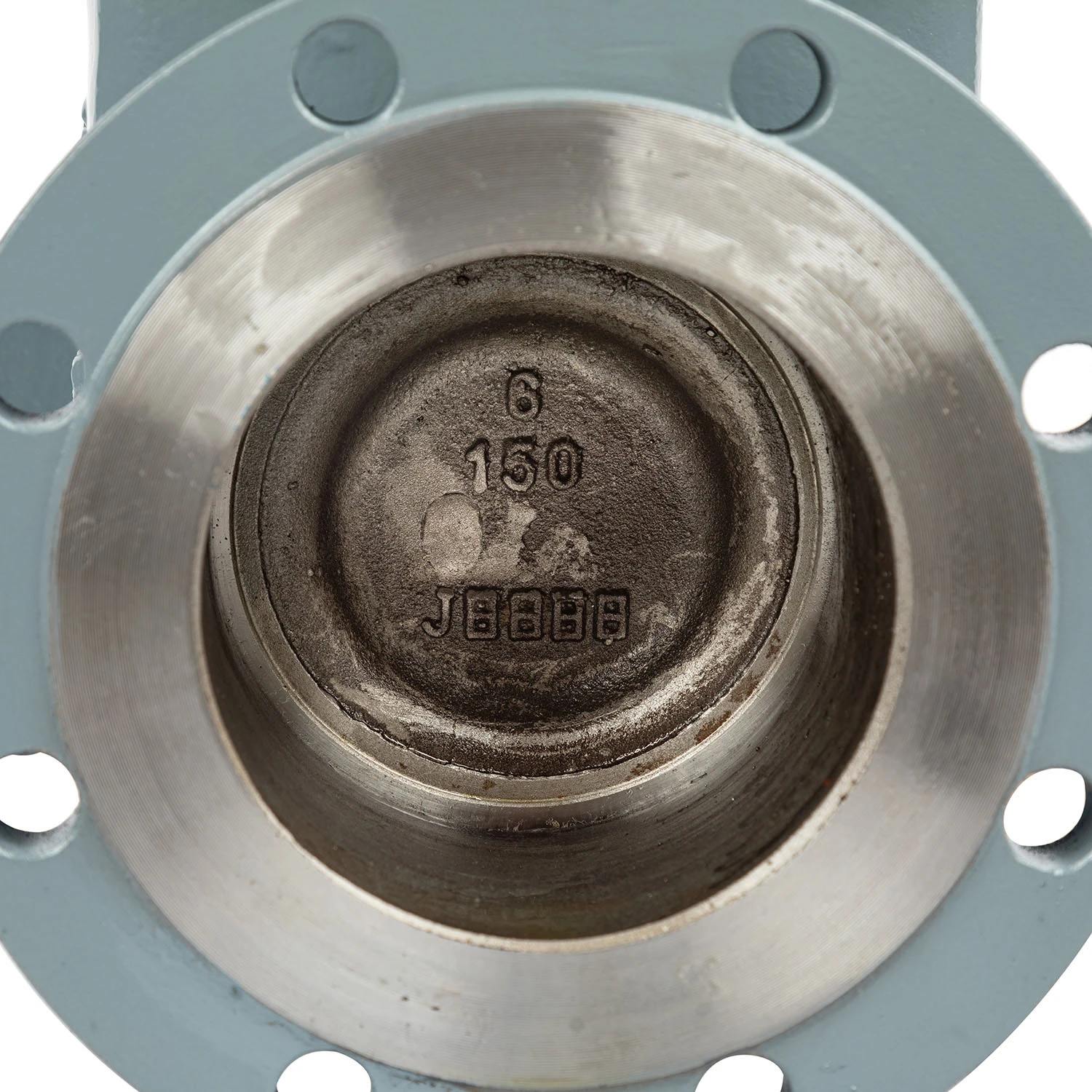
Performance & Engineering
The performance of a 3-inch split flange is fundamentally governed by its ability to withstand internal pressure and external loads while maintaining a leak-tight seal. Force analysis involves calculating hoop stress (σh = PD/2t, where P is pressure, D is inner diameter, and t is wall thickness) and longitudinal stress (σl = PD/4t). The flange’s design must ensure these stresses remain below the material's yield strength, incorporating an appropriate safety factor. Bolt loading is also critical; insufficient bolt torque can lead to gasket failure, while excessive torque can damage the flange or bolts.
Environmental resistance is paramount. In corrosive environments, localized pitting corrosion can initiate at defects in the flange material or beneath the gasket. Galvanic corrosion can occur when dissimilar metals are in contact. Protective coatings (e.g., epoxy coatings, zinc galvanizing) can mitigate corrosion risks. Temperature extremes can affect the material’s mechanical properties; high temperatures can reduce yield strength and creep resistance, while low temperatures can induce brittleness.
Compliance requirements vary by industry. For pressure vessels, ASME Section VIII Division 1 governs flange design and fabrication. For piping systems transporting hazardous materials, standards like API 650 or EN 13445 may apply. Leak testing (e.g., pneumatic testing, hydrostatic testing) is essential to verify the integrity of the flange connection. The acceptance criteria typically specify a maximum allowable leakage rate based on flange size and pressure class.
Technical Specifications
| Parameter | Carbon Steel (A105) | Stainless Steel (304/304L) | Stainless Steel (316/316L) | Alloy Steel (A182 F11) |
|---|---|---|---|---|
| Nominal Diameter (inches) | 3 | 3 | 3 | 3 |
| Pressure Rating (ANSI Class) | 150#, 300#, 600# | 150#, 300#, 600# | 150#, 300#, 600# | 150#, 300#, 600# |
| Material | ASTM A105 | ASTM A182 304/304L | ASTM A182 316/316L | ASTM A182 F11 |
| Tensile Strength (MPa) | 400-550 | 485-725 | 450-790 | 415-550 |
| Yield Strength (MPa) | 250-345 | 210-275 | 205-310 | 275-375 |
| Typical Weight (kg) | 2.5-4.0 | 3.0-5.0 | 3.5-5.5 | 4.0-6.0 |
Failure Mode & Maintenance
Common failure modes for 3-inch split flanges include gasket failure, bolt failure, flange face damage, and corrosion. Gasket failure can occur due to improper installation, exceeding the gasket’s temperature or pressure limits, or chemical incompatibility. Bolt failure can result from over-tightening, under-tightening, fatigue, or corrosion. Flange face damage (e.g., pitting, erosion, scratching) can compromise the gasket’s sealing surface. Corrosion, as previously discussed, weakens the material and can lead to leaks or catastrophic failure.
Preventative maintenance is crucial. Regular visual inspections should be conducted to identify signs of corrosion, leakage, or bolt loosening. Bolt torque should be checked periodically using a calibrated torque wrench and re-tightened as necessary, following manufacturer’s recommendations. Gaskets should be replaced at scheduled intervals or whenever signs of degradation are observed. Flange faces should be cleaned and inspected for damage before gasket replacement. In corrosive environments, consider applying protective coatings and implementing a corrosion monitoring program. If severe pitting or erosion is detected, the flange may require replacement.
Failure analysis should involve a thorough examination of the failed component, including visual inspection, metallurgical analysis, and gasket analysis. Identifying the root cause of the failure is essential to prevent recurrence. Non-destructive testing (NDT) methods such as dye penetrant inspection (DPI) or magnetic particle inspection (MPI) can be used to detect surface cracks or defects.
Industry FAQ
Q: What is the primary advantage of using a split flange over a welded flange?
A: The primary advantage is the ease of installation and removal without requiring welding or cutting of the pipeline. This minimizes downtime for maintenance and allows for easy access to in-line equipment for inspection or replacement. Welded flanges necessitate hot work permits and skilled welders, adding significant cost and complexity.
Q: How do I select the appropriate gasket material for a specific application?
A: Gasket selection depends on the fluid being conveyed, the operating temperature, and the pressure. Consult chemical compatibility charts to ensure the gasket material is resistant to the fluid. Consider the temperature range; some materials become brittle at low temperatures or degrade at high temperatures. Also, consider the pressure rating; higher pressures require more robust gasket materials.
Q: What are the potential consequences of improper bolt torque?
A: Under-torqueing can lead to gasket failure and leakage, as the sealing pressure is insufficient. Over-torqueing can damage the flange, distort the mating surfaces, or strip the bolt threads, also leading to failure. Always use a calibrated torque wrench and follow the manufacturer's specified torque values.
Q: What are the best practices for preventing corrosion in split flange connections?
A: Select corrosion-resistant materials (e.g., stainless steel, alloy steel) for the flange and bolts. Apply protective coatings (e.g., epoxy, galvanizing) to carbon steel flanges. Implement a corrosion monitoring program, especially in aggressive environments. Avoid galvanic corrosion by using compatible metals or insulating dissimilar metals.
Q: How often should I inspect and maintain a 3-inch split flange connection?
A: The inspection frequency depends on the severity of the operating conditions. As a general guideline, conduct visual inspections monthly, check bolt torque quarterly, and replace gaskets annually or as needed based on observed condition. Detailed records should be kept of all inspections and maintenance activities.
Conclusion
The 3-inch split flange remains a cornerstone component in numerous industrial piping systems, prized for its versatility and ease of maintenance. Understanding the intricacies of material science, manufacturing processes, and performance characteristics is crucial for ensuring long-term reliability and preventing catastrophic failures. Proper material selection, precise machining tolerances, correct gasket installation, and meticulous bolt torque control are all paramount to achieving a leak-tight, durable connection.
Moving forward, advancements in gasket materials and coating technologies will continue to enhance the performance and longevity of split flange connections. Increased emphasis on non-destructive testing and predictive maintenance will further minimize downtime and reduce the risk of unexpected failures. Compliance with relevant industry standards (ASME, API, EN, ISO) is essential to ensure safety and regulatory compliance.
-
Top Reasons to Choose a Stainless Steel Flange Check Valve for Industrial Applications
-
flange 8 inch Performance Analysis
-
Ring Flange Performance Analysis
-
3 inch split flange Performance Analysis
-
Tongue and groove flange Performance Analysis
-
Grooved Flange Performance Analysis
-
o ring flange Performance Analysis
-
Ring Flanges Performance Analysis
-
Groove Flange Performance Analysis
-
Tongue and groove flanges Performance Analysis
-
12 inch flange Performance Analysis
-
Header Exhaust Flange Material Science
-
Header Exhaust Flanges Performance Analysis
-
Spacer Ring Flanges Material Science Manufacturing
-
tee flange Performance Analysis
 Afrikaans
 Albanian
 Amharic
 Arabic
 Armenian
 Azerbaijani
 Basque
 Belarusian
 Bengali
 Bosnian
 Bulgarian
 Catalan
 Cebuano
 Corsican
 Croatian
 Czech
Czech
 Danish
 Dutch
Dutch
 Esperanto
 Estonian
 Finnish
 French
 Frisian
 Galician
 Georgian
 German
 Greek
Greek
 Gujarati
 Haitian Creole
 Hausa
Hawaiian
Hausa
Hawaiian
 Hebrew
 Hindi
Hindi
 Miao
Miao
 Hungarian
 Icelandic
 Igbo
Igbo
 Indonesian
 Irish
Irish
 Italian
 Japanese
 Javanese
Kannada
Javanese
Kannada
 Kazakh
 Khmer
Khmer
 Rwandese
 Korean
 Kurdish
 Kyrgyz
 Lao
Lao
 Latin
Latin
 Latvian
 Lithuanian
 Luxembourgish
 Macedonian
 Malgashi
 Malay
Malay
 Malayalam
 Maltese
 Maori
Maori
 Marathi
 Mongolian
 Myanmar
 Nepali
 Norwegian
 Norwegian
 Occitan
 Pashto
 Persian
 Polish
 Portuguese
Punjabi
Portuguese
Punjabi
 Romanian
 Russian
 Samoan
 Scottish Gaelic
 Serbian
 Sesotho
 Shona
Shona
 Sindhi
 Sinhala
 Slovak
 Slovenian
 Somali
 Spanish
 Sundanese
 Swahili
 Swedish
Tagalog
Swedish
Tagalog
 Tajik
Tajik
 Tamil
Tamil
 Tatar
Tatar
 Telugu
 Thai
Thai
 Turkish
 Turkmen
 Ukrainian
 Urdu
Urdu
 Uighur
 Uzbek
Uzbek
 Vietnamese
 Welsh
Welsh
 Bantu
Bantu
 Yiddish
 Yoruba
 Zulu
Zulu
 English