




12 inch flange Performance Analysis
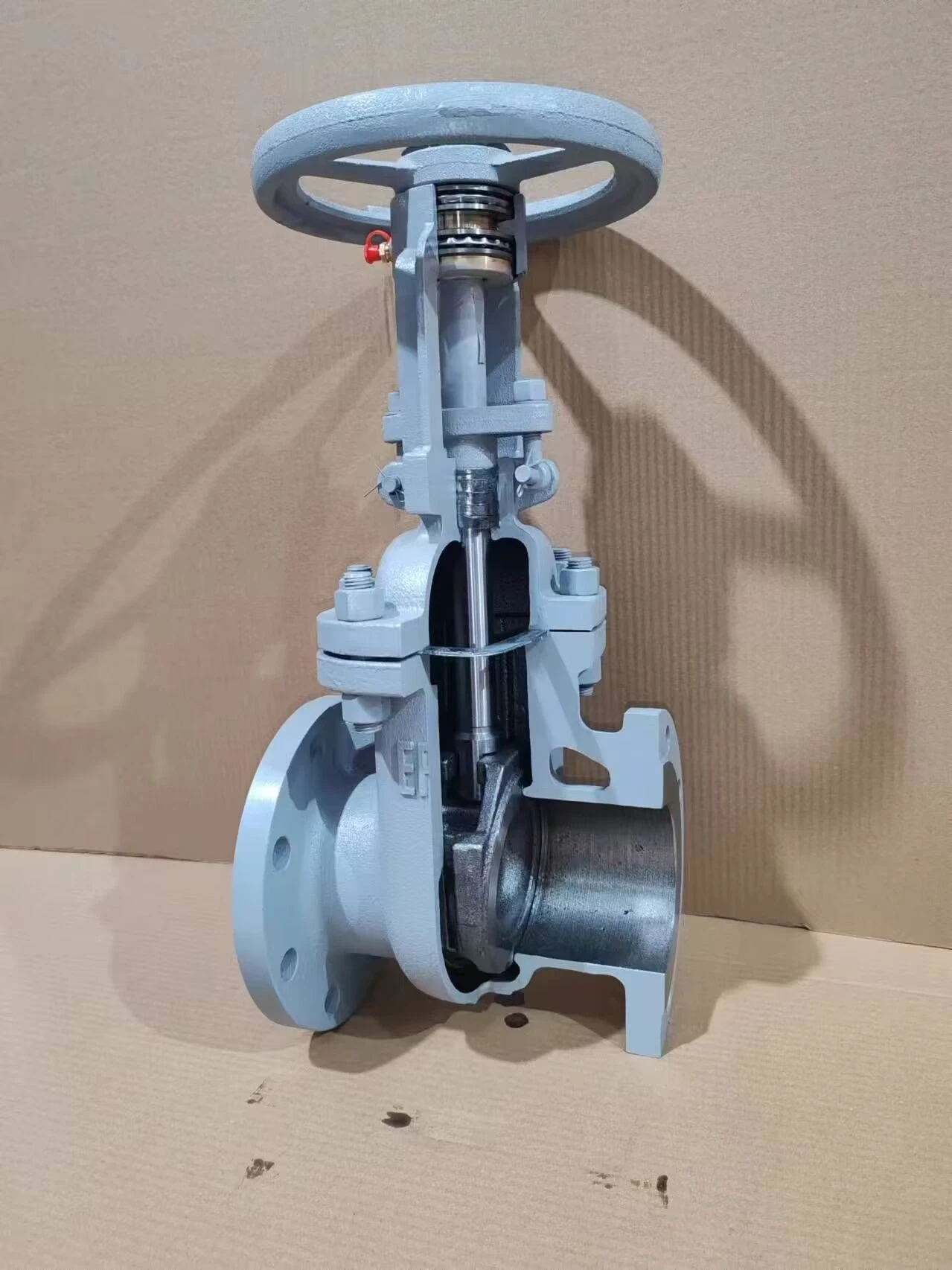
Introduction
The 12-inch flange is a critical component in piping systems used across numerous industries, including oil and gas, chemical processing, water treatment, and power generation. Functionally, it serves as a connecting element between sections of pipe, valves, pumps, and other equipment, enabling ease of assembly, disassembly, and maintenance. Its primary technical position within the industry chain is as an interface element dictating pressure containment and structural integrity. Unlike welded connections, flanged joints allow for non-destructive access for inspection and repair. Core performance characteristics of a 12-inch flange revolve around its pressure rating, material compatibility with the conveyed fluid, dimensional accuracy to ensure proper sealing, and adherence to relevant industry standards. The selection of the appropriate flange type and material directly influences the operational safety and longevity of the entire piping system. The prevalence of 12-inch flanges stems from their ability to handle significant pressures and temperatures while providing a reliable and maintainable connection point, addressing a key pain point in process industries where downtime is costly.
Material Science & Manufacturing
The most common materials for 12-inch flanges are carbon steel (ASTM A105), stainless steel (304/316 grades – ASTM A182), alloy steel (ASTM A182 F22, F91), and increasingly, duplex stainless steels for enhanced corrosion resistance. Carbon steel offers high strength and cost-effectiveness but is susceptible to corrosion. Stainless steels provide superior corrosion resistance, crucial for handling corrosive fluids, but come at a higher material cost. Alloy steels are employed in high-temperature, high-pressure applications, leveraging their creep resistance. Duplex stainless steels offer a combination of strength and corrosion resistance.
Manufacturing processes typically involve forging, casting, or machining from bar stock. Forging is preferred for high-strength applications, imparting a favorable grain structure. Casting offers design flexibility for complex flange geometries. Machining from bar stock is utilized for smaller production runs or specialized flanges. Key parameters controlled during manufacturing include dimensional tolerances (critical for sealing face accuracy), surface finish (to minimize gasket wear), and heat treatment (to achieve desired mechanical properties). Welding procedures (for connecting the flange to the piping) must adhere to ASME Section IX, ensuring weld integrity and preventing defects like porosity and cracking. Non-destructive testing (NDT) methods, such as radiography, ultrasonic testing, and liquid penetrant inspection, are essential to verify weld quality. Material traceability is paramount, requiring detailed records of material certifications and manufacturing processes.
Performance & Engineering
The performance of a 12-inch flange is heavily dictated by its ability to withstand internal pressure, external loads, and thermal stresses. Force analysis, utilizing Finite Element Analysis (FEA), is commonly employed to predict stress distribution within the flange and the connected piping system under various operating conditions. Bolt preload is a critical parameter; insufficient preload leads to gasket leakage, while excessive preload can cause bolt failure. Gasket selection is equally crucial, with materials like non-asbestos fiber, PTFE, and metal gaskets chosen based on fluid compatibility, temperature, and pressure. Environmental resistance considerations include corrosion, erosion, and galvanic corrosion.
Compliance requirements are stringent. ASME B16.5 governs the dimensions and tolerances of flanged joints, ensuring interchangeability and compatibility. Pressure Vessel Code (ASME Section VIII) dictates design and fabrication requirements for pressure-containing components, including flanges. API 6A specifies requirements for flanges used in wellhead and Christmas tree equipment. Functional implementation considerations include proper bolt tightening procedures (torque or tension control) and gasket installation techniques. Proper alignment of the flange faces is essential to achieve a uniform gasket seal. Fatigue analysis is crucial for applications involving cyclic loading, predicting flange life and preventing catastrophic failure.
Technical Specifications
| Parameter | Carbon Steel (A105) | Stainless Steel (304) | Stainless Steel (316) | Alloy Steel (F22) |
|---|---|---|---|---|
| Pressure Rating (lbs) | Up to 2000 | Up to 2000 | Up to 2000 | Up to 3500 |
| Temperature Range (°F) | -20 to 650 | -325 to 650 | -325 to 650 | -50 to 1100 |
| Tensile Strength (psi) | 74,000 | 75,000 | 75,000 | 95,000 |
| Yield Strength (psi) | 36,000 | 30,000 | 30,000 | 45,000 |
| Corrosion Resistance | Low | Good | Excellent | Good |
| Typical Application | Water, Oil | Chemical Processing, Food | Marine, Pharmaceutical | High Temp/Press |
Failure Mode & Maintenance
Common failure modes for 12-inch flanges include gasket failure (leading to leakage), bolt failure (due to corrosion, overload, or fatigue), flange face damage (from erosion, corrosion, or improper tightening), and cracking (from stress corrosion cracking or fatigue). Fatigue cracking typically originates at bolt holes or other stress concentrators. Corrosion can lead to pitting and localized material loss, weakening the flange. Gasket failure can stem from improper material selection, inadequate bolt preload, or thermal cycling.
Maintenance strategies involve regular inspection for signs of corrosion, leakage, or bolt loosening. Bolt torque should be checked periodically and adjusted as necessary. Gaskets should be replaced according to manufacturer recommendations or when leakage is detected. Non-destructive testing (NDT) methods can be used to detect cracks or other defects before they lead to catastrophic failure. Proper coating and painting can provide corrosion protection. In cases of severe corrosion or damage, the flange may require replacement. Preventative maintenance programs, including lubrication of bolts and regular inspections, significantly extend flange lifespan and minimize the risk of costly downtime. Documentation of inspection and maintenance activities is crucial for tracking flange performance and identifying potential issues.
Industry FAQ
Q: What is the difference between a raised face (RF) and a flat face (FF) flange, and how does it impact gasket selection?
A: A raised face flange has a raised circular area around the bolt holes, creating a more concentrated sealing area. Flat face flanges have a flat sealing surface. RF flanges generally offer better sealing performance for higher pressures, but require a gasket with sufficient compressibility to fill the raised area. FF flanges are suitable for lower pressures and are commonly used with flat gaskets like rubber or non-asbestos fiber. Mismatched face types can lead to gasket failure and leakage.
Q: How does temperature affect flange performance and what precautions should be taken?
A: Temperature changes induce thermal expansion and contraction in the flange and piping system, affecting bolt preload and potentially leading to leakage. High temperatures can reduce the strength of the flange material and accelerate corrosion. Low temperatures can cause embrittlement. Precautions include using expansion joints to accommodate thermal movement, selecting appropriate gasket materials for the operating temperature range, and ensuring proper bolt tightening procedures are followed, accounting for thermal stresses.
Q: What are the common causes of bolt failure in flanged joints?
A: Common causes include corrosion (especially in marine or chemical environments), over-tightening (leading to yielding or stripping of threads), under-tightening (resulting in leakage and fatigue loading), and fatigue failure due to cyclic loading. Proper bolt material selection, corrosion protection (coatings or cathodic protection), and adherence to recommended tightening procedures are critical to prevent bolt failure.
Q: How important is gasket material selection, and what factors should be considered?
A: Gasket material selection is paramount. Factors to consider include fluid compatibility (the gasket must resist degradation from the fluid), temperature and pressure ratings, gasket resilience (ability to maintain sealing force over time), and cost. Incorrect gasket selection can lead to leakage, corrosion, and system failure. Consult gasket manufacturers’ data sheets and compatibility charts to ensure the appropriate gasket is chosen for the specific application.
Q: What are the key considerations when specifying a flange for a corrosive environment?
A: For corrosive environments, selecting a corrosion-resistant flange material (such as stainless steel, duplex stainless steel, or alloy steels) is essential. Coatings can provide additional protection. Gasket material must also be compatible with the corrosive fluid. Consider galvanic corrosion potential when using dissimilar metals. Regular inspections and maintenance are crucial to detect and address corrosion before it compromises flange integrity.
Conclusion
The 12-inch flange, despite its seemingly simple function, represents a complex engineering component demanding careful consideration of material science, manufacturing processes, and operational parameters. Its reliability is inextricably linked to the overall integrity of the piping system. The selection process must consider not only initial cost but also long-term maintenance, potential failure modes, and adherence to stringent industry standards.
Continued advancements in materials, such as high-alloy stainless steels and composite materials, are driving innovations in flange design and performance. Future trends will likely focus on optimizing flange geometry to reduce stress concentration, implementing advanced monitoring systems to detect corrosion and fatigue, and developing more sustainable and environmentally friendly flange materials. A thorough understanding of these principles is crucial for engineers and procurement professionals responsible for ensuring the safe and efficient operation of critical infrastructure.
-
Top Reasons to Choose a Stainless Steel Flange Check Valve for Industrial Applications
-
flange 8 inch Performance Analysis
-
Ring Flange Performance Analysis
-
3 inch split flange Performance Analysis
-
Tongue and groove flange Performance Analysis
-
Grooved Flange Performance Analysis
-
o ring flange Performance Analysis
-
Ring Flanges Performance Analysis
-
Groove Flange Performance Analysis
-
Tongue and groove flanges Performance Analysis
-
12 inch flange Performance Analysis
-
Header Exhaust Flange Material Science
-
Header Exhaust Flanges Performance Analysis
-
Spacer Ring Flanges Material Science Manufacturing
-
tee flange Performance Analysis
 Afrikaans
 Albanian
 Amharic
 Arabic
 Armenian
 Azerbaijani
 Basque
 Belarusian
 Bengali
 Bosnian
 Bulgarian
 Catalan
 Cebuano
 Corsican
 Croatian
 Czech
Czech
 Danish
 Dutch
Dutch
 Esperanto
 Estonian
 Finnish
 French
 Frisian
 Galician
 Georgian
 German
 Greek
Greek
 Gujarati
 Haitian Creole
 Hausa
Hawaiian
Hausa
Hawaiian
 Hebrew
 Hindi
Hindi
 Miao
Miao
 Hungarian
 Icelandic
 Igbo
Igbo
 Indonesian
 Irish
Irish
 Italian
 Japanese
 Javanese
Kannada
Javanese
Kannada
 Kazakh
 Khmer
Khmer
 Rwandese
 Korean
 Kurdish
 Kyrgyz
 Lao
Lao
 Latin
Latin
 Latvian
 Lithuanian
 Luxembourgish
 Macedonian
 Malgashi
 Malay
Malay
 Malayalam
 Maltese
 Maori
Maori
 Marathi
 Mongolian
 Myanmar
 Nepali
 Norwegian
 Norwegian
 Occitan
 Pashto
 Persian
 Polish
 Portuguese
Punjabi
Portuguese
Punjabi
 Romanian
 Russian
 Samoan
 Scottish Gaelic
 Serbian
 Sesotho
 Shona
Shona
 Sindhi
 Sinhala
 Slovak
 Slovenian
 Somali
 Spanish
 Sundanese
 Swahili
 Swedish
Tagalog
Swedish
Tagalog
 Tajik
Tajik
 Tamil
Tamil
 Tatar
Tatar
 Telugu
 Thai
Thai
 Turkish
 Turkmen
 Ukrainian
 Urdu
Urdu
 Uighur
 Uzbek
Uzbek
 Vietnamese
 Welsh
Welsh
 Bantu
Bantu
 Yiddish
 Yoruba
 Zulu
Zulu
 English