




Custom Flange Performance Analysis
Introduction
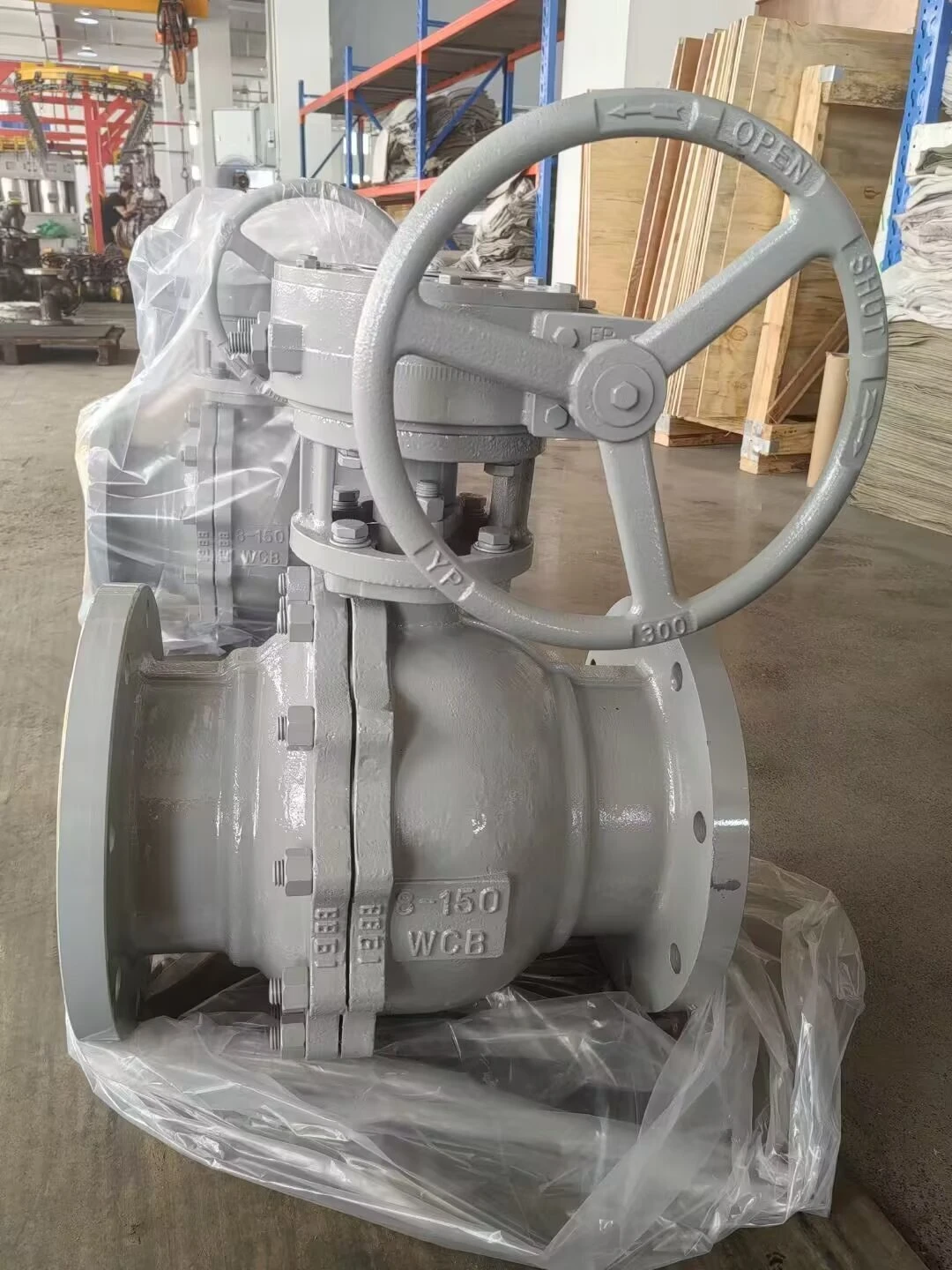
Custom flanges are critical components in piping systems, serving as connectors between sections of pipe, valves, pumps, and other equipment. Unlike standard flanges, custom flanges are engineered and manufactured to meet specific application requirements, often deviating from standard dimensions, materials, or drilling patterns. Their technical position within the industry chain is as a highly specialized fabrication, typically occurring after material selection and preliminary system design, but prior to final system assembly. Core performance characteristics revolve around maintaining leak-tight seals under specified pressure and temperature conditions, resisting corrosion from process media, and ensuring structural integrity to withstand mechanical loads. The demand for custom flanges stems from industries requiring bespoke solutions – petrochemical processing, power generation, pharmaceutical manufacturing, and specialized chemical handling. The increasing complexity of process systems and stringent safety regulations drive the need for precisely engineered, application-specific flanges. A key pain point within the industry lies in ensuring dimensional accuracy and material traceability, coupled with the challenge of qualifying vendors capable of consistently delivering flanges meeting demanding specifications and certifications.
Material Science & Manufacturing
The selection of materials for custom flanges is paramount and directly influences performance. Common materials include carbon steel (ASTM A105, A36), stainless steel (304/304L, 316/316L, duplex stainless steels), alloy steels (e.g., A182 F22, F91), and specialized alloys like Inconel or Hastelloy for highly corrosive environments. Carbon steel offers cost-effectiveness and good mechanical strength, but is susceptible to corrosion. Stainless steels provide enhanced corrosion resistance, particularly 316/316L due to the addition of molybdenum. Alloy steels deliver high-temperature strength and creep resistance. Manufacturing processes vary based on flange size, material, and complexity. Forging is widely used for larger, high-pressure flanges, offering superior grain structure and mechanical properties. Castings are suitable for complex geometries and larger quantities, but require careful quality control to avoid porosity. Plate cutting and welding are employed for smaller flanges or those requiring exotic materials. Critical parameters during manufacturing include precise machining of sealing surfaces to achieve required flatness and surface finish (Ra values typically < 1.6 μm), accurate drilling of bolt holes to ensure proper alignment, and heat treatment to relieve residual stresses and optimize material properties. Welding procedures require qualified welders and adherence to standards like ASME Section IX, with full radiographic inspection to detect defects. Post-weld heat treatment (PWHT) is often necessary to restore ductility and prevent cracking. Material certificates confirming chemical composition and mechanical properties are essential for traceability.
Performance & Engineering
The performance of a custom flange is governed by its ability to withstand internal pressure, external loads, and environmental factors. Force analysis involves calculating hoop stress (derived from internal pressure) and stresses induced by bolted connections. Bolt load calculations are critical to ensure adequate gasket compression and prevent leakage. Finite Element Analysis (FEA) is frequently employed to model stress distribution under complex loading conditions, identifying potential failure points and optimizing flange geometry. Environmental resistance encompasses corrosion, erosion, and temperature extremes. Material selection directly impacts corrosion performance, with passivation layers forming on stainless steels to resist oxidation. Coating systems (e.g., epoxy, PTFE) may be applied to enhance corrosion resistance in harsh environments. For high-temperature applications, creep resistance and thermal expansion considerations are vital. Compliance requirements are extensive, depending on the industry and application. Pressure Vessel Code (ASME Section VIII Division 1) provides design rules for pressure-containing components. API 6A specifies requirements for flanges used in wellhead and Christmas tree equipment. NACE MR0175/ISO 15156 addresses material selection for hydrogen service to prevent hydrogen embrittlement. Leak testing, typically using pneumatic or hydrostatic pressure, is essential to verify flange integrity. Gasket selection is also crucial, considering the process fluid, temperature, and pressure.
Technical Specifications
| Parameter | Unit | Typical Range (Carbon Steel) | Typical Range (316L Stainless Steel) |
|---|---|---|---|
| Nominal Diameter | inches | 1/2 – 48 | 1/2 – 48 |
| Pressure Rating | psi | 150 – 2500 | 150 – 2500 |
| Material | - | ASTM A105, A36 | ASTM A240, 316/316L |
| Surface Finish (Sealing Face) | Ra, μm | 1.6 – 3.2 | 1.6 – 3.2 |
| Bolt Hole Diameter | inches | Variable, based on flange rating & size | Variable, based on flange rating & size |
| Flange Facing | - | Raised Face (RF), Flat Face (FF) | Raised Face (RF), Flat Face (FF) |
Failure Mode & Maintenance
Custom flanges are susceptible to several failure modes. Corrosion is a primary concern, particularly in aggressive chemical environments. Localized corrosion (pitting, crevice corrosion) can lead to through-wall penetration and leakage. Fatigue cracking can occur under cyclic loading, especially at bolt holes. Stress corrosion cracking (SCC) arises from the combined action of tensile stress and a corrosive environment. Gasket failure can result from improper installation, material incompatibility, or exceeding temperature/pressure limits. Bolted joint failure can occur due to bolt loosening, corrosion, or exceeding the yield strength of the bolts. Maintenance strategies involve regular visual inspections for signs of corrosion, leakage, or damage. Torque checks on bolts are essential to maintain proper gasket compression. Protective coatings should be inspected for damage and repaired as needed. In highly corrosive environments, periodic non-destructive testing (NDT), such as radiographic or ultrasonic testing, can detect hidden defects. Replacement of flanges exhibiting significant corrosion or cracking is crucial to prevent catastrophic failure. Proper storage of spare flanges is also important to prevent corrosion during long-term storage; this includes appropriate packaging and environmental control. Detailed maintenance records are vital for tracking flange performance and identifying recurring issues.
Industry FAQ
Q: What is the impact of material traceability on flange quality and compliance?
A: Material traceability is paramount for ensuring flange quality and regulatory compliance. Full traceability, documented through material certificates and mill test reports, verifies that the flange material meets specified chemical composition and mechanical property requirements. This is crucial for applications subject to stringent regulations (e.g., ASME, API, NACE) and for maintaining accountability in case of failure analysis. Lack of traceability can lead to rejection during audits and potential safety risks.
Q: How does the flange facing type (RF, FF) affect sealing performance?
A: The flange facing type dictates the contact geometry between the flanges and the gasket. Raised Face (RF) flanges provide a narrow, concentrated contact area, ideal for high-pressure applications where high gasket stress is required. Flat Face (FF) flanges offer a wider contact area and are suitable for lower-pressure applications or where mating flanges are dissimilar materials. Incorrect facing selection can lead to gasket failure and leakage. Compatibility between facing types is essential – RF cannot be mated with FF.
Q: What are the key considerations when selecting a gasket material for a custom flange?
A: Gasket material selection depends on several factors: process fluid, temperature, pressure, and flange material. Compatibility with the process fluid is critical to prevent degradation and swelling. Temperature dictates the gasket's operating limits. Pressure determines the required gasket stress. Flange material influences galvanic corrosion potential. Common gasket materials include non-asbestos fiber, PTFE, graphite, and elastomeric seals (e.g., Viton, EPDM). A thorough understanding of these factors is crucial for optimal sealing performance.
Q: What is the role of Non-Destructive Testing (NDT) in flange inspection?
A: Non-Destructive Testing (NDT) methods are vital for detecting flaws and anomalies in flanges without causing damage. Radiographic testing (RT) identifies internal defects like porosity and cracks. Ultrasonic testing (UT) can detect both surface and subsurface defects. Liquid penetrant testing (PT) reveals surface cracks and discontinuities. Magnetic particle testing (MT) detects surface and near-surface flaws in ferromagnetic materials. NDT is particularly important for critical applications and for verifying weld quality.
Q: How does thermal expansion affect bolted flange joint integrity?
A: Thermal expansion differences between the flange, piping, and bolts can induce stresses in the bolted joint. This can lead to bolt loosening, gasket compression loss, and potential leakage. Proper flange design must account for thermal expansion, including using expansion joints or flexible connectors to accommodate movement. Bolt materials with appropriate thermal expansion coefficients should be selected. Careful torque control during installation and periodic re-tightening are also essential.
Conclusion
Custom flanges represent a critical, yet often underestimated, component in complex industrial systems. Their proper selection, fabrication, and maintenance are fundamental to ensuring process safety, reliability, and longevity. The nuanced interplay between material science, manufacturing precision, and rigorous engineering analysis dictates the performance and lifespan of these essential connectors. Understanding the potential failure modes and implementing proactive maintenance strategies are essential to minimizing downtime and preventing catastrophic incidents.
The future of custom flange technology will likely focus on advanced materials offering enhanced corrosion resistance and high-temperature performance, coupled with improved manufacturing techniques like additive manufacturing to enable more complex geometries and shorter lead times. Furthermore, the integration of digital technologies – such as sensor-based monitoring and predictive maintenance algorithms – will play an increasingly important role in optimizing flange performance and extending service life. A continued emphasis on strict adherence to industry standards and comprehensive material traceability will remain paramount.
-
Top Reasons to Choose a Stainless Steel Flange Check Valve for Industrial Applications
-
forging flanges Material Performance
-
Round Flange Performance Analysis
-
Round Flanges Performance Analysis
-
Custom Flange Performance Analysis
-
DN 40 Flange Performance Analysis
-
8 inch flange Performance Analysis
-
angle ring flanges Performance Analysis
-
Flat Flanges Performance Analysis
-
Full Face Flange Performance Analysis
-
Full Face Flanges Performance Analysis
-
flange 8 inch Performance Analysis
-
Ring Flange Performance Analysis
-
3 inch split flange Performance Analysis
-
Tongue and groove flange Performance Analysis
 Afrikaans
 Albanian
 Amharic
 Arabic
 Armenian
 Azerbaijani
 Basque
 Belarusian
 Bengali
 Bosnian
 Bulgarian
 Catalan
 Cebuano
 Corsican
 Croatian
 Czech
Czech
 Danish
 Dutch
Dutch
 Esperanto
 Estonian
 Finnish
 French
 Frisian
 Galician
 Georgian
 German
 Greek
Greek
 Gujarati
 Haitian Creole
 Hausa
Hawaiian
Hausa
Hawaiian
 Hebrew
 Hindi
Hindi
 Miao
Miao
 Hungarian
 Icelandic
 Igbo
Igbo
 Indonesian
 Irish
Irish
 Italian
 Japanese
 Javanese
Kannada
Javanese
Kannada
 Kazakh
 Khmer
Khmer
 Rwandese
 Korean
 Kurdish
 Kyrgyz
 Lao
Lao
 Latin
Latin
 Latvian
 Lithuanian
 Luxembourgish
 Macedonian
 Malgashi
 Malay
Malay
 Malayalam
 Maltese
 Maori
Maori
 Marathi
 Mongolian
 Myanmar
 Nepali
 Norwegian
 Norwegian
 Occitan
 Pashto
 Persian
 Polish
 Portuguese
Punjabi
Portuguese
Punjabi
 Romanian
 Russian
 Samoan
 Scottish Gaelic
 Serbian
 Sesotho
 Shona
Shona
 Sindhi
 Sinhala
 Slovak
 Slovenian
 Somali
 Spanish
 Sundanese
 Swahili
 Swedish
Tagalog
Swedish
Tagalog
 Tajik
Tajik
 Tamil
Tamil
 Tatar
Tatar
 Telugu
 Thai
Thai
 Turkish
 Turkmen
 Ukrainian
 Urdu
Urdu
 Uighur
 Uzbek
Uzbek
 Vietnamese
 Welsh
Welsh
 Bantu
Bantu
 Yiddish
 Yoruba
 Zulu
Zulu
 English