




china diaphragm solenoid valve Performance Analysis
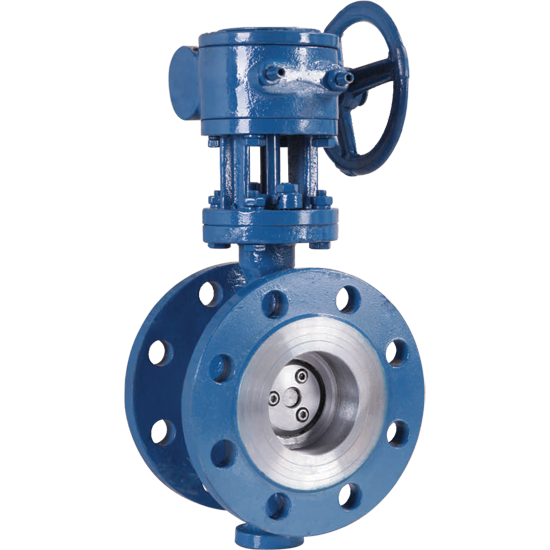
Introduction
China diaphragm solenoid valves are electromechanically operated valves used to control the flow of liquids or gases. They represent a critical component in numerous industrial processes, including chemical processing, water treatment, pharmaceutical manufacturing, and automated irrigation systems. These valves utilize a solenoid, an electromagnetic coil, to actuate a diaphragm which then opens or closes the valve orifice. Their widespread adoption stems from their fast response times, reliable operation, and suitability for remote control and automation. Unlike other solenoid valve types (e.g., poppet, spool), diaphragm valves excel in applications requiring tight shut-off and handling of viscous or corrosive media. A core industry pain point centers around ensuring material compatibility with diverse fluids to prevent premature failure and maintain process integrity. This guide provides a detailed technical overview of these valves, encompassing material science, manufacturing processes, performance characteristics, failure modes, and relevant industry standards.
Material Science & Manufacturing
The construction of a china diaphragm solenoid valve hinges on the careful selection of materials to ensure durability and compatibility. The valve body is commonly manufactured from brass (CZ121, H58), stainless steel (304, 316), or engineered plastics like Polyvinylidene Fluoride (PVDF) and Polypropylene (PP), dictated by the intended application and fluid media. Brass offers good machinability and cost-effectiveness for general-purpose applications, however, corrosion resistance is limited. Stainless steel (particularly 316) provides superior corrosion resistance, crucial for handling aggressive chemicals. PVDF and PP are excellent choices for highly corrosive environments but may have limitations in pressure and temperature resistance. The diaphragm itself is typically manufactured from elastomers like Nitrile Butadiene Rubber (NBR), Ethylene Propylene Diene Monomer (EPDM), Viton (FKM), or PTFE. NBR is cost-effective and compatible with oils but susceptible to degradation by ozone and UV light. EPDM offers excellent resistance to water, steam, and weathering. Viton exhibits superior resistance to high temperatures and aggressive chemicals. PTFE provides the broadest chemical compatibility but is relatively expensive. Manufacturing processes involve precision casting or machining of the valve body, followed by surface treatment (e.g., passivation for stainless steel). The diaphragm is molded using compression or injection molding. Assembly requires tight tolerances to ensure leak-proof operation. Critical parameter control during molding involves maintaining consistent rubber compound mixing ratios, mold temperature, and cure time to achieve optimal diaphragm elasticity and sealing properties. Weld integrity in stainless steel bodies is paramount and requires rigorous non-destructive testing (NDT) such as radiographic inspection.
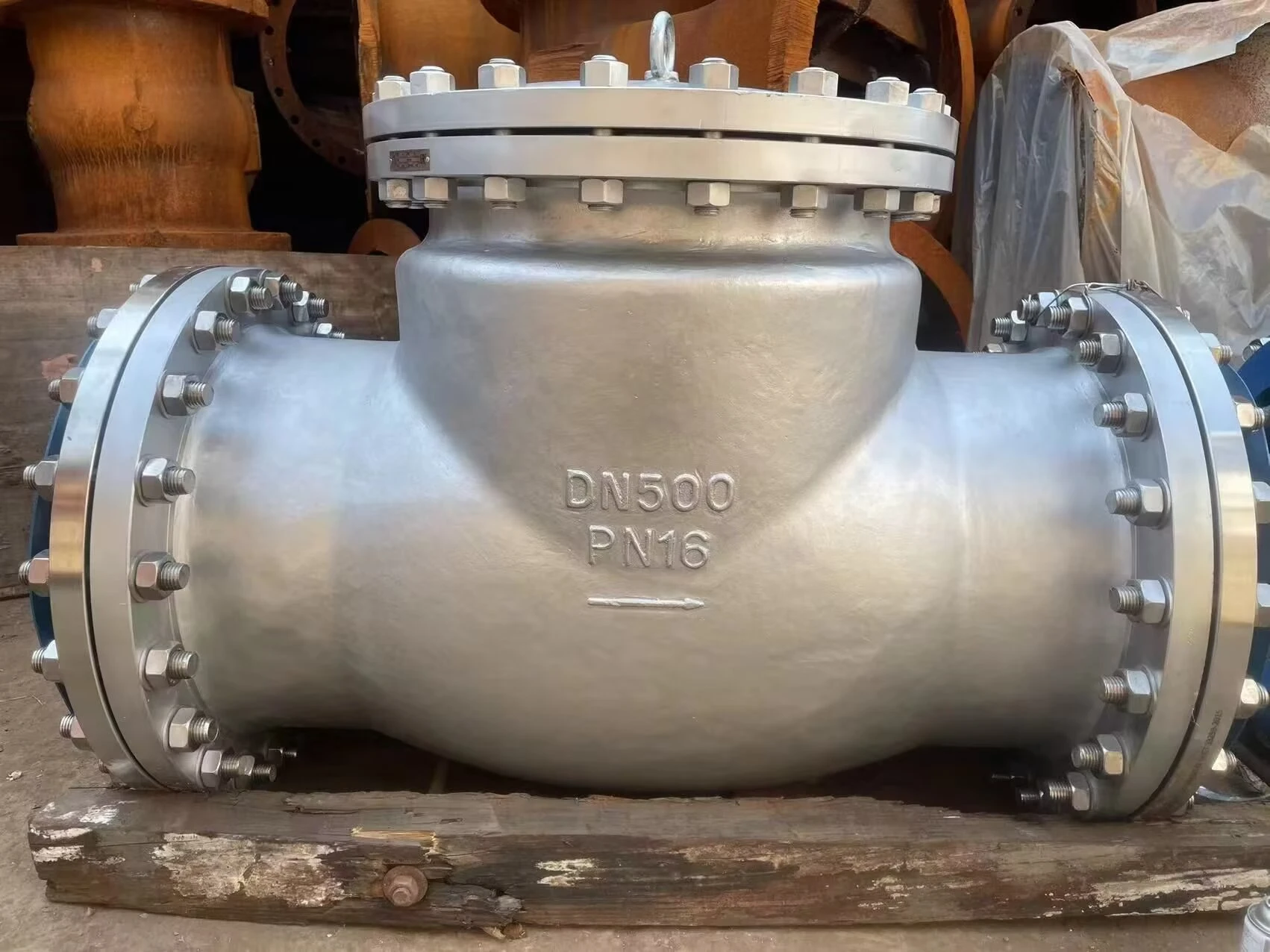
Performance & Engineering
Diaphragm solenoid valve performance is fundamentally governed by fluid dynamics and electromagnetic principles. Force analysis centers on the solenoid’s pull force overcoming the spring force and the fluid pressure acting on the diaphragm. Key engineering considerations include minimizing the valve’s response time, maximizing flow coefficient (Cv), and ensuring tight shut-off. Response time is influenced by the solenoid’s inductance, the mass of the moving components (diaphragm and armature), and the fluid viscosity. A higher inductance slows down the current build-up and thus increases the response time. The Cv value, representing the flow capacity, is dependent on the orifice size and the pressure drop across the valve. Environmental resistance is critical; valves operating in harsh environments must be protected against corrosion, dust, and extreme temperatures. Compliance requirements are stringent, particularly in applications involving potable water or food processing, necessitating adherence to NSF/ANSI 61 standards. Functional implementation often requires integration with programmable logic controllers (PLCs) and sensor networks for automated control. Pressure rating is crucial and is dictated by the body material and diaphragm design. Fatigue analysis is performed on the diaphragm to predict its lifespan under cyclic loading. Proper venting of the solenoid enclosure is essential to prevent moisture ingress and coil damage. Understanding Bernoulli's principle is fundamental to optimizing valve design for flow efficiency.
Technical Specifications
| Parameter | Unit | Brass Body, NBR Diaphragm | Stainless Steel 316 Body, Viton Diaphragm |
|---|---|---|---|
| Operating Pressure Range | PSI | 0-100 | 0-500 |
| Temperature Range (Fluid) | °F | 32-176 | 20-250 |
| Voltage Range (Coil) | VDC | 12-24 | 12-24 |
| Orifice Size | mm | 2.0 | 3.0 |
| Response Time (Open/Close) | ms | 20-30 | 15-25 |
| Leakage Rate (Bubble Tight) | SCCM | <1 | <0.1 |
Failure Mode & Maintenance
Diaphragm solenoid valves are susceptible to several failure modes. Diaphragm failure, characterized by cracking, tearing, or hardening, is the most common. This can result from chemical attack, fatigue due to repeated cycling, or excessive pressure surges. Coil burnout occurs due to overheating, often caused by overvoltage, short circuits, or insufficient venting. Valve body corrosion, particularly in brass valves exposed to corrosive fluids, can lead to leakage and eventual failure. Foreign particle contamination can obstruct the orifice, hindering flow and potentially damaging the diaphragm. Solenoid sticking, caused by rust or debris accumulation, prevents proper valve operation. Maintenance strategies involve regular inspection of the diaphragm for signs of degradation, cleaning the valve body to remove accumulated debris, and checking the coil resistance to identify potential burnout. Preventative maintenance includes implementing filtration systems to remove contaminants from the fluid stream and ensuring proper voltage regulation. In case of diaphragm failure, replacement with a compatible diaphragm material is essential. If the coil is burnt out, it must be replaced with a coil of the correct voltage and power rating. Regular lubrication of the valve stem (if applicable) can prevent sticking. Performing hydrostatic testing annually can verify valve body integrity.
Industry FAQ
Q: What are the key differences between NBR and Viton diaphragms regarding chemical compatibility?
A: NBR diaphragms are cost-effective and suitable for petroleum-based fluids, but they exhibit poor resistance to ozone, UV radiation, and many aggressive chemicals like strong acids and ketones. Viton diaphragms, conversely, offer superior resistance to a broader range of chemicals, including strong acids, solvents, and high temperatures. While more expensive, Viton ensures longer service life and reduces the risk of failure in demanding applications.
Q: How does the material of the valve body affect its pressure rating?
A: The valve body material directly influences the pressure rating. Brass bodies generally have lower pressure ratings compared to stainless steel due to their lower tensile strength and susceptibility to deformation. Stainless steel (316) offers significantly higher pressure capacity, making it suitable for high-pressure applications. Engineering plastics like PVDF offer intermediate pressure ratings.
Q: What is the impact of fluid viscosity on the valve's response time and flow rate?
A: Increased fluid viscosity leads to a slower response time as the viscous drag opposes the diaphragm's movement. Higher viscosity also reduces the flow rate (Cv) for a given pressure drop. Valves designed for viscous fluids typically have larger orifices and more powerful solenoids to overcome the increased resistance.
Q: How can I prevent solenoid coil burnout?
A: Preventing solenoid coil burnout requires ensuring proper voltage regulation, providing adequate ventilation to dissipate heat, and protecting the coil from moisture ingress. Using a surge suppressor can also protect against voltage spikes. Regularly inspecting the coil's insulation for damage is crucial.
Q: What certifications should I look for when selecting a diaphragm solenoid valve for potable water applications?
A: For potable water applications, it’s crucial to select a valve certified to NSF/ANSI 61 standards, which ensures that the materials used in the valve do not leach harmful contaminants into the water supply. Additionally, certifications like WRAS (UK) or DVGW (Germany) may be required depending on the specific region.
Conclusion
China diaphragm solenoid valves are versatile and essential components in numerous industrial automation systems. Their performance is intrinsically linked to the careful selection of materials, precise manufacturing processes, and adherence to rigorous engineering principles. Understanding the potential failure modes, such as diaphragm degradation and coil burnout, is critical for implementing effective preventative maintenance strategies and ensuring long-term reliability.
Selecting the optimal valve configuration requires a comprehensive assessment of the application’s specific requirements, including fluid compatibility, pressure and temperature conditions, and regulatory compliance. Future advancements in diaphragm materials and solenoid technology will likely focus on enhancing chemical resistance, reducing energy consumption, and improving response times, further solidifying the role of these valves in modern industrial processes.
-
Top Reasons to Choose a Stainless Steel Flange Check Valve for Industrial Applications
-
DN50 Flange Performance Analysis
-
double flanged butterfly valve Performance Analysis
-
forged flanges Performance Analysis
-
4 blind flange Performance Engineering
-
3 flanged ball valve Performance Analysis
-
2 threaded flange Performance Analysis
-
4 ball valve flanged Performance Analysis
-
90 degree flange elbow Performance Analysis
-
Custom Flanges Performance Analysis
-
DN40 Flange Performance Analysis
-
double flange butterfly valve Performance Analysis
-
Double Flanged Couplings Performance Analysis
-
double flanged butterfly valves Material Science
-
forged flange Performance Analysis
 Afrikaans
 Albanian
 Amharic
 Arabic
 Armenian
 Azerbaijani
 Basque
 Belarusian
 Bengali
 Bosnian
 Bulgarian
 Catalan
 Cebuano
 Corsican
 Croatian
 Czech
Czech
 Danish
 Dutch
Dutch
 Esperanto
 Estonian
 Finnish
 French
 Frisian
 Galician
 Georgian
 German
 Greek
Greek
 Gujarati
 Haitian Creole
 Hausa
Hawaiian
Hausa
Hawaiian
 Hebrew
 Hindi
Hindi
 Miao
Miao
 Hungarian
 Icelandic
 Igbo
Igbo
 Indonesian
 Irish
Irish
 Italian
 Japanese
 Javanese
Kannada
Javanese
Kannada
 Kazakh
 Khmer
Khmer
 Rwandese
 Korean
 Kurdish
 Kyrgyz
 Lao
Lao
 Latin
Latin
 Latvian
 Lithuanian
 Luxembourgish
 Macedonian
 Malgashi
 Malay
Malay
 Malayalam
 Maltese
 Maori
Maori
 Marathi
 Mongolian
 Myanmar
 Nepali
 Norwegian
 Norwegian
 Occitan
 Pashto
 Persian
 Polish
 Portuguese
Punjabi
Portuguese
Punjabi
 Romanian
 Russian
 Samoan
 Scottish Gaelic
 Serbian
 Sesotho
 Shona
Shona
 Sindhi
 Sinhala
 Slovak
 Slovenian
 Somali
 Spanish
 Sundanese
 Swahili
 Swedish
Tagalog
Swedish
Tagalog
 Tajik
Tajik
 Tamil
Tamil
 Tatar
Tatar
 Telugu
 Thai
Thai
 Turkish
 Turkmen
 Ukrainian
 Urdu
Urdu
 Uighur
 Uzbek
Uzbek
 Vietnamese
 Welsh
Welsh
 Bantu
Bantu
 Yiddish
 Yoruba
 Zulu
Zulu
 English