




china double disc gate valves Performance Analysis
Introduction
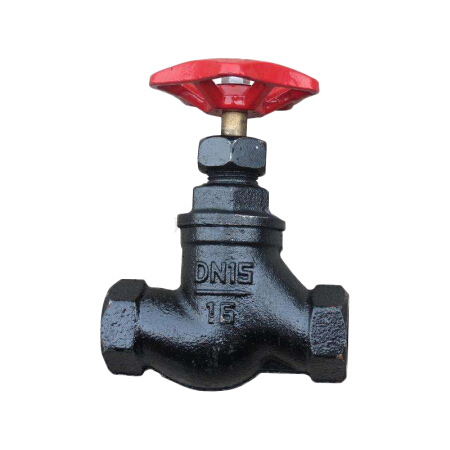
China double disc gate valves represent a critical component in fluid handling systems across numerous industries including oil and gas, water treatment, chemical processing, and power generation. Functionally, these valves utilize two circular discs that move perpendicularly to the flow path to either fully open or completely shut off fluid passage. Their design distinguishes them from wedge gate valves, offering a streamlined flow path and reduced pressure drop when fully open. This article provides a comprehensive technical overview of these valves, covering material science, manufacturing processes, performance characteristics, potential failure modes, and relevant industry standards. The primary advantages of double disc gate valves lie in their relatively low torque requirements for operation, efficient shut-off capability, and suitability for handling various fluids, including those containing suspended solids. A significant pain point in the industry revolves around ensuring long-term sealing integrity in aggressive chemical environments and mitigating the risk of disc erosion due to abrasive media.
Material Science & Manufacturing
The core materials used in the construction of China double disc gate valves dictate their performance and longevity. Disc materials typically comprise stainless steel (304, 316, or duplex), cast iron, or alloy steels, chosen based on the fluid's corrosivity and temperature. Valve body materials commonly include cast iron (ASTM A126 Class B), ductile iron (ASTM A536 Grade 65-45-12), or carbon steel (ASTM A216 WCB). Seat materials frequently consist of elastomers like EPDM, NBR, or PTFE, selected for their chemical resistance and sealing properties. Manufacturing commences with the casting or forging of the valve body. The discs are typically machined from solid stock, ensuring dimensional accuracy and surface finish. Critical parameters during disc machining include flatness, concentricity, and surface roughness, impacting sealing performance. Welding procedures, if employed (e.g., for attaching flanges), must adhere to ASME Section IX standards to guarantee weld integrity and prevent cracking. Surface treatments, such as epoxy coating or zinc galvanizing, are applied to the valve body to enhance corrosion resistance. Quality control at each manufacturing stage is paramount, including non-destructive testing (NDT) methods like liquid penetrant inspection (LPI) and ultrasonic testing (UT) to detect flaws in the casting and welds. Precise parameter control during heat treatment is crucial to achieve the desired mechanical properties in the metallic components.
Performance & Engineering
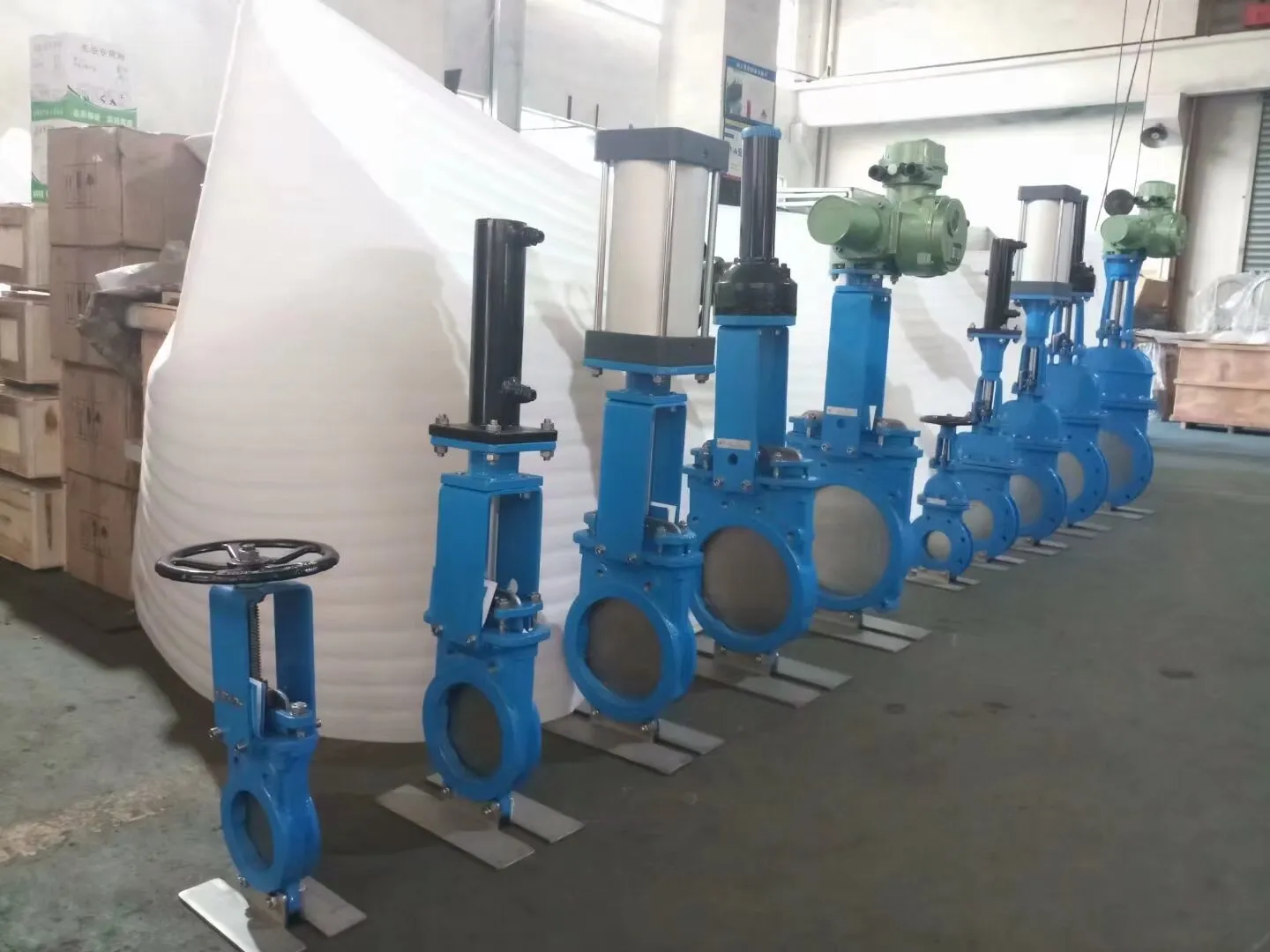
Performance evaluation of double disc gate valves centers around their flow characteristics, sealing capability, and mechanical strength. Flow analysis utilizes Computational Fluid Dynamics (CFD) to optimize disc geometry and minimize pressure loss. The Cv (flow coefficient) value is a key metric, indicating the valve's capacity to pass a given flow rate at a specific pressure drop. Sealing performance is assessed according to API 598 standards, measuring leakage rates under defined test conditions. The disc-to-seat contact area and the applied seating force are critical design parameters influencing sealing effectiveness. Finite Element Analysis (FEA) is employed to analyze stress distribution within the valve body and discs under various operating pressures and temperatures. This analysis helps identify potential stress concentration points and optimize the valve’s structural integrity. Compliance requirements vary based on the intended application; for example, valves used in potable water systems must comply with NSF/ANSI 61 standards to ensure they do not leach harmful contaminants. Environmental resistance is assessed through exposure testing to simulated conditions, including saltwater spray, UV radiation, and temperature cycling. The valve's operational torque is a significant engineering consideration, particularly for larger valves, influencing actuator sizing and operating force requirements. Force analysis focuses on the mechanical loads exerted on the stem and disc during operation, dictating material selection and component design.
Technical Specifications
| Parameter | Metric/Unit | Standard | Typical Range (China Manufacturing) |
|---|---|---|---|
| Valve Size (DN) | mm | GB/T 21465 | 50 - 600 |
| Pressure Rating (PN) | MPa | GB/T 21465 | 1.0 - 16.0 |
| Body Material | - | ASTM A536, A216 WCB | Ductile Iron, Carbon Steel |
| Disc Material | - | ASTM A351 | Stainless Steel 304/316 |
| Seat Material | - | - | EPDM, NBR, PTFE |
| Operating Temperature | °C | - | -20 to +120 (dependent on seat material) |
Failure Mode & Maintenance
Failure modes in double disc gate valves commonly include seat erosion, disc corrosion, stem packing leakage, and body cracking. Seat erosion arises from the impingement of abrasive particles in the fluid stream, leading to a loss of sealing effectiveness. Corrosion occurs when the valve materials are exposed to corrosive fluids, weakening the components and causing leakage. Stem packing leakage results from degradation of the packing material due to temperature cycling or chemical attack. Body cracking can occur due to excessive pressure, thermal stress, or material defects. Failure analysis utilizes techniques like metallographic examination, fracture surface analysis, and chemical composition analysis to determine the root cause of failures. Preventive maintenance involves regular inspection of the valve body for corrosion and cracks, periodic replacement of the stem packing, and lubrication of the stem threads. Disc and seat replacement may be necessary if erosion or corrosion is severe. Hydrostatic testing should be performed periodically to verify the valve's pressure integrity. Implementing a robust preventative maintenance schedule, coupled with operator training on proper valve operation, is crucial to minimizing downtime and extending valve life. For critical applications, consider utilizing corrosion-resistant alloys and employing protective coatings to mitigate the risk of material degradation.
Industry FAQ
Q: What are the primary advantages of a double disc gate valve over a wedge gate valve in abrasive slurry applications?
A: Double disc gate valves generally exhibit better performance in abrasive slurry applications due to the streamlined flow path offered by the twin discs. This reduced turbulence minimizes erosion compared to the wedge-shaped obstruction in wedge gate valves, leading to extended service life and reduced maintenance requirements. The reduced contact area also minimizes particle entrapment.
Q: How do different seat materials impact the chemical compatibility of the valve?
A: Seat material selection is paramount for chemical compatibility. EPDM offers good resistance to many chemicals but is not suitable for strong acids or petroleum-based fluids. NBR provides excellent resistance to oil and fuels but has limited resistance to ozone and weathering. PTFE offers broad chemical compatibility but can exhibit creep at high temperatures and pressures.
Q: What are the typical leakage rates considered acceptable for a double disc gate valve, and how are they measured?
A: Acceptable leakage rates are defined by API 598 standards, varying based on valve size and pressure class. Typically, a Class VI leakage rate (bubble-tight) is desired for critical applications, measured in terms of cubic centimeters per minute (cc/min) of air leakage at a specified pressure drop. More lenient leakage classes are acceptable for less demanding services.
Q: What are the key considerations when selecting a valve actuator for a large-diameter double disc gate valve?
A: Actuator selection requires careful consideration of the valve's operating torque, stem thrust, and speed requirements. Factors include the fluid type, pressure drop, and expected operating frequency. Electric actuators are suitable for remote operation and precise control, while pneumatic actuators offer faster response times and lower cost. Gear operators are an option for manual operation, particularly for large valves.
Q: How does temperature affect the performance and longevity of the valve’s elastomeric seals?
A: Elevated temperatures can accelerate the degradation of elastomeric seals, leading to reduced elasticity, increased creep, and ultimately, leakage. Low temperatures can cause seals to become brittle and less effective. Material selection must account for the operating temperature range, and periodic seal replacement is recommended to maintain sealing integrity.
Conclusion
China double disc gate valves offer a robust and reliable solution for fluid control across a broad spectrum of industrial applications. Their design provides efficient shut-off and reduced pressure drop, making them a preferred choice in many scenarios. However, careful consideration must be given to material selection, manufacturing quality, and maintenance practices to ensure long-term performance and prevent premature failure. Understanding the potential failure modes and implementing a proactive maintenance program are crucial for maximizing valve life and minimizing operational disruptions.
The continued development of advanced materials and manufacturing techniques will further enhance the performance and durability of these valves. Future trends may include the integration of smart valve technologies, such as predictive maintenance sensors and remote monitoring capabilities, to optimize valve operation and reduce lifecycle costs. Adherence to international standards and rigorous quality control throughout the manufacturing process remain fundamental to delivering high-quality, reliable double disc gate valves to the global market.
-
Top Reasons to Choose a Stainless Steel Flange Check Valve for Industrial Applications
-
DN50 Flange Performance Analysis
-
double flanged butterfly valve Performance Analysis
-
forged flanges Performance Analysis
-
4 blind flange Performance Engineering
-
3 flanged ball valve Performance Analysis
-
2 threaded flange Performance Analysis
-
4 ball valve flanged Performance Analysis
-
90 degree flange elbow Performance Analysis
-
Custom Flanges Performance Analysis
-
DN40 Flange Performance Analysis
-
double flange butterfly valve Performance Analysis
-
Double Flanged Couplings Performance Analysis
-
double flanged butterfly valves Material Science
-
forged flange Performance Analysis
 Afrikaans
 Albanian
 Amharic
 Arabic
 Armenian
 Azerbaijani
 Basque
 Belarusian
 Bengali
 Bosnian
 Bulgarian
 Catalan
 Cebuano
 Corsican
 Croatian
 Czech
Czech
 Danish
 Dutch
Dutch
 Esperanto
 Estonian
 Finnish
 French
 Frisian
 Galician
 Georgian
 German
 Greek
Greek
 Gujarati
 Haitian Creole
 Hausa
Hawaiian
Hausa
Hawaiian
 Hebrew
 Hindi
Hindi
 Miao
Miao
 Hungarian
 Icelandic
 Igbo
Igbo
 Indonesian
 Irish
Irish
 Italian
 Japanese
 Javanese
Kannada
Javanese
Kannada
 Kazakh
 Khmer
Khmer
 Rwandese
 Korean
 Kurdish
 Kyrgyz
 Lao
Lao
 Latin
Latin
 Latvian
 Lithuanian
 Luxembourgish
 Macedonian
 Malgashi
 Malay
Malay
 Malayalam
 Maltese
 Maori
Maori
 Marathi
 Mongolian
 Myanmar
 Nepali
 Norwegian
 Norwegian
 Occitan
 Pashto
 Persian
 Polish
 Portuguese
Punjabi
Portuguese
Punjabi
 Romanian
 Russian
 Samoan
 Scottish Gaelic
 Serbian
 Sesotho
 Shona
Shona
 Sindhi
 Sinhala
 Slovak
 Slovenian
 Somali
 Spanish
 Sundanese
 Swahili
 Swedish
Tagalog
Swedish
Tagalog
 Tajik
Tajik
 Tamil
Tamil
 Tatar
Tatar
 Telugu
 Thai
Thai
 Turkish
 Turkmen
 Ukrainian
 Urdu
Urdu
 Uighur
 Uzbek
Uzbek
 Vietnamese
 Welsh
Welsh
 Bantu
Bantu
 Yiddish
 Yoruba
 Zulu
Zulu
 English