




china pipe union fitting Performance Analysis

Introduction
China pipe union fittings are critical components in piping systems, facilitating the connection and disconnection of pipe sections for maintenance, inspection, or modification. These fittings, typically manufactured from carbon steel, stainless steel, or brass, are integral to industries including oil and gas, chemical processing, water treatment, and HVAC. Their technical position within the supply chain is foundational – a seemingly simple component dictating system reliability and leak prevention. Core performance characteristics revolve around pressure rating, temperature resistance, material compatibility with conveyed fluids, and thread integrity. The selection of appropriate union fittings is directly linked to preventing costly downtime and ensuring process safety. Understanding the nuances of their construction, material science, and operational limitations is crucial for effective system design and longevity.
Material Science & Manufacturing
The predominant material for china pipe union fittings is carbon steel (ASTM A53 Grade B, ASTM A106 Grade B), chosen for its cost-effectiveness and adequate strength for many applications. Stainless steel (304/304L, 316/316L) is employed in corrosive environments demanding superior chemical resistance. Brass (ASTM B16, C36000) is often used for low-pressure, potable water systems. Manufacturing commonly involves hot forging or machining from bar stock. Forging, typically employing a die forging process, yields higher strength due to grain flow aligning with stress patterns. Machining offers tighter tolerances and is suitable for smaller production runs and specialized configurations. Threading, either through CNC machining or roll threading, is a critical step. Roll threading, favored for its work hardening effect, results in increased thread strength and fatigue resistance. Heat treatment, such as quenching and tempering, is applied to carbon steel forgings to achieve desired hardness and ductility. Surface treatment, including galvanization or epoxy coating, provides corrosion protection. Key parameter control focuses on maintaining precise thread dimensions (conformance to NPT or BSP standards), ensuring proper material composition, and verifying heat treatment effectiveness via hardness testing (Rockwell C scale). The presence of inclusions or porosity in the material can compromise structural integrity. Chemical composition verification utilizes techniques like Optical Emission Spectroscopy (OES) to confirm adherence to specified alloy standards.
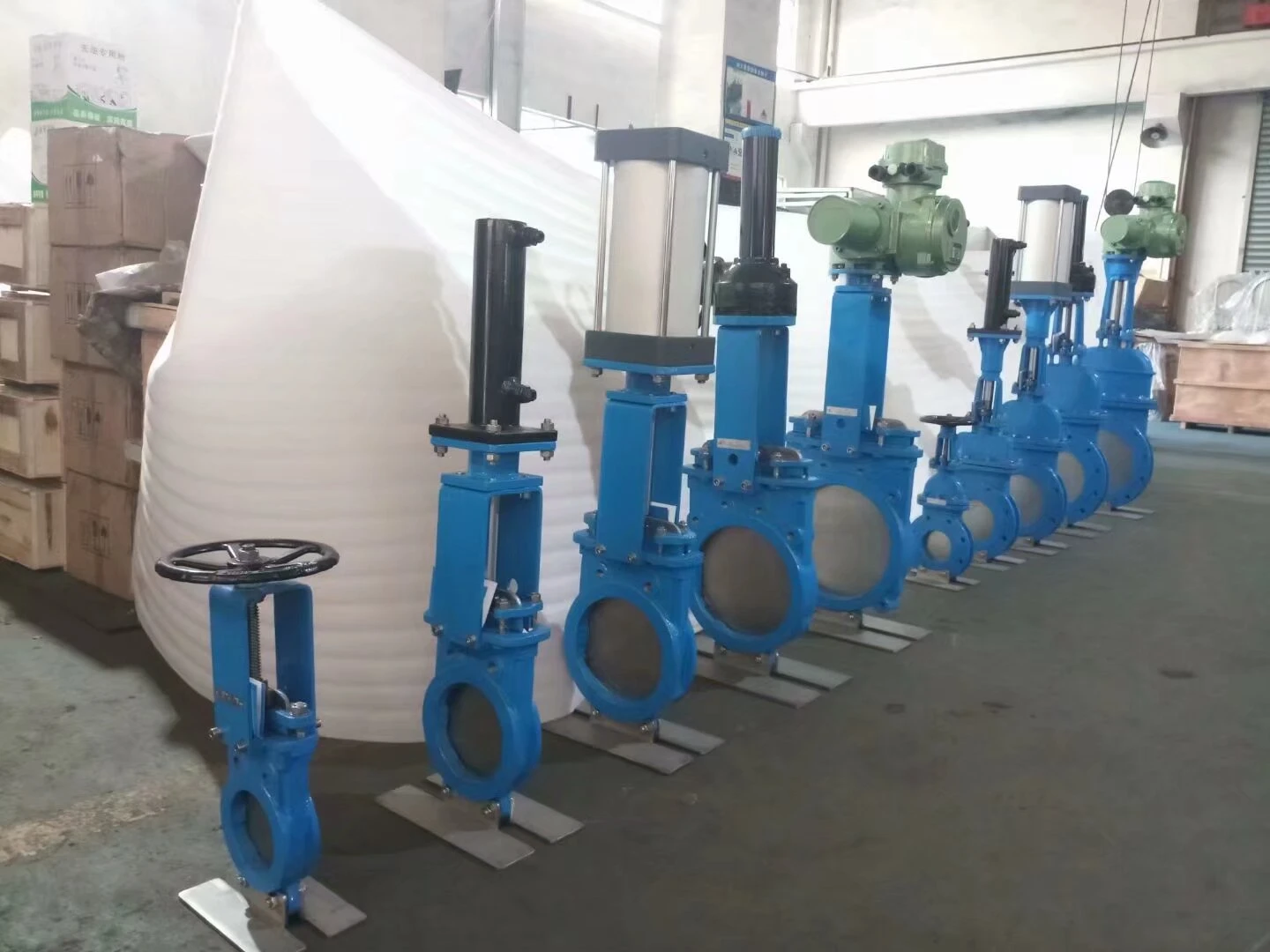
Performance & Engineering
The performance of a china pipe union fitting is dictated by its ability to withstand internal pressure, external loads, and cyclical stress. Force analysis involves calculating hoop stress in the fitting body and thread stress during assembly and operation. Pressure testing to 1.5 times the rated working pressure is standard practice. Environmental resistance is crucial. Carbon steel fittings are susceptible to corrosion in humid or chemically aggressive environments; stainless steel provides significantly improved resistance. Temperature extremes impact material strength and sealing performance. Below-zero temperatures can lead to brittle fracture in certain steel grades. Above-temperature limits, creep and stress relaxation become concerns. Compliance requirements depend on the application. Potable water systems demand compliance with NSF/ANSI 61, ensuring materials do not leach harmful contaminants. Oil and gas applications require adherence to API 5L and other relevant industry standards. The functional implementation relies on the integrity of the sealing mechanism – typically a tapered thread and a sealant (PTFE tape or pipe dope). Proper thread engagement and tightening torque are paramount to prevent leaks. Finite Element Analysis (FEA) is increasingly used during the design phase to optimize geometry and minimize stress concentrations, particularly in high-pressure applications. Consideration must be given to thermal expansion and contraction, and appropriate expansion loops or flexible connectors should be incorporated into the piping system to accommodate these movements.
Technical Specifications
| Parameter | Carbon Steel (A53 Grade B) | Stainless Steel (316/316L) | Brass (C36000) |
|---|---|---|---|
| Maximum Working Pressure (PSI) | Up to 2000 | Up to 3000 | Up to 1000 |
| Temperature Range (°F) | -20 to 300 | -300 to 600 | -60 to 250 |
| Tensile Strength (MPa) | 400-550 | 517-620 | 400-450 |
| Yield Strength (MPa) | 250-350 | 276-345 | 205-276 |
| Corrosion Resistance | Moderate (Requires Coating) | Excellent | Good (for potable water) |
| Thread Standard | NPT/BSP | NPT/BSP | NPT/BSP |
Failure Mode & Maintenance
Common failure modes in china pipe union fittings include thread stripping, leakage due to sealant degradation, fatigue cracking from cyclical loading, and corrosion-induced weakening. Thread stripping typically occurs from over-tightening or the use of incompatible thread types. Leakage arises from sealant breakdown due to temperature fluctuations or chemical attack. Fatigue cracking is prevalent in systems subject to vibration or pressure surges. Corrosion manifests as pitting or general metal loss, reducing the fitting’s wall thickness and pressure-holding capacity. Failure analysis should include visual inspection for cracks or corrosion, non-destructive testing (NDT) such as liquid penetrant inspection (LPI) or ultrasonic testing (UT) to detect subsurface flaws, and metallurgical examination to identify material defects. Preventative maintenance involves regular inspection of fittings for signs of corrosion or damage, periodic re-application of sealant, and adherence to recommended tightening torques. Lubrication of threads during assembly reduces friction and minimizes the risk of galling. In corrosive environments, cathodic protection or the use of sacrificial anodes can mitigate corrosion. Replace fittings exhibiting significant corrosion or thread damage. Document all maintenance activities and inspections for traceability and performance monitoring.
Industry FAQ
Q: What is the impact of thread type (NPT vs. BSP) on leak tightness?
A: NPT (National Pipe Tapered) threads create a mechanical seal through tapered threads and require sealant. BSP (British Standard Parallel) threads rely on a sealant and a tighter clamping force. Incorrect matching of thread types will inevitably lead to leaks, even with sealant. It’s crucial to verify the thread standard during procurement and installation.
Q: How does material selection affect the long-term reliability of a union fitting in a seawater application?
A: Carbon steel is unsuitable for seawater applications due to rapid corrosion. Stainless steel (316/316L) offers significantly improved corrosion resistance, but even it can suffer from pitting corrosion over time. Super alloys, such as duplex stainless steel or titanium, are required for extended service life in harsh seawater environments.
Q: What is the recommended tightening torque for a 1-inch carbon steel union fitting?
A: The recommended tightening torque varies depending on the thread engagement length and lubricant used. However, a general guideline is 20-30 ft-lbs for a 1-inch carbon steel NPT fitting. Over-tightening can strip the threads, while under-tightening can lead to leaks. Always refer to the manufacturer’s specifications.
Q: What are the implications of using incompatible sealants with different process fluids?
A: Using an incompatible sealant can lead to swelling, degradation, or chemical reactions, resulting in leaks or contamination of the process fluid. PTFE tape is generally compatible with most chemicals, but it’s essential to consult a chemical compatibility chart to verify compatibility with specific fluids. Some fluids require specialized sealants.
Q: How can I identify early signs of fatigue failure in a union fitting subjected to cyclical pressure fluctuations?
A: Early signs of fatigue failure include hairline cracks around the thread roots or body of the fitting. Regular visual inspection with a magnifying glass can help detect these cracks. Ultrasonic testing (UT) can be used to detect subsurface cracks that are not visible to the naked eye. A decrease in system pressure over time, without any apparent leaks, can also indicate fatigue cracking.
Conclusion
China pipe union fittings, while seemingly mundane, are fundamental to the integrity and reliability of piping systems across diverse industries. Their performance is intricately linked to material science, manufacturing precision, and adherence to rigorous engineering principles. Understanding the nuances of thread standards, material compatibility, and potential failure modes is essential for optimal system design and long-term operational efficiency.
Future advancements in union fitting technology will likely focus on the development of self-sealing mechanisms, improved corrosion resistance through novel alloy compositions, and the integration of smart sensors for real-time monitoring of pressure, temperature, and structural health. Proactive maintenance, coupled with continuous material and design improvements, will remain paramount in mitigating risks and maximizing the lifespan of these critical components.
-
Top Reasons to Choose a Stainless Steel Flange Check Valve for Industrial Applications
-
DN50 Flange Performance Analysis
-
double flanged butterfly valve Performance Analysis
-
forged flanges Performance Analysis
-
4 blind flange Performance Engineering
-
3 flanged ball valve Performance Analysis
-
2 threaded flange Performance Analysis
-
4 ball valve flanged Performance Analysis
-
90 degree flange elbow Performance Analysis
-
Custom Flanges Performance Analysis
-
DN40 Flange Performance Analysis
-
double flange butterfly valve Performance Analysis
-
Double Flanged Couplings Performance Analysis
-
double flanged butterfly valves Material Science
-
forged flange Performance Analysis
 Afrikaans
 Albanian
 Amharic
 Arabic
 Armenian
 Azerbaijani
 Basque
 Belarusian
 Bengali
 Bosnian
 Bulgarian
 Catalan
 Cebuano
 Corsican
 Croatian
 Czech
Czech
 Danish
 Dutch
Dutch
 Esperanto
 Estonian
 Finnish
 French
 Frisian
 Galician
 Georgian
 German
 Greek
Greek
 Gujarati
 Haitian Creole
 Hausa
Hawaiian
Hausa
Hawaiian
 Hebrew
 Hindi
Hindi
 Miao
Miao
 Hungarian
 Icelandic
 Igbo
Igbo
 Indonesian
 Irish
Irish
 Italian
 Japanese
 Javanese
Kannada
Javanese
Kannada
 Kazakh
 Khmer
Khmer
 Rwandese
 Korean
 Kurdish
 Kyrgyz
 Lao
Lao
 Latin
Latin
 Latvian
 Lithuanian
 Luxembourgish
 Macedonian
 Malgashi
 Malay
Malay
 Malayalam
 Maltese
 Maori
Maori
 Marathi
 Mongolian
 Myanmar
 Nepali
 Norwegian
 Norwegian
 Occitan
 Pashto
 Persian
 Polish
 Portuguese
Punjabi
Portuguese
Punjabi
 Romanian
 Russian
 Samoan
 Scottish Gaelic
 Serbian
 Sesotho
 Shona
Shona
 Sindhi
 Sinhala
 Slovak
 Slovenian
 Somali
 Spanish
 Sundanese
 Swahili
 Swedish
Tagalog
Swedish
Tagalog
 Tajik
Tajik
 Tamil
Tamil
 Tatar
Tatar
 Telugu
 Thai
Thai
 Turkish
 Turkmen
 Ukrainian
 Urdu
Urdu
 Uighur
 Uzbek
Uzbek
 Vietnamese
 Welsh
Welsh
 Bantu
Bantu
 Yiddish
 Yoruba
 Zulu
Zulu
 English