




soft seal gate valve Performance Analysis
Introduction
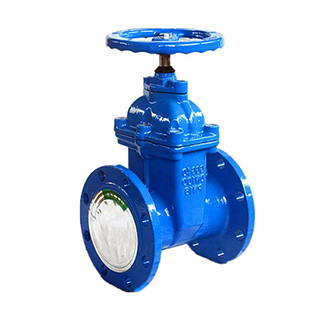
Soft seal gate valves represent a critical component in fluid handling systems across a diverse range of industries, including water treatment, chemical processing, and HVAC. Unlike traditional metal-seated gate valves, these valves utilize a resilient elastomeric seal pressed against a gate to achieve bubble-tight shutoff. This design significantly reduces leakage, making them ideal for applications involving sensitive or hazardous media. Positioned within the fluid control chain, they regulate flow, often serving as isolation valves for maintenance or process control. Core performance characteristics center around minimizing pressure drop in the open position and ensuring reliable, leak-free sealing in the closed position. The selection of appropriate materials, particularly the elastomeric seal, is paramount for chemical compatibility and longevity, addressing a key pain point in many process industries where aggressive fluids are prevalent. The inherent design, while providing superior sealing, introduces considerations around temperature and pressure limitations compared to metal-seated valves.
Material Science & Manufacturing
The body material for soft seal gate valves typically comprises ductile iron (ASTM A536-83), stainless steel (304/316 – ASTM A351), or carbon steel (ASTM A105), chosen based on fluid compatibility and pressure requirements. Ductile iron offers a cost-effective solution for water applications, while stainless steel is favored for corrosive environments. The gate itself is frequently manufactured from bronze (ASTM B584) or stainless steel, providing a smooth sealing surface. However, the defining characteristic is the soft seal material. Common elastomers include EPDM (ethylene propylene diene monomer), NBR (nitrile butadiene rubber), Viton (fluoroelastomer), and PTFE (polytetrafluoroethylene). EPDM is widely used for water and some chemical applications due to its excellent resistance to weathering and ozone. NBR offers good oil resistance, while Viton excels in high-temperature and aggressive chemical environments. PTFE provides the broadest chemical resistance but has lower resilience. Manufacturing processes involve casting (for the body), machining (for the gate and disc), and elastomer molding. Precise machining tolerances are critical for achieving a tight seal. The elastomer is typically bonded or mechanically retained within the valve body. Parameter control during elastomer molding – including temperature, pressure, and cure time – directly impacts the seal’s physical properties (hardness, tensile strength, elongation) and its ability to maintain a tight shutoff over its service life. Welding processes, if utilized for body construction, must adhere to ASME Section IX standards to ensure structural integrity.
Performance & Engineering
Performance of soft seal gate valves is heavily influenced by the pressure-temperature ratings, flow coefficient (Cv), and seat leakage characteristics. Force analysis is critical in the design, focusing on the forces exerted by the gate against the resilient seat. These forces must be sufficient to maintain a seal under pressure but not excessive enough to cause premature wear or deformation of the elastomer. Environmental resistance, particularly resistance to UV radiation, ozone, and temperature extremes, is crucial for outdoor installations or applications involving varying process conditions. Compliance requirements are governed by standards such as NSF/ANSI 61 for potable water systems, and API 623 for specific applications in the oil and gas industry. Functional implementation involves considerations of actuator type (manual, pneumatic, electric) and control schemes. Cavitation, a common issue in throttling applications, can erode the gate and seat, leading to leakage. Proper valve sizing and avoiding throttling are essential to mitigate this risk. The resilience of the soft seat introduces a degree of hysteresis – the seat deformation isn't perfectly elastic – which impacts the tightness of the seal over repeated cycles. Finite element analysis (FEA) is frequently employed during the design phase to optimize the valve geometry and minimize stress concentrations, thereby enhancing its structural integrity and sealing performance.
Technical Specifications
| Parameter | Specification (Typical) | Units | Testing Standard |
|---|---|---|---|
| Maximum Working Pressure | 250 | PSI | API 598 |
| Temperature Range | -20 to 180 | °F | ASTM E29 |
| Seat Leakage (Class VI) | 0.1 | mL/min/inch of seat diameter | FCI 70-2 |
| Connection Type | Flanged (ANSI B16.5) / Threaded (ANSI B1.20.1) | - | - |
| Body Material | Ductile Iron (ASTM A536-83) | - | ASTM A536 |
| Gate Material | Bronze (ASTM B584) | - | ASTM B584 |
Failure Mode & Maintenance
Common failure modes in soft seal gate valves include seat erosion due to particulate matter in the fluid, elastomer degradation from chemical attack or UV exposure, gate sticking due to corrosion or buildup of deposits, and stem packing failure leading to leakage. Fatigue cracking can occur in the gate or body under cyclic loading, particularly if the valve is frequently operated near its pressure limit. Delamination of the elastomer from the valve body can result in complete loss of sealing. Oxidation of metal components, particularly in corrosive environments, weakens the structure. Maintenance involves regular inspection of the seat, gate, and stem packing. Seat replacement is typically required when leakage exceeds acceptable limits or when the elastomer exhibits signs of degradation (cracking, swelling, or hardening). Lubrication of the stem and gate is essential to prevent sticking. Proper cleaning to remove deposits is also crucial. Regular torque checks on flange bolts are necessary to maintain a proper seal. When replacing the elastomer, ensure the new seal is compatible with the process fluid and that the installation procedure adheres to the manufacturer's recommendations. For severely corroded valves, complete replacement may be necessary to prevent catastrophic failure. Preventative maintenance schedules should be implemented based on the specific application and operating conditions.
Industry FAQ
Q: What are the key differences between a soft seal gate valve and a metal-seated gate valve in terms of leakage and application?
A: Metal-seated gate valves generally exhibit higher leakage rates than soft seal valves. While metal seats can handle higher temperatures and pressures, they rely on tight machining tolerances and surface finish for sealing. Soft seal valves, utilizing an elastomeric seal, achieve bubble-tight shutoff, making them ideal for applications where zero leakage is critical – such as handling toxic or potable fluids. However, the elastomer limits the maximum operating temperature and pressure.
Q: How does the choice of elastomer affect the valve's performance and longevity?
A: The elastomer dictates the valve’s chemical compatibility and temperature range. Incorrect elastomer selection leads to swelling, hardening, cracking, and ultimately, seal failure. For example, using NBR with ozone-containing fluids will cause rapid degradation. It’s crucial to consult chemical compatibility charts and select an elastomer specifically rated for the intended application.
Q: What steps can be taken to minimize cavitation damage in a soft seal gate valve?
A: Cavitation occurs when pressure drops below the vapor pressure of the fluid, forming bubbles that collapse and erode the valve components. To minimize this, ensure the valve is properly sized for the flow rate, avoid throttling the valve, and maintain a sufficient upstream pressure. Installing a diffuser or reducing the fluid velocity can also help.
Q: What is the recommended maintenance schedule for a soft seal gate valve in a potable water application?
A: A typical maintenance schedule includes visual inspection for leaks and corrosion every six months, lubrication of the stem annually, and elastomer replacement every 2-5 years, depending on water quality and operating frequency. Regular backwashing to remove sediment and debris is also recommended.
Q: How do I determine if a soft seal gate valve is suitable for a high-temperature application?
A: The maximum operating temperature is dictated by the elastomer’s temperature limit. Viton offers the highest temperature resistance among common elastomers. Always check the valve’s datasheet and ensure the elastomer is rated for the expected operating temperature, considering both fluid and ambient temperatures. Furthermore, elevated temperatures can accelerate elastomer degradation, shortening its lifespan.
Conclusion
Soft seal gate valves provide a critical solution for applications demanding tight shutoff and minimal leakage. Their performance, however, is intrinsically linked to meticulous material selection – particularly the elastomer – and proper maintenance practices. Understanding the failure modes associated with elastomer degradation, erosion, and corrosion is crucial for ensuring long-term reliability and preventing costly downtime.
Looking ahead, advancements in elastomer technology, such as the development of new materials with enhanced chemical resistance and temperature stability, will continue to expand the application range of soft seal gate valves. Further integration of predictive maintenance techniques, leveraging sensor data to monitor valve performance and anticipate failures, will optimize maintenance schedules and reduce lifecycle costs. The continued emphasis on environmental regulations and energy efficiency will further drive the adoption of these valves in applications where minimizing fluid loss and emissions is paramount.
-
Top Reasons to Choose a Stainless Steel Flange Check Valve for Industrial Applications
-
DN50 Flange Performance Analysis
-
double flanged butterfly valve Performance Analysis
-
forged flanges Performance Analysis
-
4 blind flange Performance Engineering
-
3 flanged ball valve Performance Analysis
-
2 threaded flange Performance Analysis
-
4 ball valve flanged Performance Analysis
-
90 degree flange elbow Performance Analysis
-
Custom Flanges Performance Analysis
-
DN40 Flange Performance Analysis
-
double flange butterfly valve Performance Analysis
-
Double Flanged Couplings Performance Analysis
-
double flanged butterfly valves Material Science
-
forged flange Performance Analysis
 Afrikaans
 Albanian
 Amharic
 Arabic
 Armenian
 Azerbaijani
 Basque
 Belarusian
 Bengali
 Bosnian
 Bulgarian
 Catalan
 Cebuano
 Corsican
 Croatian
 Czech
Czech
 Danish
 Dutch
Dutch
 Esperanto
 Estonian
 Finnish
 French
 Frisian
 Galician
 Georgian
 German
 Greek
Greek
 Gujarati
 Haitian Creole
 Hausa
Hawaiian
Hausa
Hawaiian
 Hebrew
 Hindi
Hindi
 Miao
Miao
 Hungarian
 Icelandic
 Igbo
Igbo
 Indonesian
 Irish
Irish
 Italian
 Japanese
 Javanese
Kannada
Javanese
Kannada
 Kazakh
 Khmer
Khmer
 Rwandese
 Korean
 Kurdish
 Kyrgyz
 Lao
Lao
 Latin
Latin
 Latvian
 Lithuanian
 Luxembourgish
 Macedonian
 Malgashi
 Malay
Malay
 Malayalam
 Maltese
 Maori
Maori
 Marathi
 Mongolian
 Myanmar
 Nepali
 Norwegian
 Norwegian
 Occitan
 Pashto
 Persian
 Polish
 Portuguese
Punjabi
Portuguese
Punjabi
 Romanian
 Russian
 Samoan
 Scottish Gaelic
 Serbian
 Sesotho
 Shona
Shona
 Sindhi
 Sinhala
 Slovak
 Slovenian
 Somali
 Spanish
 Sundanese
 Swahili
 Swedish
Tagalog
Swedish
Tagalog
 Tajik
Tajik
 Tamil
Tamil
 Tatar
Tatar
 Telugu
 Thai
Thai
 Turkish
 Turkmen
 Ukrainian
 Urdu
Urdu
 Uighur
 Uzbek
Uzbek
 Vietnamese
 Welsh
Welsh
 Bantu
Bantu
 Yiddish
 Yoruba
 Zulu
Zulu
 English