




china 3 inch brass ball valve Performance Analysis
Introduction
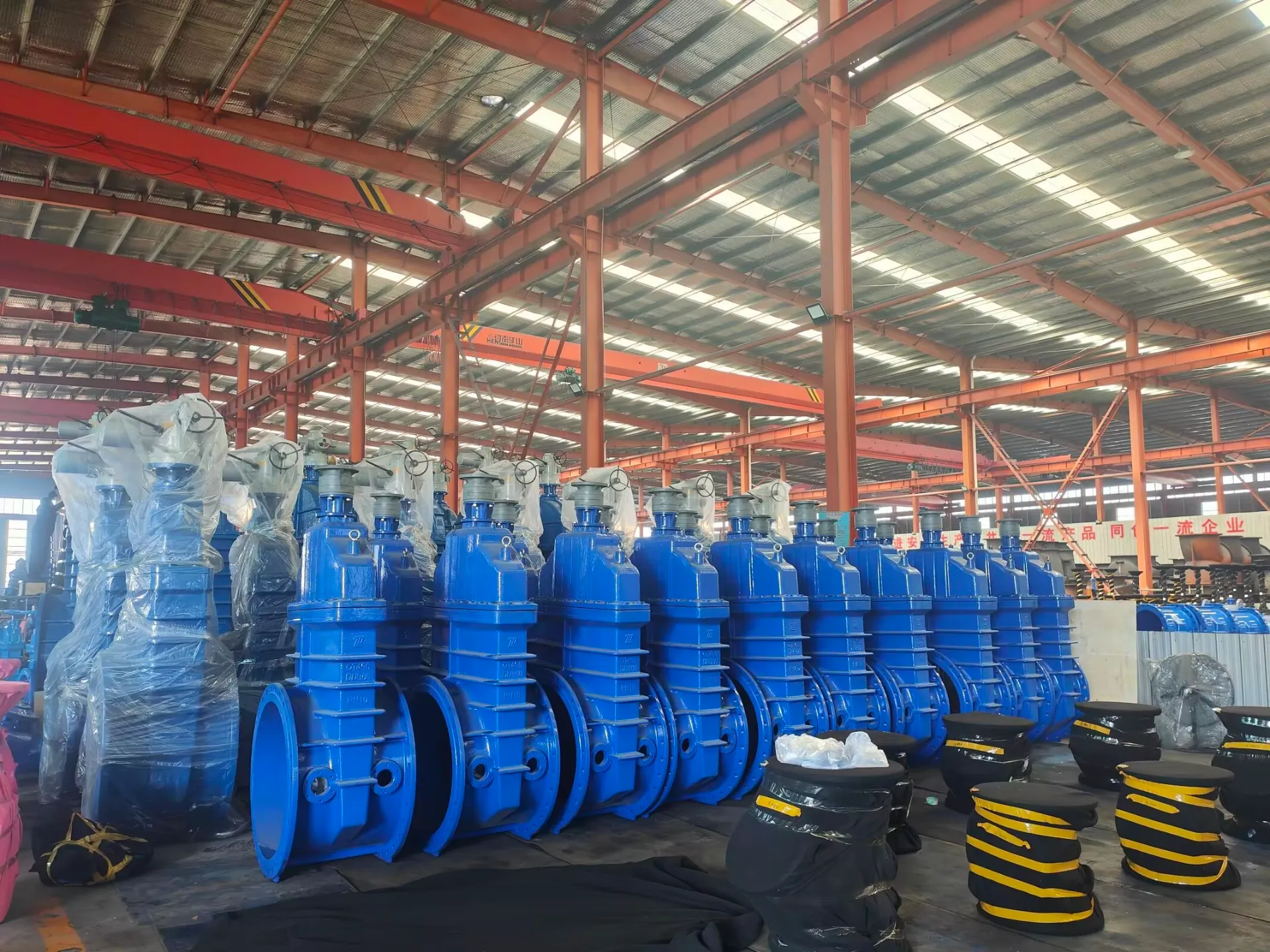
A 3-inch brass ball valve is a quarter-turn valve used to control the flow of fluids in industrial, commercial, and residential plumbing systems. Specifically, these valves, commonly manufactured in China, are critical components in pipelines where reliable shut-off and flow regulation are required. They occupy a pivotal position in the fluid handling industry, functioning as interface points between pipeline sections and control systems. Core performance characteristics include tight sealing, minimal pressure drop when fully open, and quick operation. The increasing demand for precise flow control in diverse applications, including water distribution, HVAC systems, and chemical processing, fuels the continued relevance and refinement of these valves. A key consideration within the industry is achieving a balance between cost-effectiveness (a driver for sourcing from China) and ensuring compliance with international quality and safety standards.
Material Science & Manufacturing
The body of a typical 3-inch brass ball valve is constructed from HPb59-1 (also known as naval brass) or HPb62 brass, selected for its corrosion resistance and machinability. These alloys comprise copper (Cu), zinc (Zn), and a small percentage of tin (Sn), contributing to the material's ductility and resistance to dezincification. The ball itself is commonly manufactured from brass (similar alloys to the body) or, for higher temperature and pressure applications, from stainless steel (304 or 316). The seat material is often PTFE (Teflon) due to its low friction coefficient and excellent chemical inertness. Manufacturing processes begin with brass ingot casting, followed by machining of the valve body, ball, and stem. Critical parameters include dimensional accuracy during machining (controlled via CNC lathes and milling machines), surface finish (to minimize friction and ensure sealing), and heat treatment to relieve stresses introduced during machining. The PTFE seats are typically molded and then precision-cut. Assembly involves careful alignment of the ball and seats, followed by testing for leak tightness under pressure. Welding may be used for joining components in certain designs, requiring skilled welders and rigorous inspection to prevent porosity and ensure structural integrity. Chemical compatibility testing of the brass alloys with the intended fluid media is essential to prevent corrosion or leaching. Raw material sourcing and quality control are paramount, given the potential for variation in brass composition and PTFE grade impacting valve performance.
Performance & Engineering
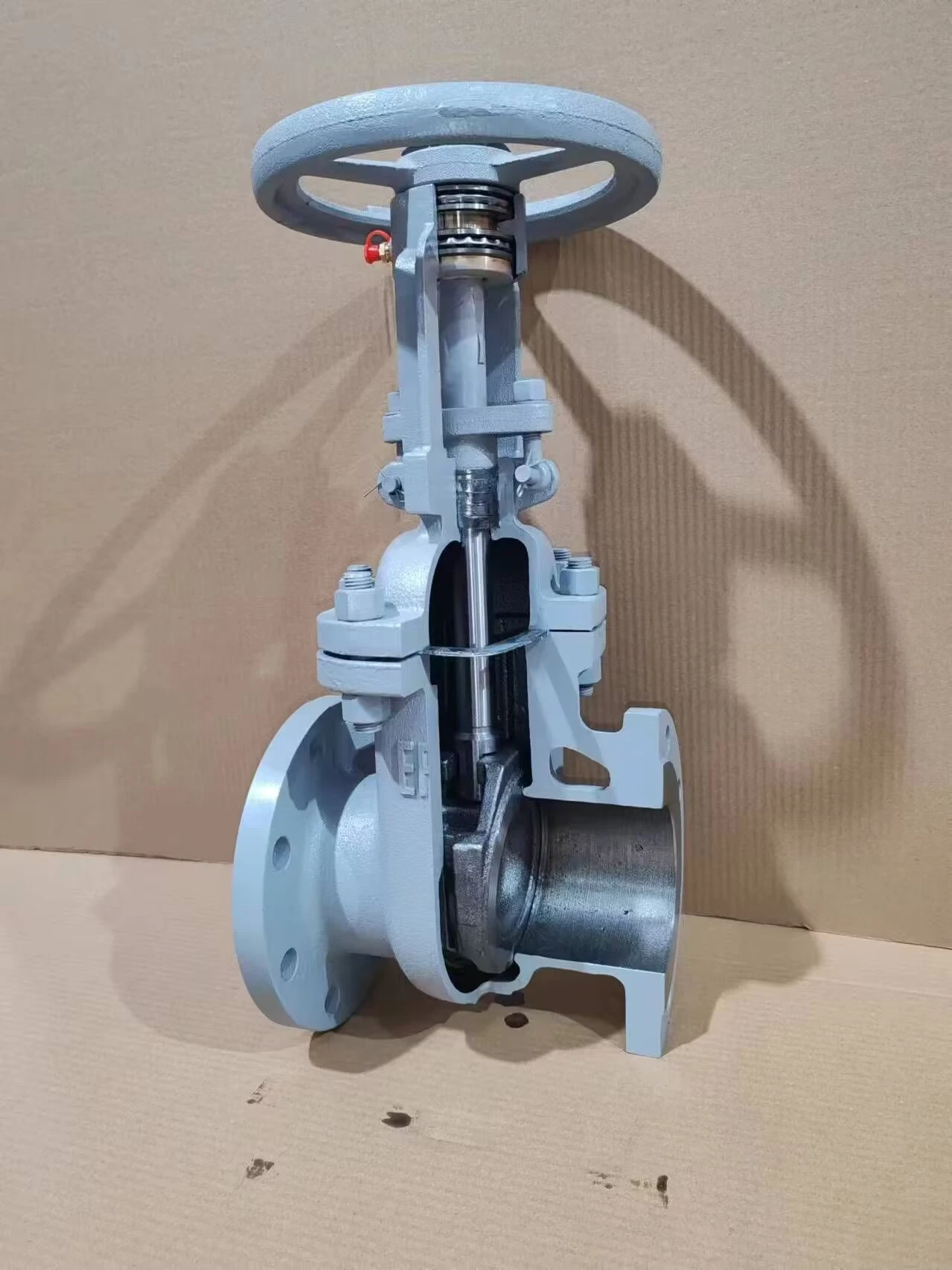
The performance of a 3-inch brass ball valve is fundamentally governed by principles of fluid mechanics and stress analysis. The valve’s flow coefficient (Cv) dictates the volumetric flow rate for a given pressure drop. Engineering calculations focus on minimizing pressure loss across the valve when fully open, achieved through optimizing the internal bore diameter and streamlining the flow path. Torque requirements for operation are determined by the fluid viscosity, pressure, and seat seal compression. The valve stem is designed to withstand bending moments induced by fluid pressure and operator force. Finite Element Analysis (FEA) is often employed to assess stress distribution within the valve body and ball under various operating conditions. Environmental resistance is critical, particularly concerning corrosion from exposure to water, chemicals, and humidity. Compliance requirements vary by region and application, often involving standards related to potable water safety (NSF/ANSI 61), pressure vessel safety (ASME B16.34), and fire safety (FM approvals). The selection of PTFE grade influences the valve’s temperature and pressure rating, as PTFE’s mechanical properties degrade at elevated temperatures. Regular testing, including hydrostatic testing and leak testing, is essential to verify performance and ensure adherence to specifications. Fatigue analysis is crucial to predict the valve's lifespan under cyclical operation.
Technical Specifications
| Parameter | Specification | Test Standard | Typical Value |
|---|---|---|---|
| Valve Size | 3 inches (DN80) | ISO 4126 | 80 mm |
| Body Material | HPb59-1 Brass (Naval Brass) | ASTM B16 | Cu 60%, Zn 39%, Sn 1% |
| Ball Material | HPb59-1 Brass / 304 Stainless Steel | ASTM A276 / ASTM A240 | Dependent on application |
| Seat Material | PTFE (Teflon) | ASTM D1710 | Virgin PTFE |
| Pressure Rating | 150 PSI (10.3 bar) / 200 PSI (13.8 bar) | ASME B16.34 | 150 PSI standard |
| Temperature Range | -20°C to +80°C (-4°F to +176°F) | ASTM E203 | -20°C to 80°C |
Failure Mode & Maintenance
Common failure modes for 3-inch brass ball valves include seat deformation or damage leading to leakage, corrosion of brass components (particularly dezincification), stem packing failure resulting in stem leakage, and cracking due to excessive torque or water hammer. Fatigue cracking can occur in the valve body or ball under prolonged cyclical operation, particularly at stress concentration points. PTFE seat degradation due to chemical attack or high temperatures can also contribute to leakage. Corrosion is often accelerated by dissimilar metal corrosion if non-compatible materials are used in contact. Failure analysis typically involves visual inspection for cracks and corrosion, pressure testing to identify leaks, and material analysis to determine the root cause of failure. Maintenance procedures include regular inspection of the valve body and stem for signs of corrosion or damage, lubrication of the stem and ball, and replacement of worn or damaged seals and packing. Periodic testing of the valve’s sealing performance is recommended. To prevent failures, it's crucial to select the appropriate valve material for the intended fluid media and operating conditions, avoid exceeding the valve’s pressure and temperature ratings, and implement a preventative maintenance schedule. Water hammer arrestors should be installed upstream of the valve to mitigate shock loading. Consideration should be given to galvanic corrosion potential when using dissimilar metals in the system.
Industry FAQ
Q: What is the primary difference between a full-port and a reduced-port 3-inch brass ball valve, and how does this impact flow efficiency?
A: A full-port ball valve has an internal diameter equal to the pipe's internal diameter, allowing unrestricted flow and minimal pressure drop. A reduced-port valve has a smaller bore diameter, creating some flow restriction and a corresponding pressure loss. Full-port valves are preferred when maximizing flow rate and minimizing energy consumption are critical, whereas reduced-port valves may be acceptable in less demanding applications.
Q: How does the choice of PTFE grade (e.g., virgin vs. filled PTFE) impact the valve’s performance and lifespan?
A: Virgin PTFE offers superior chemical resistance and a lower coefficient of friction, leading to tighter sealing and longer lifespan in highly corrosive environments. Filled PTFE (containing additives like glass fiber or carbon) exhibits improved mechanical strength and creep resistance, making it suitable for higher temperature and pressure applications, but may have a slightly higher friction coefficient.
Q: What are the implications of dezincification in brass ball valves, and how can it be mitigated?
A: Dezincification is a corrosion process where zinc leaches out of the brass alloy, leaving a porous copper structure that weakens the valve body. It’s typically caused by exposure to soft water with low pH. Using HPb59-1 naval brass (with a higher tin content) offers improved dezincification resistance. Also, maintaining appropriate water chemistry and avoiding prolonged exposure to aggressive fluids can help mitigate the risk.
Q: What is the recommended torque specification for operating a 3-inch brass ball valve, and what are the consequences of exceeding it?
A: The recommended torque specification varies depending on the valve design and seat material, typically ranging from 10-20 Nm. Exceeding the torque specification can damage the valve stem, ball, or seats, leading to leakage or complete valve failure. Utilizing a properly sized and calibrated actuator or handwheel is essential.
Q: What are the relevant certifications and standards to look for when sourcing 3-inch brass ball valves from Chinese manufacturers?
A: Key certifications include ISO 9001 (quality management system), ISO 14001 (environmental management system), and compliance with relevant industry standards such as NSF/ANSI 61 (potable water safety), ASME B16.34 (pressure vessel safety), and CE marking (European conformity). Verification of material test reports (MTRs) confirming alloy composition is also crucial.
Conclusion
The 3-inch brass ball valve remains a ubiquitous component in fluid handling systems, valued for its simplicity, reliability, and cost-effectiveness. Understanding the material science behind brass alloys and PTFE, alongside the critical manufacturing parameters influencing performance, is essential for specifying valves suited to demanding applications. A thorough grasp of potential failure modes, coupled with diligent maintenance practices, ensures longevity and minimizes the risk of costly downtime.
Looking forward, the industry is likely to see increased adoption of advanced materials and manufacturing techniques, such as investment casting and automated assembly, to improve valve performance and reduce production costs. Greater emphasis will be placed on sustainable manufacturing practices and environmentally friendly materials. Ultimately, the successful integration of these valves into complex systems relies on a robust understanding of the interplay between engineering principles, material properties, and stringent quality control procedures.
-
The Essential Guide to Dual Plate Check Valves
-
Swing Check Valve Types: Reliable Flow Control & Backflow Prevention
-
Top Reasons to Choose a Stainless Steel Flange Check Valve for Industrial Applications
-
High Temperature Solenoid Valves Performance Analysis
-
hot water solenoid valves Performance Analysis
-
solenoid valve mini Performance Analysis
-
explosion proof solenoid valve Performance Analysis
-
2 position 3 way solenoid valve Performance Analysis
-
3 way 2 position solenoid valve Performance Analysis
-
brake solenoid valve Performance Analysis
-
solenoid valve 110v Performance Analysis
-
solenoid valve explosion proof Performance Analysis
-
explosion proof solenoid valves Performance Analysis
-
solenoid valve 3 way 2 position Performance Analysis
-
micro solenoid valve Performance Analysis
 Afrikaans
 Albanian
 Amharic
 Arabic
 Armenian
 Azerbaijani
 Basque
 Belarusian
 Bengali
 Bosnian
 Bulgarian
 Catalan
 Cebuano
 Corsican
 Croatian
 Czech
Czech
 Danish
 Dutch
Dutch
 Esperanto
 Estonian
 Finnish
 French
 Frisian
 Galician
 Georgian
 German
 Greek
Greek
 Gujarati
 Haitian Creole
 Hausa
Hawaiian
Hausa
Hawaiian
 Hebrew
 Hindi
Hindi
 Miao
Miao
 Hungarian
 Icelandic
 Igbo
Igbo
 Indonesian
 Irish
Irish
 Italian
 Japanese
 Javanese
Kannada
Javanese
Kannada
 Kazakh
 Khmer
Khmer
 Rwandese
 Korean
 Kurdish
 Kyrgyz
 Lao
Lao
 Latin
Latin
 Latvian
 Lithuanian
 Luxembourgish
 Macedonian
 Malgashi
 Malay
Malay
 Malayalam
 Maltese
 Maori
Maori
 Marathi
 Mongolian
 Myanmar
 Nepali
 Norwegian
 Norwegian
 Occitan
 Pashto
 Persian
 Polish
 Portuguese
Punjabi
Portuguese
Punjabi
 Romanian
 Russian
 Samoan
 Scottish Gaelic
 Serbian
 Sesotho
 Shona
Shona
 Sindhi
 Sinhala
 Slovak
 Slovenian
 Somali
 Spanish
 Sundanese
 Swahili
 Swedish
Tagalog
Swedish
Tagalog
 Tajik
Tajik
 Tamil
Tamil
 Tatar
Tatar
 Telugu
 Thai
Thai
 Turkish
 Turkmen
 Ukrainian
 Urdu
Urdu
 Uighur
 Uzbek
Uzbek
 Vietnamese
 Welsh
Welsh
 Bantu
Bantu
 Yiddish
 Yoruba
 Zulu
Zulu
 English