




explosion proof solenoid valves Performance Analysis
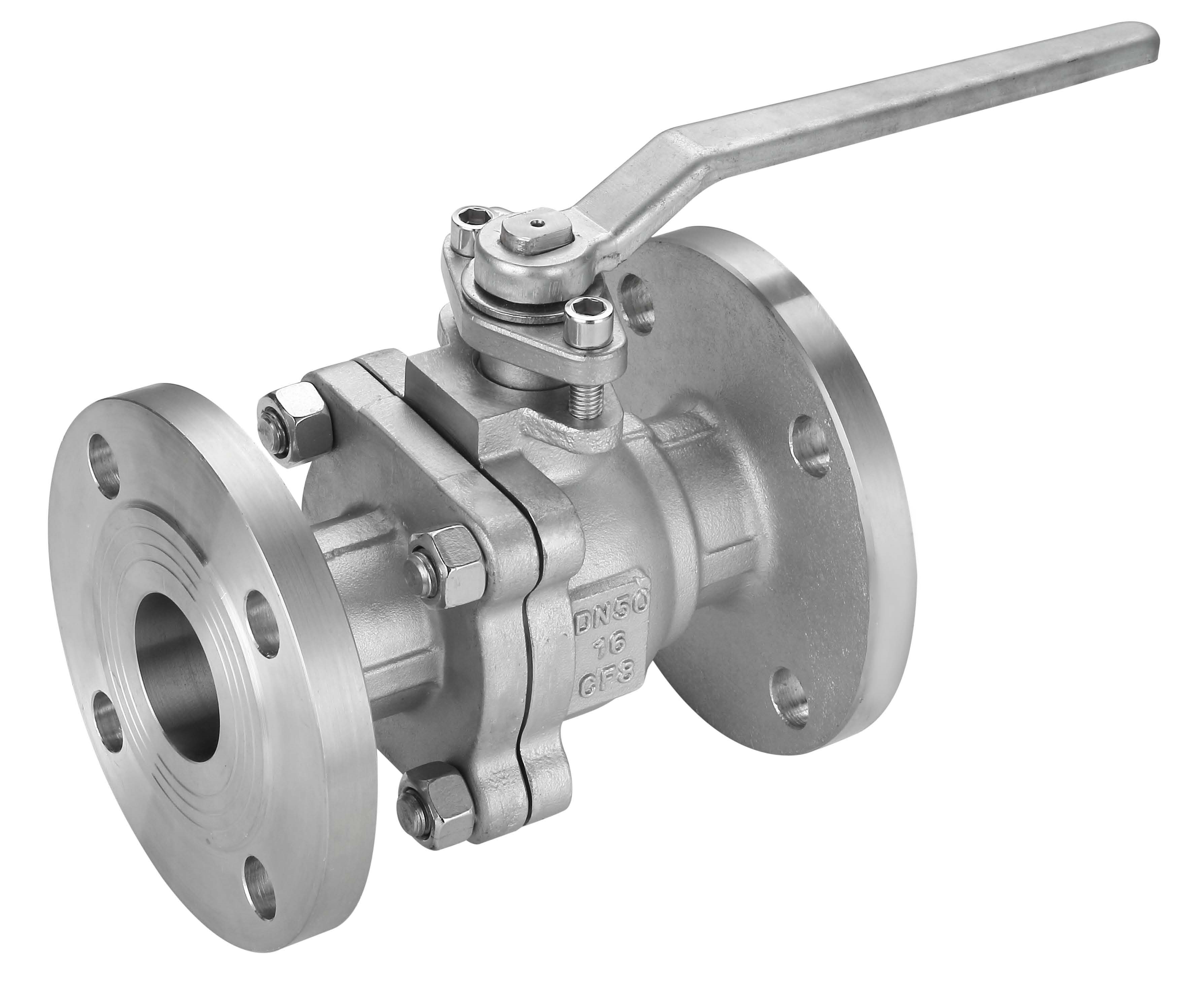
Introduction
Explosion proof solenoid valves are electromechanically operated valves critical for controlling the flow of gases or liquids in hazardous environments where flammable substances are present. These valves are not intrinsically safe, meaning they do not prevent ignition of a flammable atmosphere within the valve itself. Instead, they are designed to contain any internal explosion and prevent it from propagating to the surrounding potentially explosive atmosphere. Their technical positioning within the industrial chain falls between process control instrumentation and safety systems, directly impacting the reliability and safety of processes in sectors like oil and gas, chemical processing, pharmaceuticals, and power generation. Core performance characteristics are defined by their responsiveness (switching speed), pressure rating, flow capacity, media compatibility, and, crucially, their adherence to explosion protection standards. The primary pain point addressed is mitigating ignition risks and ensuring operational continuity in hazardous locations, a failure in which can lead to catastrophic consequences, including loss of life and substantial financial damage. Selection and implementation require a comprehensive understanding of the area classification, the properties of the controlled fluid, and the specific demands of the application.
Material Science & Manufacturing
The construction of explosion proof solenoid valves necessitates materials resistant to both the process fluid and the harsh environmental conditions often encountered in hazardous areas. Valve bodies are typically manufactured from carbon steel, stainless steel (304, 316, 316L), or brass, chosen based on chemical compatibility. Internal components like plungers, cores, and seals are commonly made from materials such as Nitrile (NBR), Viton (FKM), Teflon (PTFE), and stainless steel. The choice of seal material is critical; Viton provides excellent resistance to a broad range of chemicals and high temperatures, while PTFE excels in highly corrosive environments. Manufacturing processes involve precision machining of valve bodies, followed by heat treatment to enhance material properties. Solenoid coils are wound with copper wire and encapsulated in epoxy resin for electrical insulation and environmental protection. A critical process is the explosion-proof enclosure manufacturing. This often involves specialized casting techniques to eliminate internal gaps and potential ignition sources. Critical parameter control during manufacturing includes dimensional accuracy of internal components to ensure leak-tight sealing, surface finish to minimize friction and wear, and the quality of the epoxy encapsulation to prevent ingress of moisture or contaminants. Welding, if employed, must adhere to strict quality control standards (e.g., radiographic inspection) to ensure joint integrity and eliminate porosity. The selection of appropriate gaskets and O-rings and their accurate installation are paramount in maintaining the explosion-proof integrity of the enclosure.
Performance & Engineering
Performance analysis of explosion proof solenoid valves centers around their ability to reliably control fluid flow under specified conditions while maintaining explosion protection. Force analysis is crucial in assessing the solenoid’s actuation capability – the force required to overcome spring pressure and move the plunger. This is directly linked to response time. Environmental resistance is tested through exposure to extreme temperatures, humidity, salt spray, and vibration. Compliance requirements are dictated by area classification (Class I, Division 1 & 2; Zone 0, 1 & 2) and the specific hazardous materials present. Functional implementation necessitates careful consideration of system integration, including wiring practices, grounding, and the use of appropriate conduit and sealing fittings. The valve’s electrical connections must be designed to prevent sparking or arcing. Static electricity build-up is also a concern, necessitating grounding of all metal components. The valve's pressure rating (PSI or Bar) dictates the maximum allowable operating pressure. Flow capacity (Cv value) determines the volume of fluid the valve can pass at a given pressure drop. The ingress protection (IP) rating, typically IP66 or IP67, defines the valve’s resistance to dust and water. Failure analysis reveals common issues include coil burnout due to overvoltage or overheating, seal degradation leading to leakage, and corrosion of internal components. Proper selection of materials and adherence to installation guidelines are paramount for achieving optimal performance and longevity.
Technical Specifications
| Parameter | Unit | Typical Value (Carbon Steel) | Typical Value (Stainless Steel 316L) |
|---|---|---|---|
| Operating Pressure (Maximum) | PSI | 500 | 750 |
| Voltage Range | V DC | 24 - 240 | 24 - 240 |
| Flow Coefficient (Cv) | - | 1.5 | 1.2 |
| Response Time (Actuation/Deactuation) | ms | 20/25 | 25/30 |
| Temperature Range (Ambient) | °C | -20 to 80 | -20 to 120 |
| Ingress Protection | IP Rating | IP66 | IP67 |
Failure Mode & Maintenance
Explosion proof solenoid valves are susceptible to several failure modes. Fatigue cracking of the valve body can occur due to cyclical pressure fluctuations and thermal stress, potentially compromising the explosion-proof integrity. Delamination of the epoxy encapsulation of the solenoid coil can expose live electrical components and create a potential ignition source. Degradation of seal materials (NBR, Viton) due to chemical attack or temperature extremes leads to leakage. Oxidation and corrosion of internal metallic components, particularly in aggressive environments, can cause valve malfunction and seizing. Coil burnout, often resulting from overvoltage or overheating, is a common failure point. Preventive maintenance is crucial. Regular inspection of the enclosure for damage, cracks, or deformation is essential. Electrical connections should be checked for tightness and corrosion. Periodically test the valve’s actuation speed and leakage rate. Replace seals and diaphragms as per the manufacturer's recommendations, typically annually or based on operating conditions. Monitor coil temperature to prevent overheating. In the event of a failure, thorough investigation is required to determine the root cause before replacement. Ensure that any repair work is conducted by qualified personnel and that replacement parts meet the original specifications. Record keeping of maintenance activities is vital for tracking valve performance and identifying potential issues.
Industry FAQ
Q: What is the difference between explosion-proof and intrinsically safe solenoid valves, and when should each be used?
A: Explosion-proof valves contain an explosion, preventing its propagation to the surrounding atmosphere. They are used in areas where flammable gases or vapors are likely to be present. Intrinsically safe valves, conversely, limit the energy available to prevent ignition of a flammable atmosphere within the valve itself. Intrinsically safe devices are preferred in Zone 0 (gas present continuously) or when the fluid is extremely sensitive, while explosion-proof is generally suitable for Zone 1 or 2.
Q: How does area classification affect the selection of an explosion-proof solenoid valve?
A: Area classification (Class I, Division 1/2; Zone 0, 1, 2) determines the likelihood of flammable atmospheres being present. Higher zones (e.g., Zone 0) require more robust protection than lower zones (e.g., Zone 2). The valve must be certified for the specific zone in which it will be installed, ensuring it meets the required ingress protection and construction standards.
Q: What materials are best suited for solenoid valves handling corrosive chemicals?
A: Stainless steel (316L) and Teflon (PTFE) are commonly used for corrosive chemical applications. 316L offers excellent resistance to a wide range of chemicals, while PTFE is virtually inert to most corrosive substances. The specific chemical compatibility should be verified with material compatibility charts.
Q: What are the key considerations when wiring an explosion-proof solenoid valve?
A: Wiring must be done using approved explosion-proof conduit and fittings. All connections must be tight and secure to prevent sparking. Proper grounding is essential to dissipate static electricity. The cable glands must be correctly sized and sealed to maintain the explosion-proof integrity.
Q: What is the role of certification (e.g., ATEX, IECEx) in ensuring the safety of explosion-proof solenoid valves?
A: Certification by recognized bodies like ATEX (Europe) or IECEx (International) demonstrates that the valve has been independently tested and verified to meet the required explosion protection standards. These certifications provide assurance that the valve is safe for use in hazardous environments and comply with relevant regulations.
Conclusion
Explosion proof solenoid valves represent a critical safety component in numerous industries handling flammable substances. Their design, material selection, and manufacturing processes are governed by stringent standards to prevent ignition in hazardous environments. A thorough understanding of area classification, fluid compatibility, and applicable regulations is essential for selecting the appropriate valve for a given application. Regular maintenance and inspection are paramount to ensure continued reliable and safe operation, mitigating the risk of catastrophic failures.
The increasing demand for process automation and safety necessitates ongoing advancements in explosion proof solenoid valve technology. Future developments will likely focus on enhanced sensor integration for predictive maintenance, improved materials for greater chemical resistance and durability, and more sophisticated designs to minimize energy consumption and improve response times. Adhering to evolving international standards and best practices remains crucial for maintaining a high level of safety and operational efficiency in hazardous industries.
-
The Essential Guide to Dual Plate Check Valves
-
Swing Check Valve Types: Reliable Flow Control & Backflow Prevention
-
Top Reasons to Choose a Stainless Steel Flange Check Valve for Industrial Applications
-
3 way 2 position solenoid valve Performance Analysis
-
brake solenoid valve Performance Analysis
-
solenoid valve 110v Performance Analysis
-
solenoid valve explosion proof Performance Analysis
-
explosion proof solenoid valves Performance Analysis
-
solenoid valve 3 way 2 position Performance Analysis
-
micro solenoid valve Performance Analysis
-
solenoid ball valve Performance Analysis
-
micro solenoid valves Performance Engineering
-
solenoid ball valves Performance Analysis
-
solenoid valve 5 2 Performance Analysis
-
solenoid valve stainless steel Performance Analysis
 Afrikaans
 Albanian
 Amharic
 Arabic
 Armenian
 Azerbaijani
 Basque
 Belarusian
 Bengali
 Bosnian
 Bulgarian
 Catalan
 Cebuano
 Corsican
 Croatian
 Czech
Czech
 Danish
 Dutch
Dutch
 Esperanto
 Estonian
 Finnish
 French
 Frisian
 Galician
 Georgian
 German
 Greek
Greek
 Gujarati
 Haitian Creole
 Hausa
Hawaiian
Hausa
Hawaiian
 Hebrew
 Hindi
Hindi
 Miao
Miao
 Hungarian
 Icelandic
 Igbo
Igbo
 Indonesian
 Irish
Irish
 Italian
 Japanese
 Javanese
Kannada
Javanese
Kannada
 Kazakh
 Khmer
Khmer
 Rwandese
 Korean
 Kurdish
 Kyrgyz
 Lao
Lao
 Latin
Latin
 Latvian
 Lithuanian
 Luxembourgish
 Macedonian
 Malgashi
 Malay
Malay
 Malayalam
 Maltese
 Maori
Maori
 Marathi
 Mongolian
 Myanmar
 Nepali
 Norwegian
 Norwegian
 Occitan
 Pashto
 Persian
 Polish
 Portuguese
Punjabi
Portuguese
Punjabi
 Romanian
 Russian
 Samoan
 Scottish Gaelic
 Serbian
 Sesotho
 Shona
Shona
 Sindhi
 Sinhala
 Slovak
 Slovenian
 Somali
 Spanish
 Sundanese
 Swahili
 Swedish
Tagalog
Swedish
Tagalog
 Tajik
Tajik
 Tamil
Tamil
 Tatar
Tatar
 Telugu
 Thai
Thai
 Turkish
 Turkmen
 Ukrainian
 Urdu
Urdu
 Uighur
 Uzbek
Uzbek
 Vietnamese
 Welsh
Welsh
 Bantu
Bantu
 Yiddish
 Yoruba
 Zulu
Zulu
 English