




3 way 2 position solenoid valve Performance Analysis
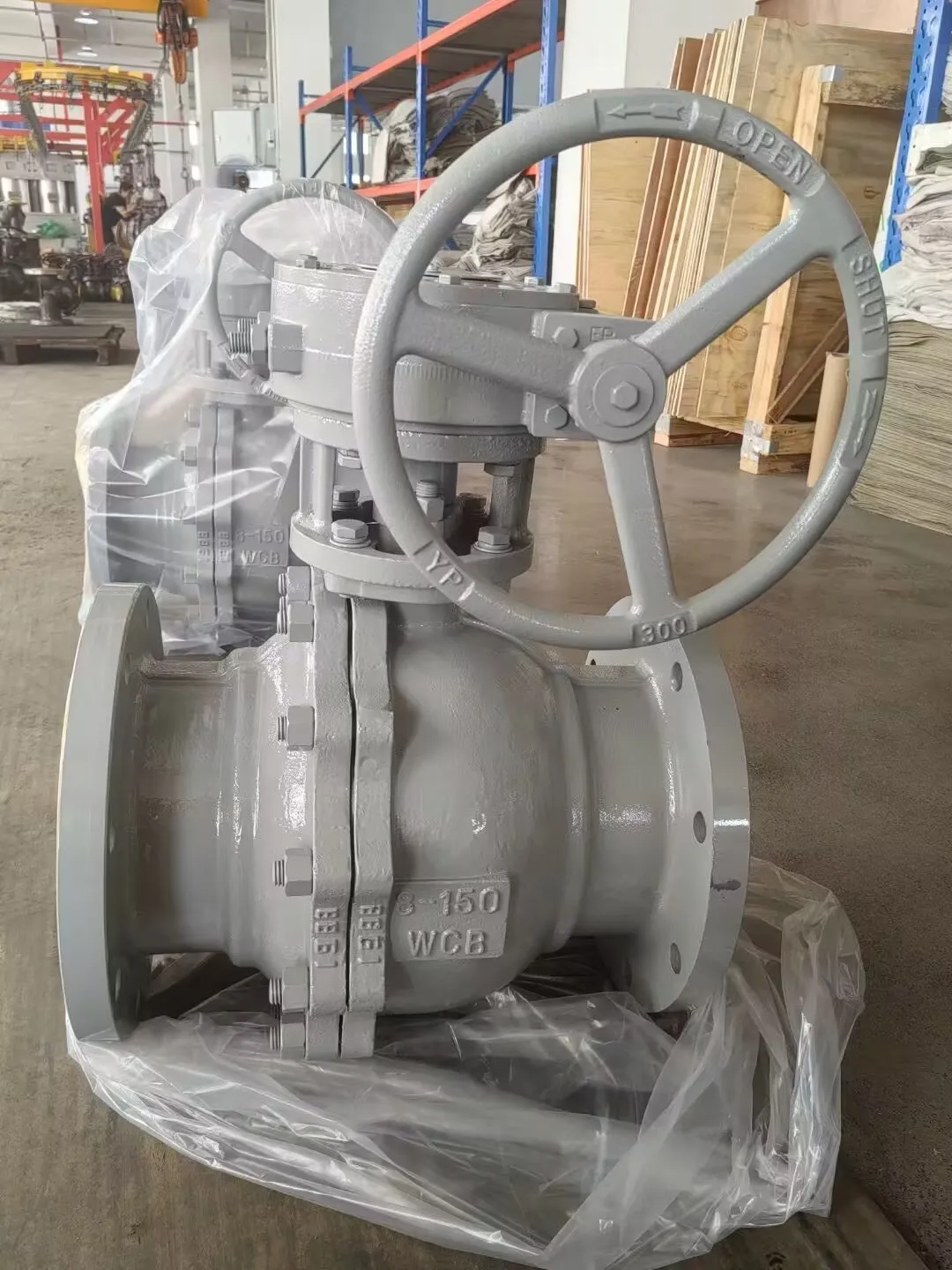
Introduction
The 3-way 2-position solenoid valve is a critical component in numerous industrial automation and fluid control systems. Functionally, it directs fluid flow between three ports, switching between two distinct configurations. This valve distinguishes itself from simpler on/off valves by offering directional control, allowing for either diverting flow from one port to another, or selecting one of two supply ports to direct flow to a common outlet. Its application spans diverse sectors including pneumatic systems, hydraulic circuits, chemical processing, and medical equipment. Core performance characteristics include response time, flow capacity (Cv), pressure rating, and fluid compatibility. A primary industry pain point centers around ensuring consistent performance across varying fluid viscosities and temperatures, alongside reliable sealing to prevent leakage and maintain system efficiency. The valve’s ability to handle different media (air, water, oil, corrosive fluids) while maintaining precise control dictates its suitability and longevity in specific applications. Selecting the correct materials of construction and understanding the valve’s operating principles are paramount for successful implementation.
Material Science & Manufacturing
The construction of a 3-way 2-position solenoid valve involves a precise interplay of material science and manufacturing processes. The valve body is frequently manufactured from brass (CZ132, CZ121 for good machinability and corrosion resistance), stainless steel (304/316 for enhanced chemical compatibility and high-temperature applications), or engineered plastics (like PEEK or PTFE for specific corrosive environments). The internal components – the plunger, core tube, and seals – are critical. The plunger is typically made from a high-permeability ferromagnetic material (e.g., 4341 steel) to efficiently respond to the electromagnetic field. Core tubes often utilize stainless steel or soft magnetic alloys. Seals are commonly composed of materials like nitrile rubber (NBR) for oil resistance, Viton (FKM) for wider chemical compatibility and temperature range, or PTFE for exceptional chemical inertness.
Manufacturing processes vary based on the materials and complexity. Brass and stainless steel bodies are typically machined using CNC milling and turning. Plastic bodies often utilize injection molding. The solenoid coil is wound with copper wire and encapsulated in epoxy resin for electrical insulation and mechanical protection. Critical parameter control during manufacturing includes dimensional accuracy of internal ports and plunger fit (typically within microns), surface finish to minimize friction and leakage, and precise coil winding to achieve the required magnetic force. Welding processes, when used for assembly, require rigorous quality control to ensure leak-tight joints. Post-manufacturing, valves undergo stringent testing including pressure testing, leak testing, and electrical performance verification to validate functionality and reliability.

Performance & Engineering
The performance of a 3-way 2-position solenoid valve is fundamentally governed by fluid dynamics and electromagnetism. Force analysis involves quantifying the magnetic force generated by the solenoid coil, which must overcome the spring force and fluid pressure to actuate the plunger. This relationship is crucial for determining the valve’s operating pressure range and response time. Environmental resistance is a significant concern; exposure to extreme temperatures, humidity, and corrosive atmospheres can degrade seals, corrode metallic components, and affect electrical insulation. Valves designed for harsh environments require specialized materials and coatings.
Compliance requirements vary by industry. For example, valves used in potable water systems must comply with NSF/ANSI 61 standards regarding lead content and material safety. Valves used in hazardous locations (e.g., explosive atmospheres) must meet ATEX or IECEx certifications, requiring intrinsically safe designs to prevent ignition. Pneumatic valves often adhere to ISO 5599 standards for cleanliness levels to prevent contamination of compressed air systems. Functional implementation details include understanding flow characteristics (laminar vs. turbulent flow), pressure drop across the valve, and the impact of fluid viscosity on response time. Properly sizing the valve to match the system’s flow rate and pressure requirements is essential for optimal performance and minimizing energy consumption.
Technical Specifications
| Parameter | Unit | Typical Value (Brass Body, AC Voltage) | Typical Value (Stainless Steel Body, DC Voltage) |
|---|---|---|---|
| Operating Pressure Range | psi | 0-150 | 0-250 |
| Flow Coefficient (Cv) | gal/min @ 1 psi | 0.5 – 1.2 | 0.3 – 0.8 |
| Response Time (Actuation/De-actuation) | ms | 15-30 | 20-40 |
| Voltage Range | V | 110-240 AC | 12-24 DC |
| Port Size | NPT | 1/4", 3/8", 1/2" | 1/4", 3/8", 1/2" |
| Fluid Temperature Range | °F | 32-176 | 32-250 |
Failure Mode & Maintenance
3-way 2-position solenoid valves are susceptible to several failure modes. Fatigue cracking of the plunger or valve body can occur due to repeated cycling and stress concentration. Delamination of the coil insulation can lead to short circuits and valve failure. Degradation of seals (NBR, Viton, PTFE) due to chemical attack, temperature extremes, or mechanical wear is a common issue, resulting in leakage. Oxidation of internal metallic components, particularly in corrosive environments, can impede movement and reduce valve performance. A specific failure mode arises from particulate contamination – debris can lodge between the plunger and core tube, causing sluggish operation or complete blockage.
Preventative maintenance is crucial. Regular inspection of seals for cracks or swelling is vital. Periodic cleaning of the valve body and ports to remove accumulated debris is recommended. Lubrication of moving parts (if applicable) can reduce friction and wear. Electrical connections should be inspected for corrosion and tightness. When troubleshooting, verify the solenoid coil’s resistance and voltage supply. If leakage is present, replace the seals. In cases of sluggish operation, inspect for contamination or mechanical binding. For complete failures, consider replacing the entire valve assembly. Proper filtration of the fluid being controlled significantly extends valve life. Always de-energize and depressurize the valve before performing any maintenance.
Industry FAQ
Q: What are the key considerations when selecting a solenoid valve for a highly corrosive fluid application?
A: When dealing with corrosive fluids, material compatibility is paramount. Avoid brass and carbon steel. Opt for stainless steel (316 is preferable over 304 for aggressive chemicals), PTFE seals, and chemically resistant body materials like PEEK. Consider the concentration and temperature of the corrosive fluid, as these factors influence the rate of corrosion. Look for valves with specialized coatings or surface treatments to enhance chemical resistance.
Q: How does the fluid viscosity affect the valve’s response time and performance?
A: Higher fluid viscosity increases the damping force on the plunger, resulting in slower response times. It also increases the pressure drop across the valve. For viscous fluids, consider using a valve with a larger port size or a higher solenoid force to overcome the increased resistance. The valve’s Cv value should be carefully selected to maintain adequate flow rate without excessive pressure loss.
Q: What is the significance of the IP rating for a solenoid valve?
A: The IP (Ingress Protection) rating defines the valve’s resistance to dust and water ingress. A higher IP rating (e.g., IP67, IP69K) indicates greater protection. For applications in harsh environments – dusty, wet, or outdoor locations – a high IP rating is essential to prevent valve failure and ensure reliable operation.
Q: How can I minimize the risk of particulate contamination affecting valve performance?
A: Implement proper filtration upstream of the valve to remove particulate matter. Use filters with appropriate micron ratings for the fluid being controlled. Regularly inspect and replace filters as needed. Consider installing a strainer to capture larger debris. During maintenance, ensure that all components are thoroughly cleaned before reassembly.
Q: What is the difference between AC and DC solenoid valves, and when should I choose one over the other?
A: AC valves are generally simpler and more cost-effective for basic on/off control. DC valves offer advantages in terms of precise control, lower power consumption, and suitability for battery-powered systems. DC valves are also often preferred in applications requiring pulse-width modulation (PWM) for flow control. The choice depends on the specific application requirements and the available power supply.
Conclusion
The 3-way 2-position solenoid valve represents a foundational technology in automated fluid control. Its selection necessitates a thorough understanding of material science, manufacturing processes, and the nuanced interplay between fluid dynamics and electromagnetic principles. Addressing potential failure modes through preventative maintenance and diligent material selection is crucial for maximizing operational lifespan and ensuring system reliability.
Future trends point towards the integration of smart features such as diagnostic capabilities and remote monitoring, allowing for predictive maintenance and enhanced system optimization. Continued advancements in materials and coil designs will likely lead to valves with increased efficiency, faster response times, and broader compatibility with a wider range of fluids and operating conditions. Careful consideration of these factors will remain paramount for engineers and procurement professionals seeking to optimize fluid control systems.
-
The Essential Guide to Dual Plate Check Valves
-
Swing Check Valve Types: Reliable Flow Control & Backflow Prevention
-
Top Reasons to Choose a Stainless Steel Flange Check Valve for Industrial Applications
-
3 way 2 position solenoid valve Performance Analysis
-
brake solenoid valve Performance Analysis
-
solenoid valve 110v Performance Analysis
-
solenoid valve explosion proof Performance Analysis
-
explosion proof solenoid valves Performance Analysis
-
solenoid valve 3 way 2 position Performance Analysis
-
micro solenoid valve Performance Analysis
-
solenoid ball valve Performance Analysis
-
micro solenoid valves Performance Engineering
-
solenoid ball valves Performance Analysis
-
solenoid valve 5 2 Performance Analysis
-
solenoid valve stainless steel Performance Analysis
 Afrikaans
 Albanian
 Amharic
 Arabic
 Armenian
 Azerbaijani
 Basque
 Belarusian
 Bengali
 Bosnian
 Bulgarian
 Catalan
 Cebuano
 Corsican
 Croatian
 Czech
Czech
 Danish
 Dutch
Dutch
 Esperanto
 Estonian
 Finnish
 French
 Frisian
 Galician
 Georgian
 German
 Greek
Greek
 Gujarati
 Haitian Creole
 Hausa
Hawaiian
Hausa
Hawaiian
 Hebrew
 Hindi
Hindi
 Miao
Miao
 Hungarian
 Icelandic
 Igbo
Igbo
 Indonesian
 Irish
Irish
 Italian
 Japanese
 Javanese
Kannada
Javanese
Kannada
 Kazakh
 Khmer
Khmer
 Rwandese
 Korean
 Kurdish
 Kyrgyz
 Lao
Lao
 Latin
Latin
 Latvian
 Lithuanian
 Luxembourgish
 Macedonian
 Malgashi
 Malay
Malay
 Malayalam
 Maltese
 Maori
Maori
 Marathi
 Mongolian
 Myanmar
 Nepali
 Norwegian
 Norwegian
 Occitan
 Pashto
 Persian
 Polish
 Portuguese
Punjabi
Portuguese
Punjabi
 Romanian
 Russian
 Samoan
 Scottish Gaelic
 Serbian
 Sesotho
 Shona
Shona
 Sindhi
 Sinhala
 Slovak
 Slovenian
 Somali
 Spanish
 Sundanese
 Swahili
 Swedish
Tagalog
Swedish
Tagalog
 Tajik
Tajik
 Tamil
Tamil
 Tatar
Tatar
 Telugu
 Thai
Thai
 Turkish
 Turkmen
 Ukrainian
 Urdu
Urdu
 Uighur
 Uzbek
Uzbek
 Vietnamese
 Welsh
Welsh
 Bantu
Bantu
 Yiddish
 Yoruba
 Zulu
Zulu
 English