




china flat gate valve Performance Analysis
Introduction
China flat gate valves are linear motion valves used to start or stop fluid flow. They are characterized by a flat disc positioned perpendicular to the flow path, providing minimal obstruction when fully open and a complete seal when closed. Positioned within the industrial chain, these valves serve as critical flow control elements in pipelines across various sectors including water treatment, petrochemical, power generation, and HVAC. Their utility stems from their simple design, relatively low pressure drop when fully open, and ability to handle a wide range of fluids and temperatures. Core performance attributes center around leak tightness, flow capacity (Cv value), pressure rating, and operational longevity. A significant market driver for 'China flat gate valves' is the balance between cost-effectiveness and adherence to international quality standards, particularly as infrastructure projects expand globally. The inherent design leads to relatively slow operation speeds compared to ball or butterfly valves, a key consideration for applications requiring rapid actuation. Recent advancements focus on utilizing enhanced sealing materials and optimized disc designs to improve performance and reduce fugitive emissions.
Material Science & Manufacturing
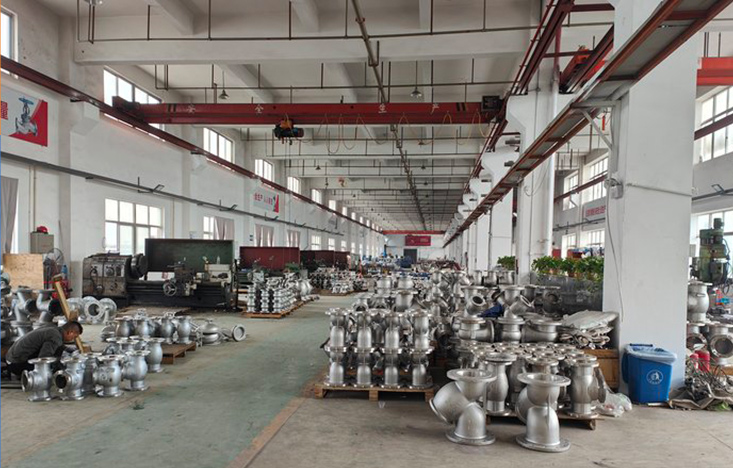
The body of a China flat gate valve is commonly constructed from cast iron (ASTM A126 Class B), ductile iron (ASTM A536 65-45-12), carbon steel (ASTM A105), or stainless steel (304/316). The material selection is dictated by the fluid handled, operating pressure, and temperature. Cast iron provides cost-effectiveness for non-corrosive water applications, while ductile iron offers improved strength and ductility. Carbon steel is suitable for higher pressure and temperature services in oil and gas, and stainless steel provides corrosion resistance crucial for chemical processing. The disc material is often bronze (B148 C95500), stainless steel, or alloy steel, chosen for its wear resistance and sealing properties. Seat materials range from EPDM, NBR, or PTFE, selected based on fluid compatibility and temperature requirements. Manufacturing involves several key processes: casting or forging the body, machining valve seats, and precision lapping of the disc and seat to achieve a leak-tight seal. Welding processes (SMAW, GTAW) are employed for carbon steel valve construction, demanding strict adherence to WPS (Welding Procedure Specification) and PQR (Procedure Qualification Record) standards to ensure weld integrity and prevent porosity or cracking. Critical parameters include pouring temperature for casting, heat treatment procedures for stress relief, and surface finish tolerances for sealing surfaces. Chemical composition verification via spectroscopic analysis is crucial for raw material acceptance. The quality of the epoxy or fusion-bonded epoxy coating applied to the valve body influences its corrosion resistance.
Performance & Engineering
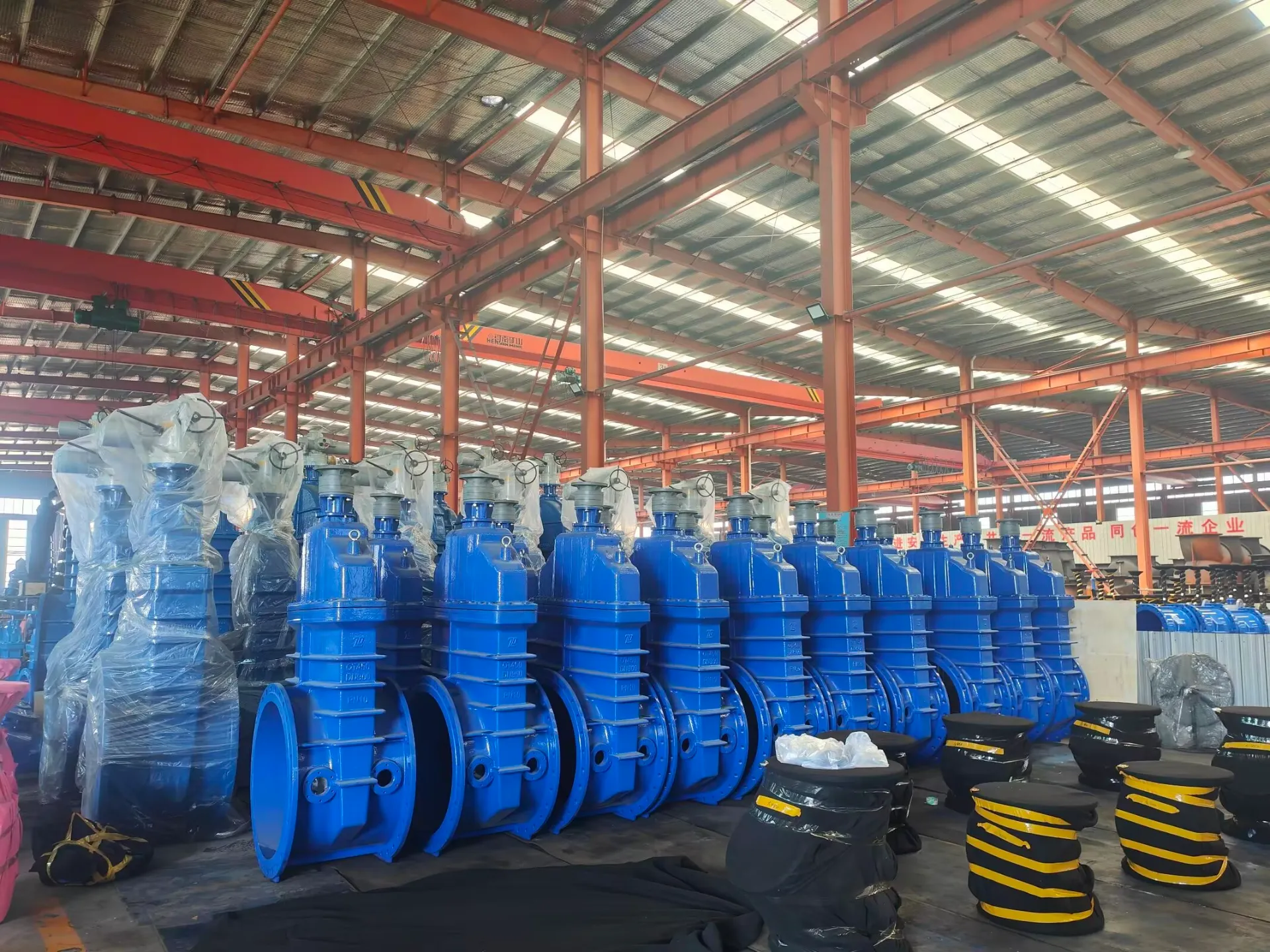
Performance of a flat gate valve hinges on its ability to withstand internal pressure and provide a reliable shut-off. Force analysis considers the hydrostatic forces acting on the disc when subjected to upstream pressure. These forces are directly proportional to the pressure and the disc area, necessitating robust disc support structures and body design. Environmental resistance is paramount; valves exposed to outdoor conditions require coatings to mitigate corrosion from moisture, UV radiation, and atmospheric pollutants. Compliance requirements vary depending on the application and region. For potable water applications, valves must comply with NSF/ANSI 61 standards, ensuring they do not leach harmful contaminants into the water supply. Petrochemical applications require adherence to API 6D for design, manufacture, and testing. Valves handling hazardous media must comply with PED (Pressure Equipment Directive) 2014/68/EU. Functional implementation involves understanding flow characteristics. The flat disc creates turbulent flow, leading to a moderate pressure drop, particularly as the valve approaches closure. The stem seal design, often utilizing packing glands or bellows seals, is critical for preventing leakage around the stem. The valve actuator (handwheel, gear operator, or electric actuator) must be sized correctly to overcome the friction forces and provide smooth, reliable operation. Cavitation, caused by rapid pressure reduction, can erode the disc and seat; proper valve sizing and flow control are essential to prevent this.
Technical Specifications
| Parameter | DN50 (2 inch) | DN100 (4 inch) | DN150 (6 inch) | DN200 (8 inch) |
|---|---|---|---|---|
| Maximum Operating Pressure (PSI) | 200 | 150 | 120 | 100 |
| Temperature Range (°C) | -20 to 80 | -20 to 80 | -20 to 100 | -20 to 100 |
| Cv Value (m³/h) | 3.5 | 12 | 25 | 45 |
| Actuation Type | Handwheel | Gear Operator | Gear Operator | Electric Actuator (Optional) |
| Body Material | Cast Iron | Ductile Iron | Carbon Steel | Carbon Steel |
| Disc Material | Bronze | Stainless Steel 304 | Stainless Steel 316 | Stainless Steel 316 |
Failure Mode & Maintenance
Common failure modes in China flat gate valves include seat erosion due to abrasive particles in the fluid, disc warping leading to leakage, stem packing failure resulting in fugitive emissions, and body corrosion. Fatigue cracking can occur in the disc and stem due to cyclical loading. Delamination of the epoxy coating exposes the valve body to corrosion. Oxidation of metallic components, particularly in high-temperature applications, can lead to material degradation. Failure analysis often reveals root causes related to improper material selection, inadequate surface preparation during manufacturing, or exceeding the valve’s operational limits. Preventive maintenance involves regular inspection of the stem packing, tightening of flange bolts, and lubrication of the stem threads. Periodic testing for leakage is crucial. If seat erosion is detected, the seat must be replaced or re-lapped. Corrosion can be mitigated by applying protective coatings or utilizing corrosion-resistant materials. For valves with gear operators, regular lubrication of the gears is essential. A documented maintenance schedule, including torque specifications for bolts and recommended lubrication intervals, is crucial for maximizing valve lifespan. Proper storage conditions, preventing exposure to moisture and corrosive environments, are vital during periods of non-operation.
Industry FAQ
Q: What is the primary difference between a flat gate valve and a wedge gate valve in terms of sealing capability?
A: Wedge gate valves generally offer superior sealing capabilities, particularly at higher pressures, due to the wedge-shaped disc which forces tighter contact with the seat. Flat gate valves, while simpler in design, are more prone to minor leakage due to the flat surface contact. However, flat gate valves are often preferred for applications where a lower pressure drop is critical when fully open, as the flat disc presents less obstruction to flow.
Q: How does the material of the valve body affect its suitability for different fluids?
A: The valve body material is crucial for compatibility with the fluid being handled. Cast iron is suitable for clean water, but corrosive fluids require ductile iron, carbon steel, or stainless steel. Acids and chlorides necessitate stainless steel (316) or specialized alloys. The fluid's temperature and pressure also influence material selection. Incorrect material choice leads to rapid corrosion and valve failure.
Q: What are the key considerations when selecting a valve actuator (handwheel vs. electric)?
A: The choice between a handwheel and electric actuator depends on the application's requirements. Handwheels are cost-effective for infrequent operation and low-demand applications. Electric actuators are preferred for remote operation, automated systems, and applications requiring high torque or precise positioning. The size and weight of the valve also influence actuator selection.
Q: What maintenance procedures are essential to prevent stem packing leakage?
A: Regular inspection and tightening of the packing gland are essential. If leakage persists, the packing should be replaced with compatible material. Proper lubrication of the stem is also crucial. Using excessive force when tightening the gland can damage the stem and exacerbate leakage; follow manufacturer's torque specifications. Consider switching to a bellows seal for applications requiring zero leakage.
Q: How does the flow coefficient (Cv value) impact valve selection and system performance?
A: The Cv value indicates the valve’s capacity to pass fluid at a specific pressure drop. Choosing a valve with an appropriate Cv value is crucial for maintaining desired flow rates and preventing excessive pressure drop. Undersized valves restrict flow, while oversized valves can cause cavitation and erosion. Accurate Cv value calculation based on system parameters is essential for optimal performance.
Conclusion
China flat gate valves remain a prevalent flow control solution due to their simplicity, cost-effectiveness, and adaptability to various industrial applications. However, a nuanced understanding of material science, manufacturing processes, and performance characteristics is crucial for ensuring optimal operation and longevity. Careful consideration of fluid compatibility, pressure ratings, and operating temperatures is paramount during valve selection.
The future of flat gate valve technology will likely focus on advancements in sealing materials, optimized disc designs to minimize pressure drop, and integration with smart monitoring systems for predictive maintenance. Adherence to international standards (API, ISO, and regional directives) is essential for maintaining quality and ensuring safe operation within diverse industrial environments. Continued innovation in coating technologies will further enhance corrosion resistance and extend service life.
-
The Essential Guide to Dual Plate Check Valves
-
Swing Check Valve Types: Reliable Flow Control & Backflow Prevention
-
Top Reasons to Choose a Stainless Steel Flange Check Valve for Industrial Applications
-
3 way 2 position solenoid valve Performance Analysis
-
brake solenoid valve Performance Analysis
-
solenoid valve 110v Performance Analysis
-
solenoid valve explosion proof Performance Analysis
-
explosion proof solenoid valves Performance Analysis
-
solenoid valve 3 way 2 position Performance Analysis
-
micro solenoid valve Performance Analysis
-
solenoid ball valve Performance Analysis
-
micro solenoid valves Performance Engineering
-
solenoid ball valves Performance Analysis
-
solenoid valve 5 2 Performance Analysis
-
solenoid valve stainless steel Performance Analysis
 Afrikaans
 Albanian
 Amharic
 Arabic
 Armenian
 Azerbaijani
 Basque
 Belarusian
 Bengali
 Bosnian
 Bulgarian
 Catalan
 Cebuano
 Corsican
 Croatian
 Czech
Czech
 Danish
 Dutch
Dutch
 Esperanto
 Estonian
 Finnish
 French
 Frisian
 Galician
 Georgian
 German
 Greek
Greek
 Gujarati
 Haitian Creole
 Hausa
Hawaiian
Hausa
Hawaiian
 Hebrew
 Hindi
Hindi
 Miao
Miao
 Hungarian
 Icelandic
 Igbo
Igbo
 Indonesian
 Irish
Irish
 Italian
 Japanese
 Javanese
Kannada
Javanese
Kannada
 Kazakh
 Khmer
Khmer
 Rwandese
 Korean
 Kurdish
 Kyrgyz
 Lao
Lao
 Latin
Latin
 Latvian
 Lithuanian
 Luxembourgish
 Macedonian
 Malgashi
 Malay
Malay
 Malayalam
 Maltese
 Maori
Maori
 Marathi
 Mongolian
 Myanmar
 Nepali
 Norwegian
 Norwegian
 Occitan
 Pashto
 Persian
 Polish
 Portuguese
Punjabi
Portuguese
Punjabi
 Romanian
 Russian
 Samoan
 Scottish Gaelic
 Serbian
 Sesotho
 Shona
Shona
 Sindhi
 Sinhala
 Slovak
 Slovenian
 Somali
 Spanish
 Sundanese
 Swahili
 Swedish
Tagalog
Swedish
Tagalog
 Tajik
Tajik
 Tamil
Tamil
 Tatar
Tatar
 Telugu
 Thai
Thai
 Turkish
 Turkmen
 Ukrainian
 Urdu
Urdu
 Uighur
 Uzbek
Uzbek
 Vietnamese
 Welsh
Welsh
 Bantu
Bantu
 Yiddish
 Yoruba
 Zulu
Zulu
 English