




china gate valve ductile iron Performance Analysis
Introduction
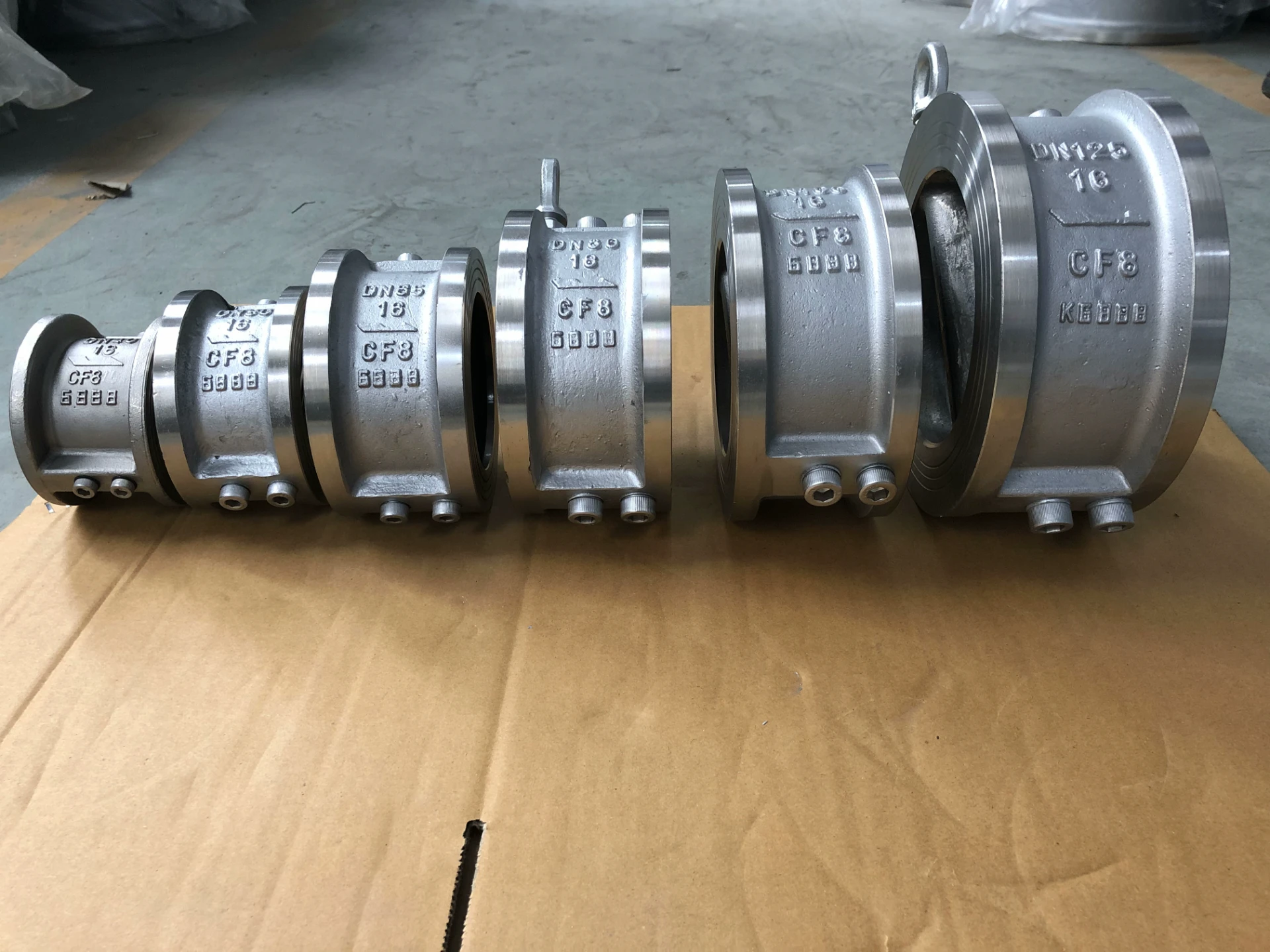
Ductile iron gate valves, manufactured in China, represent a critical component in fluid handling systems across numerous industries, including water treatment, wastewater management, oil and gas, and industrial processing. These valves are distinguished by their robust construction, utilizing ductile iron – a ferrous alloy exhibiting superior mechanical properties compared to traditional gray cast iron. Their primary function is to control flow through a pipeline by raising or lowering a gate, offering minimal obstruction when fully open, resulting in low pressure drop. The manufacturing position within the industry chain places them as vital control elements between pipelines, pumps, and end-use applications. Core performance characteristics center around reliable shut-off capability, long service life, and resistance to corrosion, demanding adherence to stringent quality control procedures throughout the manufacturing process. A key industry pain point revolves around achieving consistent material quality and corrosion resistance in varying operating environments, alongside ensuring leak-tight sealing and preventing premature failure due to cyclic operation. Gate valves offer a cost-effective solution compared to ball or butterfly valves in larger diameter applications where rapid throttling isn't required, making them a preferred choice for isolation services.
Material Science & Manufacturing
The foundation of a China-manufactured ductile iron gate valve lies in its material composition. Ductile iron, chemically defined as FeSiMg, achieves its ductility through the addition of magnesium, resulting in a spheroidal graphite microstructure. This contrasts with the flake graphite structure of gray iron, which causes brittleness. The specific grade of ductile iron utilized typically falls within ASTM A536 65-45-12, denoting minimum tensile strength, yield strength, and elongation values. Raw material sourcing and quality control are paramount, with rigorous testing conducted on incoming iron to verify chemical composition and mechanical properties. The manufacturing process begins with melting the iron in electric arc furnaces, followed by magnesium treatment to induce spheroidization. Casting methods prevalent in Chinese manufacturing include sand casting and investment casting. Sand casting is cost-effective for larger valves, while investment casting provides tighter tolerances and smoother surface finishes, crucial for sealing surfaces. Following casting, the valve body undergoes machining, including facing, drilling, and threading. Gate fabrication commonly utilizes bronze or stainless steel, selected for their corrosion resistance and wear properties. The gate is precisely lapped to ensure a tight seal against the valve seats, typically composed of elastomer materials like EPDM or NBR, chosen for chemical compatibility with the conveyed fluid. Key parameter control during manufacturing includes maintaining consistent magnesium levels during spheroidization, precise control of casting temperatures and cooling rates to prevent defects, and stringent quality checks on gate and seat geometry to guarantee leak-tight performance. The epoxy coating process, a critical step for corrosion protection, requires meticulous surface preparation and consistent film thickness application.
Performance & Engineering
The performance of ductile iron gate valves is governed by several engineering principles. Force analysis is critical in designing the valve body and stem to withstand hydrostatic pressure from the fluid and the mechanical forces generated during gate operation. Finite Element Analysis (FEA) is frequently employed to optimize the valve’s structural integrity, identifying stress concentration points and ensuring the valve can operate safely at its rated pressure. Environmental resistance is a key consideration, particularly concerning corrosion. Ductile iron inherently possesses good corrosion resistance, but external coatings (epoxy, fusion-bonded epoxy) are essential for prolonged service life in harsh environments. Compliance requirements mandate adherence to standards such as API 600 (Steel Gate Valves) and ISO 10434 (Ductile Iron Valves). These standards specify performance criteria, testing procedures, and material requirements. Functional implementation focuses on achieving reliable shut-off. The gate’s wedge design – solid wedge, split wedge, or parallel disk – influences sealing efficiency and pressure drop. The stem design (rising, non-rising) affects operational convenience and visibility of valve position. Leak testing, performed at varying pressures, verifies the valve's ability to prevent fluid leakage. A critical aspect is the selection of appropriate stem packing materials (graphite, PTFE) to prevent leakage around the stem. Furthermore, the valve’s actuation mechanism (handwheel, gear operator, actuator) must be engineered to provide sufficient torque for smooth and reliable gate operation, particularly in larger diameter valves. Cavitation resistance is also crucial in certain applications. Designing the gate profile to minimize flow disturbance and using hardened materials can mitigate the effects of cavitation erosion.
Technical Specifications
| Parameter | Specification (Typical) | Testing Standard | Notes |
|---|---|---|---|
| Body Material | QT450-10 (ASTM A536 65-45-12) | ASTM A536 | Ductile Iron; other grades available. |
| Gate Material | Bronze (e.g., B584) or Stainless Steel (e.g., 316) | ASTM B584 / ASTM A276 | Dependent on fluid compatibility. |
| Seat Material | EPDM, NBR, PTFE | ASTM D2000 | Selected based on fluid temperature and chemical resistance. |
| Pressure Rating | 125 PSI, 250 PSI | API 598 | Higher pressure ratings available. |
| Temperature Range | -20°C to 120°C (-4°F to 248°F) | API 600 | Dependent on seat and packing material. |
| Coating | Epoxy Coating (RAL 5005) | ISO 12944 | Minimum 300μm DFT (Dry Film Thickness). |
Failure Mode & Maintenance
Ductile iron gate valves are susceptible to several failure modes. Fatigue cracking, particularly around the stem threads and gate slots, can occur due to cyclic operation. Corrosion, both external and internal, is a significant concern. External corrosion is addressed by epoxy coatings, but damage to the coating can initiate pitting corrosion. Internal corrosion can occur due to incompatible fluid chemistry, leading to erosion and weakening of the valve body. Delamination of the epoxy coating can also occur, allowing corrosion to progress. Another common failure mode is seat erosion or damage, leading to leakage. This can be caused by abrasive particles in the fluid or improper gate seating. Oxidation of the gate material can also contribute to leakage and increased operating torque. Failure of the stem packing can result in stem leakage. Maintenance strategies include regular inspection of the valve body for signs of corrosion, coating damage, or cracks. Periodic lubrication of the stem threads and gate guides is essential to reduce friction and prevent seizing. Seat replacement should be performed when leakage is detected. Epoxy coating repairs should be undertaken promptly to prevent corrosion spread. Preventative maintenance programs should incorporate torque testing to assess stem and gate operability. Regular monitoring of pressure drop across the valve can indicate fouling or blockage. Proper storage is also critical. Valves should be stored indoors, protected from moisture and contaminants.
Industry FAQ
Q: What is the typical lead time for a large order of custom-spec'd ductile iron gate valves?
A: Lead times vary significantly depending on order volume, complexity, and current manufacturing capacity. Typically, for a large order (e.g., 100+ valves) with custom specifications, lead times range from 12 to 24 weeks. This includes material procurement, casting, machining, coating, testing, and quality control. We recommend a detailed production schedule discussion with our engineering team to establish a realistic timeline.
Q: How does your quality control process ensure the long-term corrosion resistance of the valve coating?
A: Our quality control process for epoxy coating involves several stages. First, meticulous surface preparation, including sandblasting to achieve a specified surface profile, is critical. Second, coating thickness is monitored using calibrated instruments to ensure a minimum of 300μm DFT. Third, holiday testing (high-voltage spark testing) is performed to detect any pinholes or imperfections in the coating. Finally, salt spray testing (ASTM B117) is conducted to evaluate the coating’s resistance to corrosion in a simulated marine environment.
Q: What are the key differences between a solid wedge and a split wedge gate valve, and which is more suitable for high-pressure applications?
A: Solid wedge gate valves offer simpler construction but can be more challenging to seal perfectly, especially with thermal expansion or pipeline misalignment. Split wedge gate valves, with their two wedge pieces, provide better adaptability to these conditions and offer tighter sealing. For high-pressure applications, split wedge gate valves are generally preferred due to their improved sealing performance and reduced risk of leakage under stress.
Q: Can your valves be modified to accommodate specific actuator types (e.g., pneumatic, electric)?
A: Yes, our valves can be readily modified to accommodate various actuator types. We offer both direct-mount and lever-actuated options. Our engineering team will work with you to ensure the actuator mounting interface is compatible and that the valve’s torque requirements are met. We can provide custom machining and bracketry as needed.
Q: What documentation is provided with each valve shipment, and does it include material traceability certificates?
A: Each valve shipment is accompanied by a comprehensive documentation package, including a Material Test Report (MTR) providing full material traceability back to the original steel mill, a hydrostatic test report verifying leak-tight performance, and a dimensional report confirming compliance with specified tolerances. We also provide detailed installation and maintenance instructions.
Conclusion
Ductile iron gate valves manufactured in China represent a reliable and cost-effective solution for fluid control applications, predicated on careful material selection, precise manufacturing processes, and adherence to international standards. The inherent properties of ductile iron, coupled with robust coating systems, provide excellent corrosion resistance and long-term durability. Understanding the potential failure modes and implementing proactive maintenance strategies are crucial for maximizing valve lifespan and minimizing downtime.
Looking ahead, advancements in coating technology and automated manufacturing processes will further enhance the performance and reliability of these valves. Continued emphasis on quality control and material traceability will be paramount to ensuring consistent product quality and meeting the evolving demands of industries requiring dependable fluid handling solutions. The selection of the appropriate gate valve configuration – solid wedge versus split wedge – coupled with proper actuator integration, remains vital for optimizing performance in specific applications.
-
The Essential Guide to Dual Plate Check Valves
-
Swing Check Valve Types: Reliable Flow Control & Backflow Prevention
-
Top Reasons to Choose a Stainless Steel Flange Check Valve for Industrial Applications
-
3 way 2 position solenoid valve Performance Analysis
-
brake solenoid valve Performance Analysis
-
solenoid valve 110v Performance Analysis
-
solenoid valve explosion proof Performance Analysis
-
explosion proof solenoid valves Performance Analysis
-
solenoid valve 3 way 2 position Performance Analysis
-
micro solenoid valve Performance Analysis
-
solenoid ball valve Performance Analysis
-
micro solenoid valves Performance Engineering
-
solenoid ball valves Performance Analysis
-
solenoid valve 5 2 Performance Analysis
-
solenoid valve stainless steel Performance Analysis
 Afrikaans
 Albanian
 Amharic
 Arabic
 Armenian
 Azerbaijani
 Basque
 Belarusian
 Bengali
 Bosnian
 Bulgarian
 Catalan
 Cebuano
 Corsican
 Croatian
 Czech
Czech
 Danish
 Dutch
Dutch
 Esperanto
 Estonian
 Finnish
 French
 Frisian
 Galician
 Georgian
 German
 Greek
Greek
 Gujarati
 Haitian Creole
 Hausa
Hawaiian
Hausa
Hawaiian
 Hebrew
 Hindi
Hindi
 Miao
Miao
 Hungarian
 Icelandic
 Igbo
Igbo
 Indonesian
 Irish
Irish
 Italian
 Japanese
 Javanese
Kannada
Javanese
Kannada
 Kazakh
 Khmer
Khmer
 Rwandese
 Korean
 Kurdish
 Kyrgyz
 Lao
Lao
 Latin
Latin
 Latvian
 Lithuanian
 Luxembourgish
 Macedonian
 Malgashi
 Malay
Malay
 Malayalam
 Maltese
 Maori
Maori
 Marathi
 Mongolian
 Myanmar
 Nepali
 Norwegian
 Norwegian
 Occitan
 Pashto
 Persian
 Polish
 Portuguese
Punjabi
Portuguese
Punjabi
 Romanian
 Russian
 Samoan
 Scottish Gaelic
 Serbian
 Sesotho
 Shona
Shona
 Sindhi
 Sinhala
 Slovak
 Slovenian
 Somali
 Spanish
 Sundanese
 Swahili
 Swedish
Tagalog
Swedish
Tagalog
 Tajik
Tajik
 Tamil
Tamil
 Tatar
Tatar
 Telugu
 Thai
Thai
 Turkish
 Turkmen
 Ukrainian
 Urdu
Urdu
 Uighur
 Uzbek
Uzbek
 Vietnamese
 Welsh
Welsh
 Bantu
Bantu
 Yiddish
 Yoruba
 Zulu
Zulu
 English