




lateral pipe fittings Performance Analysis
Introduction
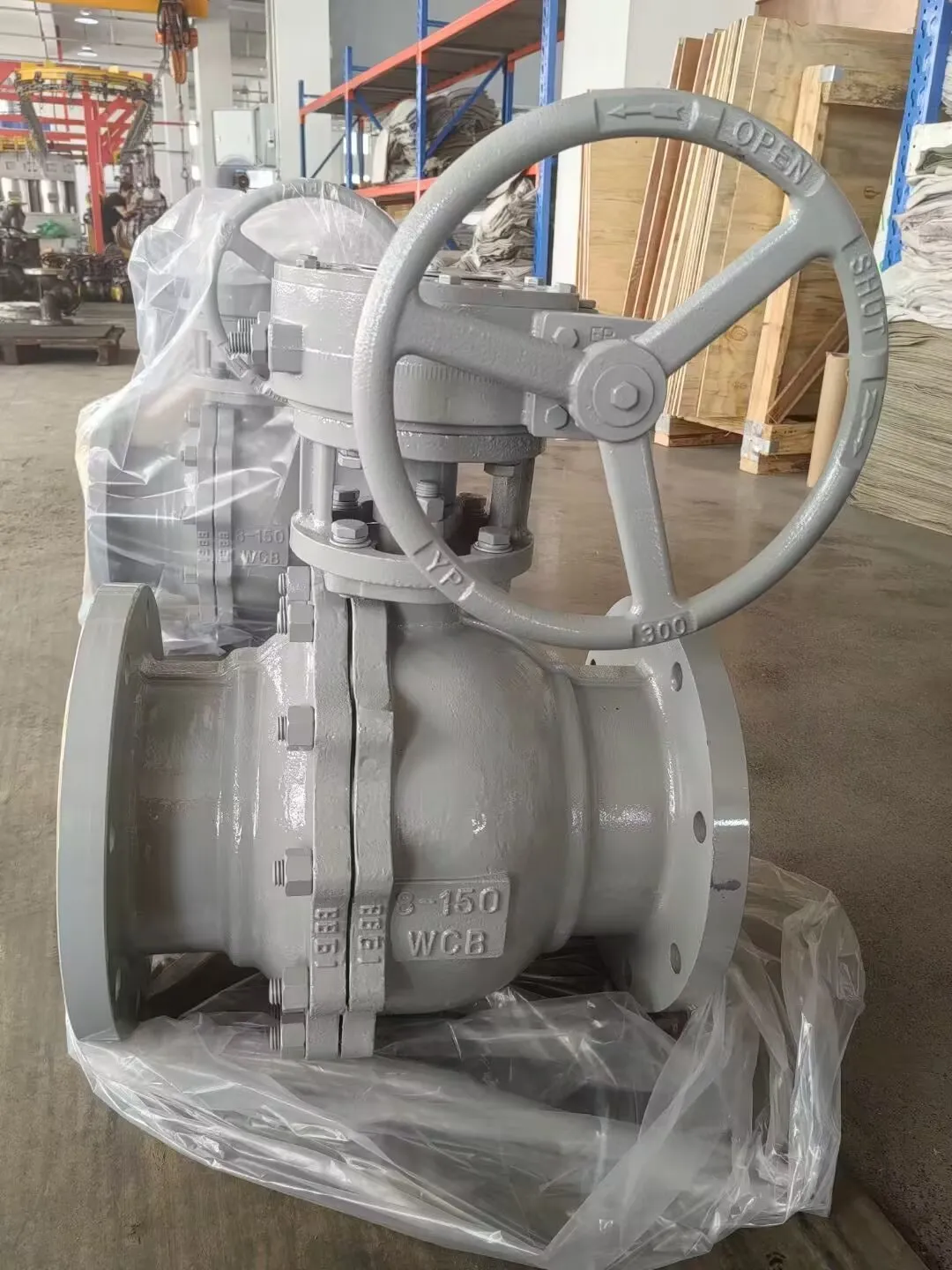
Lateral pipe fittings, also known as branch saddle fittings, are essential components in pipeline systems designed to create a branched connection without disrupting the main flow. They are critically utilized in gravity-fed sewer systems, industrial effluent handling, water distribution networks, and agricultural irrigation. Unlike traditional tee fittings which require cutting and welding into an existing line, lateral connections are typically achieved through saddle-shaped connections mechanically secured or fused to the host pipe. The performance of these fittings is paramount, directly influencing the structural integrity of the pipeline, flow efficiency, and long-term reliability. Proper material selection, installation torque, and sealing mechanisms are crucial to prevent leakage, infiltration, and potential environmental contamination. This guide provides a comprehensive overview of lateral pipe fitting material science, manufacturing processes, performance characteristics, potential failure modes, and relevant industry standards.
Material Science & Manufacturing
The selection of materials for lateral pipe fittings is dictated by the host pipe material, the conveyed fluid, operating pressure, and environmental conditions. Common materials include Polyvinyl Chloride (PVC) – specifically rigid PVC for structural components and flexible PVC for sealing gaskets – Polypropylene (PP), High-Density Polyethylene (HDPE), Ductile Iron, and Stainless Steel. PVC and PP are favored for their corrosion resistance, low cost, and ease of manufacturing via injection molding. HDPE is chosen for its flexibility and weldability, particularly in large-diameter applications. Ductile iron and stainless steel offer superior strength and are employed in high-pressure or chemically aggressive environments.
Manufacturing processes vary depending on the material. PVC and PP fittings are primarily produced through injection molding. This involves melting the polymer resin, injecting it into a mold cavity under high pressure, cooling, and ejecting the finished fitting. Critical parameters during injection molding include melt temperature, injection pressure, cooling time, and mold temperature. Variations in these parameters can influence the fitting’s dimensional accuracy, surface finish, and mechanical properties. HDPE fittings are often manufactured through rotational molding or butt fusion welding. Rotational molding involves heating a powdered resin within a rotating mold, allowing it to coat the inner surfaces and solidify. Butt fusion welding directly joins HDPE components using controlled heat and pressure. Ductile iron fittings are typically manufactured via sand casting, requiring precise mold creation and controlled cooling to minimize porosity and ensure dimensional accuracy. Stainless steel fittings are often produced through investment casting or machining from solid stock, prioritizing corrosion resistance and surface finish.
Performance & Engineering
The performance of lateral pipe fittings is critically dependent on their ability to withstand internal pressure, external loads (soil load, traffic load), shear stresses at the connection point, and potential for deflection. Finite Element Analysis (FEA) is routinely employed to simulate stress distributions and optimize fitting geometry. A key engineering consideration is the saddle's contact area with the host pipe. Insufficient contact area leads to localized stress concentration and potential failure. The sealing mechanism – typically an elastomeric gasket – must provide a watertight seal under varying pressures and temperatures. Gasket material selection is crucial; materials like EPDM, Nitrile, and Silicone are common, each offering different levels of chemical resistance and temperature tolerance.
Compliance with industry standards, such as ASTM D3212 for PVC fittings and AWWA C905 for ductile iron fittings, is essential. These standards specify minimum requirements for material properties, dimensional tolerances, and performance testing. Specific attention must be paid to deflection testing, which assesses the fitting’s ability to accommodate pipe movement due to thermal expansion/contraction or soil settlement. Corrosion resistance is also paramount, particularly in aggressive soil environments. Protective coatings, such as epoxy or polyethylene, are often applied to ductile iron fittings to prevent corrosion. The mechanical fastening system (bolts, clamps) must be designed to maintain sufficient clamping force over the fitting’s service life, accounting for potential bolt relaxation and creep.
Technical Specifications
| Parameter | PVC Fitting (Schedule 40) | HDPE Fitting (PE100) | Ductile Iron Fitting | Stainless Steel 316 Fitting |
|---|---|---|---|---|
| Material | Rigid PVC | HDPE (PE100) | Ductile Iron (65-45-12) | Stainless Steel 316 |
| Pressure Rating (PSI) | 100 @ 73°F | 160 @ 73°F (dependent on SDR) | 350 PSI | 500 PSI |
| Temperature Range (°F) | 14°F to 140°F | 32°F to 180°F | -20°F to 250°F | -328°F to 662°F |
| Connection Type | Solvent Cement, Mechanical Joint | Butt Fusion, Electrofusion | Mechanical Joint, Flanged | Welded, Flanged |
| Diameter Range (inches) | 4" - 12" | 6" - 60" | 4" - 48" | 2" - 24" |
| Typical Applications | Sewer, Drainage, Irrigation | Water, Gas, Industrial Effluent | Water, Wastewater, High-Pressure | Corrosive Environments, High Purity |
Failure Mode & Maintenance
Lateral pipe fittings are susceptible to several failure modes. Cracking, particularly in PVC fittings, can occur due to stress concentration around the saddle opening, especially if improper installation techniques (over-tightening bolts, inadequate support) are employed. Gasket failure, manifested as leakage, is common due to material degradation (UV exposure, chemical attack), improper installation (misalignment, damage), or insufficient clamping force. Corrosion is a significant concern for ductile iron fittings, leading to weakening and eventual failure. Creep and bolt relaxation in mechanically fastened connections can reduce clamping force over time, compromising the seal. In HDPE fittings, stress cracking can occur due to slow crack growth initiated by environmental stress cracking (ESC) or crazing.
Preventative maintenance is crucial. Regular visual inspections should be conducted to identify signs of cracking, corrosion, or gasket deterioration. Torque checks on bolts should be performed periodically to ensure adequate clamping force. Gaskets should be replaced when signs of degradation are observed. For ductile iron fittings, regular coating inspections and repairs are essential to prevent corrosion. Proper backfilling and soil compaction around the fitting are critical to provide adequate support and prevent stress concentration. In areas with aggressive soil conditions, cathodic protection may be necessary to mitigate corrosion. Detailed records of inspections and maintenance activities should be maintained to track performance and identify potential issues before they escalate into failures.
Industry FAQ
Q: What are the primary differences in installation procedures between PVC and HDPE lateral fittings?
A: PVC lateral fittings typically utilize solvent cement for joining to the host pipe, requiring meticulous surface preparation and proper application techniques to ensure a watertight seal. Mechanical joint connections are also common. HDPE fittings, conversely, are predominantly joined using heat fusion techniques – butt fusion or electrofusion – requiring specialized equipment and trained personnel to achieve a consistent, reliable weld. HDPE also demands careful consideration of thermal expansion and contraction during installation.
Q: How does soil corrosivity impact the selection of lateral fitting materials?
A: Highly corrosive soils – those with high sulfate content, low pH, or significant chloride concentrations – necessitate the use of corrosion-resistant materials like stainless steel or ductile iron with robust protective coatings. PVC and HDPE offer inherent corrosion resistance to many soil conditions but may be susceptible to degradation in extreme environments. Soil testing is crucial to determine corrosivity levels and inform material selection.
Q: What are the critical factors to consider when specifying the gasket material for a lateral fitting?
A: The gasket material must be chemically compatible with the conveyed fluid and the surrounding environment. Temperature range is also crucial; the gasket must maintain its sealing properties across the expected operating temperature. Consider the expected pressure and the degree of pipe deflection. EPDM is generally a good all-purpose gasket material, but nitrile may be preferred for oil-based fluids and silicone for high-temperature applications.
Q: What is the significance of SDR (Standard Dimension Ratio) in HDPE lateral fittings?
A: SDR is a dimensionless ratio of a pipe's outside diameter to its wall thickness. A lower SDR indicates a thicker wall and higher pressure rating. Selecting the appropriate SDR for HDPE lateral fittings is critical to ensure they can withstand the anticipated operating pressure and external loads. Consult relevant standards and engineering calculations to determine the correct SDR for a specific application.
Q: What are the common causes of leakage at lateral fitting connections and how can they be mitigated?
A: Leakage often stems from improper installation (insufficient tightening, damaged gaskets), material degradation (gasket aging, corrosion), or soil movement causing stress on the connection. Mitigation strategies include meticulous installation practices, regular torque checks, periodic gasket replacement, proper backfilling and compaction, and selecting materials compatible with the soil and conveyed fluid.
Conclusion
Lateral pipe fittings represent a critical interface within pipeline systems, demanding careful consideration of material science, manufacturing precision, and robust engineering design. Selecting the appropriate material, considering the specific application requirements, and adhering to relevant industry standards are paramount to ensuring long-term performance, minimizing failure risks, and maintaining environmental integrity. The continued development of advanced materials and improved manufacturing techniques will further enhance the reliability and longevity of these essential components.
Future advancements will likely focus on enhanced sealing technologies, improved corrosion resistance, and the integration of smart monitoring systems to detect early signs of failure. Predictive maintenance strategies, leveraging data analytics and sensor technology, will become increasingly important in optimizing the lifecycle cost and minimizing downtime associated with lateral pipe fitting systems. A holistic approach, encompassing material selection, installation best practices, and proactive maintenance, remains the cornerstone of a durable and sustainable pipeline infrastructure.
-
The Essential Guide to Dual Plate Check Valves
-
Swing Check Valve Types: Reliable Flow Control & Backflow Prevention
-
Top Reasons to Choose a Stainless Steel Flange Check Valve for Industrial Applications
-
3 way 2 position solenoid valve Performance Analysis
-
brake solenoid valve Performance Analysis
-
solenoid valve 110v Performance Analysis
-
solenoid valve explosion proof Performance Analysis
-
explosion proof solenoid valves Performance Analysis
-
solenoid valve 3 way 2 position Performance Analysis
-
micro solenoid valve Performance Analysis
-
solenoid ball valve Performance Analysis
-
micro solenoid valves Performance Engineering
-
solenoid ball valves Performance Analysis
-
solenoid valve 5 2 Performance Analysis
-
solenoid valve stainless steel Performance Analysis
 Afrikaans
 Albanian
 Amharic
 Arabic
 Armenian
 Azerbaijani
 Basque
 Belarusian
 Bengali
 Bosnian
 Bulgarian
 Catalan
 Cebuano
 Corsican
 Croatian
 Czech
Czech
 Danish
 Dutch
Dutch
 Esperanto
 Estonian
 Finnish
 French
 Frisian
 Galician
 Georgian
 German
 Greek
Greek
 Gujarati
 Haitian Creole
 Hausa
Hawaiian
Hausa
Hawaiian
 Hebrew
 Hindi
Hindi
 Miao
Miao
 Hungarian
 Icelandic
 Igbo
Igbo
 Indonesian
 Irish
Irish
 Italian
 Japanese
 Javanese
Kannada
Javanese
Kannada
 Kazakh
 Khmer
Khmer
 Rwandese
 Korean
 Kurdish
 Kyrgyz
 Lao
Lao
 Latin
Latin
 Latvian
 Lithuanian
 Luxembourgish
 Macedonian
 Malgashi
 Malay
Malay
 Malayalam
 Maltese
 Maori
Maori
 Marathi
 Mongolian
 Myanmar
 Nepali
 Norwegian
 Norwegian
 Occitan
 Pashto
 Persian
 Polish
 Portuguese
Punjabi
Portuguese
Punjabi
 Romanian
 Russian
 Samoan
 Scottish Gaelic
 Serbian
 Sesotho
 Shona
Shona
 Sindhi
 Sinhala
 Slovak
 Slovenian
 Somali
 Spanish
 Sundanese
 Swahili
 Swedish
Tagalog
Swedish
Tagalog
 Tajik
Tajik
 Tamil
Tamil
 Tatar
Tatar
 Telugu
 Thai
Thai
 Turkish
 Turkmen
 Ukrainian
 Urdu
Urdu
 Uighur
 Uzbek
Uzbek
 Vietnamese
 Welsh
Welsh
 Bantu
Bantu
 Yiddish
 Yoruba
 Zulu
Zulu
 English