




poly gas pipe compression fittings Performance Analysis
Introduction
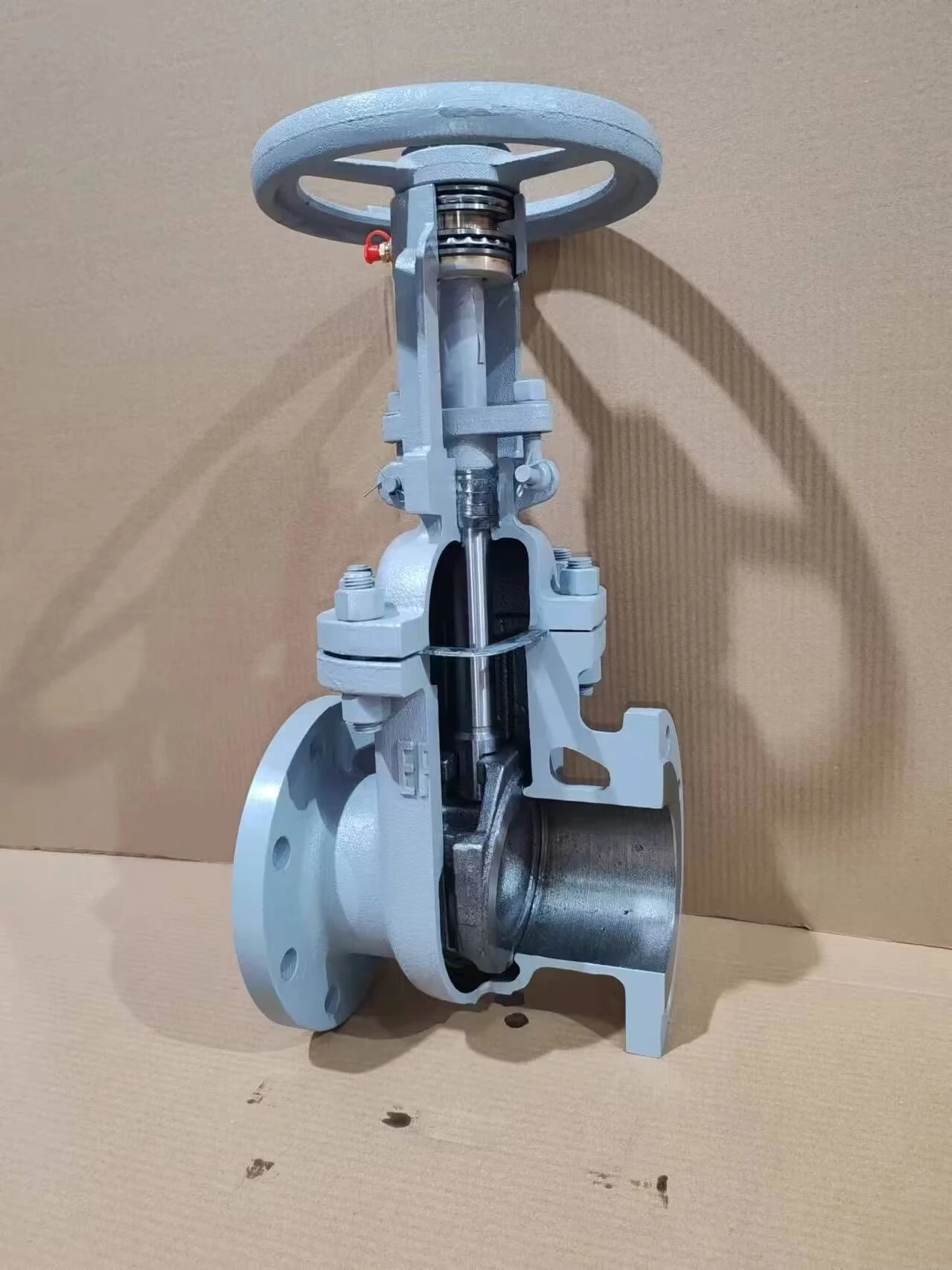
Poly gas pipe compression fittings represent a critical component in modern natural gas distribution systems, offering a robust and reliable method for joining polyethylene (PE) gas piping. Unlike threaded or solvent-welded connections, compression fittings utilize mechanical pressure to create a gas-tight seal, eliminating the need for hot work and reducing installation time. These fittings are specifically engineered to handle the low-pressure gas transmission found in residential, commercial, and industrial settings. Their application spans indoor and outdoor installations, necessitating materials resistant to environmental degradation and capable of maintaining long-term performance. A primary benefit lies in their adaptability to various pipe schedules and diameters within specified ranges, offering flexibility for diverse piping configurations. Critical performance characteristics include leak-tightness, resistance to vibration, and the ability to accommodate thermal expansion and contraction of the PE pipe. This guide provides an in-depth technical analysis of poly gas pipe compression fittings, covering material science, manufacturing processes, performance engineering, failure modes, and relevant industry standards.
Material Science & Manufacturing
The core material for poly gas pipe compression fittings is typically brass (typically C37700 or equivalent), stainless steel (304 or 316), or engineered polymers like Polypropylene (PP) or Acetal. Brass is favored for its machinability, corrosion resistance, and cost-effectiveness. Stainless steel offers superior corrosion resistance, particularly in harsh environments, but comes at a higher material cost. The fitting body itself is often manufactured through hot forging or machining from bar stock. Compression rings (also known as ferrules) are commonly produced from stainless steel (304/316) or brass. The material selection for the compression ring is paramount; it must possess sufficient hardness and ductility to conform tightly to the pipe surface under compression without fracturing. The manufacturing process for compression rings often involves cold heading or precision turning. The sealing element, often an O-ring, is typically manufactured from Nitrile Butadiene Rubber (NBR), Ethylene Propylene Diene Monomer (EPDM), or Fluorocarbon (Viton), chosen for their gas impermeability and compatibility with natural gas. Key manufacturing parameters include dimensional tolerances (critical for ensuring a proper fit with the pipe), surface finish (influencing sealing effectiveness), and heat treatment processes (optimizing material hardness and ductility). Quality control measures such as non-destructive testing (NDT) – including ultrasonic testing and visual inspection – are employed to identify defects like porosity, cracks, and dimensional inaccuracies. Chemical composition verification is also crucial to ensure material compliance with relevant standards.
Performance & Engineering
The performance of poly gas pipe compression fittings is fundamentally governed by the principles of mechanical sealing and stress distribution. When the nut is tightened, it exerts a compressive force onto the compression ring, which in turn deforms and creates a tight interference fit with the outer surface of the polyethylene pipe. The magnitude of this compressive force directly impacts the sealing efficiency. Finite Element Analysis (FEA) is frequently employed during the design phase to optimize the fitting geometry and predict stress concentrations under various loading conditions, including internal gas pressure, thermal cycling, and mechanical vibration. A critical engineering consideration is the material compatibility between the fitting components and the polyethylene pipe. Differential thermal expansion coefficients between brass/stainless steel and PE can induce stress at the interface, potentially leading to leaks over time. The design must account for this through appropriate material selection and fitting geometry. Compliance with industry standards, such as those established by the American Gas Association (AGA) and local building codes, is essential. These standards specify requirements for pressure testing, leak testing, and material certifications. Furthermore, the fitting's resistance to environmental factors, such as ultraviolet (UV) radiation and moisture, must be assessed to ensure long-term reliability, particularly for outdoor applications. Corrosion resistance is also paramount, especially in areas with exposure to corrosive substances. Proper installation procedures, including the correct tightening torque and pipe preparation, are crucial to achieve optimal performance.
Technical Specifications
| Parameter | Material (Body) | Material (Ring) | Pressure Rating (PSI) | Temperature Rating (°F) | Pipe Compatibility (IPS) |
|---|---|---|---|---|---|
| 1/2" Fitting | Brass (C37700) | Stainless Steel (304) | 150 | -40 to 140 | 1/2", 3/4" |
| 3/4" Fitting | Brass (C37700) | Stainless Steel (304) | 150 | -40 to 140 | 1/2", 3/4", 1" |
| 1" Fitting | Stainless Steel (316) | Stainless Steel (316) | 200 | -40 to 180 | 1", 1 1/4" |
| 1 1/4" Fitting | Stainless Steel (316) | Stainless Steel (316) | 200 | -40 to 180 | 1 1/4", 1 1/2" |
| 1 1/2" Fitting | Stainless Steel (316) | Stainless Steel (316) | 200 | -40 to 180 | 1 1/2", 2" |
| 2" Fitting | Stainless Steel (316) | Stainless Steel (316) | 200 | -40 to 180 | 2", 2 1/2" |
Failure Mode & Maintenance
Common failure modes in poly gas pipe compression fittings include leakage due to improper installation (under- or over-tightening of the nut), corrosion of metallic components, cracking or deformation of the compression ring, and degradation of the O-ring seal. Under-tightening results in insufficient compressive force, leading to gas leakage. Over-tightening can deform the compression ring and damage the PE pipe, also resulting in leakage. Galvanic corrosion can occur when dissimilar metals (e.g., brass and stainless steel) are in contact in a moist environment. Crevice corrosion can initiate beneath the compression ring if debris accumulates. The O-ring is susceptible to degradation due to prolonged exposure to UV radiation, ozone, and temperature fluctuations, leading to loss of sealing capability. Fatigue cracking can occur in the compression ring due to repeated stress cycles caused by thermal expansion and contraction or mechanical vibration. Preventative maintenance involves periodic visual inspection for signs of corrosion, leakage, or damage. Regular torque checks (using a calibrated torque wrench) are recommended to ensure proper nut tightening. Damaged or corroded components should be replaced immediately. O-rings should be inspected for cracks or deterioration and replaced as needed. When replacing fittings, ensure the correct materials are used and that installation procedures are followed meticulously. Proper pipe preparation, including deburring and cleaning, is critical for a reliable connection. Storage of fittings in a dry, protected environment is also recommended to prevent corrosion.
Industry FAQ
Q: What is the recommended tightening torque for a 1/2" brass compression fitting on a PE gas pipe?
A: The recommended tightening torque for a 1/2" brass compression fitting on PE gas pipe is typically between 15-20 ft-lbs. However, always refer to the manufacturer's specifications, as torque values can vary. Using a calibrated torque wrench is essential to ensure accurate and consistent tightening, avoiding both under-tightening and over-tightening.
Q: Can compression fittings be used with cross-linked polyethylene (PEX) gas piping?
A: Generally, no. Compression fittings are specifically designed for use with polyethylene (PE) gas piping. PEX has different dimensional characteristics and material properties than PE, and using a compression fitting designed for PE on PEX can lead to leaks and potentially hazardous situations. Specialized PEX fittings should be used for PEX gas piping.
Q: What is the impact of thermal expansion and contraction on the performance of compression fittings?
A: Thermal expansion and contraction of the PE pipe can induce stress on the compression fitting, potentially leading to loosening of the connection or deformation of the compression ring. The fitting design should incorporate sufficient flexibility to accommodate these movements. Proper installation, including avoiding excessive bending of the pipe near the fitting, is crucial. Periodic inspection and torque checks are recommended to maintain a secure connection.
Q: What type of lubricant should be used when installing compression fittings on PE pipe?
A: A small amount of approved pipe thread sealant or a lubricant specifically designed for polyethylene pipe (e.g., a silicone-based lubricant) can be used on the pipe before inserting it into the fitting. Avoid using petroleum-based lubricants, as they can degrade the PE pipe and compromise the seal. Always follow the manufacturer’s instructions regarding lubrication.
Q: How often should compression fittings be inspected as part of a preventative maintenance program?
A: Compression fittings should be visually inspected at least annually, or more frequently in harsh environments (e.g., outdoor exposure, corrosive atmospheres). Inspect for signs of corrosion, leakage, physical damage, and proper tightening. Torque checks should be performed during these inspections to ensure the connection remains secure. Document all inspection findings and any maintenance actions taken.
Conclusion
Poly gas pipe compression fittings provide a versatile and reliable solution for joining polyethylene gas piping, offering advantages such as ease of installation and adaptability. However, their long-term performance hinges on meticulous material selection, precise manufacturing processes, and adherence to proper installation procedures. Understanding the underlying principles of mechanical sealing, stress distribution, and material compatibility is crucial for engineers and technicians responsible for gas distribution systems.
Looking ahead, advancements in materials science and fitting design will likely focus on enhancing corrosion resistance, improving sealing performance under extreme conditions, and developing smart fittings with integrated sensors for leak detection and condition monitoring. Continued adherence to industry standards and best practices, coupled with robust preventative maintenance programs, will remain essential for ensuring the safety and reliability of natural gas distribution infrastructure.
-
The Essential Guide to Dual Plate Check Valves
-
Swing Check Valve Types: Reliable Flow Control & Backflow Prevention
-
Top Reasons to Choose a Stainless Steel Flange Check Valve for Industrial Applications
-
High Temperature Solenoid Valves Performance Analysis
-
hot water solenoid valves Performance Analysis
-
solenoid valve mini Performance Analysis
-
explosion proof solenoid valve Performance Analysis
-
2 position 3 way solenoid valve Performance Analysis
-
3 way 2 position solenoid valve Performance Analysis
-
brake solenoid valve Performance Analysis
-
solenoid valve 110v Performance Analysis
-
solenoid valve explosion proof Performance Analysis
-
explosion proof solenoid valves Performance Analysis
-
solenoid valve 3 way 2 position Performance Analysis
-
micro solenoid valve Performance Analysis
 Afrikaans
 Albanian
 Amharic
 Arabic
 Armenian
 Azerbaijani
 Basque
 Belarusian
 Bengali
 Bosnian
 Bulgarian
 Catalan
 Cebuano
 Corsican
 Croatian
 Czech
Czech
 Danish
 Dutch
Dutch
 Esperanto
 Estonian
 Finnish
 French
 Frisian
 Galician
 Georgian
 German
 Greek
Greek
 Gujarati
 Haitian Creole
 Hausa
Hawaiian
Hausa
Hawaiian
 Hebrew
 Hindi
Hindi
 Miao
Miao
 Hungarian
 Icelandic
 Igbo
Igbo
 Indonesian
 Irish
Irish
 Italian
 Japanese
 Javanese
Kannada
Javanese
Kannada
 Kazakh
 Khmer
Khmer
 Rwandese
 Korean
 Kurdish
 Kyrgyz
 Lao
Lao
 Latin
Latin
 Latvian
 Lithuanian
 Luxembourgish
 Macedonian
 Malgashi
 Malay
Malay
 Malayalam
 Maltese
 Maori
Maori
 Marathi
 Mongolian
 Myanmar
 Nepali
 Norwegian
 Norwegian
 Occitan
 Pashto
 Persian
 Polish
 Portuguese
Punjabi
Portuguese
Punjabi
 Romanian
 Russian
 Samoan
 Scottish Gaelic
 Serbian
 Sesotho
 Shona
Shona
 Sindhi
 Sinhala
 Slovak
 Slovenian
 Somali
 Spanish
 Sundanese
 Swahili
 Swedish
Tagalog
Swedish
Tagalog
 Tajik
Tajik
 Tamil
Tamil
 Tatar
Tatar
 Telugu
 Thai
Thai
 Turkish
 Turkmen
 Ukrainian
 Urdu
Urdu
 Uighur
 Uzbek
Uzbek
 Vietnamese
 Welsh
Welsh
 Bantu
Bantu
 Yiddish
 Yoruba
 Zulu
Zulu
 English