




8 inch gate valve Performance Engineering
Introduction
The 8-inch gate valve is a critical component in industrial fluid handling systems, functioning as an isolation valve to control the flow of liquids, gases, or slurries. Positioned within the broader network of pipeline infrastructure, it serves to either fully open or fully close, rarely modulating flow. Its primary role is on/off control, making it essential in applications demanding tight shut-off and minimal pressure drop when fully open. The 8-inch designation refers to the nominal pipe size it's designed to accommodate, impacting its physical dimensions and pressure-bearing capacity. Core performance characteristics center around sealing capability, pressure rating, and longevity under varying operational conditions. The industry faces persistent challenges related to maintaining leak-free operation, particularly with abrasive media or extreme temperatures, and ensuring long-term reliability in demanding process environments. This guide provides a comprehensive technical overview of 8-inch gate valves, covering material science, manufacturing processes, performance engineering, potential failure modes, and relevant industry standards.
Material Science & Manufacturing
The body of an 8-inch gate valve is commonly constructed from materials like cast iron (ASTM A126 Class B), ductile iron (ASTM A536 65-45-12), carbon steel (ASTM A216 WCB), or stainless steel (ASTM A351 Grade CF8/CF8M). The choice of material directly influences corrosion resistance, pressure handling capability, and temperature limitations. Cast iron offers cost-effectiveness but limited corrosion resistance, necessitating protective coatings. Ductile iron provides improved strength and ductility. Carbon steel is widely used for general applications with moderate corrosion concerns. Stainless steel offers superior corrosion resistance, vital for handling corrosive fluids, but comes at a higher cost. The gate itself is often manufactured from bronze (ASTM B584), stainless steel (ASTM A276 Type 304/316), or alloy steel, selected for its wear resistance and sealing properties. Seat materials are crucial for leak-tightness and typically comprise elastomers like EPDM, NBR, or PTFE, or metallic seats for high-temperature applications.
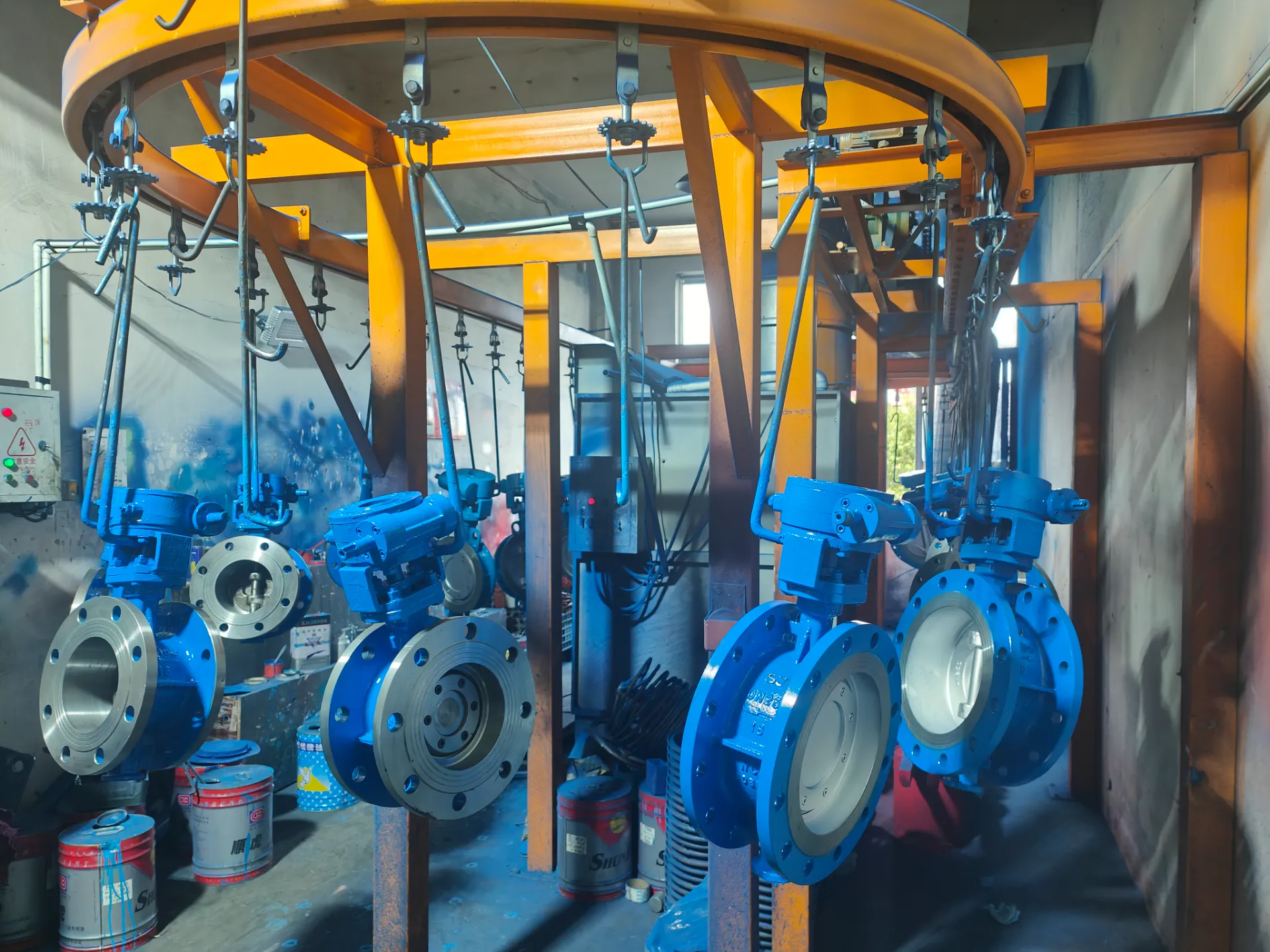
Manufacturing processes involve casting or forging the valve body, followed by machining to precise dimensions. Welding (SMAW, GTAW, or FCAW depending on material and application) is frequently used to join components. Gate valves rely on precise alignment of the gate and seat. Achieving this necessitates meticulous machining and lapping processes to ensure a smooth, flat sealing surface. Critical parameters during manufacturing include dimensional tolerances, surface finish of sealing surfaces (Ra values typically below 1.6 µm for metal seats), and weld quality (ensuring complete penetration and freedom from defects via non-destructive testing – radiography, ultrasonic testing, or liquid penetrant inspection). Coating application (epoxy, fusion bonded epoxy - FBE) is a key step for corrosion protection. Quality control is paramount, employing hydrostatic testing to verify pressure integrity and seat leakage testing to confirm sealing performance.
Performance & Engineering
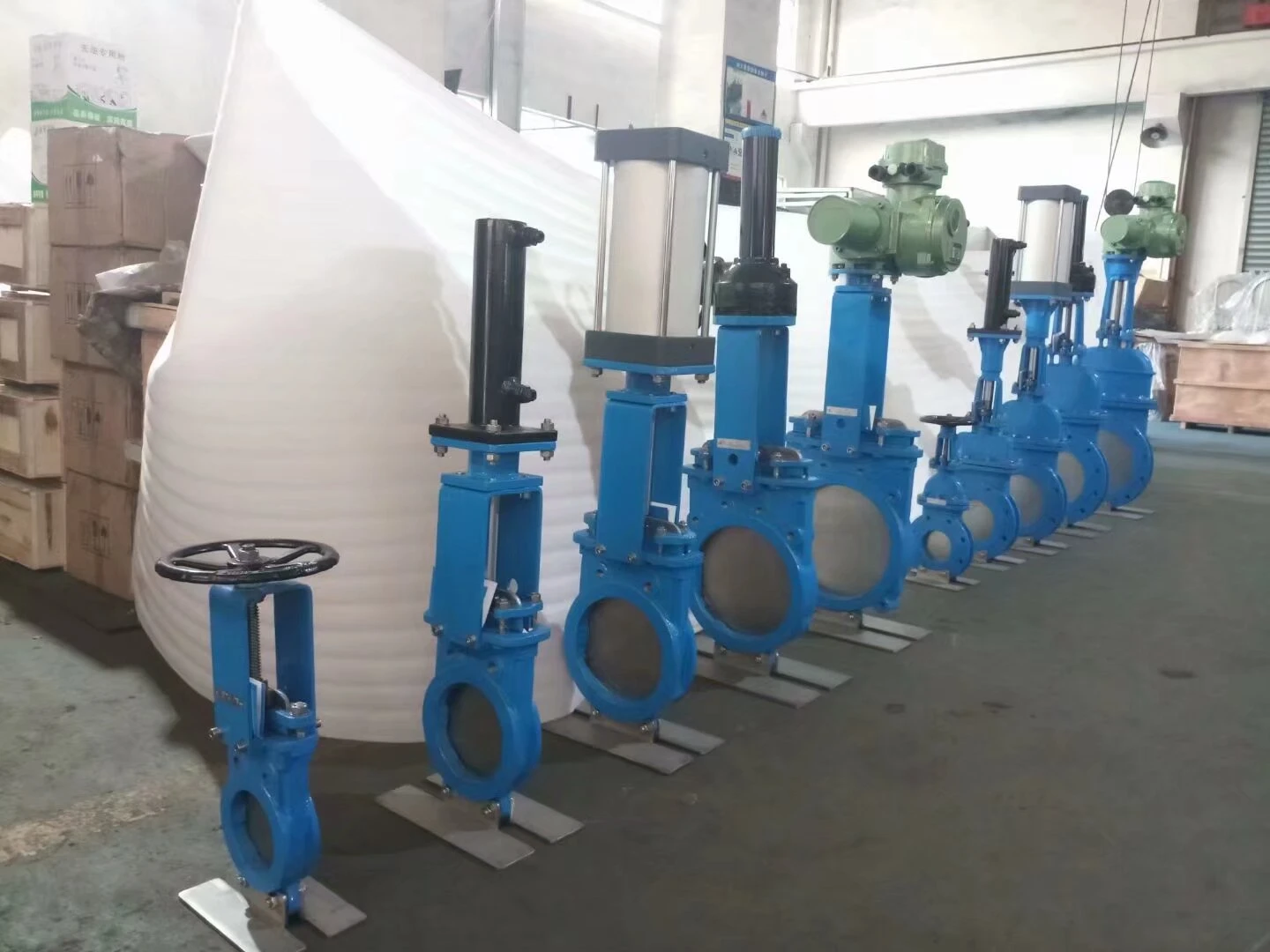
Performance of an 8-inch gate valve is dictated by its pressure-temperature rating (ANSI/ASME B16.34), flow coefficient (Cv), and leakage class (ANSI/FCI 70-2). Force analysis during operation considers the hydrostatic forces exerted by the fluid, the mechanical forces from actuator operation (handwheel, gear operator, or automated actuator), and the thermal stresses induced by temperature variations. Environmental resistance is critical; valves operating in corrosive atmospheres require appropriate material selection and protective coatings. Compliance requirements dictate adherence to standards like API 600 (steel gate valves), API 610 (centrifugal pumps, often used with gate valves in systems), and relevant regional regulations. Functional implementation involves selecting the appropriate actuator type based on torque requirements, operating frequency, and safety considerations. Proper valve sizing is essential to minimize pressure drop and avoid cavitation or erosion. Consideration must be given to fluid velocity; excessive velocities can lead to erosion of valve components. The design must also account for potential water hammer effects during rapid valve closure.
Technical Specifications
| Parameter | Specification (Typical) | Unit | Test Standard |
|---|---|---|---|
| Nominal Pipe Size | 8 | inches | ANSI B16.1 |
| Pressure Rating | 150, 300, 600 | psi | ANSI B16.34 |
| Body Material | Carbon Steel (A216 WCB), Stainless Steel (A351 CF8) | - | ASTM A216, ASTM A351 |
| Gate Material | Bronze (B584), Stainless Steel (A276 Type 316) | - | ASTM B584, ASTM A276 |
| Seat Material | EPDM, NBR, PTFE | - | - |
| Connection Type | Welded, Flanged (ANSI B16.5) | - | ANSI B16.5 |
Failure Mode & Maintenance
Common failure modes in 8-inch gate valves include seat erosion or damage (leading to leakage), gate sticking (due to corrosion, debris, or improper lubrication), body cracking (resulting from excessive stress or material defects), and actuator failure. Fatigue cracking can occur in the valve body or gate under cyclic loading conditions. Delamination of coatings exposes the base metal to corrosion. Oxidation of metallic components reduces their strength and sealing capability. Cavitation, induced by excessive fluid velocity, causes pitting and erosion of valve internals.
Preventative maintenance is crucial. Regular inspection for signs of corrosion, leakage, or mechanical damage is essential. Periodic lubrication of the stem and gate is vital to prevent sticking. Seat replacement may be necessary if leakage persists. Non-destructive testing (NDT) methods like ultrasonic testing can detect internal flaws. Proper operation, avoiding rapid opening/closing, minimizes water hammer and reduces stress on valve components. When replacing components, ensure compatibility of materials and adherence to manufacturer’s specifications. Scheduled hydrostatic testing confirms pressure integrity. Record-keeping of all maintenance activities provides a valuable history for identifying trends and predicting potential failures.
Industry FAQ
Q: What are the key differences between a gate valve and a ball valve for isolation service?
A: Gate valves offer minimal pressure drop when fully open, making them suitable for applications where pressure loss is critical. Ball valves, however, provide quicker operation and are generally more reliable in frequent cycling applications. Gate valves are typically preferred for on/off service where the valve remains in the fully open or fully closed position for extended periods. Ball valves are better suited for more frequent operation.
Q: How does the choice of seat material impact the valve's performance with different fluids?
A: Seat material compatibility is paramount. Elastomeric seats (EPDM, NBR) are suitable for general-purpose applications with compatible fluids. PTFE seats offer broader chemical resistance. Metallic seats are used for high-temperature applications or when compatibility with elastomers is an issue. Incorrect seat material selection can lead to swelling, degradation, and ultimately, leakage.
Q: What is the significance of the 'leakage class' specification for a gate valve?
A: The leakage class (as defined by ANSI/FCI 70-2) defines the maximum permissible leakage rate through the valve seat when fully closed. Lower leakage classes (e.g., Class VI) indicate tighter shut-off and are required in critical applications where even minimal leakage is unacceptable. Higher classes allow for slightly more leakage.
Q: How does the operating temperature affect the choice of valve materials?
A: High temperatures reduce the strength and creep resistance of many materials. Valves operating at elevated temperatures require materials with high-temperature capabilities, such as stainless steel alloys or specific carbon steel grades. Elastomeric seats also have temperature limitations; exceeding these limits can cause degradation and failure.
Q: What are the common causes of gate valve 'chatter' and how can it be addressed?
A: Chatter, or vibration during operation, is often caused by high fluid velocity, improper valve sizing, or debris lodged between the gate and seat. Addressing this requires verifying correct valve sizing, reducing fluid velocity, cleaning the valve internals, or ensuring proper stem lubrication. Also check for worn guides or distorted gate that impacts proper seating.
Conclusion
The 8-inch gate valve remains a foundational component in numerous industrial applications, providing reliable flow isolation when properly specified, installed, and maintained. Understanding the interplay between material science, manufacturing processes, and performance engineering is crucial for optimizing valve lifespan and minimizing operational risks. Careful consideration of fluid compatibility, pressure-temperature ratings, and industry standards is paramount to prevent premature failure and ensure long-term system integrity.
Looking ahead, advancements in valve design and materials will continue to enhance performance and reliability. The increasing demand for leak-tightness and reduced maintenance will drive innovation in sealing technologies and surface treatments. Predictive maintenance strategies, leveraging sensor data and analytics, will become increasingly prevalent, enabling proactive identification of potential issues and extending valve service life. The proper selection, installation, and maintenance of 8-inch gate valves are critical to the safe and efficient operation of any industrial fluid handling system.
-
The Essential Guide to Dual Plate Check Valves
-
Swing Check Valve Types: Reliable Flow Control & Backflow Prevention
-
Top Reasons to Choose a Stainless Steel Flange Check Valve for Industrial Applications
-
High Temperature Solenoid Valves Performance Analysis
-
hot water solenoid valves Performance Analysis
-
solenoid valve mini Performance Analysis
-
explosion proof solenoid valve Performance Analysis
-
2 position 3 way solenoid valve Performance Analysis
-
3 way 2 position solenoid valve Performance Analysis
-
brake solenoid valve Performance Analysis
-
solenoid valve 110v Performance Analysis
-
solenoid valve explosion proof Performance Analysis
-
explosion proof solenoid valves Performance Analysis
-
solenoid valve 3 way 2 position Performance Analysis
-
micro solenoid valve Performance Analysis
 Afrikaans
 Albanian
 Amharic
 Arabic
 Armenian
 Azerbaijani
 Basque
 Belarusian
 Bengali
 Bosnian
 Bulgarian
 Catalan
 Cebuano
 Corsican
 Croatian
 Czech
Czech
 Danish
 Dutch
Dutch
 Esperanto
 Estonian
 Finnish
 French
 Frisian
 Galician
 Georgian
 German
 Greek
Greek
 Gujarati
 Haitian Creole
 Hausa
Hawaiian
Hausa
Hawaiian
 Hebrew
 Hindi
Hindi
 Miao
Miao
 Hungarian
 Icelandic
 Igbo
Igbo
 Indonesian
 Irish
Irish
 Italian
 Japanese
 Javanese
Kannada
Javanese
Kannada
 Kazakh
 Khmer
Khmer
 Rwandese
 Korean
 Kurdish
 Kyrgyz
 Lao
Lao
 Latin
Latin
 Latvian
 Lithuanian
 Luxembourgish
 Macedonian
 Malgashi
 Malay
Malay
 Malayalam
 Maltese
 Maori
Maori
 Marathi
 Mongolian
 Myanmar
 Nepali
 Norwegian
 Norwegian
 Occitan
 Pashto
 Persian
 Polish
 Portuguese
Punjabi
Portuguese
Punjabi
 Romanian
 Russian
 Samoan
 Scottish Gaelic
 Serbian
 Sesotho
 Shona
Shona
 Sindhi
 Sinhala
 Slovak
 Slovenian
 Somali
 Spanish
 Sundanese
 Swahili
 Swedish
Tagalog
Swedish
Tagalog
 Tajik
Tajik
 Tamil
Tamil
 Tatar
Tatar
 Telugu
 Thai
Thai
 Turkish
 Turkmen
 Ukrainian
 Urdu
Urdu
 Uighur
 Uzbek
Uzbek
 Vietnamese
 Welsh
Welsh
 Bantu
Bantu
 Yiddish
 Yoruba
 Zulu
Zulu
 English