




gate valve 1 inch Performance Analysis
Introduction
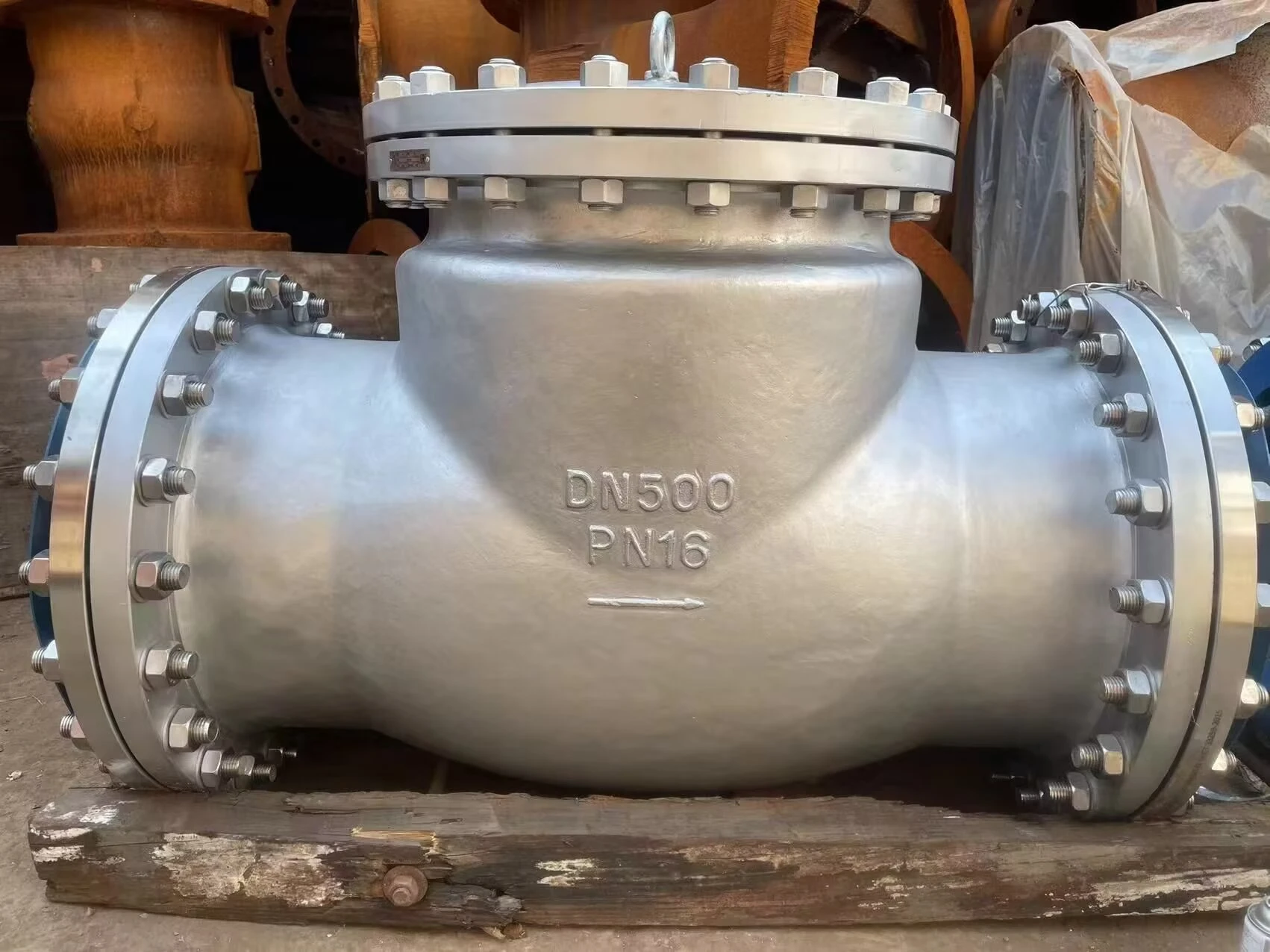
The 1-inch gate valve is a linear motion valve used to start and stop fluid flow. Positioned within the broader network of pipeline components, it serves as a critical isolation point within process systems across industries including water treatment, oil and gas, chemical processing, and HVAC. Unlike valves designed for throttling, gate valves are primarily intended for fully open or fully closed service, minimizing flow restriction when open. Core performance characteristics include tight shut-off capability, relatively low pressure drop when fully open, and durability suitable for a range of fluid types and operating temperatures. The industry faces challenges relating to fugitive emissions, material degradation due to corrosive fluids, and the need for increasingly stringent compliance with safety and environmental regulations, all of which necessitate careful valve selection and maintenance practices. This guide provides a comprehensive technical overview of 1-inch gate valves, covering material science, manufacturing, performance, failure modes, and industry standards.
Material Science & Manufacturing
1-inch gate valves are commonly manufactured from materials like cast iron (ASTM A126 Class B), ductile iron (ASTM A536 65-45-12), carbon steel (ASTM A105), stainless steel (304/316 - ASTM A351), and various alloys. The choice of material depends heavily on the fluid being handled and the operating environment. Cast iron provides cost-effectiveness for non-corrosive water applications, but is susceptible to corrosion. Ductile iron offers improved strength and ductility. Carbon steel is suitable for higher-pressure applications with oil or gas, but requires corrosion protection. Stainless steel offers excellent corrosion resistance, essential for chemical processing and potable water systems. Manufacturing typically involves casting the valve body, machining critical surfaces (gate seating), forging the gate itself, and assembling components including the stem, bonnet, and actuator. Key parameter control during manufacturing includes dimensional accuracy of the gate and seat to ensure a tight seal, surface roughness control to minimize friction, and heat treatment of steel components to achieve desired hardness and ductility. Welding processes, when used, must adhere to standards like ASME Section IX to guarantee weld integrity. Non-Destructive Testing (NDT), including radiography and ultrasonic testing, are crucial for verifying weld quality and identifying internal flaws.
Performance & Engineering
Performance of a 1-inch gate valve is heavily influenced by its pressure-temperature rating, flow coefficient (Cv), and leakage class. Pressure-temperature ratings (e.g., 125 PSI at 200°F) define the maximum operating conditions. Cv values quantify the valve’s ability to pass fluid, impacting system flow rates. Leakage class, defined by standards like ANSI/FCI 70-2, specifies the allowable leakage rate across a closed valve (Class VI is virtually bubble-tight). Engineering considerations include force analysis on the gate and stem under pressure to prevent deformation or binding, material selection to minimize thermal expansion and contraction effects, and actuator design to provide sufficient torque for opening and closing. Environmental resistance is critical; valves exposed to outdoor conditions must withstand UV radiation, temperature fluctuations, and moisture. Compliance requirements include adherence to relevant industry regulations, such as those governing potable water safety (NSF/ANSI 61) or hazardous materials handling. Finite Element Analysis (FEA) is often employed during the design phase to optimize stress distribution and ensure structural integrity under various operating conditions. The gate’s angle relative to the flow direction, and the type of gate (wedge, parallel, knife-gate) impact pressure drop and sealing performance.
Technical Specifications
| Parameter | Unit | Typical Value (Carbon Steel) | Typical Value (SS316) |
|---|---|---|---|
| Nominal Size | Inch | 1 | 1 |
| Pressure Rating | PSI | 200 | 200 |
| Temperature Range | °F | -20 to 450 | -20 to 600 |
| Cv Value | GPM | 15 | 14 |
| Leakage Class (ANSI FCI 70-2) | Class III | Class VI | |
| Actuator Type | Handwheel | Gear Operator |
Failure Mode & Maintenance
Common failure modes for 1-inch gate valves include seat erosion leading to leakage, gate sticking due to corrosion or debris buildup, stem packing failure resulting in fugitive emissions, and body cracking due to excessive pressure or thermal stress. Fatigue cracking can occur in the gate and stem under cyclical loading. Corrosion, especially galvanic corrosion in dissimilar metal combinations, is a major contributor to failure. Delamination of coatings, if present, can accelerate corrosion. Oxidation at high temperatures can degrade valve components. Maintenance should include regular inspection of the stem packing and replacement as needed to prevent leaks. Lubrication of the stem threads is crucial for smooth operation. Periodic testing of the valve’s seat leakage is recommended, particularly in critical applications. Preventive maintenance also involves thorough cleaning to remove debris and prevent gate sticking. For severe corrosion, complete valve replacement may be necessary. Failure analysis, including metallurgical examination of failed components, is essential to identify root causes and prevent recurrence. Proper storage conditions are vital to prevent corrosion during periods of inactivity.
Industry FAQ
Q: What is the primary difference between a gate valve and a ball valve for isolation service?
A: While both can be used for isolation, gate valves offer lower pressure drop when fully open, making them preferable for applications where minimizing flow restriction is critical. Ball valves typically provide quicker operation but can create more turbulence and pressure loss. Gate valves are generally not suitable for throttling applications, while some ball valve designs can be used for throttling.
Q: How does the material of construction impact the suitability of a 1-inch gate valve for handling specific chemicals?
A: The material must be chemically compatible with the fluid. For example, stainless steel is essential for corrosive acids and bases, while carbon steel might be adequate for neutral water-based fluids. Material compatibility charts should be consulted to verify resistance to chemical attack, preventing corrosion and ensuring valve longevity.
Q: What is the significance of the leakage class specified in ANSI/FCI 70-2?
A: The leakage class defines the maximum permissible leakage rate across a closed valve. Lower class numbers indicate higher allowable leakage. Class VI, being the most stringent, guarantees virtually bubble-tight shutoff, crucial for hazardous or environmentally sensitive applications.
Q: What steps can be taken to mitigate the risk of fugitive emissions from the valve stem packing?
A: Regular inspection and replacement of the stem packing are essential. Using high-quality packing materials, such as PTFE or graphite-based compounds, and ensuring proper compression of the packing gland can significantly reduce emissions. Double packing systems can also provide enhanced sealing.
Q: What Non-Destructive Testing (NDT) methods are commonly used to ensure the quality of a manufactured gate valve?
A: Radiographic testing (RT) is used to detect internal flaws in the valve body and welds. Ultrasonic testing (UT) assesses weld integrity and material thickness. Liquid penetrant testing (PT) identifies surface cracks. Magnetic particle testing (MT) detects surface and near-surface defects in ferromagnetic materials.
Conclusion
The 1-inch gate valve remains a vital component in fluid control systems across diverse industries. Selecting the appropriate material and understanding the nuances of its manufacturing process are paramount to ensuring reliable performance and longevity. Addressing potential failure modes through proactive maintenance and adhering to relevant industry standards are critical for maximizing operational efficiency and safety.
Future developments will likely focus on improving sealing technologies to minimize leakage, developing lighter-weight materials for reduced installation costs, and integrating smart sensors for predictive maintenance. The continued demand for robust and reliable fluid control solutions will drive ongoing innovation in gate valve design and manufacturing.
-
The Essential Guide to Dual Plate Check Valves
-
Swing Check Valve Types: Reliable Flow Control & Backflow Prevention
-
Top Reasons to Choose a Stainless Steel Flange Check Valve for Industrial Applications
-
3 way 2 position solenoid valve Performance Analysis
-
brake solenoid valve Performance Analysis
-
solenoid valve 110v Performance Analysis
-
solenoid valve explosion proof Performance Analysis
-
explosion proof solenoid valves Performance Analysis
-
solenoid valve 3 way 2 position Performance Analysis
-
micro solenoid valve Performance Analysis
-
solenoid ball valve Performance Analysis
-
micro solenoid valves Performance Engineering
-
solenoid ball valves Performance Analysis
-
solenoid valve 5 2 Performance Analysis
-
solenoid valve stainless steel Performance Analysis
 Afrikaans
 Albanian
 Amharic
 Arabic
 Armenian
 Azerbaijani
 Basque
 Belarusian
 Bengali
 Bosnian
 Bulgarian
 Catalan
 Cebuano
 Corsican
 Croatian
 Czech
Czech
 Danish
 Dutch
Dutch
 Esperanto
 Estonian
 Finnish
 French
 Frisian
 Galician
 Georgian
 German
 Greek
Greek
 Gujarati
 Haitian Creole
 Hausa
Hawaiian
Hausa
Hawaiian
 Hebrew
 Hindi
Hindi
 Miao
Miao
 Hungarian
 Icelandic
 Igbo
Igbo
 Indonesian
 Irish
Irish
 Italian
 Japanese
 Javanese
Kannada
Javanese
Kannada
 Kazakh
 Khmer
Khmer
 Rwandese
 Korean
 Kurdish
 Kyrgyz
 Lao
Lao
 Latin
Latin
 Latvian
 Lithuanian
 Luxembourgish
 Macedonian
 Malgashi
 Malay
Malay
 Malayalam
 Maltese
 Maori
Maori
 Marathi
 Mongolian
 Myanmar
 Nepali
 Norwegian
 Norwegian
 Occitan
 Pashto
 Persian
 Polish
 Portuguese
Punjabi
Portuguese
Punjabi
 Romanian
 Russian
 Samoan
 Scottish Gaelic
 Serbian
 Sesotho
 Shona
Shona
 Sindhi
 Sinhala
 Slovak
 Slovenian
 Somali
 Spanish
 Sundanese
 Swahili
 Swedish
Tagalog
Swedish
Tagalog
 Tajik
Tajik
 Tamil
Tamil
 Tatar
Tatar
 Telugu
 Thai
Thai
 Turkish
 Turkmen
 Ukrainian
 Urdu
Urdu
 Uighur
 Uzbek
Uzbek
 Vietnamese
 Welsh
Welsh
 Bantu
Bantu
 Yiddish
 Yoruba
 Zulu
Zulu
 English