




gate valve ductil iron Performance Analysis
Introduction
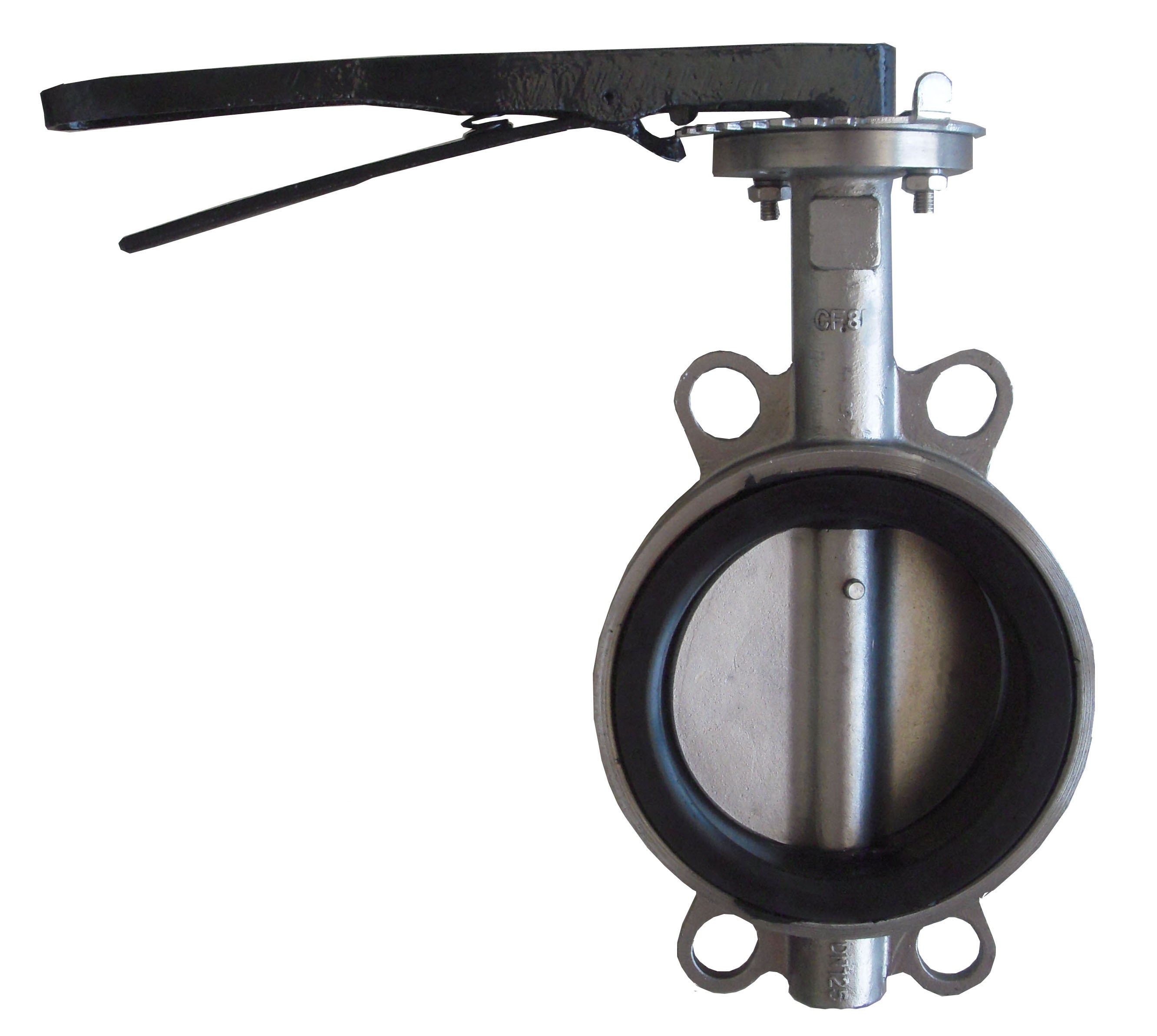
Ductile iron gate valves represent a critical component in fluid handling systems across numerous industries, including water treatment, wastewater management, oil and gas, and chemical processing. Positioned as a robust alternative to traditional cast iron valves, ductile iron offers significantly enhanced mechanical properties – notably increased tensile strength, ductility, and impact resistance – while maintaining cost-effectiveness. These valves function by utilizing a gate, typically a wedge-shaped disc, that slides into and out of the flow path to regulate fluid passage. Their primary role is on/off isolation, not throttling. Core performance characteristics revolve around achieving bubble-tight shut-off, minimizing pressure drop in the fully open position, and enduring corrosive and erosive environments. The increasing demand for reliable, long-life valves, coupled with stringent environmental regulations concerning material composition, drives the ongoing evolution of ductile iron gate valve design and manufacturing processes. The selection of appropriate ductile iron grades and protective coatings is paramount to ensuring optimal performance and longevity in specific application scenarios.
Material Science & Manufacturing
The base material for these valves is ductile iron, specifically iron-carbon alloys with a graphite structure primarily in the form of spheroids (hence 'ductile'). Common grades include ASTM A536 65-45-12, 60-42-40, and 70-50, each designating varying levels of tensile strength, yield strength, and elongation. The alloying elements – primarily carbon, silicon, manganese, and sometimes magnesium to promote spheroidal graphite formation – significantly influence the material’s mechanical properties. Magnesium treatment is crucial; insufficient magnesium results in the formation of flake graphite, diminishing ductility and impact resistance.
Manufacturing involves several key processes. First, the iron is melted in an electric arc furnace or induction furnace. Careful control of the melt chemistry and temperature is critical. The molten iron undergoes magnesium treatment, followed by inoculation with elements like cerium to refine the graphite structure. The valve body is then typically produced via sand casting. Precise mold design and controlled cooling rates are essential to minimize shrinkage defects and ensure dimensional accuracy. After casting, the valve body undergoes stress relieving to reduce residual stresses. Machining operations follow to create the internal cavity for the gate, seat rings, and stem. The gate itself is often manufactured from bronze, stainless steel, or ductile iron with a hardened surface. Seat rings are usually made from EPDM, NBR, or PTFE, selected based on fluid compatibility and temperature requirements. Finally, a protective coating – epoxy, fusion-bonded epoxy (FBE), or zinc/aluminum coatings – is applied to enhance corrosion resistance. Quality control at each stage, including radiographic inspection, ultrasonic testing, and hydrostatic testing, is paramount.

Performance & Engineering
Performance of ductile iron gate valves is dictated by a complex interplay of hydraulic forces, material strength, and sealing mechanisms. Force analysis focuses on the stem thrust generated during gate operation – particularly during closure against high fluid pressures. This thrust is resisted by the stem packing and thrust bearing. Proper sizing of the stem and thrust bearing is critical to prevent stem deformation or failure. Environmental resistance is paramount. Ductile iron, while inherently corrosion-resistant, is susceptible to graphitic corrosion in certain soil conditions or aggressive fluids. Therefore, protective coatings and cathodic protection are often employed.
Compliance requirements are stringent. Valves intended for potable water service must comply with NSF/ANSI 61, ensuring the materials do not leach harmful contaminants into the water. Valves used in hazardous environments must adhere to API 6D standards, covering design, manufacturing, and testing. Pressure containment is a primary concern, governed by standards such as API 598, which details hydrostatic testing procedures. Gate valves are designed to withstand specific pressure-temperature ratings, and exceeding these ratings can lead to catastrophic failure. The sealing mechanism relies on tight contact between the gate and seat rings. Achieving a bubble-tight shut-off requires precise machining of the gate and seat rings, as well as appropriate selection of seat materials to accommodate fluid temperature and pressure variations. Fatigue analysis is critical, particularly for valves subjected to frequent operation. Cyclic loading can induce fatigue cracking in the stem, gate, or valve body, ultimately leading to failure. Proper design and material selection, coupled with regular inspection and maintenance, can mitigate fatigue risks.
Technical Specifications
| Parameter | ASTM A536 65-45-12 | ASTM A536 60-42-40 | Operating Pressure (PSI) |
|---|---|---|---|
| Tensile Strength (PSI) | 65,000 | 60,000 | Up to 250 (depending on size & design) |
| Yield Strength (PSI) | 45,000 | 42,000 | Temperature Dependent |
| Elongation (%) | 12 | 10 | Seat Leakage Rate (mL/min/m) |
| Hardness (HB) | 180-240 | 170-230 | 0.1 (Bubble Tight) |
| Graphite Shape | Spheroidal | Spheroidal | Stem Packing Material |
| Coating Options | Epoxy, FBE, Zn/Al | Epoxy, FBE, Zn/Al | PTFE, Graphite |
Failure Mode & Maintenance
Common failure modes in ductile iron gate valves include corrosion, erosion, fatigue cracking, and seat leakage. Corrosion can occur due to exposure to corrosive fluids or aggressive environments, leading to pitting and weakening of the valve body. Erosion, particularly in applications involving abrasive slurries, can wear away the gate and seat rings. Fatigue cracking can initiate at stress concentration points, such as the stem threads or valve body corners, and propagate under cyclic loading. Seat leakage can result from damage to the seat rings, debris accumulation, or wear.
Preventative maintenance is crucial. Regular inspection of the valve body for signs of corrosion or cracking is essential. Periodic testing of the seat leakage rate should be conducted. The stem packing should be inspected and replaced as needed to prevent leakage around the stem. Lubrication of the stem threads and gate guides is important to ensure smooth operation. For corrosion mitigation, regular application of protective coatings and cathodic protection systems (where applicable) are recommended. In cases of severe corrosion or erosion, valve replacement may be necessary. When disassembling the valve for maintenance, proper torque specifications should be followed during reassembly to avoid damaging the valve components. A detailed maintenance log should be maintained to track inspection results, maintenance activities, and component replacements.
Industry FAQ
Q: What are the primary advantages of using ductile iron over traditional gray cast iron for gate valves?
A: Ductile iron offers significantly improved mechanical properties compared to gray cast iron, including higher tensile strength, ductility, and impact resistance. This translates to greater resistance to cracking, particularly under dynamic loading, and improved performance in demanding applications.
Q: How does the choice of seat material impact the overall performance and lifespan of the valve?
A: The seat material must be compatible with the fluid being handled and the operating temperature and pressure. Incorrect seat material selection can lead to premature failure due to chemical attack, swelling, or deformation. EPDM is suitable for many water applications, while NBR is better for oil-based fluids, and PTFE provides broad chemical resistance.
Q: What are the key considerations when selecting a protective coating for a ductile iron gate valve?
A: The coating should provide effective corrosion resistance, adhere well to the ductile iron surface, and be compatible with the operating environment. Epoxy coatings offer good general corrosion protection, while FBE provides superior resistance to chemical attack and abrasion. Zinc/aluminum coatings offer sacrificial protection.
Q: What are the typical hydrostatic testing requirements for ductile iron gate valves?
A: Hydrostatic testing, as per API 598, involves pressurizing the valve body to a specified test pressure (typically 1.5 times the maximum working pressure) and holding it for a defined period to verify the integrity of the valve body and seals. Visual inspection for leaks is crucial during this test.
Q: How can fatigue cracking in the valve stem be prevented?
A: Proper stem sizing and material selection are crucial. Minimizing stress concentrations through careful design, regular lubrication, and avoiding excessive operating speeds can significantly reduce the risk of fatigue cracking. Regular inspection of the stem threads is also recommended.
Conclusion
Ductile iron gate valves represent a robust and reliable solution for fluid isolation across a diverse range of industries. Their inherent mechanical properties, coupled with appropriate material selection, protective coatings, and adherence to rigorous manufacturing and testing standards, ensure long-term performance and minimal downtime. Understanding the intricacies of ductile iron metallurgy, manufacturing processes, and potential failure modes is paramount for engineers and procurement managers seeking to optimize valve selection and maintenance strategies.
The future of ductile iron gate valve technology lies in continued advancements in material science, such as the development of new ductile iron alloys with enhanced corrosion resistance and strength. Furthermore, the integration of smart valve technologies – including remote monitoring, automated actuation, and predictive maintenance capabilities – will further enhance their efficiency and reliability. Adopting a holistic approach to valve lifecycle management, encompassing proper design, installation, maintenance, and timely replacement, is essential for maximizing return on investment and ensuring safe and efficient operation.
-
The Essential Guide to Dual Plate Check Valves
-
Swing Check Valve Types: Reliable Flow Control & Backflow Prevention
-
Top Reasons to Choose a Stainless Steel Flange Check Valve for Industrial Applications
-
High Temperature Solenoid Valves Performance Analysis
-
hot water solenoid valves Performance Analysis
-
solenoid valve mini Performance Analysis
-
explosion proof solenoid valve Performance Analysis
-
2 position 3 way solenoid valve Performance Analysis
-
3 way 2 position solenoid valve Performance Analysis
-
brake solenoid valve Performance Analysis
-
solenoid valve 110v Performance Analysis
-
solenoid valve explosion proof Performance Analysis
-
explosion proof solenoid valves Performance Analysis
-
solenoid valve 3 way 2 position Performance Analysis
-
micro solenoid valve Performance Analysis
 Afrikaans
 Albanian
 Amharic
 Arabic
 Armenian
 Azerbaijani
 Basque
 Belarusian
 Bengali
 Bosnian
 Bulgarian
 Catalan
 Cebuano
 Corsican
 Croatian
 Czech
Czech
 Danish
 Dutch
Dutch
 Esperanto
 Estonian
 Finnish
 French
 Frisian
 Galician
 Georgian
 German
 Greek
Greek
 Gujarati
 Haitian Creole
 Hausa
Hawaiian
Hausa
Hawaiian
 Hebrew
 Hindi
Hindi
 Miao
Miao
 Hungarian
 Icelandic
 Igbo
Igbo
 Indonesian
 Irish
Irish
 Italian
 Japanese
 Javanese
Kannada
Javanese
Kannada
 Kazakh
 Khmer
Khmer
 Rwandese
 Korean
 Kurdish
 Kyrgyz
 Lao
Lao
 Latin
Latin
 Latvian
 Lithuanian
 Luxembourgish
 Macedonian
 Malgashi
 Malay
Malay
 Malayalam
 Maltese
 Maori
Maori
 Marathi
 Mongolian
 Myanmar
 Nepali
 Norwegian
 Norwegian
 Occitan
 Pashto
 Persian
 Polish
 Portuguese
Punjabi
Portuguese
Punjabi
 Romanian
 Russian
 Samoan
 Scottish Gaelic
 Serbian
 Sesotho
 Shona
Shona
 Sindhi
 Sinhala
 Slovak
 Slovenian
 Somali
 Spanish
 Sundanese
 Swahili
 Swedish
Tagalog
Swedish
Tagalog
 Tajik
Tajik
 Tamil
Tamil
 Tatar
Tatar
 Telugu
 Thai
Thai
 Turkish
 Turkmen
 Ukrainian
 Urdu
Urdu
 Uighur
 Uzbek
Uzbek
 Vietnamese
 Welsh
Welsh
 Bantu
Bantu
 Yiddish
 Yoruba
 Zulu
Zulu
 English