




iron valved cast Performance Analysis
Introduction
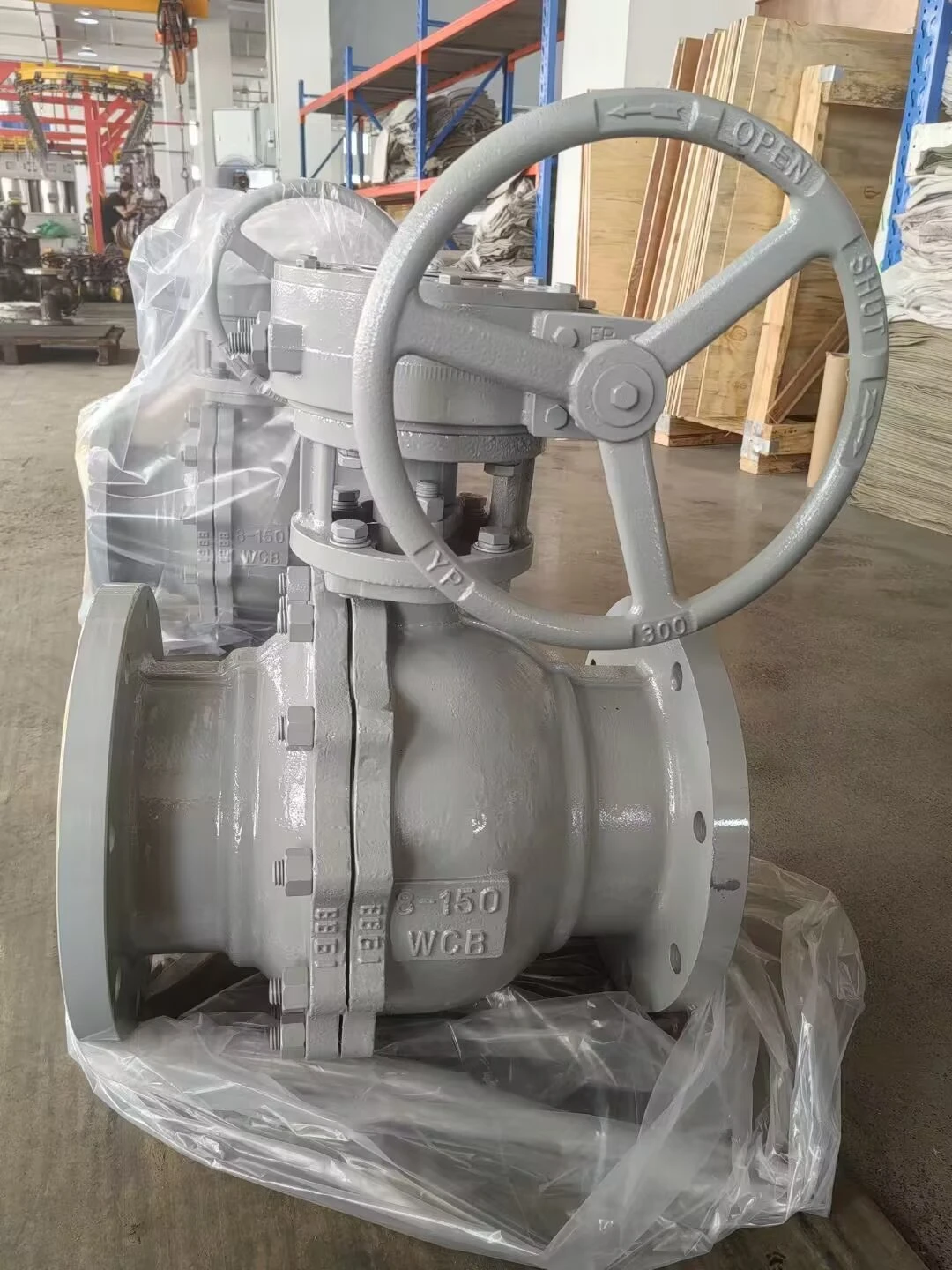
Iron valved castings represent a critical component in fluid control systems across diverse industries including water treatment, oil and gas, power generation, and chemical processing. These castings, typically utilizing gray iron, ductile iron, or alloyed cast irons, function as housings for valves, providing structural integrity and facilitating precise flow regulation. Their technical position within the industrial chain is post-metal production, serving as a manufactured part integrated into larger valve assemblies. Core performance characteristics are defined by pressure containment capability, dimensional accuracy for sealing, resistance to corrosion and erosion dependent on the specific iron alloy, and machinability for final valve component integration. The inherent challenges for engineers and procurement specialists lie in balancing cost with required performance, specifically addressing corrosion resistance in aggressive environments and ensuring long-term structural reliability under cyclic loading and varying temperatures.
Material Science & Manufacturing
The primary raw materials for iron valved castings are iron ore, scrap iron, coke, and alloying elements such as silicon, manganese, phosphorus, and sulfur. Gray iron, characterized by its graphite flakes within a ferritic matrix, offers excellent damping capacity and machinability but has lower tensile strength. Ductile iron, achieved through the addition of magnesium, forms spherical graphite nodules, significantly enhancing ductility, tensile strength, and impact resistance. Alloyed cast irons incorporate elements like nickel, chromium, and molybdenum to improve corrosion resistance, wear resistance, and high-temperature strength. Manufacturing typically involves sand casting, shell molding, or investment casting, depending on the required precision and complexity. Sand casting is most common due to its cost-effectiveness for large-scale production. Shell molding provides superior surface finish and dimensional accuracy. Investment casting (lost wax) is reserved for highly intricate designs and tight tolerances. Critical parameters during casting include melt temperature, pouring rate, cooling rate, and sand composition. Post-casting processes include cleaning (removal of sand and scale), heat treatment (annealing, normalizing, quenching and tempering) to achieve desired mechanical properties, and machining to precise dimensions. The control of chemical composition through spectroscopic analysis and meticulous process control during casting are paramount to achieving consistent material properties and minimizing defects like porosity, inclusions, and shrinkage.
Performance & Engineering
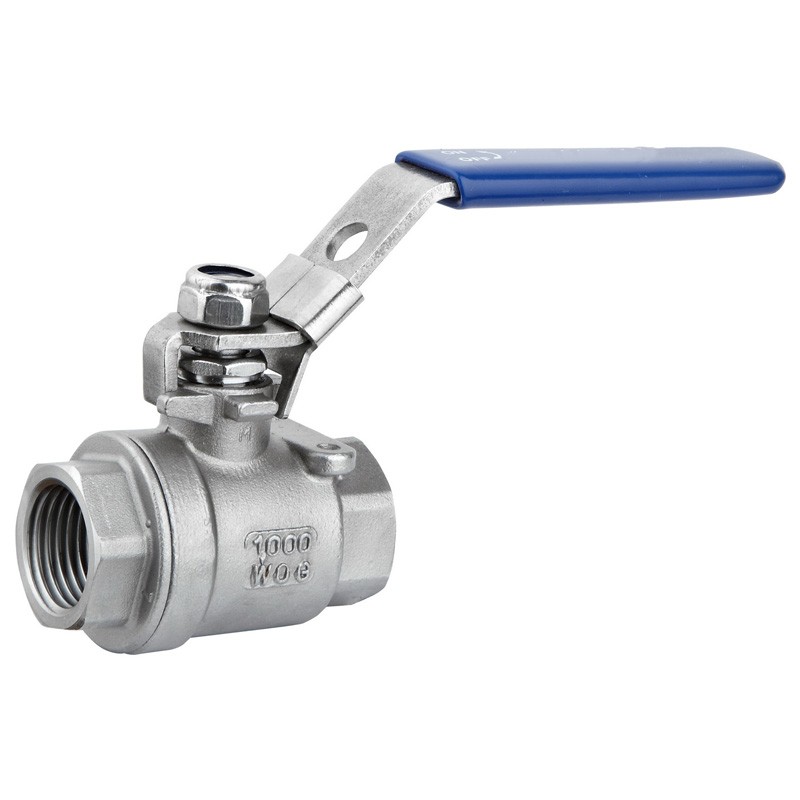
Performance evaluation of iron valved castings necessitates a thorough understanding of stress analysis, fluid dynamics, and material behavior under operational conditions. Force analysis involves considering internal pressure loads, external mechanical loads (weight, piping stresses), and thermal stresses arising from temperature gradients. Finite element analysis (FEA) is commonly employed to predict stress distribution and identify potential failure points. Environmental resistance is a crucial factor; corrosion, erosion, and oxidation can significantly degrade the casting's integrity. The choice of iron alloy is dictated by the operating environment. For example, castings exposed to seawater require high-chromium alloys to resist chloride-induced pitting corrosion. Compliance requirements are often dictated by industry standards such as ASME Section VIII Division 1 for pressure vessels, API 600 for gate valves, and MSS SP-110 for testing of valves. Functional implementation demands precise dimensional control to ensure proper sealing and minimize leakage. Valve seat contact faces require meticulous machining and surface finishing to achieve tight shut-off. Furthermore, the casting design must facilitate efficient heat dissipation to prevent thermal stresses and maintain dimensional stability. Considerations for fatigue life are also essential, especially in applications involving frequent valve operation.
Technical Specifications
| Material Grade | Tensile Strength (MPa) | Yield Strength (MPa) | Hardness (Brinell) |
|---|---|---|---|
| ASTM A48 Class 30 Gray Iron | 205 - 345 | 138 - 241 | 180 - 250 |
| ASTM A536 Grade 65-35 Ductile Iron | 414 - 552 | 276 - 345 | 197 - 261 |
| ASTM A395 Alloy Cast Iron (WCC) | 483 - 620 | 310 - 414 | 235 - 305 |
| ASTM A48 Class 40 Gray Iron | 241-379 | 152-276 | 200-300 |
| ASTM A536 Grade 105-95 Ductile Iron | 620-827 | 414-552 | 261-331 |
| ASTM A395 Alloy Cast Iron (WCW) | 552-724 | 379-483 | 261-341 |
Failure Mode & Maintenance
Iron valved castings are susceptible to several failure modes. Fatigue cracking can occur under cyclic loading, particularly at stress concentrators such as corners and valve seat interfaces. Corrosion, especially galvanic corrosion when dissimilar metals are in contact, can lead to material loss and weakening. Erosion, caused by abrasive particles in the fluid stream, can damage valve seat surfaces and flow passages. Graphitic corrosion, a form of selective corrosion, affects gray iron castings, preferentially dissolving the graphite flakes. Porosity and shrinkage defects introduced during casting can create weak points prone to fracture. Maintenance strategies include regular visual inspection for signs of corrosion, erosion, or cracking. Non-destructive testing (NDT) methods such as liquid penetrant inspection (LPI), magnetic particle inspection (MPI), and ultrasonic testing (UT) can detect subsurface defects. Periodic hydrostatic testing verifies the casting’s pressure containment capability. Protective coatings, such as epoxy or ceramic coatings, can enhance corrosion resistance. For valves operating in harsh environments, cathodic protection may be employed. Lubrication of valve components minimizes wear and friction. Prompt repair or replacement of damaged castings is crucial to prevent catastrophic failure. Proper storage of spare castings is essential to avoid environmental degradation during prolonged inactivity.
Industry FAQ
Q: What is the primary difference between gray iron and ductile iron for valve body applications, and when would you choose one over the other?
A: The key difference lies in the graphite morphology. Gray iron has flake graphite, offering good damping and machinability but lower tensile strength. Ductile iron has spheroidal graphite, significantly improving tensile strength, ductility, and impact resistance. Ductile iron is preferred for higher-pressure applications, dynamic loading, and environments where shock resistance is critical. Gray iron is often chosen for lower-pressure, static applications where cost is a major concern and machinability is important.
Q: How does the selection of alloying elements impact the corrosion resistance of an iron valve casting?
A: Alloying elements significantly influence corrosion resistance. Chromium additions form a passive chromium oxide layer, enhancing resistance to oxidation and pitting corrosion. Nickel improves corrosion resistance in acidic and alkaline environments. Molybdenum increases resistance to pitting and crevice corrosion. Silicon enhances resistance to oxidation at elevated temperatures. The specific alloy composition must be tailored to the expected corrosive environment.
Q: What non-destructive testing (NDT) methods are most commonly used to inspect iron valve castings for defects?
A: Liquid Penetrant Inspection (LPI) is commonly used to detect surface cracks and porosity. Magnetic Particle Inspection (MPI) is effective for detecting surface and near-surface defects in ferromagnetic materials. Ultrasonic Testing (UT) can detect both surface and subsurface flaws. Radiographic Testing (RT), although more expensive, provides a volumetric inspection revealing internal defects.
Q: What are the common causes of premature failure in iron valve castings operating in seawater applications?
A: Premature failure in seawater applications is typically caused by chloride-induced pitting corrosion. This is exacerbated by oxygen concentration cells and galvanic corrosion if dissimilar metals are present. Graphitic corrosion can also occur in gray iron castings. Proper material selection (high-chromium alloys) and the application of protective coatings are crucial for mitigating these failures.
Q: What considerations are important when specifying a heat treatment process for an iron valve casting?
A: Heat treatment is critical for achieving desired mechanical properties. Annealing relieves internal stresses and improves machinability. Normalizing refines the grain structure and enhances strength. Quenching and tempering can significantly increase hardness and tensile strength. The specific heat treatment process must be carefully selected based on the iron alloy, casting size, and required mechanical properties. Cooling rates must be controlled to prevent cracking or distortion.
Conclusion
Iron valved castings remain a cornerstone of fluid control infrastructure, offering a balance of cost-effectiveness, manufacturability, and performance. Successful implementation necessitates a comprehensive understanding of material science, manufacturing processes, and potential failure modes. Selecting the appropriate iron alloy, coupled with stringent quality control measures throughout the casting and machining processes, is paramount to ensuring long-term reliability and operational safety.
Future developments will likely focus on advanced alloy compositions with enhanced corrosion resistance, optimized casting techniques to minimize defects, and the integration of digital technologies such as predictive maintenance and real-time performance monitoring. These advancements will further enhance the longevity and efficiency of iron valved castings in demanding industrial applications, solidifying their position as a critical component in fluid handling systems.
-
The Essential Guide to Dual Plate Check Valves
-
Swing Check Valve Types: Reliable Flow Control & Backflow Prevention
-
Top Reasons to Choose a Stainless Steel Flange Check Valve for Industrial Applications
-
High Temperature Solenoid Valves Performance Analysis
-
hot water solenoid valves Performance Analysis
-
solenoid valve mini Performance Analysis
-
explosion proof solenoid valve Performance Analysis
-
2 position 3 way solenoid valve Performance Analysis
-
3 way 2 position solenoid valve Performance Analysis
-
brake solenoid valve Performance Analysis
-
solenoid valve 110v Performance Analysis
-
solenoid valve explosion proof Performance Analysis
-
explosion proof solenoid valves Performance Analysis
-
solenoid valve 3 way 2 position Performance Analysis
-
micro solenoid valve Performance Analysis
 Afrikaans
 Albanian
 Amharic
 Arabic
 Armenian
 Azerbaijani
 Basque
 Belarusian
 Bengali
 Bosnian
 Bulgarian
 Catalan
 Cebuano
 Corsican
 Croatian
 Czech
Czech
 Danish
 Dutch
Dutch
 Esperanto
 Estonian
 Finnish
 French
 Frisian
 Galician
 Georgian
 German
 Greek
Greek
 Gujarati
 Haitian Creole
 Hausa
Hawaiian
Hausa
Hawaiian
 Hebrew
 Hindi
Hindi
 Miao
Miao
 Hungarian
 Icelandic
 Igbo
Igbo
 Indonesian
 Irish
Irish
 Italian
 Japanese
 Javanese
Kannada
Javanese
Kannada
 Kazakh
 Khmer
Khmer
 Rwandese
 Korean
 Kurdish
 Kyrgyz
 Lao
Lao
 Latin
Latin
 Latvian
 Lithuanian
 Luxembourgish
 Macedonian
 Malgashi
 Malay
Malay
 Malayalam
 Maltese
 Maori
Maori
 Marathi
 Mongolian
 Myanmar
 Nepali
 Norwegian
 Norwegian
 Occitan
 Pashto
 Persian
 Polish
 Portuguese
Punjabi
Portuguese
Punjabi
 Romanian
 Russian
 Samoan
 Scottish Gaelic
 Serbian
 Sesotho
 Shona
Shona
 Sindhi
 Sinhala
 Slovak
 Slovenian
 Somali
 Spanish
 Sundanese
 Swahili
 Swedish
Tagalog
Swedish
Tagalog
 Tajik
Tajik
 Tamil
Tamil
 Tatar
Tatar
 Telugu
 Thai
Thai
 Turkish
 Turkmen
 Ukrainian
 Urdu
Urdu
 Uighur
 Uzbek
Uzbek
 Vietnamese
 Welsh
Welsh
 Bantu
Bantu
 Yiddish
 Yoruba
 Zulu
Zulu
 English