




angle needle valve Performance Analysis
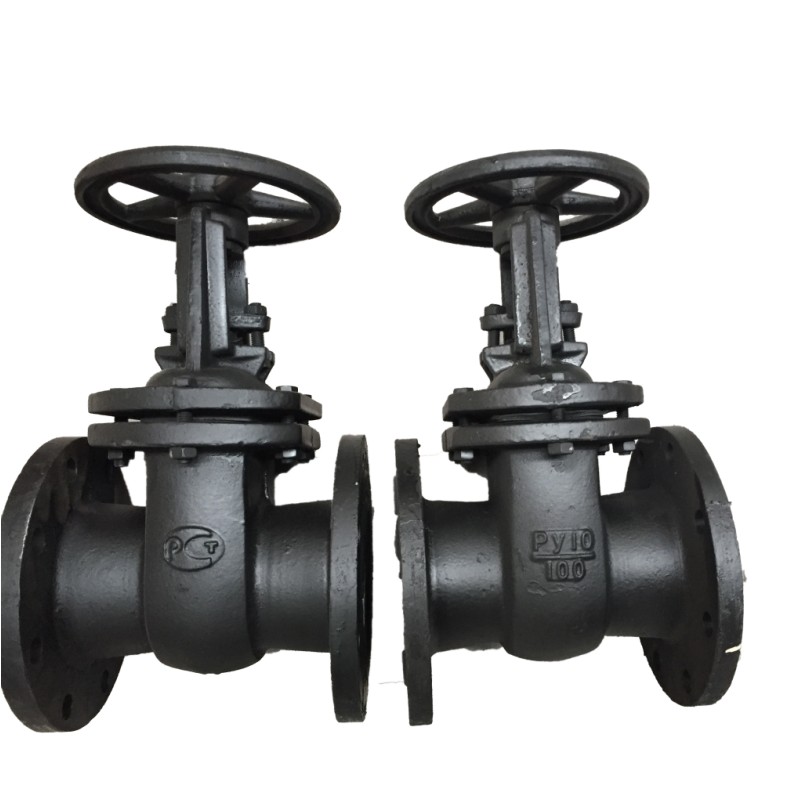
Introduction
Angle needle valves are precision fluid control devices characterized by their angled flow path and tapered needle design. They are commonly employed in applications requiring precise throttling or shut-off of liquids and gases, particularly in low to moderate pressure systems. Unlike traditional globe valves, needle valves offer finer control due to the smaller flow area change per degree of needle rotation. Within the industrial process control chain, angle needle valves serve as critical components in analytical instrumentation, chemical injection systems, pilot plants, and hydraulic test setups. Their core performance attributes center around achieving tight shut-off, consistent flow regulation, and resistance to clogging, even with viscous or particulate-laden fluids. A key industry pain point is the susceptibility to erosion and wear of the needle and seat, leading to leakage and requiring frequent maintenance or replacement. Another challenge lies in selecting compatible materials for corrosive media.
Material Science & Manufacturing
The construction of angle needle valves typically involves materials such as 316/304 Stainless Steel, Alloy 20, Hastelloy C-276, Monel 400, and various polymers like PTFE, PEEK, and PCTFE. 316 Stainless Steel is prevalent due to its balance of corrosion resistance and cost-effectiveness, while more exotic alloys are chosen for highly aggressive chemical environments. The needle itself is often hardened to increase wear resistance. Manufacturing processes begin with precision machining of the valve body, typically from bar stock, ensuring dimensional accuracy and smooth internal surfaces to minimize flow restriction. The needle is ground and lapped to a precise taper, dictating the sealing characteristics. Seat materials are selected based on fluid compatibility and often utilize a soft seating material (e.g., PTFE) against a harder metal surface to create a tight seal. Critical parameters during manufacturing include maintaining concentricity between the needle and seat, achieving a surface finish Ra ≤ 0.8 µm on sealing surfaces, and performing rigorous hydrostatic testing to verify leak tightness. Welding processes, if utilized for body construction, must be performed by certified welders following ASME Section IX standards to ensure structural integrity and prevent corrosion initiation at weld joints. Polymer components are typically injection molded, requiring careful control of melt temperature, injection pressure, and cooling rates to minimize warpage and ensure dimensional stability.
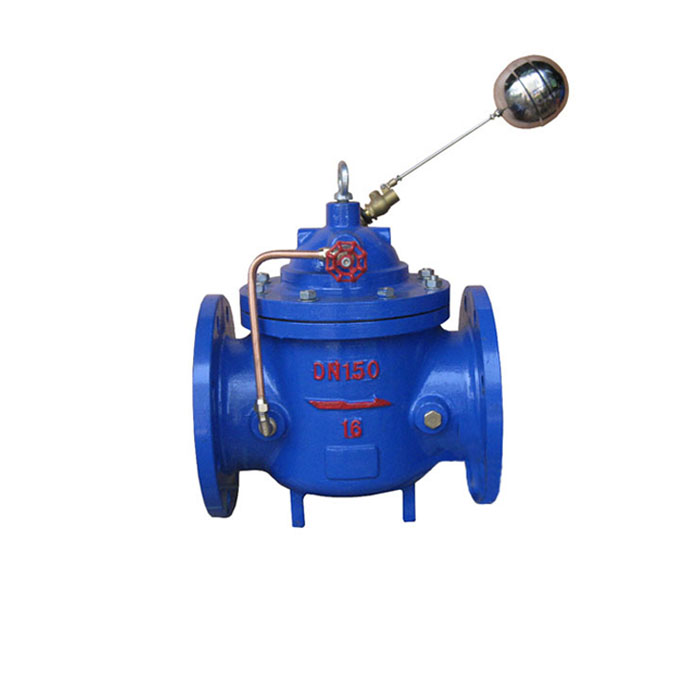
Performance & Engineering
The performance of an angle needle valve is governed by several engineering principles. Flow rate is directly proportional to the square root of the pressure drop across the valve and the orifice area, dictated by the needle position. Cv (flow coefficient) is a key metric used to quantify this relationship. Force analysis is crucial in designing the valve stem and handwheel mechanism to ensure smooth operation and prevent galling. Environmental resistance is paramount, necessitating material selection that accounts for temperature fluctuations, pressure cycles, and exposure to corrosive media. Compliance requirements often dictate material traceability (e.g., NACE MR0175/ISO 15156 for sour gas service) and pressure testing standards (e.g., ASME B16.34). Functional implementation focuses on minimizing torque required for operation, particularly in automated systems. The angle body design minimizes pressure drop compared to straight-through configurations, particularly in systems where space constraints necessitate a sharp turn in the piping. Understanding the fluid's viscosity and density is critical for accurate flow control, as these properties affect the Reynolds number and flow regime. Proper valve sizing based on process conditions is essential to prevent cavitation or flashing, which can damage the valve internals.
Technical Specifications
| Parameter | Unit | Typical Value (316 SS) | Typical Value (Hastelloy C-276) |
|---|---|---|---|
| Maximum Pressure | psi | 1000 | 800 |
| Temperature Range | °F | -60 to 450 | -200 to 600 |
| Cv (Flow Coefficient) | gpm | 0.1 - 1.0 (varies with size) | 0.1 - 1.0 (varies with size) |
| Port Size | inches | 1/4", 1/2", 3/4", 1" | 1/4", 1/2", 3/4", 1" |
| Leakage Rate | sccm | < 0.1 (bubble tight) | < 0.1 (bubble tight) |
| Connection Type | - | NPT, BSPT, Socket Weld, Butt Weld | NPT, BSPT, Socket Weld, Butt Weld |
Failure Mode & Maintenance
Angle needle valves are susceptible to several failure modes. Erosion of the needle and seat is a common issue, particularly with abrasive fluids or high flow velocities, leading to leakage. Corrosion, especially in aggressive chemical environments, can pit or dissolve valve components, compromising structural integrity. Galvanic corrosion can occur when dissimilar metals are in contact in the presence of an electrolyte. Fatigue cracking can develop in the stem or body due to cyclic pressure fluctuations. Polymer seats can degrade over time due to chemical attack or thermal exposure, leading to loss of sealing ability. Regular maintenance is crucial to prevent failures. This includes periodic inspection of the valve body, stem, and seat for signs of corrosion, erosion, or damage. Lubrication of the stem threads is essential to ensure smooth operation. Replacement of the seat and packing is recommended on a scheduled basis, depending on the severity of the operating conditions. For valves used in critical applications, a preventative maintenance program incorporating hydrostatic testing and non-destructive examination (e.g., dye penetrant inspection) is advised. When replacing components, it is critical to use OEM-approved parts to maintain the valve’s performance and integrity. Proper storage of spare parts in a clean, dry environment is also vital to prevent corrosion.
Industry FAQ
Q: What is the primary difference between a needle valve and a ball valve for throttling applications?
A: While ball valves can be used for throttling, they are not designed for precise flow control. Ball valves offer a large flow area change with even a small rotation, making it difficult to achieve stable and repeatable flow rates. Needle valves, with their tapered needle design, provide much finer control and are preferred for applications requiring precise throttling.
Q: How does the angle body design affect performance compared to a straight-through needle valve?
A: The angle body design minimizes pressure drop, especially in situations where a 90-degree turn in the piping is required. A straight-through valve would necessitate an external elbow, which introduces additional flow resistance. The angle valve streamlines the flow path, reducing turbulence and energy loss.
Q: What material is best suited for handling highly corrosive hydrochloric acid?
A: Hastelloy C-276 is typically the preferred material for handling hydrochloric acid due to its exceptional resistance to chloride stress corrosion cracking. While other alloys like Alloy 20 offer some resistance, Hastelloy C-276 provides the highest level of protection in this aggressive environment.
Q: What is the significance of the Cv value when selecting a needle valve?
A: The Cv value (flow coefficient) is a critical parameter for ensuring the valve can handle the required flow rate at a given pressure drop. It's essential to calculate the required Cv based on process conditions and select a valve with a Cv value that meets or exceeds that requirement. Undersizing the valve will result in excessive pressure drop, while oversizing it may lead to unstable control.
Q: What steps can be taken to prevent clogging when handling fluids with particulate matter?
A: Employing a strainer or filter upstream of the valve is crucial to remove particulate matter. Selecting a valve with a straight-through flow path, if possible, minimizes potential for particle accumulation. Regular inspection and cleaning of the valve internals can also help prevent clogging. Consider using a valve with a self-cleaning design if the fluid contains significant debris.
Conclusion
Angle needle valves represent a vital component in precision fluid control systems, offering a unique blend of fine throttling capabilities and angled flow path advantages. Their performance is heavily dependent on material selection, manufacturing precision, and proper application based on fluid characteristics and operating conditions. Addressing common failure modes through preventative maintenance and utilizing appropriate materials for corrosive environments are paramount to ensuring long-term reliability and minimizing downtime.
Looking forward, advancements in valve automation, predictive maintenance through sensor integration, and the development of novel sealing materials will continue to enhance the performance and lifespan of angle needle valves. The industry trend towards more sustainable and efficient processes will drive demand for valves that minimize pressure drop and energy consumption, further solidifying the role of angle needle valves in a wide range of industrial applications.
-
Top Reasons to Choose a Stainless Steel Flange Check Valve for Industrial Applications
-
double flange butterfly valve Performance Analysis
-
Double Flanged Couplings Performance Analysis
-
double flanged butterfly valves Material Science
-
forged flange Performance Analysis
-
forging flange Material Science
-
forging flanges Material Performance
-
Round Flange Performance Analysis
-
Round Flanges Performance Analysis
-
Custom Flange Performance Analysis
-
DN 40 Flange Performance Analysis
-
8 inch flange Performance Analysis
-
angle ring flanges Performance Analysis
-
Flat Flanges Performance Analysis
-
Full Face Flange Performance Analysis
 Afrikaans
 Albanian
 Amharic
 Arabic
 Armenian
 Azerbaijani
 Basque
 Belarusian
 Bengali
 Bosnian
 Bulgarian
 Catalan
 Cebuano
 Corsican
 Croatian
 Czech
Czech
 Danish
 Dutch
Dutch
 Esperanto
 Estonian
 Finnish
 French
 Frisian
 Galician
 Georgian
 German
 Greek
Greek
 Gujarati
 Haitian Creole
 Hausa
Hawaiian
Hausa
Hawaiian
 Hebrew
 Hindi
Hindi
 Miao
Miao
 Hungarian
 Icelandic
 Igbo
Igbo
 Indonesian
 Irish
Irish
 Italian
 Japanese
 Javanese
Kannada
Javanese
Kannada
 Kazakh
 Khmer
Khmer
 Rwandese
 Korean
 Kurdish
 Kyrgyz
 Lao
Lao
 Latin
Latin
 Latvian
 Lithuanian
 Luxembourgish
 Macedonian
 Malgashi
 Malay
Malay
 Malayalam
 Maltese
 Maori
Maori
 Marathi
 Mongolian
 Myanmar
 Nepali
 Norwegian
 Norwegian
 Occitan
 Pashto
 Persian
 Polish
 Portuguese
Punjabi
Portuguese
Punjabi
 Romanian
 Russian
 Samoan
 Scottish Gaelic
 Serbian
 Sesotho
 Shona
Shona
 Sindhi
 Sinhala
 Slovak
 Slovenian
 Somali
 Spanish
 Sundanese
 Swahili
 Swedish
Tagalog
Swedish
Tagalog
 Tajik
Tajik
 Tamil
Tamil
 Tatar
Tatar
 Telugu
 Thai
Thai
 Turkish
 Turkmen
 Ukrainian
 Urdu
Urdu
 Uighur
 Uzbek
Uzbek
 Vietnamese
 Welsh
Welsh
 Bantu
Bantu
 Yiddish
 Yoruba
 Zulu
Zulu
 English