




china 2 inch globe valve Performance Analysis
Introduction
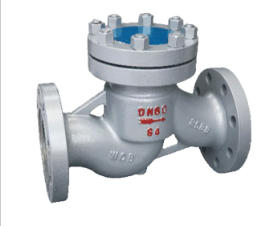
The 2-inch globe valve manufactured in China represents a critical component in industrial fluid systems, utilized for regulating flow within pipelines. Positioned within the flow control segment of the broader valve industry, these valves are distinguished by their disc-shaped obstruction, providing precise throttling capabilities. They are commonly employed in applications requiring frequent operation and tight shut-off, such as in steam distribution, chemical processing, and water treatment facilities. Core performance characteristics center around pressure drop, flow coefficient (Cv), sealing efficiency, and material compatibility with the transported fluid. Understanding these parameters is paramount for ensuring optimal system performance and longevity, and mitigating potential operational risks.
Material Science & Manufacturing
The body of a typical China 2-inch globe valve is often constructed from cast iron (ASTM A126 Grade B), ductile iron (ASTM A536 65-45-12), or carbon steel (ASTM A105). Cast iron provides cost-effectiveness but has limited tensile strength and corrosion resistance. Ductile iron offers improved strength and ductility. Carbon steel is favoured for high-temperature and high-pressure applications. The internal components, namely the disc and seat, commonly utilize materials like stainless steel (304, 316 – ASTM A351), bronze (ASTM B584), or PTFE (polytetrafluoroethylene). Stainless steel provides excellent corrosion resistance, crucial for handling aggressive fluids. Bronze offers good wear resistance and low friction. PTFE is selected for its chemical inertness and sealing capabilities.
Manufacturing generally involves a casting process for the body, followed by machining to achieve precise dimensions and smooth sealing surfaces. The disc is typically forged or cast, then meticulously ground and lapped to ensure a tight seal against the seat. The stem is often manufactured from stainless steel (410 or 420 – ASTM A276) and undergoes hardening and tempering for improved durability. Critical manufacturing parameters include wall thickness uniformity during casting, surface roughness (Ra) during machining (typically <0.8 μm for sealing surfaces), and dimensional tolerances conforming to API 6D standards. Welding processes, if employed (e.g., for attaching flanges), must adhere to ASME Section IX requirements, with qualified welders and documented procedures to ensure weld integrity and prevent defects like porosity and cracking. Quality control relies heavily on non-destructive testing (NDT) methods like radiographic testing (RT), ultrasonic testing (UT), and liquid penetrant testing (PT) to identify internal and surface flaws.
Performance & Engineering
The performance of a 2-inch globe valve is fundamentally dictated by fluid dynamics and stress analysis. The valve’s internal geometry creates significant pressure drop, necessitating careful consideration of flow velocity and pressure loss calculations. Bernoulli’s principle governs the flow acceleration through the constricted passage, impacting the valve’s Cv value (flow coefficient). Engineering considerations also include stem packing design to prevent leakage, particularly under high-pressure conditions. Packing materials such as graphite, PTFE, or asbestos-free compression packing are selected based on fluid compatibility and temperature range. The valve bonnet is designed to withstand internal pressure, utilizing bolted bonnet designs (e.g., RF, RTJ) for optimal sealing. Force analysis is critical during design, assessing stresses on the disc, seat, and stem under maximum operating pressure and temperature. Fatigue analysis is paramount to predict component life, especially for valves subject to frequent cycling. Compliance requirements are governed by standards like ANSI/FCI 70-2, which defines performance testing procedures for control valves, and API 598 which specifies inspection and testing of valves.
Technical Specifications
| Parameter | Specification | Unit | Test Standard |
|---|---|---|---|
| Nominal Size | 2 inch (DN50) | - | ANSI B16.1 |
| Pressure Rating | 125 PSI, 150 PSI, 300 PSI | PSI | ANSI B16.34 |
| Body Material | Cast Iron, Ductile Iron, Carbon Steel | - | ASTM A126, A536, A105 |
| Trim Material | Stainless Steel 304/316, Bronze | - | ASTM A351, B584 |
| Connection Type | Screwed, Flanged (RF, RTJ) | - | ANSI B16.5 |
| Operating Temperature | -20°C to 200°C (Depending on material) | °C | - |
Failure Mode & Maintenance
Common failure modes in 2-inch globe valves include seat erosion and leakage due to particulate matter in the fluid stream, disc corrosion leading to reduced sealing capability, stem packing failure resulting in external leakage, and body cracking caused by thermal stress or overpressure events. Fatigue cracking can occur in the stem under cyclic operation. Cavitation, arising from rapid pressure drop, can severely damage the disc and seat. Failure analysis should involve visual inspection, non-destructive testing (UT, PT), and material analysis (metallography) to determine the root cause. Maintenance procedures involve regular inspection of packing glands and tightening as needed, periodic back-flushing to remove debris, and replacement of worn or corroded components (disc, seat, stem packing). Preventative maintenance schedules should be established based on operating conditions and fluid properties. For severe corrosion, consider implementing corrosion inhibitors. Regular lubrication of the stem threads prevents seizing and ensures smooth operation. Detailed maintenance records are crucial for tracking component life and predicting potential failures. Hydrostatic testing (API 598) should be conducted periodically to verify body integrity.
Industry FAQ
Q: What is the primary advantage of a globe valve over a gate valve in throttling applications?
A: Globe valves offer superior throttling capabilities due to their disc design, allowing for precise flow regulation. Gate valves, while providing minimal pressure drop when fully open, are not designed for throttling and can experience erosion and vibration when partially open.
Q: How does the material selection impact the valve's lifespan when handling corrosive fluids?
A: Material selection is critical. Stainless steel (316) or alloys like Hastelloy are essential for handling highly corrosive fluids like strong acids or alkalis. Carbon steel will rapidly corrode, leading to valve failure. The fluid’s pH, temperature, and chemical composition must be considered.
Q: What are the implications of exceeding the valve’s pressure rating?
A: Exceeding the pressure rating can lead to catastrophic failure, including body rupture, seat blow-out, or stem breakage. It can also compromise the valve’s sealing integrity, resulting in leakage and potential hazards. Proper pressure relief mechanisms must be in place.
Q: What is the significance of the Cv value when selecting a globe valve?
A: The Cv value (flow coefficient) indicates the valve’s capacity to pass a specific flow rate at a given pressure drop. Selecting a valve with an appropriate Cv value ensures optimal performance and prevents excessive pressure loss in the system.
Q: What are the key considerations for long-term storage of globe valves?
A: Valves should be stored in a dry, climate-controlled environment to prevent corrosion. Protect sealing surfaces with caps or plugs. Regularly inspect for signs of rust or degradation. Apply a light coat of protective oil to prevent corrosion. Rotate stored valves periodically.
Conclusion
The China-manufactured 2-inch globe valve, while a common component, demands meticulous attention to material science, manufacturing precision, and application-specific engineering considerations. Its performance is inextricably linked to accurate specification of materials compatible with the process fluid, adherence to stringent manufacturing tolerances, and a thorough understanding of the operational parameters.
Ultimately, robust performance and longevity are achieved through preventative maintenance, regular inspection, and adherence to established industry standards. Properly implemented, this valve offers a reliable and cost-effective solution for flow control applications, however, ignoring these key factors can lead to premature failure, system downtime, and safety hazards.
-
Top Reasons to Choose a Stainless Steel Flange Check Valve for Industrial Applications
-
double flange butterfly valve Performance Analysis
-
Double Flanged Couplings Performance Analysis
-
double flanged butterfly valves Material Science
-
forged flange Performance Analysis
-
forging flange Material Science
-
forging flanges Material Performance
-
Round Flange Performance Analysis
-
Round Flanges Performance Analysis
-
Custom Flange Performance Analysis
-
DN 40 Flange Performance Analysis
-
8 inch flange Performance Analysis
-
angle ring flanges Performance Analysis
-
Flat Flanges Performance Analysis
-
Full Face Flange Performance Analysis
 Afrikaans
 Albanian
 Amharic
 Arabic
 Armenian
 Azerbaijani
 Basque
 Belarusian
 Bengali
 Bosnian
 Bulgarian
 Catalan
 Cebuano
 Corsican
 Croatian
 Czech
Czech
 Danish
 Dutch
Dutch
 Esperanto
 Estonian
 Finnish
 French
 Frisian
 Galician
 Georgian
 German
 Greek
Greek
 Gujarati
 Haitian Creole
 Hausa
Hawaiian
Hausa
Hawaiian
 Hebrew
 Hindi
Hindi
 Miao
Miao
 Hungarian
 Icelandic
 Igbo
Igbo
 Indonesian
 Irish
Irish
 Italian
 Japanese
 Javanese
Kannada
Javanese
Kannada
 Kazakh
 Khmer
Khmer
 Rwandese
 Korean
 Kurdish
 Kyrgyz
 Lao
Lao
 Latin
Latin
 Latvian
 Lithuanian
 Luxembourgish
 Macedonian
 Malgashi
 Malay
Malay
 Malayalam
 Maltese
 Maori
Maori
 Marathi
 Mongolian
 Myanmar
 Nepali
 Norwegian
 Norwegian
 Occitan
 Pashto
 Persian
 Polish
 Portuguese
Punjabi
Portuguese
Punjabi
 Romanian
 Russian
 Samoan
 Scottish Gaelic
 Serbian
 Sesotho
 Shona
Shona
 Sindhi
 Sinhala
 Slovak
 Slovenian
 Somali
 Spanish
 Sundanese
 Swahili
 Swedish
Tagalog
Swedish
Tagalog
 Tajik
Tajik
 Tamil
Tamil
 Tatar
Tatar
 Telugu
 Thai
Thai
 Turkish
 Turkmen
 Ukrainian
 Urdu
Urdu
 Uighur
 Uzbek
Uzbek
 Vietnamese
 Welsh
Welsh
 Bantu
Bantu
 Yiddish
 Yoruba
 Zulu
Zulu
 English