




china 3 inch butterfly valve Performance Engineering
Introduction
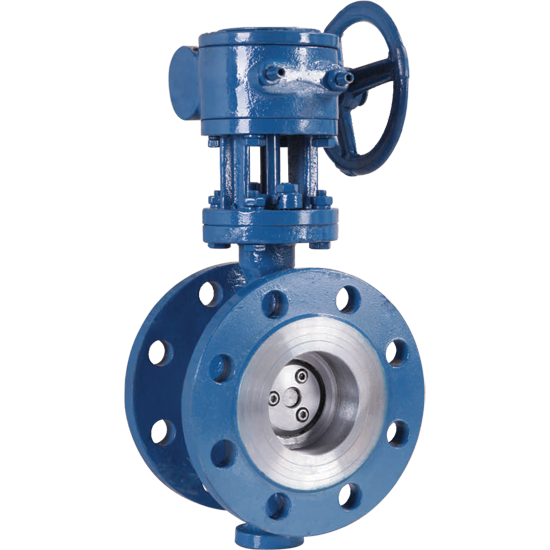
The 3-inch butterfly valve manufactured in China represents a critical component in fluid handling systems across diverse industrial applications. Positioned within the piping infrastructure, its primary function is to regulate or isolate fluid flow. Unlike gate valves or globe valves, the butterfly valve utilizes a rotating disc to control passage, resulting in a lighter weight, more compact design, and typically faster operational speeds. Its prevalence stems from a cost-effective manufacturing process, particularly within China, combined with acceptable performance characteristics for a broad spectrum of services. Core performance metrics center around leak tightness, pressure drop across the valve, and operational torque requirements. The growing demand for efficient and reliable flow control, particularly in water treatment, HVAC, and chemical processing, drives the continued development and adoption of these valves. This guide provides a comprehensive technical overview of these valves, covering material science, manufacturing processes, performance engineering, failure modes, and relevant industry standards.
Material Science & Manufacturing
The body of a typical 3-inch butterfly valve is commonly constructed from cast iron (ASTM A126 Class B), ductile iron (ASTM A536 65-45-12), or stainless steel (304/316). Cast iron offers cost-effectiveness but is susceptible to corrosion; therefore, it’s frequently coated with epoxy or fusion-bonded epoxy. Ductile iron provides enhanced strength and impact resistance while retaining reasonable corrosion resistance. Stainless steel is favored for aggressive media or hygienic applications, offering superior corrosion protection but at a higher material cost. The disc material is often brass (CZ132), stainless steel (304/316), or polymer-lined steel, chosen for abrasion resistance and chemical compatibility. Seat materials include EPDM, PTFE, and Viton, selected based on temperature and fluid compatibility. The stem, which rotates the disc, is typically stainless steel.
Manufacturing generally begins with the casting or forging of the valve body. Machining operations follow to achieve the necessary dimensional accuracy and surface finish for sealing. Disc manufacturing involves stamping, machining, or investment casting, followed by surface treatment if required. Seat installation often utilizes a vulcanization process (for EPDM) or mechanical compression. Assembly requires careful alignment of the disc and stem, followed by torque testing to ensure smooth operation. Critical parameters during manufacturing include wall thickness consistency of the body, concentricity of the seat, and surface roughness of the disc. Quality control measures involve non-destructive testing (NDT) methods such as radiographic inspection and dye penetrant testing to detect flaws in the casting and welds. Welding processes, when used for body fabrication or actuator mounting, follow AWS D1.1 standards.
Performance & Engineering
Performance of a 3-inch butterfly valve is heavily influenced by pressure-temperature ratings, flow coefficient (Cv), and allowable leakage rates. The valve’s ability to withstand internal pressure is dictated by the body material and design, adhering to ASME B16.34 standards. Cv values, determined through hydraulic testing, quantify the flow capacity. Leakage is specified by standards like ANSI/FCI 70-2, categorized into tightness classes (Class VI being the most stringent). Force analysis focuses on the torque required to rotate the disc against the seat pressure. This torque is affected by fluid pressure, disc diameter, and seat material. Environmental resistance considerations include temperature extremes, UV exposure (for polymer seats), and chemical attack. The selection of appropriate materials is crucial to mitigate these effects. Compliance requirements depend on the application; potable water systems require valves certified to NSF/ANSI 61, while hazardous media applications demand ATEX or IECEx certification for explosion protection. Actuator selection (pneumatic, electric, or manual) impacts operational speed, control precision, and required maintenance.
Technical Specifications
| Parameter | Specification (Typical) | Unit | Standard Reference |
|---|---|---|---|
| Valve Size | 3 inch (DN80) | inch/mm | ANSI/DIN |
| Body Material | Ductile Iron (65-45-12) | - | ASTM A536 |
| Disc Material | Stainless Steel 304 | - | ASTM A240 |
| Seat Material | EPDM | - | ASTM D2000 |
| Pressure Rating | 150 PSI | PSI | ASME B16.34 |
| Temperature Range | -20 to 180 | °C | - |
| Connection Type | Wafer | - | - |
Failure Mode & Maintenance
Common failure modes for 3-inch butterfly valves include seat erosion or degradation due to abrasion or chemical attack, leading to leakage. Disc corrosion, particularly in untreated cast iron valves, can cause increased torque and eventual failure. Stem corrosion or damage to stem seals results in leakage around the stem. Fatigue cracking can occur in the body or disc due to repeated cyclical loading, especially under high pressure fluctuations. Delamination of polymer linings can expose the underlying metal to corrosion. Oxidation of stainless steel components can occur at high temperatures. Maintenance procedures involve regular inspection of the seat for wear and damage, lubrication of the stem and bearings, and periodic torque checks. Replacing the seat is a common maintenance task. For corroded valves, surface treatment or replacement of affected components is necessary. Preventative maintenance programs should include regular visual inspections, monitoring of leakage rates, and adherence to manufacturer’s recommended maintenance schedules. Proper storage conditions (dry, protected from UV exposure) are critical to prevent premature degradation.
Industry FAQ
Q: What is the primary difference between a wafer-style and a lug-style 3-inch butterfly valve, and how does it impact installation?
A: Wafer-style valves require bolting between two flanges, relying on the mating flanges for structural support and sealing. Lug-style valves have their own flange lugs integrated into the valve body, allowing for installation without requiring mating flanges, and providing more flexibility in piping configurations. Lug-style valves are often preferred for applications where flange accessibility is limited or for ease of maintenance as they can be removed independently of the piping system.
Q: How does the choice of seat material affect the valve's suitability for different fluid types?
A: Seat material selection is critical for chemical compatibility. EPDM is excellent for water and many chemicals but degrades with exposure to petroleum-based fluids. PTFE offers broad chemical resistance but has lower mechanical strength and temperature limitations. Viton provides good resistance to oils, fuels, and high temperatures, but it’s more expensive. Careful consideration of the fluid’s chemical composition, temperature, and pressure is essential for proper seat material selection.
Q: What are the implications of a high Cv value for a 3-inch butterfly valve?
A: A high Cv value indicates a higher flow capacity with a minimal pressure drop across the valve. This is advantageous in applications where maximizing flow rate is paramount, but it also means the valve may be more sensitive to cavitation if not properly sized for the system's operating conditions. Careful system analysis and valve sizing are crucial to avoid performance issues.
Q: What are the common causes of excessive torque required to operate a butterfly valve, and how can they be addressed?
A: Excessive torque can result from seat abrasion, corrosion, or damage; stem corrosion or lack of lubrication; or buildup of deposits on the disc or seat. Addressing this involves inspecting and replacing the seat, lubricating the stem, cleaning the disc and seat, and ensuring proper material selection for the application.
Q: How important is the valve’s conformity to standards like ANSI/FCI 70-2, and what does this standard specify?
A: Conformity to ANSI/FCI 70-2 is critical as it defines acceptable leakage rates for butterfly valves across different tightness classes. This standard establishes a framework for evaluating valve performance and ensuring it meets specified sealing requirements, guaranteeing system integrity and preventing costly leaks. It provides standardized testing procedures and acceptance criteria.
Conclusion
The 3-inch butterfly valve manufactured in China provides a cost-effective and versatile solution for fluid control. Its performance is intrinsically linked to material selection, precise manufacturing, and adherence to industry standards. Understanding the potential failure modes and implementing proactive maintenance strategies are essential for ensuring long-term reliability and minimizing operational downtime.
Future development trends will likely focus on improved seat materials offering enhanced abrasion resistance and chemical compatibility, advanced actuator control systems for precise flow regulation, and integration of smart sensors for condition monitoring and predictive maintenance. Continued emphasis on quality control and standardization will be crucial for maintaining the competitiveness of Chinese-manufactured butterfly valves in the global market.
-
motorized ball valve Performance Analysis
-
floating ball valve Performance Analysis
-
ball valve stainless steel Performance Analysis
-
gate valve stainless steel Performance Analysis
-
dn200 gate valve Performance Analysis
-
gate valve pn40 Material Science
-
dn100 gate valve Performance Analysis
-
gate valve pneumatic Performance Analysis
-
gate valve wheel handle Performance Analysis
-
gate valve high pressure Performance Analysis
-
gate valve dn80 Material Science Manufacturing
-
gas gate valve Performance Analysis
-
forged steel gate valve Performance Analysis
-
flat gate valve Performance Analysis
-
gate valve 1/2 inch Performance Analysis
 Afrikaans
 Albanian
 Amharic
 Arabic
 Armenian
 Azerbaijani
 Basque
 Belarusian
 Bengali
 Bosnian
 Bulgarian
 Catalan
 Cebuano
 Corsican
 Croatian
 Czech
Czech
 Danish
 Dutch
Dutch
 Esperanto
 Estonian
 Finnish
 French
 Frisian
 Galician
 Georgian
 German
 Greek
Greek
 Gujarati
 Haitian Creole
 Hausa
Hawaiian
Hausa
Hawaiian
 Hebrew
 Hindi
Hindi
 Miao
Miao
 Hungarian
 Icelandic
 Igbo
Igbo
 Indonesian
 Irish
Irish
 Italian
 Japanese
 Javanese
Kannada
Javanese
Kannada
 Kazakh
 Khmer
Khmer
 Rwandese
 Korean
 Kurdish
 Kyrgyz
 Lao
Lao
 Latin
Latin
 Latvian
 Lithuanian
 Luxembourgish
 Macedonian
 Malgashi
 Malay
Malay
 Malayalam
 Maltese
 Maori
Maori
 Marathi
 Mongolian
 Myanmar
 Nepali
 Norwegian
 Norwegian
 Occitan
 Pashto
 Persian
 Polish
 Portuguese
Punjabi
Portuguese
Punjabi
 Romanian
 Russian
 Samoan
 Scottish Gaelic
 Serbian
 Sesotho
 Shona
Shona
 Sindhi
 Sinhala
 Slovak
 Slovenian
 Somali
 Spanish
 Sundanese
 Swahili
 Swedish
Tagalog
Swedish
Tagalog
 Tajik
Tajik
 Tamil
Tamil
 Tatar
Tatar
 Telugu
 Thai
Thai
 Turkish
 Turkmen
 Ukrainian
 Urdu
Urdu
 Uighur
 Uzbek
Uzbek
 Vietnamese
 Welsh
Welsh
 Bantu
Bantu
 Yiddish
 Yoruba
 Zulu
Zulu
 English