




floating ball valve Performance Analysis
Introduction
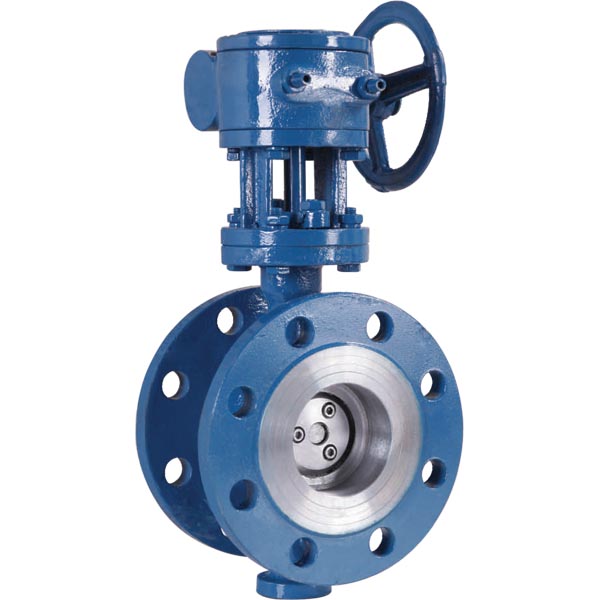
The floating ball valve is a quarter-turn rotational motion valve used to control the flow of fluids, gases, and slurries in a wide array of industrial applications. Distinguished by its simple design and robust performance, it represents a significant component within process control systems, particularly in sectors like oil and gas, chemical processing, water treatment, and power generation. Unlike trunnion-mounted ball valves, the ball in a floating ball valve is not supported by a trunnion and relies on resilient seats for primary support, allowing it to “float” between them. This configuration contributes to a tighter shut-off and reduced friction. A core challenge in valve selection lies in balancing sealing performance with operational torque requirements, especially in high-pressure and high-temperature environments. Understanding the material science and manufacturing nuances of floating ball valves is crucial for engineers and procurement specialists to ensure reliable, long-term performance and minimize total cost of ownership. This guide provides an in-depth examination of floating ball valve technology, covering materials, manufacturing, performance characteristics, potential failure modes, and relevant industry standards.
Material Science & Manufacturing
The performance of a floating ball valve is intrinsically linked to the materials used in its construction. The ball itself is commonly manufactured from carbon steel (ASTM A105), stainless steel (304/316, ASTM A351), or alloy steels, selected based on the fluid being controlled and the operating conditions. Stainless steels provide superior corrosion resistance, essential for handling aggressive media, while alloy steels are often chosen for high-temperature applications demanding strength and creep resistance. The valve body is frequently constructed from carbon steel (ASTM A105), ductile iron, or stainless steel. Seat materials are critical for sealing and are typically composed of reinforced PTFE (Teflon), RPTFE, or PEEK. These materials exhibit excellent chemical resistance and low friction coefficients. The manufacturing process begins with forging or casting the valve body and ball. Precision machining is then employed to achieve the required dimensional accuracy and surface finish. Critical parameters include ball sphericity, seat surface roughness, and body wall thickness. Welding (SMAW, GTAW) is often used for joining components, demanding stringent quality control to prevent defects like porosity and incomplete fusion. Post-weld heat treatment (PWHT) is often implemented to relieve residual stresses and enhance mechanical properties. Seat installation requires precise interference fitting to ensure a leak-tight seal. Hydrostatic testing is a mandatory quality control step, verifying the valve’s ability to withstand specified pressure without leakage. Non-destructive testing (NDT) methods like radiographic testing (RT) and ultrasonic testing (UT) are used to detect internal flaws in the valve body and ball.
Performance & Engineering
The performance of a floating ball valve hinges on its ability to reliably control flow while withstanding operational stresses. Force analysis focuses on the torque required to operate the valve, influenced by factors like fluid pressure, seat material, and ball size. Higher pressures and tighter sealing materials necessitate greater torque. Cavitation, a phenomenon where vapor bubbles form and collapse within the fluid, can cause significant damage to the ball and seats, particularly in high-velocity applications. Proper valve sizing and flow control are essential to mitigate cavitation risk. Environmental resistance is paramount, especially in corrosive environments. The selection of appropriate materials, coupled with protective coatings (e.g., epoxy, PTFE lining), is critical to prevent corrosion and ensure long-term valve integrity. Compliance with industry standards is non-negotiable. API 6D dictates requirements for design, manufacturing, testing, and documentation of ball valves. Pressure Equipment Directive (PED) 2014/68/EU sets stringent safety requirements for pressure-containing equipment within the European Union. Functional implementation involves careful consideration of actuation methods – manual, pneumatic, electric, or hydraulic. Actuator selection must align with the valve’s torque requirements and the desired level of automation. Proper installation practices, including alignment with upstream and downstream piping, are vital to prevent stress on the valve body and ensure leak-free operation. Furthermore, proper grounding is necessary to prevent static electricity build-up, particularly when handling flammable fluids.
Technical Specifications
| Parameter | Unit | Typical Value (Carbon Steel) | Typical Value (316 Stainless Steel) |
|---|---|---|---|
| Maximum Operating Pressure | psi | 1480 | 1480 |
| Temperature Range | °F | -20 to 450 | -20 to 600 |
| Body Material | - | Carbon Steel (A105) | 316 Stainless Steel (A351) |
| Ball Material | - | Carbon Steel (A105) | 316 Stainless Steel (A351) |
| Seat Material | - | PTFE | PTFE |
| Connection Type | - | Welded, Threaded, Flanged | Welded, Threaded, Flanged |
| Leakage Rate | ppm | < 1 | < 1 |
Failure Mode & Maintenance
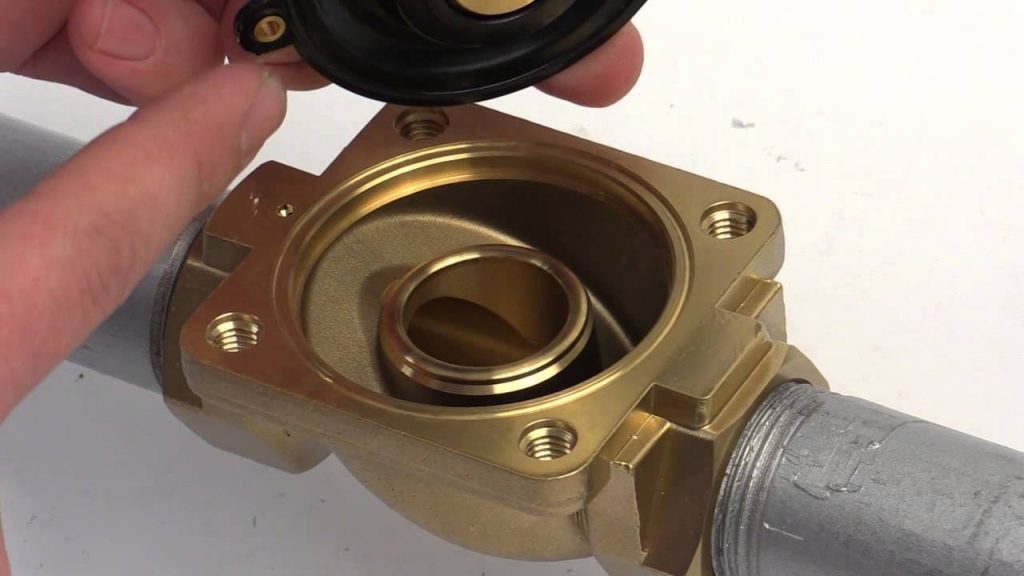
Floating ball valves, while robust, are susceptible to various failure modes. Seat deformation or damage is a common issue, leading to leakage. This can result from abrasion by particulates in the fluid, thermal expansion/contraction stresses, or over-tightening during installation. Fatigue cracking can occur in the valve body or ball due to cyclical loading, particularly in high-pressure applications. Corrosion, both localized pitting and general corrosion, weakens the valve components, compromising its integrity. Cavitation erosion damages the ball and seats, leading to rapid wear and leakage. Stem packing failure results in leakage around the stem. A critical failure mode is ball scuffing, characterized by surface damage on the ball due to inadequate lubrication or abrasive particles. Preventive maintenance is essential. Regular inspection of the valve body, ball, and seats for signs of corrosion, wear, or damage is crucial. Lubrication of the stem packing prevents leakage. Periodic testing of the valve’s sealing performance using bubble testing or pressure testing identifies leaks early on. Replacement of worn seats and packing is a routine maintenance task. For valves operating in corrosive environments, protective coatings should be inspected and reapplied as needed. Proper cleaning of the valve internals during maintenance removes debris and prevents abrasive wear. Correct torqueing of bolted connections prevents distortion and leakage. Detailed maintenance records are vital for tracking valve performance and identifying potential issues before they escalate.
Industry FAQ
Q: What is the primary difference between a floating ball valve and a trunnion-mounted ball valve in terms of application suitability?
A: Floating ball valves are generally preferred for lower-pressure, lower-temperature applications where tighter shut-off is critical. Trunnion-mounted valves excel in high-pressure, high-temperature services and large-diameter applications. The trunnion provides additional support to the ball, reducing stress on the seats and enabling it to handle greater loads. Floating ball valves are often more cost-effective for smaller sizes, while trunnion-mounted valves are essential for demanding conditions where the ball's stability is paramount.
Q: How does the choice of seat material impact the operating torque required for a floating ball valve?
A: Softer seat materials, such as PTFE, offer better sealing characteristics but generate higher friction, increasing the torque needed to operate the valve. Harder seat materials, like RPTFE or PEEK, reduce friction and torque but may compromise sealing performance. The optimal seat material selection is a trade-off between sealing requirements and operational convenience.
Q: What are the key considerations for selecting a floating ball valve for cryogenic applications?
A: Cryogenic applications require materials capable of withstanding extremely low temperatures without becoming brittle. Stainless steels (304L, 316L) are commonly used, as they maintain ductility at cryogenic temperatures. Special attention must be paid to seal materials, which must remain flexible and leak-tight at low temperatures. Thermal contraction and expansion differences between materials must be accounted for in the valve design to prevent stress concentrations.
Q: What are the common causes of cavitation in floating ball valves, and how can they be mitigated?
A: Cavitation is typically caused by a significant pressure drop across the valve, leading to vapor formation. This occurs in applications with high flow velocities or throttling conditions. Mitigation strategies include proper valve sizing, minimizing pressure drop through pipe design, and selecting a valve trim that reduces flow disturbance. Anti-cavitation trims are available for specific applications.
Q: How important is non-destructive testing (NDT) during the manufacturing process of a floating ball valve, and what NDT methods are typically employed?
A: NDT is crucial for ensuring the structural integrity of the valve and detecting internal flaws that could lead to failure. Common NDT methods include Radiographic Testing (RT) to detect volumetric flaws, Ultrasonic Testing (UT) to detect surface and subsurface defects, Liquid Penetrant Testing (PT) to detect surface cracks, and Magnetic Particle Inspection (MPI) also for surface crack detection. The specific NDT methods employed depend on the valve material and the criticality of the application.
Conclusion
The floating ball valve remains a versatile and reliable solution for flow control in a diverse range of industrial processes. Its simplicity, coupled with advancements in materials science and manufacturing techniques, ensures consistent performance and longevity. Selecting the appropriate materials and meticulously adhering to industry standards are paramount for achieving optimal results. Recognizing and mitigating potential failure modes through proactive maintenance programs guarantees operational safety and minimizes downtime.
Future trends point towards the integration of smart valve technologies, including sensor-based condition monitoring and remote diagnostics, to enhance predictive maintenance and optimize valve performance. The development of advanced seat materials with improved wear resistance and lower friction coefficients will further enhance the efficiency and reliability of floating ball valves in demanding applications. Continued adherence to stringent quality control measures and a deep understanding of fluid dynamics will remain essential for ensuring the continued success of this critical component in process control systems.
-
motorized ball valve Performance Analysis
-
floating ball valve Performance Analysis
-
ball valve stainless steel Performance Analysis
-
gate valve stainless steel Performance Analysis
-
dn200 gate valve Performance Analysis
-
gate valve pn40 Material Science
-
dn100 gate valve Performance Analysis
-
gate valve pneumatic Performance Analysis
-
gate valve wheel handle Performance Analysis
-
gate valve high pressure Performance Analysis
-
gate valve dn80 Material Science Manufacturing
-
gas gate valve Performance Analysis
-
forged steel gate valve Performance Analysis
-
flat gate valve Performance Analysis
-
gate valve 1/2 inch Performance Analysis
 Afrikaans
 Albanian
 Amharic
 Arabic
 Armenian
 Azerbaijani
 Basque
 Belarusian
 Bengali
 Bosnian
 Bulgarian
 Catalan
 Cebuano
 Corsican
 Croatian
 Czech
Czech
 Danish
 Dutch
Dutch
 Esperanto
 Estonian
 Finnish
 French
 Frisian
 Galician
 Georgian
 German
 Greek
Greek
 Gujarati
 Haitian Creole
 Hausa
Hawaiian
Hausa
Hawaiian
 Hebrew
 Hindi
Hindi
 Miao
Miao
 Hungarian
 Icelandic
 Igbo
Igbo
 Indonesian
 Irish
Irish
 Italian
 Japanese
 Javanese
Kannada
Javanese
Kannada
 Kazakh
 Khmer
Khmer
 Rwandese
 Korean
 Kurdish
 Kyrgyz
 Lao
Lao
 Latin
Latin
 Latvian
 Lithuanian
 Luxembourgish
 Macedonian
 Malgashi
 Malay
Malay
 Malayalam
 Maltese
 Maori
Maori
 Marathi
 Mongolian
 Myanmar
 Nepali
 Norwegian
 Norwegian
 Occitan
 Pashto
 Persian
 Polish
 Portuguese
Punjabi
Portuguese
Punjabi
 Romanian
 Russian
 Samoan
 Scottish Gaelic
 Serbian
 Sesotho
 Shona
Shona
 Sindhi
 Sinhala
 Slovak
 Slovenian
 Somali
 Spanish
 Sundanese
 Swahili
 Swedish
Tagalog
Swedish
Tagalog
 Tajik
Tajik
 Tamil
Tamil
 Tatar
Tatar
 Telugu
 Thai
Thai
 Turkish
 Turkmen
 Ukrainian
 Urdu
Urdu
 Uighur
 Uzbek
Uzbek
 Vietnamese
 Welsh
Welsh
 Bantu
Bantu
 Yiddish
 Yoruba
 Zulu
Zulu
 English