




dn200 gate valve Performance Analysis
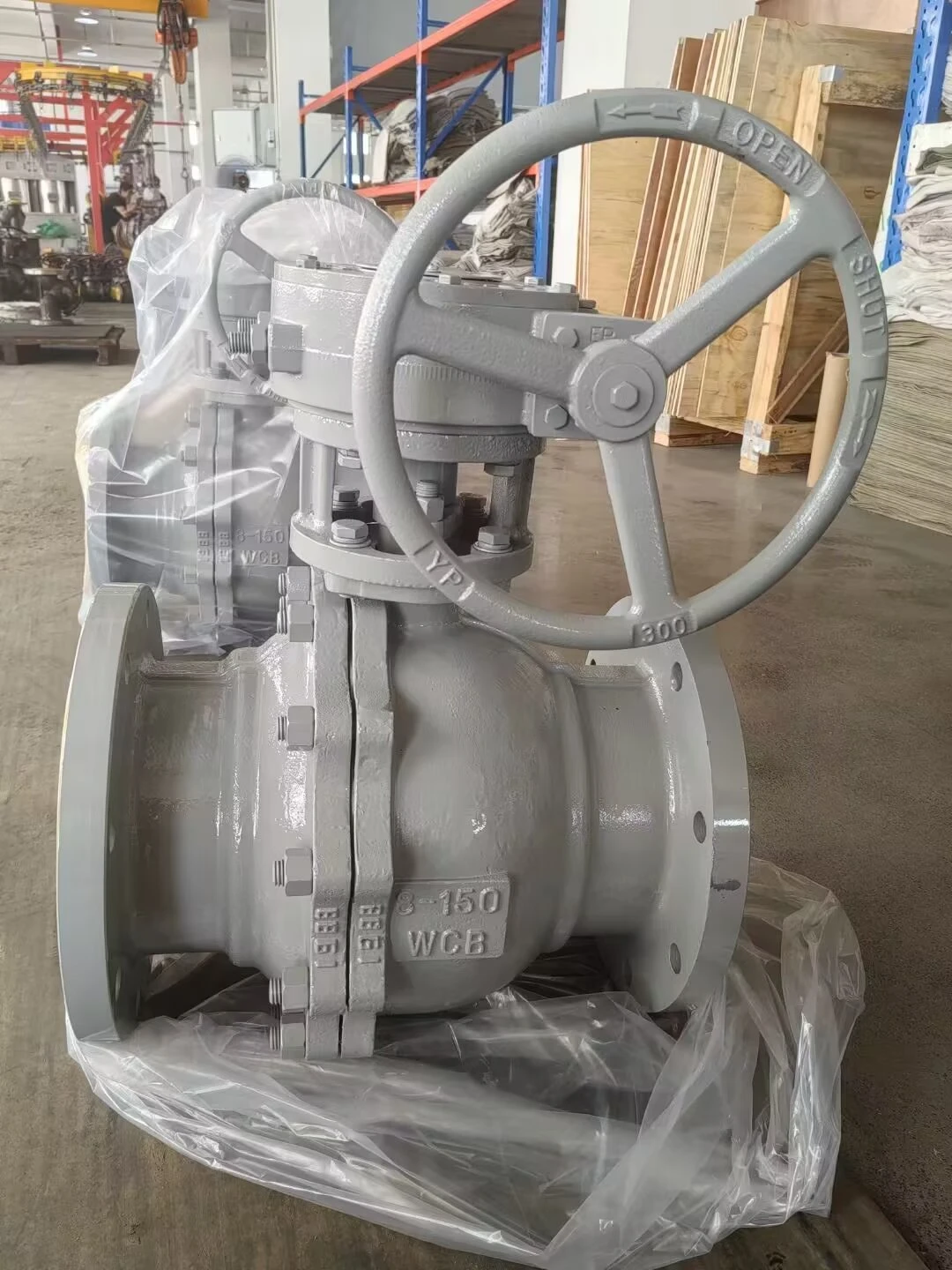
Introduction
The DN200 gate valve is a critical component in fluid handling systems, primarily utilized for on/off isolation of flow. Designated by its 200mm nominal diameter, it finds extensive application across diverse industries including water treatment, oil and gas, chemical processing, and power generation. Gate valves, in contrast to ball or butterfly valves, are not typically employed for throttling due to the high velocity of fluid across the gate, which can cause erosion and damage. Their primary function revolves around providing a bubble-tight seal when fully closed, minimizing pressure drop when fully open. The core performance characteristics are defined by pressure rating, material compatibility with the conveyed fluid, and adherence to relevant industry standards ensuring operational safety and longevity. A key industry pain point revolves around selecting the appropriate material grade and sealing configuration to withstand the specific fluid’s corrosive properties and operational temperature ranges, leading to premature failures and costly downtime.
Material Science & Manufacturing
DN200 gate valves are commonly manufactured from cast iron (ASTM A126 Grade B), ductile iron (ASTM A536 65-45-12), carbon steel (ASTM A105), stainless steel (304/316 – ASTM A351), and specialized alloys like Alloy 20 or Hastelloy, depending on the fluid’s chemical composition and operating conditions. Cast iron provides cost-effectiveness but exhibits limited corrosion resistance. Ductile iron offers improved strength and ductility. Carbon steel is a versatile option for general applications but is susceptible to corrosion in corrosive environments. Stainless steels, particularly 316, provide excellent corrosion resistance, especially against chloride attack. The gate itself is often manufactured from bronze (ASTM B584) or stainless steel to enhance wear resistance and sealing capability. Manufacturing processes begin with patternmaking for cast valves, followed by sand casting, core making, and fettling. Steel valves often utilize forging processes. Machining is critical for achieving dimensional accuracy of the valve body, gate, and seat. Welding (SMAW, GTAW, or FCAW depending on material) is used for fabricating valve components and attaching flanges. Critical parameters include weld penetration depth, heat input, and post-weld heat treatment to prevent cracking and maintain material integrity. Sealing is achieved through resilient seat materials like EPDM, NBR, or PTFE, which require precise molding and installation. Quality control involves non-destructive testing (NDT) such as radiography, ultrasonic testing, and liquid penetrant inspection to identify internal flaws and surface defects. Proper surface treatment (epoxy coating, galvanization) enhances corrosion protection for carbon steel and ductile iron valves.
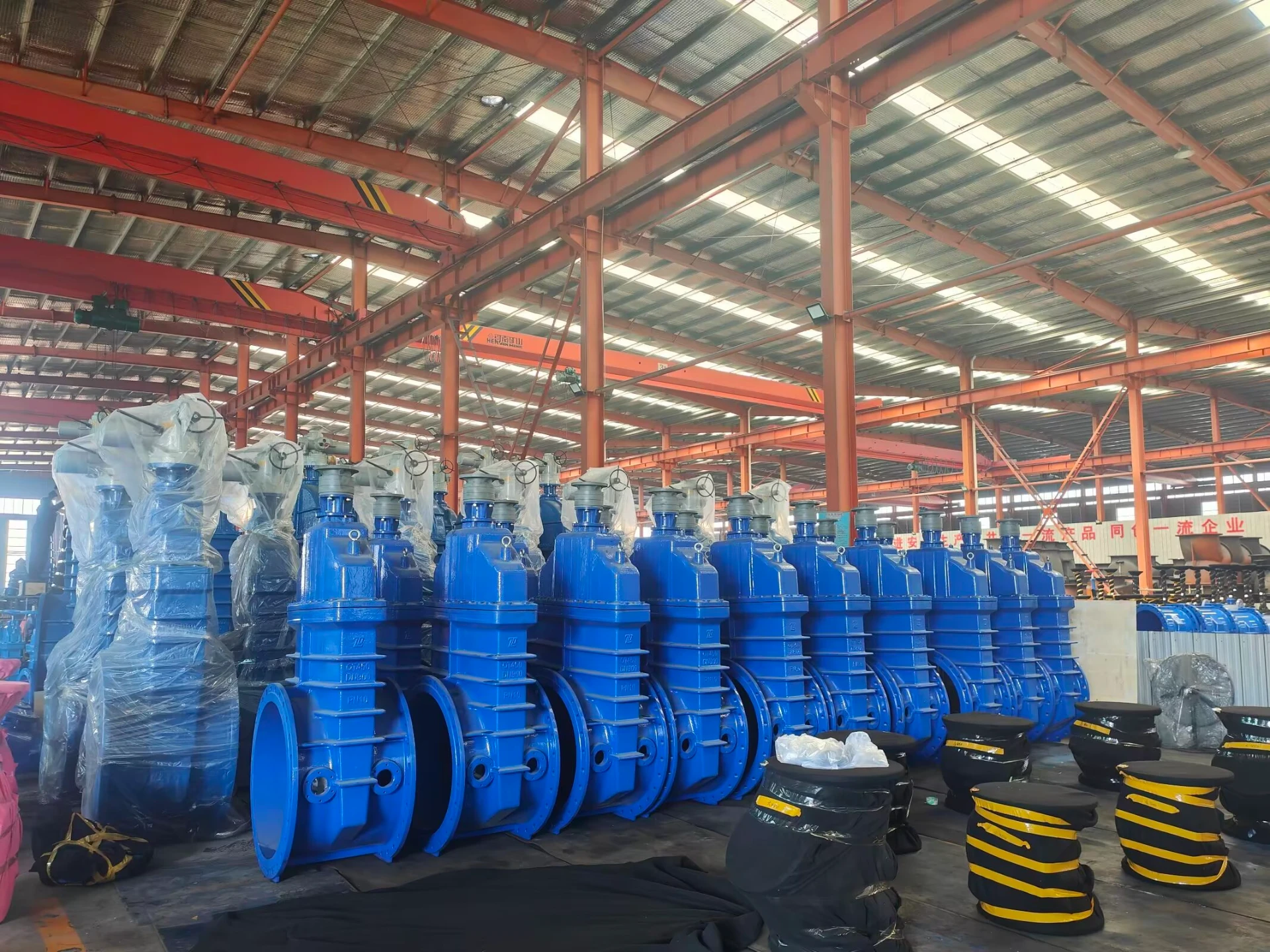
Performance & Engineering
Performance of a DN200 gate valve is heavily influenced by its pressure-temperature rating (e.g., 150lb, 300lb, 600lb conforming to ASME B16.34). Force analysis involves calculating the stresses on the gate, disc, stem, and valve body under maximum differential pressure. The stem packing must withstand significant pressure to prevent leakage around the stem. Environmental resistance is critical, requiring material selection that can withstand the operating temperature range (cryogenic to high-temperature steam) and chemical exposure. Valves operating in corrosive environments require specific coatings or alloy selection to prevent galvanic corrosion and pitting. Compliance requirements include adherence to API 600 (steel gate valves), API 623 (non-metallic seated gate valves), and relevant safety regulations (e.g., PED 2014/68/EU for European markets). The fugitive emissions requirements (EPA Method 21) also dictate the need for low-emission stem packing designs. Hydrostatic testing (API 598) verifies the structural integrity and leak-tightness of the valve body. A key engineering challenge is balancing the need for a low-pressure drop when fully open with maintaining a tight seal when closed. This involves careful design of the gate profile and seating surfaces.
Technical Specifications
| Parameter | DN200 Carbon Steel Gate Valve (150lb) | DN200 Stainless Steel 316 Gate Valve (300lb) | DN200 Ductile Iron Gate Valve (PN16) | DN200 Alloy 20 Gate Valve (600lb) |
|---|---|---|---|---|
| Nominal Diameter (mm) | 200 | 200 | 200 | 200 |
| Pressure Rating | 150 psi (10.3 bar) | 300 psi (20.7 bar) | 16 bar | 600 psi (41.4 bar) |
| Body Material | ASTM A105 | ASTM A351 CF8M | ASTM A536 65-45-12 | Alloy 20 |
| Gate Material | Bronze B584 | Stainless Steel 316 | Bronze B584 | Alloy 20 |
| Seat Material | NBR | PTFE | EPDM | PTFE |
| Connection Type | Flanged (ASME B16.5) | Flanged (ASME B16.5) | Flanged (DIN EN 1092-1) | Flanged (ASME B16.5) |
Failure Mode & Maintenance
Common failure modes for DN200 gate valves include gate sticking due to corrosion or debris buildup, seat erosion caused by particulate matter in the fluid, stem packing leakage resulting from wear or improper tightening, and body cracking from excessive pressure or thermal cycling. Fatigue cracking can occur in the gate or stem under cyclical loading. Corrosion, particularly pitting and crevice corrosion, is a prevalent issue in aggressive environments. Oxidation can also affect carbon steel components. Failure analysis should involve visual inspection, NDT (ultrasonic testing, radiography), and metallographic examination of failed parts. Maintenance procedures include regular inspection of the stem packing and gland, lubrication of the stem and gate, and periodic testing of the valve for leakage. Preventive maintenance should involve cleaning the valve body to remove debris and applying corrosion inhibitors. For valves with resilient seats, replacement of the seat is often required after a certain operational period. If gate sticking occurs, the valve should be disassembled, cleaned, and inspected for damage. Welding repairs should be performed by certified welders adhering to ASME Section IX procedures. A crucial aspect of maintenance is maintaining detailed records of inspections, repairs, and replacements to track valve performance and predict potential failures.
Industry FAQ
Q: What is the difference between a wedge gate valve and a parallel seat gate valve, and how does it impact application?
A: Wedge gate valves utilize a wedge-shaped gate that compresses against the seat to create a seal. They are more commonly used for high-pressure applications and offer a tighter shutoff. Parallel seat gate valves have a flat gate that slides parallel to the seat. They are better suited for applications requiring frequent operation, as they experience less friction. However, they may not provide as tight a seal as wedge gate valves.
Q: How do I select the appropriate stem packing material for a DN200 gate valve handling a corrosive fluid?
A: Stem packing material selection depends on the fluid's chemical compatibility. PTFE (Teflon) is a versatile option with excellent chemical resistance. Graphite-based packing is suitable for high-temperature applications and offers good self-lubrication. For specific corrosive fluids, consult a chemical resistance chart and consider reinforced packing materials to enhance durability.
Q: What are the advantages of using a stainless steel gate valve over a carbon steel gate valve in a seawater application?
A: Stainless steel, particularly 316, offers superior corrosion resistance to seawater compared to carbon steel. Carbon steel will rapidly corrode in seawater, leading to premature failure. Stainless steel minimizes corrosion and extends the valve’s service life in this harsh environment, reducing maintenance costs and downtime.
Q: What is the significance of API 600 and API 623 standards for gate valve selection?
A: API 600 defines the requirements for steel gate valves, covering design, manufacturing, and testing. API 623 focuses on non-metallic seated gate valves. Adhering to these standards ensures the valve meets industry-accepted quality and safety criteria, guaranteeing reliable performance and interchangeability.
Q: How often should the stem packing be replaced on a DN200 gate valve in normal service?
A: The replacement frequency depends on the fluid type, operating pressure, and temperature. As a general guideline, stem packing should be inspected annually and replaced if leakage is observed or if the packing has significantly compressed. In critical applications, more frequent inspections and replacements may be necessary.
Conclusion
The DN200 gate valve, while a relatively simple component, plays a vital role in maintaining the integrity of fluid handling systems. Its performance is intrinsically linked to material selection, meticulous manufacturing processes, and adherence to stringent industry standards. Selecting the correct material grade, understanding potential failure modes, and implementing a robust maintenance strategy are paramount to maximizing the valve's lifespan and minimizing operational disruptions. The specifications detailed above highlight the critical parameters influencing performance and reliability.
Looking ahead, advancements in valve technology focus on reducing fugitive emissions, enhancing sealing capabilities with advanced polymers, and developing smart valves with integrated sensors for remote monitoring and predictive maintenance. These innovations will further improve the efficiency, safety, and sustainability of fluid handling systems incorporating DN200 gate valves.
-
motorized ball valve Performance Analysis
-
floating ball valve Performance Analysis
-
ball valve stainless steel Performance Analysis
-
gate valve stainless steel Performance Analysis
-
dn200 gate valve Performance Analysis
-
gate valve pn40 Material Science
-
dn100 gate valve Performance Analysis
-
gate valve pneumatic Performance Analysis
-
gate valve wheel handle Performance Analysis
-
gate valve high pressure Performance Analysis
-
gate valve dn80 Material Science Manufacturing
-
gas gate valve Performance Analysis
-
forged steel gate valve Performance Analysis
-
flat gate valve Performance Analysis
-
gate valve 1/2 inch Performance Analysis
 Afrikaans
 Albanian
 Amharic
 Arabic
 Armenian
 Azerbaijani
 Basque
 Belarusian
 Bengali
 Bosnian
 Bulgarian
 Catalan
 Cebuano
 Corsican
 Croatian
 Czech
Czech
 Danish
 Dutch
Dutch
 Esperanto
 Estonian
 Finnish
 French
 Frisian
 Galician
 Georgian
 German
 Greek
Greek
 Gujarati
 Haitian Creole
 Hausa
Hawaiian
Hausa
Hawaiian
 Hebrew
 Hindi
Hindi
 Miao
Miao
 Hungarian
 Icelandic
 Igbo
Igbo
 Indonesian
 Irish
Irish
 Italian
 Japanese
 Javanese
Kannada
Javanese
Kannada
 Kazakh
 Khmer
Khmer
 Rwandese
 Korean
 Kurdish
 Kyrgyz
 Lao
Lao
 Latin
Latin
 Latvian
 Lithuanian
 Luxembourgish
 Macedonian
 Malgashi
 Malay
Malay
 Malayalam
 Maltese
 Maori
Maori
 Marathi
 Mongolian
 Myanmar
 Nepali
 Norwegian
 Norwegian
 Occitan
 Pashto
 Persian
 Polish
 Portuguese
Punjabi
Portuguese
Punjabi
 Romanian
 Russian
 Samoan
 Scottish Gaelic
 Serbian
 Sesotho
 Shona
Shona
 Sindhi
 Sinhala
 Slovak
 Slovenian
 Somali
 Spanish
 Sundanese
 Swahili
 Swedish
Tagalog
Swedish
Tagalog
 Tajik
Tajik
 Tamil
Tamil
 Tatar
Tatar
 Telugu
 Thai
Thai
 Turkish
 Turkmen
 Ukrainian
 Urdu
Urdu
 Uighur
 Uzbek
Uzbek
 Vietnamese
 Welsh
Welsh
 Bantu
Bantu
 Yiddish
 Yoruba
 Zulu
Zulu
 English