




gate valve stainless steel Performance Analysis
Introduction
Stainless steel gate valves are critical flow control components utilized extensively across diverse industrial applications, including petrochemical processing, water treatment, power generation, and marine engineering. Positioned within the fluid control industry chain, they function as isolation valves, primarily intended to start or stop fluid flow. Unlike regulating valves designed for throttling, gate valves excel in providing minimal obstruction to flow when fully open, resulting in low pressure drop. Their construction from various grades of stainless steel – 304, 316, and duplex alloys being common – provides enhanced corrosion resistance compared to carbon steel counterparts, particularly vital in aggressive chemical environments. Core performance characteristics are defined by pressure-temperature ratings (ANSI/ASME standards), sealing capabilities (achieved via resilient or metal seat designs), and operational torque requirements. The industry’s primary pain points revolve around selecting the appropriate stainless steel grade for specific fluid compatibility, ensuring long-term sealing integrity to prevent fugitive emissions, and mitigating the risk of crevice corrosion and pitting in harsh operating conditions.
Material Science & Manufacturing
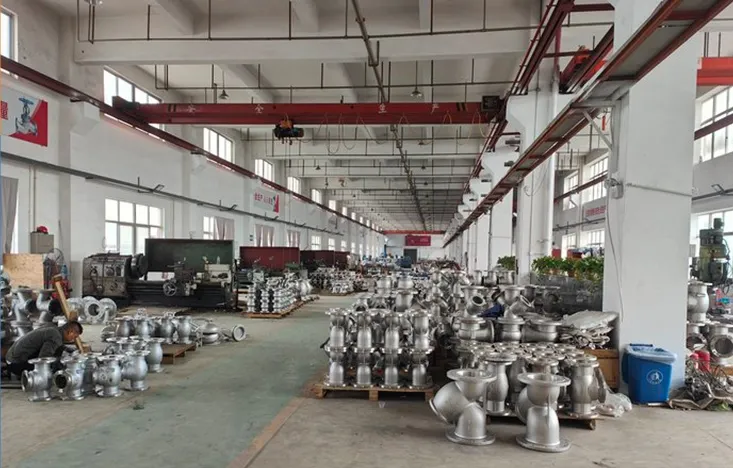
The primary material for stainless steel gate valves is, unsurprisingly, stainless steel. Common grades include 304/304L (austenitic, offering good corrosion resistance), 316/316L (enhanced corrosion resistance due to molybdenum addition, especially against chloride pitting), and duplex stainless steels (combining austenitic and ferritic structures for superior strength and corrosion resistance). The 'L' designation indicates low carbon content, minimizing carbide precipitation during welding and enhancing weldability. Raw material properties, such as tensile strength (typically 500-700 MPa for these grades), yield strength, elongation, and hardness, are rigorously controlled. Manufacturing typically involves several stages. Valve bodies are often produced via investment casting or sand casting, followed by precision machining to achieve tight tolerances. Valve stems are typically forged and machined. Disc fabrication utilizes similar methods, often employing stainless steel cladding on carbon steel for cost optimization in less critical applications. Welding processes are critical, typically employing TIG (GTAW) or MIG (GMAW) welding with carefully controlled heat input and shielding gas composition to prevent oxidation and maintain corrosion resistance. Post-weld heat treatment (PWHT) is often performed to relieve residual stresses and improve mechanical properties. Gate valve seats are either integral to the body (cast integral seat) or separately machined and pressed/threaded into the body. Resilient seat materials include EPDM, PTFE, and Viton, each offering varying temperature and chemical compatibility. Critical parameters during manufacturing include dimensional accuracy, surface finish (Ra values influence flow resistance and sealing), and weld quality (ensured through non-destructive testing like radiographic inspection and liquid penetrant testing).
Performance & Engineering
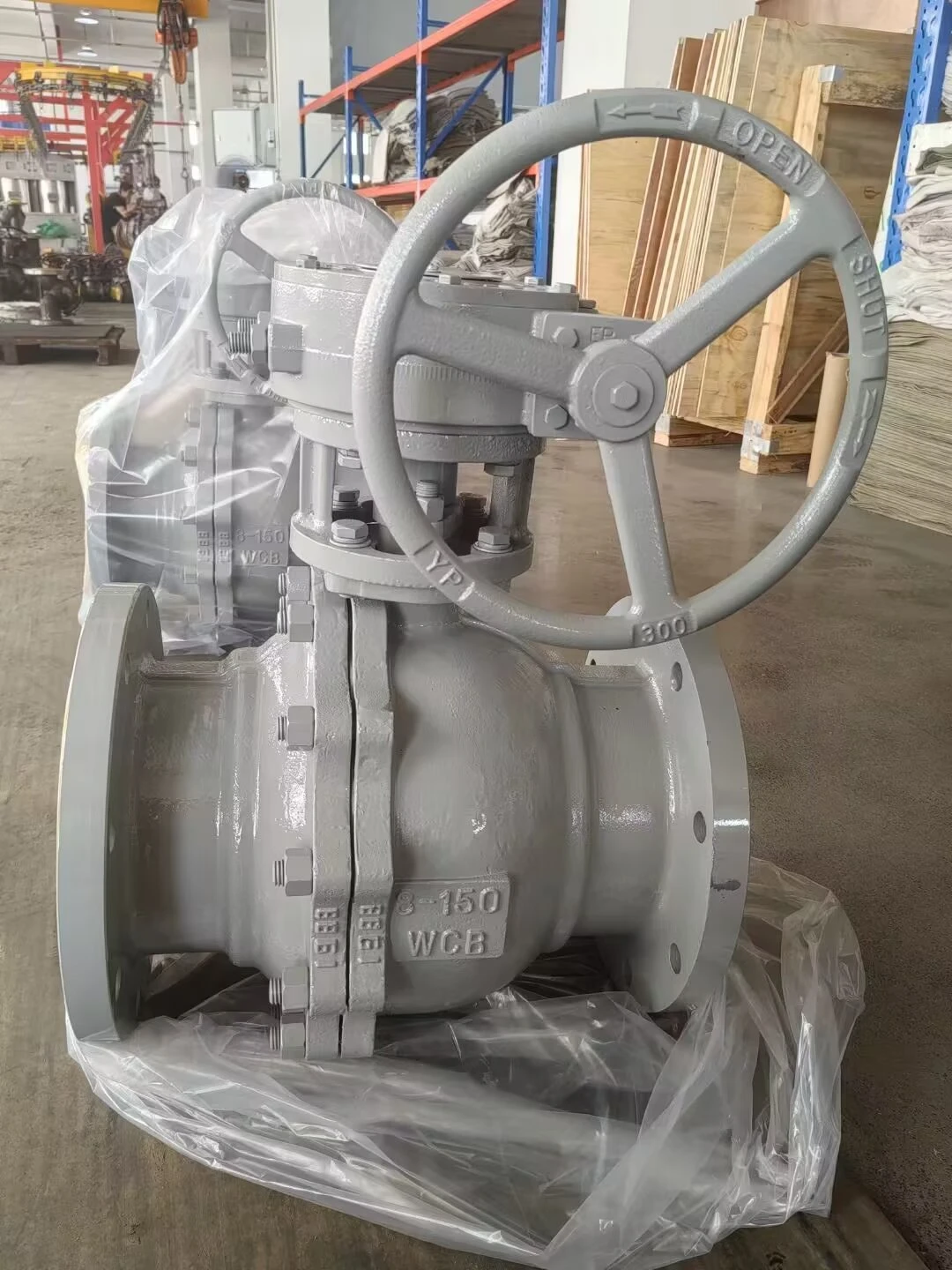
Gate valve performance is dictated by several engineering principles. Force analysis is crucial, particularly concerning the stem’s ability to withstand the hydrostatic forces exerted by the fluid, especially in large-diameter valves. Stem design incorporates threading and packing arrangements to prevent leakage around the stem. The disc’s sealing mechanism – wedge gate, parallel gate, or knife gate – directly impacts sealing efficiency and pressure drop. Wedge gates, available in solid wedge, flexible wedge, and split wedge designs, offer superior sealing but require higher torque for operation. Parallel gates provide low friction but may be prone to leakage if the seats become damaged. Knife gates are best suited for applications with viscous media or slurries. Environmental resistance is a primary consideration. Stainless steel alloys must be selected based on the specific fluid composition and operating temperature. Chloride-induced pitting corrosion is a significant concern in marine environments and chemical processing. Crevice corrosion can occur under packing glands and in areas of stagnant fluid. Compliance with industry standards, such as API 600 (Steel Gate Valves), ASME Section VIII Division 1 (Pressure Vessels), and PED 2014/68/EU (Pressure Equipment Directive), is mandatory. Hydrostatic testing, conducted at pressures exceeding the design pressure, verifies the valve's structural integrity and leak tightness. Fugitive emission testing, per standards like EPA Method 21, assesses stem and seat leakage rates to ensure environmental compliance. Furthermore, the valve’s torque requirements dictate actuator sizing, whether manual handwheel, gearbox, pneumatic actuator, or electric actuator.
Technical Specifications
| Parameter | 304 Stainless Steel | 316 Stainless Steel | Duplex Stainless Steel (2205) | Unit |
|---|---|---|---|---|
| Tensile Strength | 500-700 | 520-730 | 830-1000 | MPa |
| Yield Strength | 205-310 | 240-380 | 450-620 | MPa |
| Corrosion Resistance (Chloride) | Good | Excellent | Superior | Qualitative |
| Maximum Operating Temperature | 870 | 870 | 300 | °C |
| Pressure Rating (ANSI Class 150) | Up to 20 | Up to 20 | Up to 20 | bar |
| Typical Application | Clean Water, Oil | Chemical Processing, Marine | Offshore Oil & Gas, Harsh Environments | - |
Failure Mode & Maintenance
Gate valves are susceptible to several failure modes. Fatigue cracking can occur in the stem or disc due to cyclical operation and fluctuating pressures. Corrosion, particularly pitting and crevice corrosion, weakens the valve body and components. Erosion can damage the disc and seats when handling abrasive fluids or slurries. Seat deformation or damage leads to leakage. Cavitation, caused by rapid pressure drops, erodes the disc and internal components. Galling, resulting from friction between mating surfaces, can seize the stem. Maintenance is crucial for extending service life. Regular inspection of the stem packing is essential to prevent leakage. Lubrication of the stem threads reduces friction and prevents galling. Periodic inspection of the disc and seats for wear and damage is recommended. Hydrostatic testing should be performed periodically to verify the valve's integrity. For valves exposed to corrosive environments, consider implementing cathodic protection or applying protective coatings. When replacing parts, use only qualified materials and follow manufacturer’s recommendations. Root cause failure analysis (RCFA) should be performed on any catastrophic failures to identify the underlying issues and prevent recurrence.
Industry FAQ
Q: What is the primary difference between a wedge gate valve and a parallel gate valve in terms of sealing performance?
A: Wedge gate valves, particularly those with a flexible or split wedge design, provide a tighter seal due to the wedge’s geometry forcing the disc against the seats. This is optimal for applications requiring zero leakage. Parallel gate valves, while offering lower friction, rely on precise alignment and seat contact, making them more susceptible to leakage, especially with wear or thermal expansion.
Q: How does the molybdenum content in 316 stainless steel improve corrosion resistance compared to 304?
A: Molybdenum enhances the resistance to pitting and crevice corrosion, particularly in chloride-containing environments. Chloride ions attack the passive layer on stainless steel, and molybdenum forms a more stable and protective passive film, inhibiting chloride ingress and preventing corrosion initiation.
Q: What are the key considerations when selecting a seat material for a gate valve handling a highly corrosive chemical?
A: The seat material must exhibit excellent chemical compatibility with the fluid. PTFE (Teflon) offers broad chemical resistance but has temperature limitations. EPDM is suitable for many chemicals but less resistant to oils and solvents. Viton (FKM) provides superior resistance to high temperatures and harsh chemicals but is more expensive. A material compatibility chart should be consulted, and testing may be necessary to verify compatibility.
Q: What is the significance of NACE MR0175/ISO 15156 regarding material selection for sour service applications?
A: NACE MR0175/ISO 15156 specifies material requirements for components used in oil and gas production environments containing hydrogen sulfide (H2S), which causes sulfide stress cracking (SSC). It defines acceptable materials and hardness limitations to prevent SSC and ensure safe operation in sour service conditions. Gate valves intended for these applications must adhere strictly to this standard.
Q: What are the advantages of using a duplex stainless steel gate valve over a 316 stainless steel valve in a seawater application?
A: Duplex stainless steels offer superior resistance to chloride pitting and crevice corrosion compared to 316 stainless steel, making them ideal for seawater applications. They also exhibit higher strength, allowing for lighter weight construction and potentially reducing costs. However, duplex stainless steels generally have lower ductility and may be more challenging to weld.
Conclusion
Stainless steel gate valves represent a cornerstone of fluid control technology, offering reliability and corrosion resistance crucial for diverse industrial processes. The selection of the appropriate stainless steel grade—ranging from 304/304L to 316/316L and duplex alloys—is paramount, dictated by fluid composition, temperature, and pressure conditions. Understanding the manufacturing processes, including casting, machining, and welding, alongside rigorous quality control measures, directly influences valve performance and longevity.
Effective maintenance practices, encompassing regular inspection, lubrication, and hydrostatic testing, are essential to mitigate common failure modes such as fatigue cracking, corrosion, and seat degradation. Compliance with international standards like API 600 and ASME Section VIII is non-negotiable, ensuring safety and operational integrity. Continued advancements in materials science and manufacturing techniques will undoubtedly lead to even more durable and efficient stainless steel gate valve designs in the future.
-
motorized ball valve Performance Analysis
-
floating ball valve Performance Analysis
-
ball valve stainless steel Performance Analysis
-
gate valve stainless steel Performance Analysis
-
dn200 gate valve Performance Analysis
-
gate valve pn40 Material Science
-
dn100 gate valve Performance Analysis
-
gate valve pneumatic Performance Analysis
-
gate valve wheel handle Performance Analysis
-
gate valve high pressure Performance Analysis
-
gate valve dn80 Material Science Manufacturing
-
gas gate valve Performance Analysis
-
forged steel gate valve Performance Analysis
-
flat gate valve Performance Analysis
-
gate valve 1/2 inch Performance Analysis
 Afrikaans
 Albanian
 Amharic
 Arabic
 Armenian
 Azerbaijani
 Basque
 Belarusian
 Bengali
 Bosnian
 Bulgarian
 Catalan
 Cebuano
 Corsican
 Croatian
 Czech
Czech
 Danish
 Dutch
Dutch
 Esperanto
 Estonian
 Finnish
 French
 Frisian
 Galician
 Georgian
 German
 Greek
Greek
 Gujarati
 Haitian Creole
 Hausa
Hawaiian
Hausa
Hawaiian
 Hebrew
 Hindi
Hindi
 Miao
Miao
 Hungarian
 Icelandic
 Igbo
Igbo
 Indonesian
 Irish
Irish
 Italian
 Japanese
 Javanese
Kannada
Javanese
Kannada
 Kazakh
 Khmer
Khmer
 Rwandese
 Korean
 Kurdish
 Kyrgyz
 Lao
Lao
 Latin
Latin
 Latvian
 Lithuanian
 Luxembourgish
 Macedonian
 Malgashi
 Malay
Malay
 Malayalam
 Maltese
 Maori
Maori
 Marathi
 Mongolian
 Myanmar
 Nepali
 Norwegian
 Norwegian
 Occitan
 Pashto
 Persian
 Polish
 Portuguese
Punjabi
Portuguese
Punjabi
 Romanian
 Russian
 Samoan
 Scottish Gaelic
 Serbian
 Sesotho
 Shona
Shona
 Sindhi
 Sinhala
 Slovak
 Slovenian
 Somali
 Spanish
 Sundanese
 Swahili
 Swedish
Tagalog
Swedish
Tagalog
 Tajik
Tajik
 Tamil
Tamil
 Tatar
Tatar
 Telugu
 Thai
Thai
 Turkish
 Turkmen
 Ukrainian
 Urdu
Urdu
 Uighur
 Uzbek
Uzbek
 Vietnamese
 Welsh
Welsh
 Bantu
Bantu
 Yiddish
 Yoruba
 Zulu
Zulu
 English