




china extended body gate valves Performance Analysis
Introduction
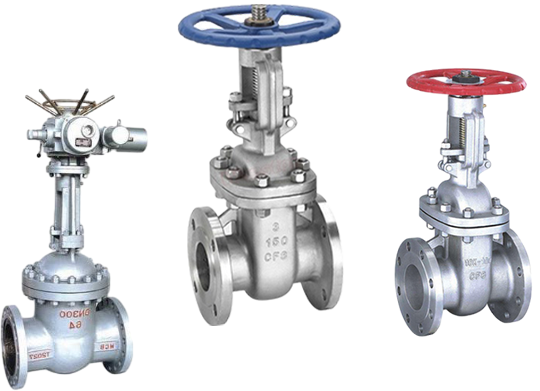
China extended body gate valves represent a critical component in fluid handling systems across diverse industries including oil & gas, petrochemicals, water treatment, and power generation. These valves, characterized by their extended bonnet design, offer enhanced sealing capabilities and isolation compared to standard gate valves, particularly in high-pressure and high-temperature applications. The extended bonnet isolates the valve stem packing from the fluid being controlled, mitigating fugitive emissions and enhancing safety. This guide provides a comprehensive technical overview, detailing material science, manufacturing processes, performance characteristics, failure modes, and relevant industry standards pertaining to these valves. A core industry pain point addressed by extended body gate valves is the need for reliable shut-off in demanding service conditions, minimizing leakage and ensuring process integrity. The extended body configuration allows for the use of multiple packing layers and larger stem diameters, contributing to superior sealing performance and prolonged valve life. Furthermore, adherence to stringent quality control throughout the manufacturing process is paramount to deliver valves capable of withstanding corrosive fluids and extreme temperature fluctuations.
Material Science & Manufacturing
The body of china extended body gate valves is typically forged from carbon steel (ASTM A105, A350), alloy steel (ASTM A182 F51, F53), or stainless steel (ASTM A351 CF8, CF8M, A182 F304, F316) depending on the fluid service and operating conditions. The choice of material dictates corrosion resistance, tensile strength, and temperature tolerance. For highly corrosive environments, duplex stainless steel or nickel alloys may be employed. The gate itself is commonly constructed of materials matching the body or utilizing hardened alloys for increased wear resistance. Seat materials include reinforced PTFE, flexible metal seats, or graphite depending on the pressure and temperature requirements. The stem is usually manufactured from alloy steel, often treated with hard chrome plating to enhance durability and reduce friction. Manufacturing begins with forging or casting the valve body, followed by precision machining to ensure dimensional accuracy. Welding processes, adhering to ASME Section IX standards, are critical for joining bonnet extensions and other components. Non-destructive testing (NDT), including radiographic testing (RT), ultrasonic testing (UT), and liquid penetrant testing (PT), is mandatory to verify weld integrity. The gate is lapped to achieve a smooth, leak-tight sealing surface. Assembly requires careful control of torque specifications for bolting to ensure proper gasket compression and prevent distortion. Proper heat treatment processes are applied to the body and gate to achieve desired mechanical properties and prevent cracking. Key parameter control includes chemical composition verification, hardness testing, dimensional inspection, and pressure testing per API 598.
Performance & Engineering
Extended body gate valves are engineered to provide reliable bi-directional shutoff, meaning they can effectively seal flow from either direction. Force analysis focuses on bonnet bolting stress, seat load distribution, and stem thrust during operation. Finite Element Analysis (FEA) is routinely employed to optimize valve design and predict stress concentrations. Environmental resistance is paramount; valves must withstand temperature cycling, pressure fluctuations, and exposure to corrosive media. Compliance with standards such as API 600, API 6D, and ASME B16.34 ensures interchangeability and safety. Functional implementation relies on the tight closure between the gate and seats, achieved through precise machining and controlled stem travel. Packing arrangements within the extended bonnet are designed to prevent stem leakage at high pressures and temperatures. The extended bonnet also provides a thermal break, protecting the valve stem packing from the extreme temperatures of the process fluid. Pressure testing, including shell testing, seat testing, and packing testing, is performed to verify valve performance and compliance with specified requirements. Consideration must be given to cavitation and erosion potential when handling flashing liquids or fluids containing solids. Gate travel speed is a key engineering parameter, optimized to balance quick operation with minimal seat wear.
Technical Specifications
| Parameter | Unit | ASTM A105 Carbon Steel | ASTM A182 F316 Stainless Steel |
|---|---|---|---|
| Maximum Allowable Pressure (MAP) | psi | 2500 | 2000 |
| Temperature Range | °F | -20 to 450 | -325 to 650 |
| Connection Type | - | Welded, Screwed, Flanged | Welded, Screwed, Flanged |
| Gate Material | - | Carbon Steel, Alloy Steel | Stainless Steel, Alloy Steel |
| Seat Material | - | RTFE, Metal Seat | RTFE, Metal Seat |
| Stem Material | - | Alloy Steel | Alloy Steel |
Failure Mode & Maintenance
Common failure modes for extended body gate valves include gate erosion due to particle impingement, seat damage from over-tightening or corrosion, stem packing leakage resulting from wear or improper compression, and body cracking due to fatigue or thermal stress. Fatigue cracking can occur in the bonnet bolting, particularly under cyclical loading. Delamination of the seat material can lead to leakage. Oxidation of the stem can increase friction and hinder operation. Corrosion, both uniform and pitting, can compromise the valve body’s integrity. Failure analysis often reveals root causes related to improper material selection, inadequate maintenance, or exceeding design limits. Preventative maintenance includes regular inspection of the stem packing, lubrication of the stem threads, and periodic torque checks on bonnet bolting. Seat replacement is necessary when damage is detected. NDT methods, such as UT and PT, can identify cracks or corrosion before they lead to catastrophic failure. Proper storage and handling are essential to prevent corrosion during periods of inactivity. In the event of a stem packing leak, the packing should be replaced following the manufacturer's instructions. Regular exercising of the valve helps prevent stiction and ensures smooth operation. A comprehensive maintenance program, including record-keeping and scheduled inspections, is crucial for maximizing valve lifespan and minimizing downtime.
Industry FAQ
Q: What is the primary advantage of an extended bonnet design over a standard bonnet gate valve?
A: The extended bonnet provides enhanced safety and leak control by isolating the stem packing from the process fluid. This allows for multiple packing layers and larger stem diameters, resulting in significantly reduced fugitive emissions, particularly crucial in hazardous environments.
Q: How do different seat materials impact valve performance and application suitability?
A: RTFE seats offer excellent sealing at low to moderate temperatures and pressures, while metal seats provide higher temperature and pressure capabilities, but may require more frequent maintenance. Seat selection depends on the fluid compatibility and operating conditions.
Q: What are the critical considerations when selecting materials for high-temperature, high-pressure applications?
A: Material selection must prioritize creep resistance, tensile strength at elevated temperatures, and resistance to thermal shock. Alloy steels and stainless steels are commonly used, but careful consideration of the specific fluid service is essential to prevent corrosion.
Q: What NDT methods are commonly employed to ensure weld quality in extended body gate valve construction?
A: Radiographic testing (RT), ultrasonic testing (UT), and liquid penetrant testing (PT) are standard NDT methods used to detect weld defects such as porosity, cracks, and lack of fusion, ensuring structural integrity.
Q: What preventative maintenance practices are recommended to extend the lifespan of an extended body gate valve?
A: Regular inspection of stem packing, lubrication of stem threads, periodic torque checks on bonnet bolts, valve exercising, and scheduled NDT inspections are crucial preventative maintenance practices.
Conclusion
China extended body gate valves are engineered solutions for demanding fluid control applications requiring reliable shut-off and minimized leakage. Their extended bonnet design, coupled with meticulous material selection and manufacturing processes, provides a significant advantage over standard gate valves in high-pressure, high-temperature, and hazardous environments. Proper application, regular maintenance, and adherence to industry standards are essential for maximizing valve lifespan and ensuring operational safety.
Moving forward, advancements in materials science and valve design will likely focus on further reducing fugitive emissions, enhancing corrosion resistance, and improving valve automation capabilities. Digitalization and the implementation of predictive maintenance strategies, leveraging sensor data and machine learning, will play an increasingly important role in optimizing valve performance and minimizing downtime across critical infrastructure industries.
-
motorized ball valve Performance Analysis
-
floating ball valve Performance Analysis
-
ball valve stainless steel Performance Analysis
-
gate valve stainless steel Performance Analysis
-
dn200 gate valve Performance Analysis
-
gate valve pn40 Material Science
-
dn100 gate valve Performance Analysis
-
gate valve pneumatic Performance Analysis
-
gate valve wheel handle Performance Analysis
-
gate valve high pressure Performance Analysis
-
gate valve dn80 Material Science Manufacturing
-
gas gate valve Performance Analysis
-
forged steel gate valve Performance Analysis
-
flat gate valve Performance Analysis
-
gate valve 1/2 inch Performance Analysis
 Afrikaans
 Albanian
 Amharic
 Arabic
 Armenian
 Azerbaijani
 Basque
 Belarusian
 Bengali
 Bosnian
 Bulgarian
 Catalan
 Cebuano
 Corsican
 Croatian
 Czech
Czech
 Danish
 Dutch
Dutch
 Esperanto
 Estonian
 Finnish
 French
 Frisian
 Galician
 Georgian
 German
 Greek
Greek
 Gujarati
 Haitian Creole
 Hausa
Hawaiian
Hausa
Hawaiian
 Hebrew
 Hindi
Hindi
 Miao
Miao
 Hungarian
 Icelandic
 Igbo
Igbo
 Indonesian
 Irish
Irish
 Italian
 Japanese
 Javanese
Kannada
Javanese
Kannada
 Kazakh
 Khmer
Khmer
 Rwandese
 Korean
 Kurdish
 Kyrgyz
 Lao
Lao
 Latin
Latin
 Latvian
 Lithuanian
 Luxembourgish
 Macedonian
 Malgashi
 Malay
Malay
 Malayalam
 Maltese
 Maori
Maori
 Marathi
 Mongolian
 Myanmar
 Nepali
 Norwegian
 Norwegian
 Occitan
 Pashto
 Persian
 Polish
 Portuguese
Punjabi
Portuguese
Punjabi
 Romanian
 Russian
 Samoan
 Scottish Gaelic
 Serbian
 Sesotho
 Shona
Shona
 Sindhi
 Sinhala
 Slovak
 Slovenian
 Somali
 Spanish
 Sundanese
 Swahili
 Swedish
Tagalog
Swedish
Tagalog
 Tajik
Tajik
 Tamil
Tamil
 Tatar
Tatar
 Telugu
 Thai
Thai
 Turkish
 Turkmen
 Ukrainian
 Urdu
Urdu
 Uighur
 Uzbek
Uzbek
 Vietnamese
 Welsh
Welsh
 Bantu
Bantu
 Yiddish
 Yoruba
 Zulu
Zulu
 English