




china forged steel globe valves Performance Analysis

Introduction
Forged steel globe valves, manufactured in China, represent a critical component in fluid flow control systems across numerous industrial applications. Positioned within the broader valve industry – encompassing gate, ball, butterfly, and check valves – globe valves distinguish themselves through their superior throttling capability and tight shut-off characteristics. These valves regulate flow by employing a disc that moves perpendicular to the flow path, facilitating precise control even with relatively small pressure drops. Chinese manufacturers have become significant players in the global forged steel globe valve market, offering a range of sizes, pressure classes, and materials to meet diverse industrial demands. Core performance characteristics include flow coefficient (Cv), pressure drop, sealing class (ANSI/FCI 70-2 or equivalent), and operational torque. The increasing demand for reliable and cost-effective flow control solutions drives continued innovation in design and manufacturing processes within this sector. A key industry pain point centers on ensuring material traceability and consistent quality given varying levels of manufacturing standards across different Chinese facilities.
Material Science & Manufacturing
The predominant material for forged steel globe valves is carbon steel (ASTM A105, A350), alloy steel (ASTM A182 F51, F53, F55), or stainless steel (ASTM A182 F304, F316). The choice of material dictates the valve’s corrosion resistance, temperature capabilities, and suitability for specific fluid media. Forging, as opposed to casting, imparts superior mechanical properties due to the grain flow alignment induced by the process. Critical raw material properties include yield strength, tensile strength, elongation, and impact toughness (Charpy V-notch). Manufacturing typically involves the following steps: billet cutting, forging (closed-die or open-die), heat treatment (normalizing, quenching & tempering), machining (body, bonnet, disc, stem), seat machining and lapping, stem threading, assembly, pressure testing (hydrostatic and pneumatic), and surface treatment (painting or coating). Parameter control during forging is paramount; temperature, forging pressure, and cooling rate significantly impact the final microstructure and mechanical properties. Welding processes (SMAW, GTAW) are utilized for certain components, requiring strict adherence to welding procedures (AWS D1.1) to maintain weld integrity and prevent defects such as porosity or cracking. Quality control includes non-destructive testing (NDT) methods like liquid penetrant inspection (LPI), magnetic particle inspection (MPI), and ultrasonic testing (UT) to detect surface and subsurface flaws.
Performance & Engineering
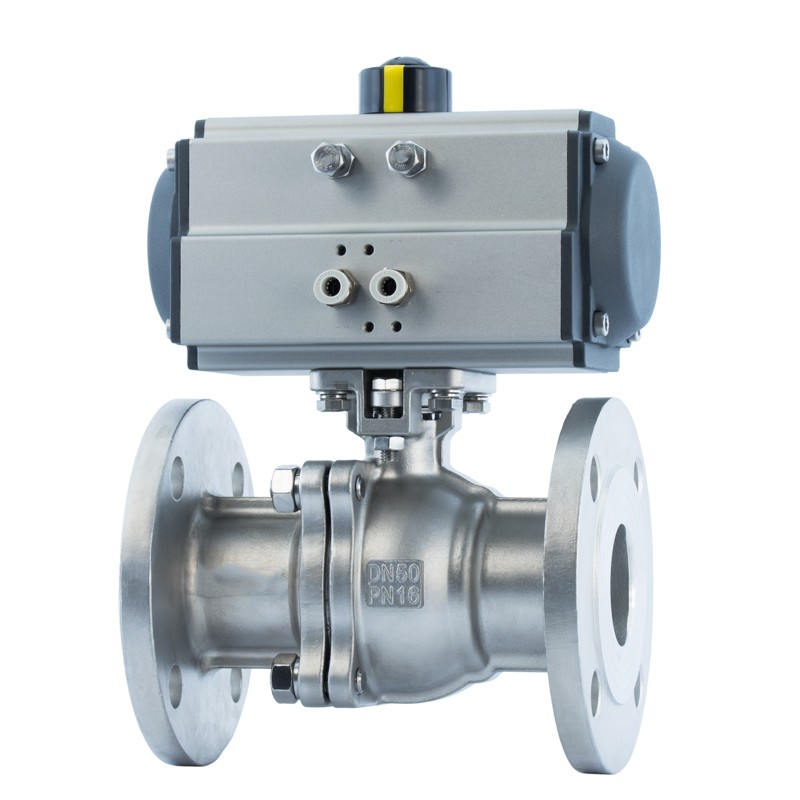
The performance of forged steel globe valves is fundamentally governed by fluid dynamics and stress analysis. Bernoulli’s principle dictates the relationship between fluid velocity, pressure, and flow rate. Engineering considerations focus on minimizing pressure drop while maintaining effective throttling and tight shut-off. Force analysis is critical, particularly regarding the stem thrust required to overcome fluid forces and seal the disc against the seat. Valve designs must account for hydrodynamic forces, thermal expansion, and pressure-induced stresses. Environmental resistance includes the valve’s ability to withstand corrosive fluids, high temperatures, and extreme pressures. Compliance requirements are extensive, encompassing ASME Section VIII Div 1 (pressure vessel code), API 600 (flanged steel gate, globe, and check valves), and various regional regulations (e.g., PED – Pressure Equipment Directive in Europe). Functional implementation requires proper valve sizing, actuator selection (pneumatic, electric, hydraulic), and integration into the overall control system. Sealing performance is typically evaluated using leak rate testing based on ANSI/FCI 70-2 standards, classifying valves into leakage classes (Class VI, V, IV, III, II, I) based on allowable leakage rates.
Technical Specifications
| Parameter | Unit | ASTM A105 Carbon Steel | ASTM A182 F316 Stainless Steel |
|---|---|---|---|
| Maximum Operating Pressure | psi | 900 | 650 |
| Temperature Range | °F | -20 to 450 | -325 to 850 |
| Body Material | - | Forged Carbon Steel | Forged Stainless Steel |
| Seat Material | - | PTFE, Alloy 6 | PTFE, Alloy 6 |
| Connection Type | - | Flanged (RF, FF, RTJ) | Flanged (RF, FF, RTJ) |
| Actuation Type | - | Manual, Gear Operated, Pneumatic, Electric | Manual, Gear Operated, Pneumatic, Electric |
Failure Mode & Maintenance
Common failure modes in forged steel globe valves include: seat erosion/damage (due to abrasive particles or high flow velocities), stem packing leakage (caused by wear or improper adjustment), disc corrosion (particularly in aggressive environments), fatigue cracking (in the body or bonnet due to cyclic loading), and cavitation (leading to erosion and noise). Failure analysis often reveals root causes related to improper material selection, inadequate maintenance, or exceeding design limitations. Regular maintenance is crucial and involves: periodic inspection of stem packing and gland adjustment, lubrication of moving parts, visual inspection for corrosion or erosion, leak testing, and replacement of worn components. Preventative maintenance schedules should be established based on operating conditions and fluid characteristics. Fatigue cracking can be mitigated through proper stress analysis during design and implementation of regular NDT inspections. Cavitation damage can be minimized by ensuring appropriate valve sizing and avoiding excessive pressure drops. Corrosion prevention involves selecting materials compatible with the process fluid and applying appropriate coatings or linings.
Industry FAQ
Q: What are the critical differences between forged and cast steel globe valves in terms of mechanical properties and application suitability?
A: Forged steel globe valves offer significantly superior mechanical properties – higher yield strength, tensile strength, and impact toughness – due to the grain flow refinement achieved through the forging process. This makes them preferred for high-pressure, high-temperature applications and critical services where reliability is paramount. Cast steel valves are generally more cost-effective but possess lower mechanical strength and are more susceptible to defects. Cast valves are suitable for less demanding applications with lower pressure and temperature requirements.
Q: How does the selection of seat material impact valve performance and longevity?
A: Seat material selection is critical. PTFE (Teflon) offers excellent chemical resistance and low friction but has limited temperature capabilities. Alloy 6 (Stellite) provides superior abrasion resistance and can withstand higher temperatures but is more expensive. The choice depends on the fluid media, temperature, pressure, and expected operating life. Incorrect seat material can lead to rapid erosion, leakage, and premature valve failure.
Q: What is the significance of API 600 certification for forged steel globe valves?
A: API 600 certification demonstrates that the valve meets industry-recognized standards for design, manufacturing, and testing. It provides assurance of quality, reliability, and safety. Valves certified to API 600 have undergone rigorous testing and inspection to verify compliance with specified performance criteria. It’s a key requirement for many industrial applications and procurement specifications.
Q: What are the common causes of stem packing leakage and how can it be addressed?
A: Stem packing leakage is often caused by wear of the packing material, improper gland adjustment, or damage to the stem surface. Addressing this requires regular inspection and adjustment of the gland follower to maintain adequate compression on the packing. If the packing is worn, it should be replaced with the appropriate material. In cases of stem damage, the stem may need to be repaired or replaced. Selecting the correct packing material compatible with the process fluid and temperature is also essential.
Q: How do different connection types (RF, FF, RTJ) affect the valve’s sealing performance and application?
A: Raised Face (RF) flanges are the most common and economical option. Flat Face (FF) flanges are used with flat-faced mating flanges, often found in low-pressure applications. Ring Type Joint (RTJ) flanges provide the highest sealing performance and are used in high-pressure, high-temperature applications where leak-tightness is critical. The gasket material and flange surface finish must be compatible with the fluid and operating conditions to ensure a reliable seal.
Conclusion
Forged steel globe valves manufactured in China represent a robust and versatile flow control solution for a wide range of industrial applications. Their inherent strength, tight shut-off capabilities, and precise throttling control make them indispensable in critical processes. However, ensuring quality, material traceability, and adherence to international standards are paramount concerns. Thorough understanding of material science, manufacturing processes, and potential failure modes is essential for selecting, installing, and maintaining these valves effectively.
The continued advancement of forging technologies, coupled with stringent quality control measures, will further enhance the performance and reliability of Chinese-made forged steel globe valves. Future trends will likely focus on developing more corrosion-resistant materials, implementing advanced diagnostic tools for predictive maintenance, and integrating smart valve technologies for remote monitoring and control. Addressing the pain points related to consistent quality and standardized testing procedures will be key to solidifying China's position as a leading global supplier in this critical segment of the industrial valve market.
-
Top Reasons to Choose a Stainless Steel Flange Check Valve for Industrial Applications
-
double flange butterfly valve Performance Analysis
-
Double Flanged Couplings Performance Analysis
-
double flanged butterfly valves Material Science
-
forged flange Performance Analysis
-
forging flange Material Science
-
forging flanges Material Performance
-
Round Flange Performance Analysis
-
Round Flanges Performance Analysis
-
Custom Flange Performance Analysis
-
DN 40 Flange Performance Analysis
-
8 inch flange Performance Analysis
-
angle ring flanges Performance Analysis
-
Flat Flanges Performance Analysis
-
Full Face Flange Performance Analysis
 Afrikaans
 Albanian
 Amharic
 Arabic
 Armenian
 Azerbaijani
 Basque
 Belarusian
 Bengali
 Bosnian
 Bulgarian
 Catalan
 Cebuano
 Corsican
 Croatian
 Czech
Czech
 Danish
 Dutch
Dutch
 Esperanto
 Estonian
 Finnish
 French
 Frisian
 Galician
 Georgian
 German
 Greek
Greek
 Gujarati
 Haitian Creole
 Hausa
Hawaiian
Hausa
Hawaiian
 Hebrew
 Hindi
Hindi
 Miao
Miao
 Hungarian
 Icelandic
 Igbo
Igbo
 Indonesian
 Irish
Irish
 Italian
 Japanese
 Javanese
Kannada
Javanese
Kannada
 Kazakh
 Khmer
Khmer
 Rwandese
 Korean
 Kurdish
 Kyrgyz
 Lao
Lao
 Latin
Latin
 Latvian
 Lithuanian
 Luxembourgish
 Macedonian
 Malgashi
 Malay
Malay
 Malayalam
 Maltese
 Maori
Maori
 Marathi
 Mongolian
 Myanmar
 Nepali
 Norwegian
 Norwegian
 Occitan
 Pashto
 Persian
 Polish
 Portuguese
Punjabi
Portuguese
Punjabi
 Romanian
 Russian
 Samoan
 Scottish Gaelic
 Serbian
 Sesotho
 Shona
Shona
 Sindhi
 Sinhala
 Slovak
 Slovenian
 Somali
 Spanish
 Sundanese
 Swahili
 Swedish
Tagalog
Swedish
Tagalog
 Tajik
Tajik
 Tamil
Tamil
 Tatar
Tatar
 Telugu
 Thai
Thai
 Turkish
 Turkmen
 Ukrainian
 Urdu
Urdu
 Uighur
 Uzbek
Uzbek
 Vietnamese
 Welsh
Welsh
 Bantu
Bantu
 Yiddish
 Yoruba
 Zulu
Zulu
 English