




china high temperature butterfly valve Performance Analysis
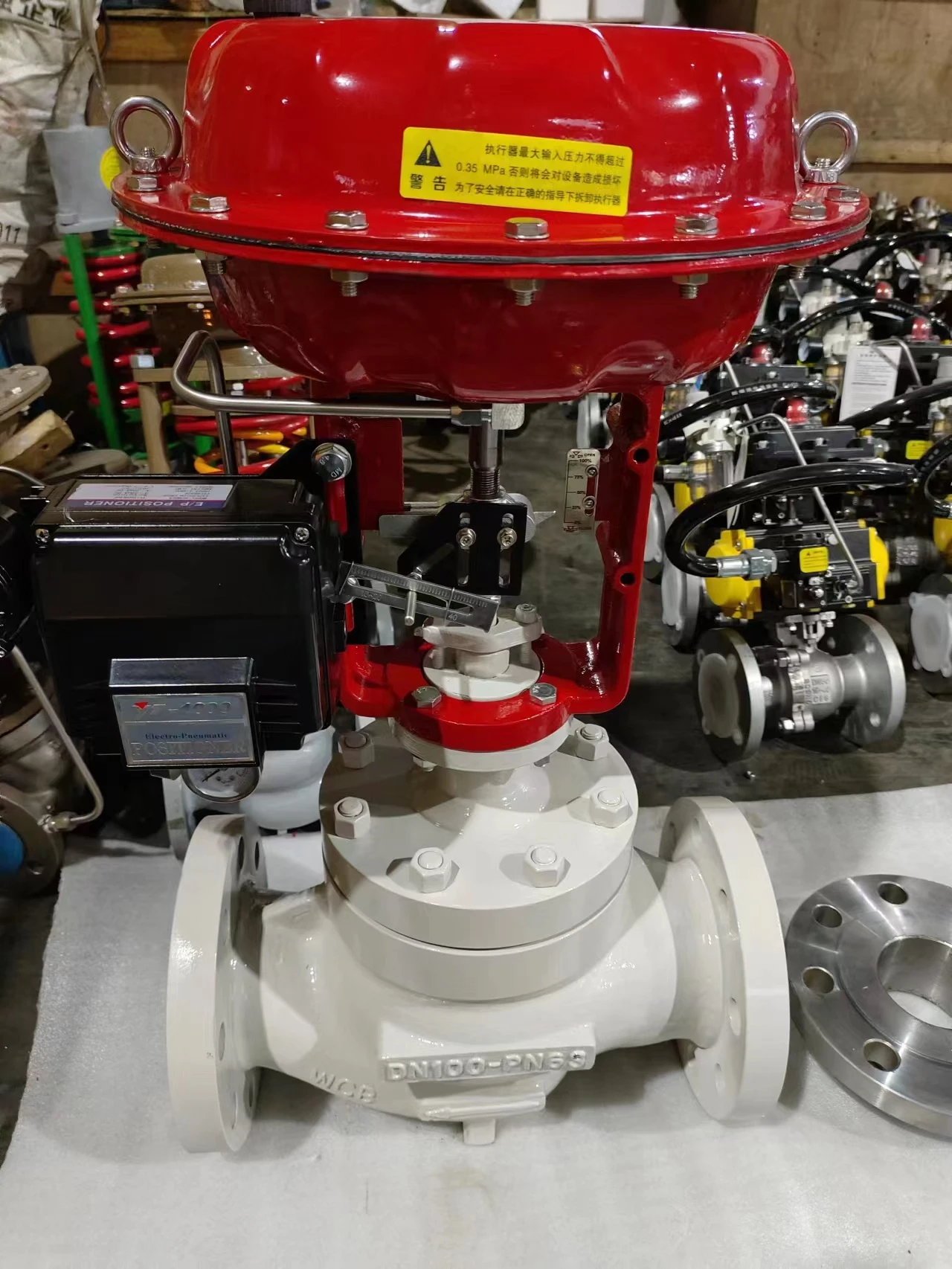
Introduction
China high temperature butterfly valves are critical flow control components utilized in a diverse range of industrial applications, specifically those involving elevated temperatures and pressures. Their position within the industry chain lies between upstream valve manufacturing and downstream process industries such as power generation, chemical processing, district heating, and oil & gas refining. Unlike gate valves or globe valves, butterfly valves offer a lighter weight and more compact design, facilitating easier installation and maintenance. Core performance characteristics include tight shut-off capabilities, low pressure drop, and rapid operational speed. These valves are typically employed for on/off service and throttling applications where stringent temperature resistance is paramount. The increasing demand for energy efficiency and process optimization drives the continual evolution of these valves, focusing on enhanced sealing materials and robust construction to withstand harsh operating conditions. A primary industry pain point is maintaining consistent sealing performance at elevated temperatures while mitigating thermal expansion issues and preventing material degradation.
Material Science & Manufacturing
The primary material for high temperature butterfly valve body construction is typically carbon steel (ASTM A105, A350) for lower temperature applications, transitioning to alloy steels (e.g., 316 stainless steel, chromium-molybdenum steels like A182 F11/F22) for increasing temperature and corrosive environments. The disc material selection is equally critical, often employing the same alloy steel as the body to minimize thermal stress. Sealing materials constitute a significant engineering challenge. Resilient seated butterfly valves utilize elastomers like EPDM, Viton (FKM), or PTFE; however, these materials exhibit limitations at temperatures exceeding 200°C. Metal-to-metal seated valves, employing materials like stainless steel or Inconel, are preferred for temperatures surpassing 300°C, relying on precise machining and spring loading to achieve a leak-tight seal. Manufacturing processes begin with casting or forging of the valve body. The disc is typically machined from bar stock to precise tolerances. Welding procedures (SMAW, GTAW) require stringent quality control to ensure structural integrity and prevent weld defects. Key parameter control focuses on maintaining dimensional accuracy during machining, proper heat treatment to achieve desired material properties, and non-destructive testing (NDT) like radiography and liquid penetrant inspection to verify weld quality. The stem undergoes surface hardening to improve wear resistance. Disc centering and precise alignment are vital to minimize torque requirements and ensure even sealing pressure distribution. Surface finishing is critical to minimize friction and corrosion susceptibility.

Performance & Engineering
The performance of a high temperature butterfly valve is dictated by several engineering factors. Torque requirements are influenced by fluid density, flow velocity, pressure differential, and disc design. Force analysis focuses on the stresses induced by internal pressure, thermal expansion, and mechanical loads. Finite Element Analysis (FEA) is frequently employed to optimize valve geometry and identify potential stress concentration points. Environmental resistance is assessed through exposure testing to simulate operating conditions, evaluating material degradation, corrosion rates, and sealing performance. Compliance requirements are governed by international standards like ANSI/FCI 70-2, API 598 (manufacturing and testing of valves), and ASME Section VIII (pressure vessel code). For steam applications, adherence to ASME Section I is crucial. Functional implementation necessitates careful consideration of actuator selection (pneumatic, electric, hydraulic) and control system integration. Cavitation erosion is a significant concern in high-velocity flow applications, mitigated through optimized disc profiling and material selection. Thermal expansion must be accounted for in the valve design to prevent binding or leakage. Sealing effectiveness is evaluated using leak rate testing, typically expressed in terms of bubbles per minute or parts per million. Valve resilience against water hammer and fluid shock is engineered through appropriate valve sizing and damping mechanisms.
Technical Specifications
| Parameter | Unit | Specification Range | Typical Value |
|---|---|---|---|
| Maximum Operating Temperature | °C | -20 to 600 | 350 |
| Maximum Operating Pressure | MPa | 1.0 to 25 | 16 |
| Valve Size (DN) | mm | 50 to 2000 | 300 |
| Connection Standard | - | ANSI, DIN, JIS, GB | ANSI B16.5 |
| Body Material | - | Carbon Steel, Stainless Steel (304, 316), Alloy Steel | A182 F304 |
| Seat Material | - | EPDM, Viton, PTFE, Metal | Stainless Steel |
Failure Mode & Maintenance
High temperature butterfly valves are susceptible to several failure modes. Fatigue cracking can occur in the valve body or disc due to repeated thermal cycling and mechanical stress. Corrosion, particularly pitting corrosion in chloride-containing environments, can lead to material degradation and leakage. Seal failure is common, arising from thermal degradation of resilient seat materials, erosion from particulate matter, or distortion due to excessive temperatures. Stem leakage can occur due to gland packing wear or stem surface damage. Weld defects, if present, can propagate under stress and cause catastrophic failure. Cavitation erosion can damage the disc and seat in high-velocity flow applications. Maintenance solutions include regular inspection for signs of corrosion, cracks, or leakage. Gland packing should be periodically adjusted or replaced. Seat replacement may be necessary if leakage persists. Non-destructive testing (NDT) can detect hidden defects. Proper lubrication of the stem and bearings is essential. Preventative maintenance schedules should be established based on operating conditions and valve criticality. For metal seated valves, lapping of the sealing surfaces may be required to maintain a leak-tight seal. Thorough cleaning to remove debris and scale buildup is crucial to prevent erosion and maintain smooth operation. Regular torque checks on actuator connections are recommended.
Industry FAQ
Q: What are the key considerations when selecting a high temperature butterfly valve for steam service?
A: For steam service, material compatibility is paramount. Carbon steel is generally unsuitable for high-temperature, high-pressure steam. Alloy steels like A182 F316 or F22 are preferred. Compliance with ASME Section I is essential. The valve must be designed to withstand the thermal shock associated with steam introduction and condensate formation. Metal seated valves are typically recommended for steam to prevent seat degradation. Proper insulation is also crucial to minimize heat loss and protect valve components.
Q: How does thermal expansion affect the performance of a high temperature butterfly valve?
A: Thermal expansion can cause distortion of the valve body and disc, leading to leakage. The valve design must incorporate features to accommodate thermal expansion, such as expansion joints or flexible connections. Proper alignment during installation is critical. The actuator linkage must also be designed to compensate for thermal expansion. Materials with low coefficients of thermal expansion are preferred.
Q: What is the typical lifespan of a resilient seated high temperature butterfly valve?
A: The lifespan of a resilient seated valve is highly dependent on the operating temperature, fluid composition, and frequency of operation. Typically, resilient seated valves have a shorter lifespan at elevated temperatures due to elastomer degradation. Expect a lifespan of 2-5 years in demanding high-temperature applications, whereas metal-seated valves can last significantly longer, often exceeding 20 years with proper maintenance.
Q: What are the advantages of using a metal-seated butterfly valve over a resilient seated valve in high temperature applications?
A: Metal-seated valves offer superior temperature resistance and durability. They are less susceptible to degradation from chemical attack and erosion. They typically provide tighter shut-off performance at high temperatures. However, metal-seated valves generally require higher torque to operate and may be more sensitive to misalignment.
Q: What are the common causes of leakage in high temperature butterfly valves?
A: Common causes of leakage include seat degradation, erosion, corrosion, thermal distortion, and improper installation. Weld defects and stem leakage can also contribute to leakage. Regular inspection and preventative maintenance are crucial to identify and address these issues before they escalate.
Conclusion
China high temperature butterfly valves represent a vital component in numerous industrial processes demanding reliable flow control under extreme thermal conditions. Their selection hinges on a comprehensive understanding of material science, manufacturing techniques, and performance engineering principles. The choice between resilient and metal-seated designs is dictated by specific application requirements, primarily operating temperature and fluid compatibility. Maintaining operational longevity requires proactive maintenance strategies focused on mitigating failure modes such as fatigue cracking, corrosion, and seal degradation.
The continued advancement of these valves will focus on developing novel sealing materials capable of withstanding even higher temperatures and more aggressive chemical environments. Furthermore, integration of smart technologies, such as predictive maintenance algorithms based on sensor data, will enhance valve reliability and optimize process efficiency. Adherence to relevant international standards is crucial to ensure product quality, safety, and regulatory compliance.
-
Top Reasons to Choose a Stainless Steel Flange Check Valve for Industrial Applications
-
double flange butterfly valve Performance Analysis
-
Double Flanged Couplings Performance Analysis
-
double flanged butterfly valves Material Science
-
forged flange Performance Analysis
-
forging flange Material Science
-
forging flanges Material Performance
-
Round Flange Performance Analysis
-
Round Flanges Performance Analysis
-
Custom Flange Performance Analysis
-
DN 40 Flange Performance Analysis
-
8 inch flange Performance Analysis
-
angle ring flanges Performance Analysis
-
Flat Flanges Performance Analysis
-
Full Face Flange Performance Analysis
 Afrikaans
 Albanian
 Amharic
 Arabic
 Armenian
 Azerbaijani
 Basque
 Belarusian
 Bengali
 Bosnian
 Bulgarian
 Catalan
 Cebuano
 Corsican
 Croatian
 Czech
Czech
 Danish
 Dutch
Dutch
 Esperanto
 Estonian
 Finnish
 French
 Frisian
 Galician
 Georgian
 German
 Greek
Greek
 Gujarati
 Haitian Creole
 Hausa
Hawaiian
Hausa
Hawaiian
 Hebrew
 Hindi
Hindi
 Miao
Miao
 Hungarian
 Icelandic
 Igbo
Igbo
 Indonesian
 Irish
Irish
 Italian
 Japanese
 Javanese
Kannada
Javanese
Kannada
 Kazakh
 Khmer
Khmer
 Rwandese
 Korean
 Kurdish
 Kyrgyz
 Lao
Lao
 Latin
Latin
 Latvian
 Lithuanian
 Luxembourgish
 Macedonian
 Malgashi
 Malay
Malay
 Malayalam
 Maltese
 Maori
Maori
 Marathi
 Mongolian
 Myanmar
 Nepali
 Norwegian
 Norwegian
 Occitan
 Pashto
 Persian
 Polish
 Portuguese
Punjabi
Portuguese
Punjabi
 Romanian
 Russian
 Samoan
 Scottish Gaelic
 Serbian
 Sesotho
 Shona
Shona
 Sindhi
 Sinhala
 Slovak
 Slovenian
 Somali
 Spanish
 Sundanese
 Swahili
 Swedish
Tagalog
Swedish
Tagalog
 Tajik
Tajik
 Tamil
Tamil
 Tatar
Tatar
 Telugu
 Thai
Thai
 Turkish
 Turkmen
 Ukrainian
 Urdu
Urdu
 Uighur
 Uzbek
Uzbek
 Vietnamese
 Welsh
Welsh
 Bantu
Bantu
 Yiddish
 Yoruba
 Zulu
Zulu
 English