




china plastic check valve Performance Analysis
Introduction
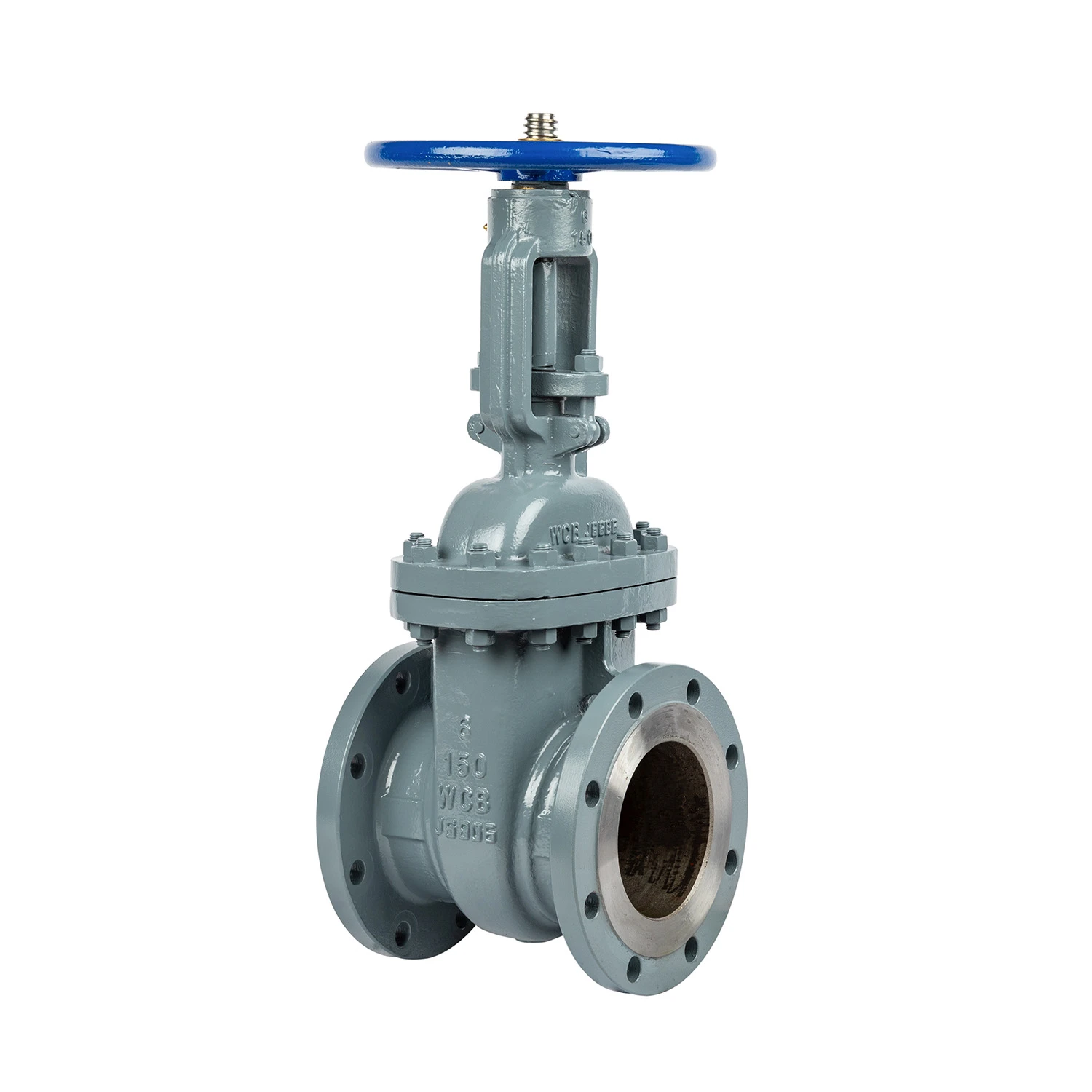
China plastic check valves are unidirectional flow control devices integral to numerous industrial fluid handling systems. Typically fabricated from polymers like Polyvinyl Chloride (PVC), Polypropylene (PP), and Chlorinated Polyvinyl Chloride (CPVC), these valves automatically allow fluid flow in one direction while preventing backflow. Their technical position lies within the broader category of fluid system components, positioned downstream of pumps and other flow-inducing devices. The primary performance characteristics revolve around minimal pressure drop in the open state, complete sealing in the closed state, chemical resistance to the conveyed media, and consistent reliability under specified operating conditions. Addressing the core industry pain point of preventing costly contamination and system failures due to backflow, these valves are crucial in applications spanning irrigation, wastewater treatment, chemical processing, and potable water distribution. The increasing demand for corrosion-resistant, lightweight, and cost-effective alternatives to metallic check valves drives the continued evolution of plastic check valve designs and materials.
Material Science & Manufacturing
The material selection for china plastic check valves is paramount, dictating performance and longevity. PVC offers excellent chemical resistance and cost-effectiveness but is susceptible to temperature-related degradation and embrittlement. PP provides superior temperature resistance compared to PVC and exhibits good fatigue resistance, making it suitable for applications involving cyclical pressure fluctuations. CPVC bridges the gap, offering increased temperature resistance over PVC while maintaining good chemical compatibility. Manufacturing commonly employs injection molding. This process necessitates precise control over melt temperature (typically between 180-230°C, varying with polymer type), mold temperature (30-80°C), injection pressure (50-150 MPa), and cooling rates. Poor control can lead to warping, sink marks, and internal stresses affecting dimensional accuracy and long-term durability. Post-molding operations often include deflashing to remove excess material and, in some cases, annealing to relieve internal stresses. Valve seat materials, frequently utilizing elastomers like EPDM or Viton, require careful bonding to the plastic body. Chemical compatibility between the elastomer and plastic, as well as the conveyed fluid, is critical to prevent swelling, degradation, and subsequent leakage. Welding techniques, specifically solvent welding for PVC and PP, are used for joining valve components; proper surface preparation and solvent application are crucial for creating leak-proof joints.
Performance & Engineering
The performance of a plastic check valve is governed by several key engineering principles. Force analysis focuses on the pressure differential across the valve disc, which dictates the closing force required to prevent backflow. Finite Element Analysis (FEA) is routinely employed to optimize disc geometry and support structures to minimize stress concentrations and prevent fatigue failure. Environmental resistance is a critical concern. UV exposure can cause polymer degradation, leading to embrittlement and cracking. Therefore, UV stabilizers are commonly added to the plastic formulation. Temperature fluctuations induce thermal expansion and contraction, which can impact sealing performance; proper material selection and design considerations must account for these effects. Compliance requirements vary by region and application. For potable water systems, valves must comply with NSF/ANSI 61 standards, ensuring they do not leach harmful contaminants into the water supply. Wastewater applications necessitate adherence to relevant environmental regulations. The functional implementation relies on the disc’s ability to seat effectively against the valve body. Disc designs include swing checks, lift checks, and ball checks, each offering different performance characteristics in terms of pressure drop, flow capacity, and response time. The spring force in spring-loaded check valves must be carefully calibrated to provide responsive closure without impeding flow in the forward direction.
Technical Specifications
| Parameter | PVC | PP | CPVC | Unit |
|---|---|---|---|---|
| Maximum Operating Pressure | 1.0 | 0.8 | 1.2 | MPa |
| Operating Temperature Range | 0-60 | 0-95 | 0-85 | °C |
| Tensile Strength | 55-75 | 25-35 | 60-80 | MPa |
| Elongation at Break | 30-60 | 100-200 | 20-50 | % |
| Chemical Resistance (pH) | 4-10 | 1-13 | 1-12 | - |
| Coefficient of Friction | 0.005 | 0.004 | 0.006 | - |
Failure Mode & Maintenance
Common failure modes in china plastic check valves include fatigue cracking around the disc hinge point, particularly in valves subjected to cyclical pressure. Delamination of the valve seat from the plastic body, often caused by inadequate bonding or incompatible materials, leads to leakage. Chemical degradation, resulting from exposure to aggressive fluids, can cause embrittlement and cracking. UV degradation, as mentioned previously, weakens the plastic structure. Another significant failure mode is creep, the slow deformation of the plastic under sustained load, which can compromise sealing. Oxidation, especially at elevated temperatures, can lead to material breakdown. Maintenance primarily involves periodic inspection for visual defects like cracks, swelling, and discoloration. Regular cleaning to remove debris and buildup is crucial to prevent obstruction of the valve disc. For valves experiencing frequent cycling, lubrication of the hinge point with a compatible lubricant can extend service life. If leakage is detected, the valve seat should be inspected and replaced if necessary. It’s important to note that plastic check valves are generally not repairable; replacement is often the most cost-effective solution when significant damage is present. Proper storage conditions, avoiding direct sunlight and extreme temperatures, are vital to prevent premature degradation.
Industry FAQ
Q: What is the impact of fluid velocity on the lifespan of a plastic check valve?
A: Higher fluid velocities increase the wear and tear on the valve disc and seat, accelerating fatigue and erosion. Cavitation, the formation of vapor bubbles due to rapid pressure changes, can also occur at high velocities, causing pitting and damage to the plastic surfaces. Selecting a valve with a pressure rating appropriate for the expected flow velocity is crucial.
Q: How do different elastomer materials affect the chemical compatibility of the valve?
A: The elastomer used for the valve seat is often the limiting factor in chemical compatibility. EPDM exhibits excellent resistance to many common chemicals, but is not suitable for use with hydrocarbons. Viton offers broader chemical resistance, including compatibility with hydrocarbons, but is more expensive. Careful consideration of the conveyed fluid’s chemical composition is essential when selecting the appropriate elastomer.
Q: What are the advantages of a spring-loaded check valve versus a gravity-operated check valve?
A: Spring-loaded check valves provide faster response times and more positive closure, particularly in low-flow or pulsating flow applications. Gravity-operated valves, relying on the weight of the disc, may exhibit slower response and are more susceptible to backflow in low-flow scenarios. However, spring-loaded valves have a slightly higher pressure drop.
Q: Can plastic check valves be used with abrasive fluids?
A: While possible, it's not ideal. Abrasive fluids will accelerate wear on the valve disc and seat, leading to premature failure. Using valves with hardened plastic formulations or incorporating wear-resistant coatings can mitigate this issue, but regular inspection and replacement are essential. Consider filtration upstream of the valve to minimize abrasive particle concentration.
Q: What standards govern the pressure testing of plastic check valves?
A: Pressure testing is typically conducted according to ISO 10631, which outlines procedures for hydraulic testing of plastic valves. The test involves subjecting the valve to a hydrostatic pressure significantly exceeding its rated operating pressure for a specified duration to verify its integrity and leak tightness. Local regulations may also impose additional testing requirements.
Conclusion
China plastic check valves represent a versatile and cost-effective solution for unidirectional flow control across a diverse range of industrial applications. Their performance is intrinsically linked to material science considerations, precise manufacturing processes, and a thorough understanding of the operating environment. The selection of the appropriate polymer – PVC, PP, or CPVC – is critical, based on chemical compatibility, temperature requirements, and pressure constraints.
Future developments will likely focus on enhancing material properties through advanced polymer blends and nanocomposites, improving valve seat designs to minimize pressure drop and extend service life, and integrating smart sensors for real-time monitoring of valve performance and predictive maintenance. Maintaining awareness of evolving industry standards (ISO, NSF, etc.) and employing robust quality control procedures are essential for ensuring the long-term reliability and integrity of these crucial fluid system components.
-
Top Reasons to Choose a Stainless Steel Flange Check Valve for Industrial Applications
-
double flange butterfly valve Performance Analysis
-
Double Flanged Couplings Performance Analysis
-
double flanged butterfly valves Material Science
-
forged flange Performance Analysis
-
forging flange Material Science
-
forging flanges Material Performance
-
Round Flange Performance Analysis
-
Round Flanges Performance Analysis
-
Custom Flange Performance Analysis
-
DN 40 Flange Performance Analysis
-
8 inch flange Performance Analysis
-
angle ring flanges Performance Analysis
-
Flat Flanges Performance Analysis
-
Full Face Flange Performance Analysis
 Afrikaans
 Albanian
 Amharic
 Arabic
 Armenian
 Azerbaijani
 Basque
 Belarusian
 Bengali
 Bosnian
 Bulgarian
 Catalan
 Cebuano
 Corsican
 Croatian
 Czech
Czech
 Danish
 Dutch
Dutch
 Esperanto
 Estonian
 Finnish
 French
 Frisian
 Galician
 Georgian
 German
 Greek
Greek
 Gujarati
 Haitian Creole
 Hausa
Hawaiian
Hausa
Hawaiian
 Hebrew
 Hindi
Hindi
 Miao
Miao
 Hungarian
 Icelandic
 Igbo
Igbo
 Indonesian
 Irish
Irish
 Italian
 Japanese
 Javanese
Kannada
Javanese
Kannada
 Kazakh
 Khmer
Khmer
 Rwandese
 Korean
 Kurdish
 Kyrgyz
 Lao
Lao
 Latin
Latin
 Latvian
 Lithuanian
 Luxembourgish
 Macedonian
 Malgashi
 Malay
Malay
 Malayalam
 Maltese
 Maori
Maori
 Marathi
 Mongolian
 Myanmar
 Nepali
 Norwegian
 Norwegian
 Occitan
 Pashto
 Persian
 Polish
 Portuguese
Punjabi
Portuguese
Punjabi
 Romanian
 Russian
 Samoan
 Scottish Gaelic
 Serbian
 Sesotho
 Shona
Shona
 Sindhi
 Sinhala
 Slovak
 Slovenian
 Somali
 Spanish
 Sundanese
 Swahili
 Swedish
Tagalog
Swedish
Tagalog
 Tajik
Tajik
 Tamil
Tamil
 Tatar
Tatar
 Telugu
 Thai
Thai
 Turkish
 Turkmen
 Ukrainian
 Urdu
Urdu
 Uighur
 Uzbek
Uzbek
 Vietnamese
 Welsh
Welsh
 Bantu
Bantu
 Yiddish
 Yoruba
 Zulu
Zulu
 English