




china spring check valve Performance Analysis
Introduction
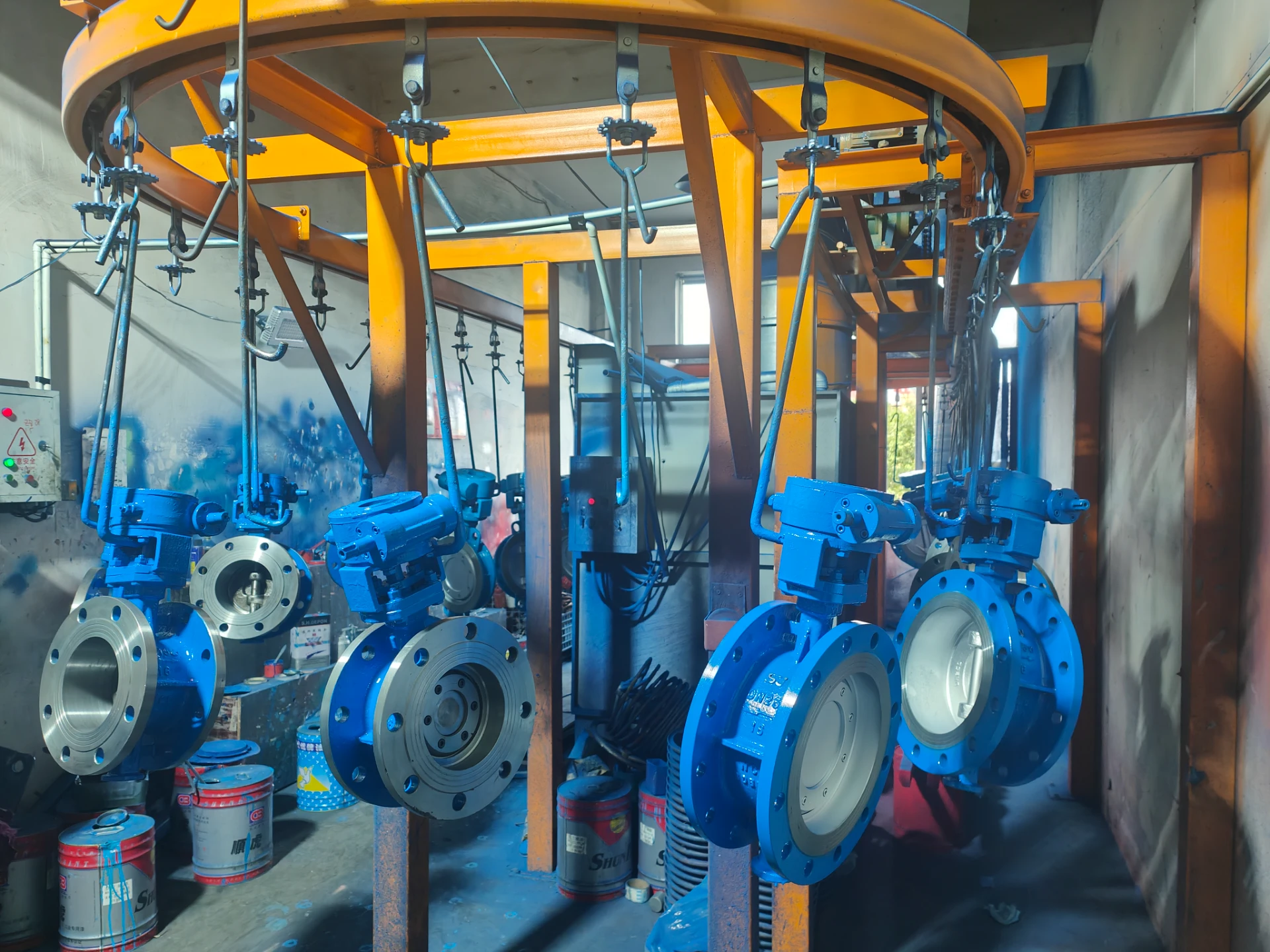
The china spring check valve is a critical component in fluid handling systems, engineered to prevent backflow in pipelines. Positioned within the broader industrial valve landscape – encompassing gate, globe, ball, and butterfly valves – the spring check valve distinguishes itself through its automatic operation, requiring no external power source. Its primary function is to ensure unidirectional flow, safeguarding pumps, compressors, and other downstream equipment from damage caused by reverse fluid surges or contamination. These valves are commonly found in water treatment facilities, petrochemical processing, power generation, and various manufacturing processes. Core performance characteristics revolve around cracking pressure (the minimum differential pressure required to open the valve), flow coefficient (Cv), and sealing efficiency, all of which dictate system reliability and operational efficiency. A key pain point in the industry is the susceptibility of spring materials to corrosion in aggressive chemical environments, leading to premature failure and costly downtime. Furthermore, maintaining consistent cracking pressure across varying fluid viscosities and temperatures remains a significant engineering challenge.
Material Science & Manufacturing
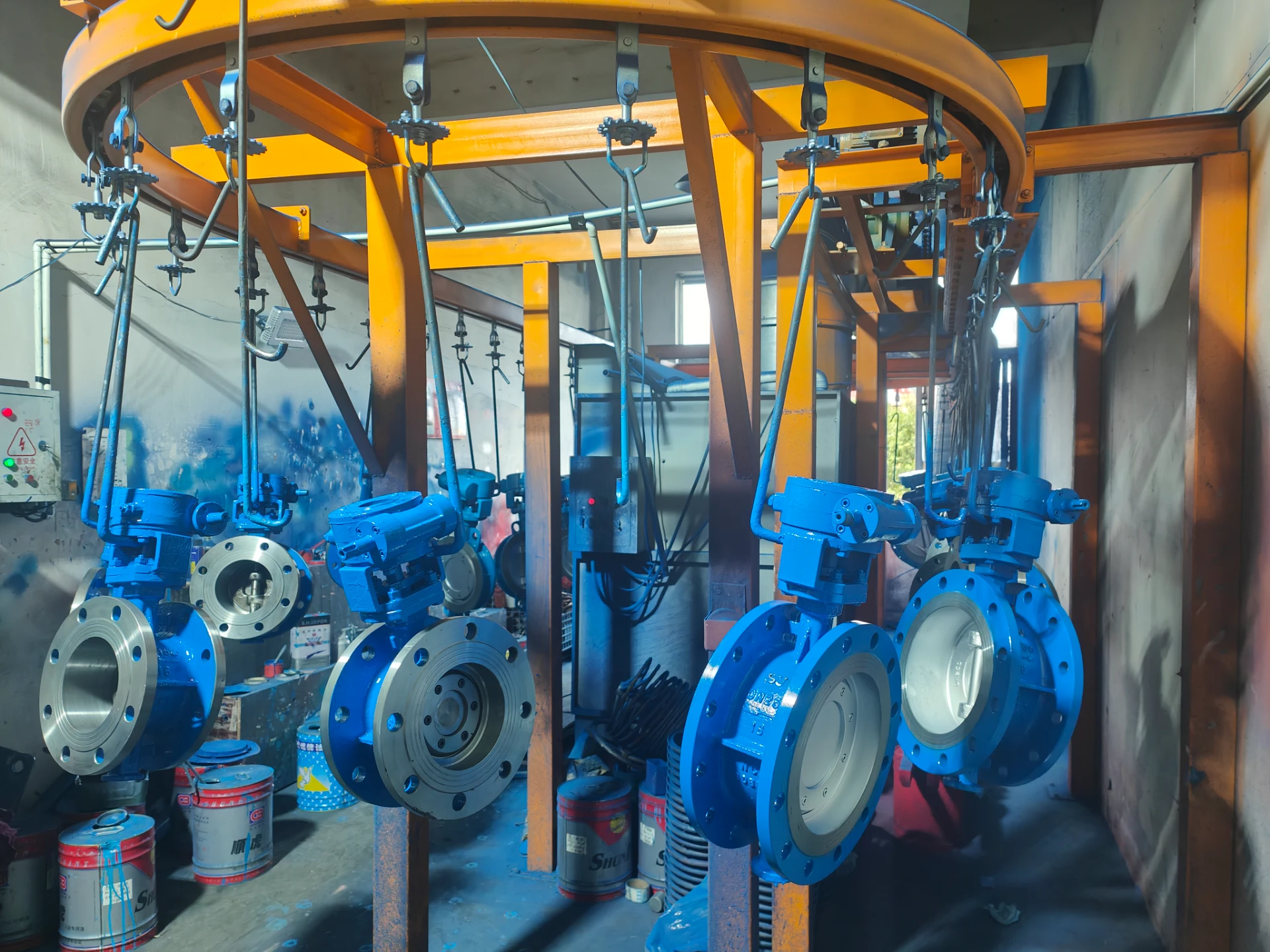
The body of a typical china spring check valve is manufactured from materials selected for their corrosion resistance and mechanical strength. Common materials include brass (specifically HPb59-1, offering good machinability and resistance to dezincification), stainless steel (304/316 grades are prevalent, providing excellent corrosion resistance in a wide range of media), and ductile iron (QT450-10, chosen for its high tensile strength and impact resistance, often with an epoxy coating for enhanced corrosion protection). The spring itself is typically manufactured from spring stainless steel (304 or 316), owing to its superior fatigue life and resistance to corrosion compared to carbon steel. The sealing element is often made from elastomers like EPDM, NBR, or PTFE, chosen based on the chemical compatibility with the conveyed fluid and the operating temperature range. Manufacturing processes vary depending on the body material. Brass and stainless steel bodies are often produced via investment casting or CNC machining, ensuring tight tolerances and smooth surface finishes. Ductile iron bodies are typically manufactured through sand casting. The spring is formed via a cold coiling process, followed by stress relieving and passivation. Critical parameters during manufacturing include maintaining dimensional accuracy of the valve seat to ensure a tight seal, controlling the spring rate to achieve the desired cracking pressure, and applying appropriate surface treatments (e.g., passivation, electropolishing) to enhance corrosion resistance. Welding processes, if utilized (e.g., for attaching flanges), require stringent quality control to prevent porosity and ensure structural integrity. Non-destructive testing methods like radiography and ultrasonic testing are frequently employed.
Performance & Engineering
The performance of a china spring check valve is dictated by several key engineering considerations. Force analysis centers on the spring force required to overcome the fluid pressure and initiate valve opening. The spring rate must be carefully calibrated to achieve the desired cracking pressure, considering the fluid density and specific gravity. Environmental resistance is paramount, particularly in harsh chemical environments. Material selection and coatings are critical to mitigating corrosion, erosion, and cavitation. Compliance requirements vary by region and application. For potable water systems, valves must comply with NSF/ANSI 61 standards, ensuring the materials do not leach harmful contaminants into the water. For applications involving hazardous fluids, compliance with API 598 and PED (Pressure Equipment Directive) may be necessary. Functional implementation involves understanding the flow dynamics within the valve body. The valve disc design and seat geometry influence the flow coefficient (Cv) and pressure drop. Finite element analysis (FEA) is often used to optimize the valve body design, minimizing stress concentrations and ensuring structural integrity under high pressure. The valve’s response time (the time it takes to open and close) is also a critical performance parameter, particularly in systems with rapid flow fluctuations. The impact of fluid viscosity and temperature on cracking pressure must be accounted for in the design process. Proper sizing of the valve to the pipeline diameter is crucial to avoid excessive pressure drop and ensure efficient operation.
Technical Specifications
| Parameter | Brass (HPb59-1) | Stainless Steel (316) | Ductile Iron (QT450-10) w/ Epoxy Coating | Unit |
|---|---|---|---|---|
| Maximum Operating Pressure | 1.6 | 2.5 | 1.0 | MPa |
| Operating Temperature Range | -20 to 90 | -20 to 180 | -10 to 80 | °C |
| Cracking Pressure (Typical) | 0.05 – 0.15 | 0.05 – 0.20 | 0.03 – 0.10 | bar |
| Flow Coefficient (Cv) - 1" Valve | 4.5 | 5.2 | 3.8 | m³/h @ 1 bar pressure drop |
| Connection Type | Threaded, Flanged | Threaded, Flanged, Welded | Flanged | - |
| Seal Material Options | EPDM, NBR | EPDM, NBR, PTFE | EPDM, NBR | - |
Failure Mode & Maintenance
China spring check valves are susceptible to several failure modes. Fatigue cracking of the spring is a common issue, particularly in applications with frequent cycling or high flow rates. This is exacerbated by corrosive environments that weaken the spring material. Corrosion of the valve body, particularly in brass or ductile iron valves exposed to aggressive chemicals, can lead to leaks and eventual failure. Erosion of the valve seat due to abrasive particles in the fluid stream can compromise the sealing efficiency. Delamination of the epoxy coating on ductile iron valves can expose the underlying iron to corrosion. Oxidation of stainless steel components, while generally resistant, can occur at high temperatures or in the presence of chlorides. Proper maintenance is crucial to extend the valve's lifespan. Regular inspection for signs of corrosion, erosion, and spring fatigue is recommended. Periodic cleaning to remove accumulated debris can prevent seat damage. Lubrication of the valve disc and spring (using a compatible lubricant) can reduce friction and improve responsiveness. In cases of severe corrosion or erosion, component replacement is necessary. Preventative maintenance schedules should be established based on the application and operating conditions. When replacing parts, ensure compatibility with the fluid being conveyed and adhere to manufacturer’s specifications. For spring failures, consider upgrading to a higher-grade spring material with improved fatigue resistance. Regular testing of the valve’s cracking pressure and sealing efficiency can identify potential issues before they lead to catastrophic failure.
Industry FAQ
Q: What are the primary factors influencing the cracking pressure of a spring check valve?
A: The cracking pressure is primarily determined by the spring rate, the area of the valve disc, and the differential pressure exerted by the fluid. Higher spring rates and larger disc areas result in higher cracking pressures. Fluid density and viscosity also play a role; denser and more viscous fluids require a higher pressure differential to initiate valve opening.
Q: How does material selection impact the longevity of a spring check valve in a corrosive environment?
A: Material selection is critical. Stainless steel (316) offers superior corrosion resistance compared to brass or ductile iron, particularly in environments containing chlorides or strong acids. Epoxy coatings can provide an additional layer of protection for ductile iron valves, but their effectiveness depends on the coating’s integrity. Careful consideration of the fluid chemistry is essential when choosing valve materials.
Q: What is the impact of improper valve sizing on system performance?
A: Improper valve sizing can lead to several issues. An undersized valve will create excessive pressure drop, reducing flow rate and increasing energy consumption. An oversized valve may not close properly, allowing backflow and potentially damaging downstream equipment.
Q: What are the key considerations when selecting a seal material for a specific application?
A: Chemical compatibility is the most important consideration. The seal material must be resistant to degradation by the conveyed fluid. Operating temperature and pressure also influence seal selection. EPDM is commonly used for water and general-purpose applications, while NBR is suitable for oils and fuels. PTFE offers excellent chemical resistance but is more expensive.
Q: What are the advantages of using a stainless steel spring over a carbon steel spring in a check valve?
A: Stainless steel springs offer significantly better corrosion resistance and fatigue life compared to carbon steel springs. This is crucial in applications where the valve is exposed to corrosive fluids or experiences frequent cycling. While stainless steel is more expensive, the increased reliability and extended lifespan often justify the higher initial cost.
Conclusion
The china spring check valve remains an indispensable component in countless industrial fluid handling systems due to its simplicity, reliability, and automatic operation. Understanding the interplay between material science, manufacturing processes, and engineering principles is crucial for selecting the appropriate valve for a specific application and ensuring long-term performance. Addressing the inherent vulnerabilities to corrosion and fatigue through careful material selection, robust manufacturing quality control, and proactive maintenance strategies is paramount.
Looking forward, advancements in materials science – such as the development of new corrosion-resistant alloys and elastomeric materials – will further enhance the durability and efficiency of these valves. Continued optimization of valve body designs through computational fluid dynamics (CFD) and FEA will minimize pressure drop and improve flow characteristics. The integration of smart valve technologies, including remote monitoring and predictive maintenance capabilities, will also play an increasingly important role in maximizing uptime and reducing operational costs.
-
motorized ball valve Performance Analysis
-
floating ball valve Performance Analysis
-
ball valve stainless steel Performance Analysis
-
gate valve stainless steel Performance Analysis
-
dn200 gate valve Performance Analysis
-
gate valve pn40 Material Science
-
dn100 gate valve Performance Analysis
-
gate valve pneumatic Performance Analysis
-
gate valve wheel handle Performance Analysis
-
gate valve high pressure Performance Analysis
-
gate valve dn80 Material Science Manufacturing
-
gas gate valve Performance Analysis
-
forged steel gate valve Performance Analysis
-
flat gate valve Performance Analysis
-
gate valve 1/2 inch Performance Analysis
 Afrikaans
 Albanian
 Amharic
 Arabic
 Armenian
 Azerbaijani
 Basque
 Belarusian
 Bengali
 Bosnian
 Bulgarian
 Catalan
 Cebuano
 Corsican
 Croatian
 Czech
Czech
 Danish
 Dutch
Dutch
 Esperanto
 Estonian
 Finnish
 French
 Frisian
 Galician
 Georgian
 German
 Greek
Greek
 Gujarati
 Haitian Creole
 Hausa
Hawaiian
Hausa
Hawaiian
 Hebrew
 Hindi
Hindi
 Miao
Miao
 Hungarian
 Icelandic
 Igbo
Igbo
 Indonesian
 Irish
Irish
 Italian
 Japanese
 Javanese
Kannada
Javanese
Kannada
 Kazakh
 Khmer
Khmer
 Rwandese
 Korean
 Kurdish
 Kyrgyz
 Lao
Lao
 Latin
Latin
 Latvian
 Lithuanian
 Luxembourgish
 Macedonian
 Malgashi
 Malay
Malay
 Malayalam
 Maltese
 Maori
Maori
 Marathi
 Mongolian
 Myanmar
 Nepali
 Norwegian
 Norwegian
 Occitan
 Pashto
 Persian
 Polish
 Portuguese
Punjabi
Portuguese
Punjabi
 Romanian
 Russian
 Samoan
 Scottish Gaelic
 Serbian
 Sesotho
 Shona
Shona
 Sindhi
 Sinhala
 Slovak
 Slovenian
 Somali
 Spanish
 Sundanese
 Swahili
 Swedish
Tagalog
Swedish
Tagalog
 Tajik
Tajik
 Tamil
Tamil
 Tatar
Tatar
 Telugu
 Thai
Thai
 Turkish
 Turkmen
 Ukrainian
 Urdu
Urdu
 Uighur
 Uzbek
Uzbek
 Vietnamese
 Welsh
Welsh
 Bantu
Bantu
 Yiddish
 Yoruba
 Zulu
Zulu
 English