




electric needle valve Performance Analysis
Introduction
Electric needle valves are precision flow control devices utilized extensively in process industries for regulating the flow of liquids and gases. Positioned within the broader valve technology landscape – encompassing gate, globe, ball, and butterfly valves – needle valves distinguish themselves through their capacity for fine adjustments and tight shut-off capabilities. Their functionality relies on a streamlined, tapered needle moving within a corresponding seat, providing proportional control over fluid passage. The core performance characteristics include precise flow regulation, leak-tight sealing, and responsiveness to electrical control signals, making them critical components in applications demanding accurate metering, shut-off, and remote operation. A significant pain point for end-users is ensuring the valve's materials are compatible with the process fluid to avoid corrosion and contamination, alongside achieving consistent, repeatable flow control even under varying pressure and temperature conditions. The increasing demand for automated process control and Industry 4.0 integration drives the evolution of these valves, integrating advanced actuators and communication protocols.
Material Science & Manufacturing
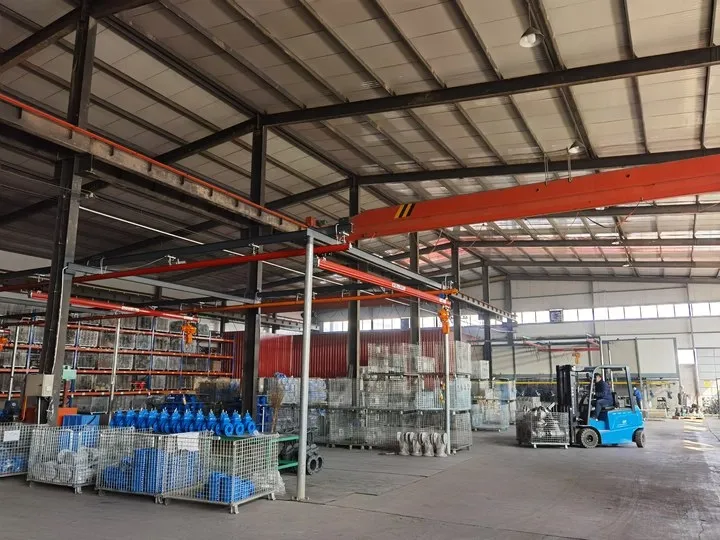
Electric needle valves are commonly manufactured using materials selected for their mechanical strength, corrosion resistance, and compatibility with the intended fluid media. Valve bodies are frequently constructed from 316/304 stainless steel, offering excellent resistance to a wide range of corrosive environments. For highly corrosive applications, alternative materials such as Hastelloy, Monel, or PEEK (Polyether ether ketone) may be employed. The needle and seat, critical components determining flow characteristics and sealing performance, are often manufactured from hardened stainless steel, PTFE (Polytetrafluoroethylene), or PEEK. The actuator housing is typically aluminum or stainless steel. Manufacturing processes involve precision machining of the valve body and trim components. The needle is typically ground and lapped to achieve a smooth, precise taper. The seat is also precision machined and may be further treated to enhance sealing. Assembly requires careful alignment and torque control to prevent binding and ensure leak-tight closure. Actuator integration typically involves mechanical coupling and electrical wiring. Critical parameters include surface finish of the needle and seat (Ra < 0.8 µm for optimal sealing), dimensional tolerances (±0.025 mm for critical flow areas), and heat treatment procedures for hardening stainless steel components. Material certifications and traceability are essential for applications requiring compliance with industry standards. The process of welding, when used, must be performed under strict controls to avoid heat affected zones and maintain material integrity.
Performance & Engineering
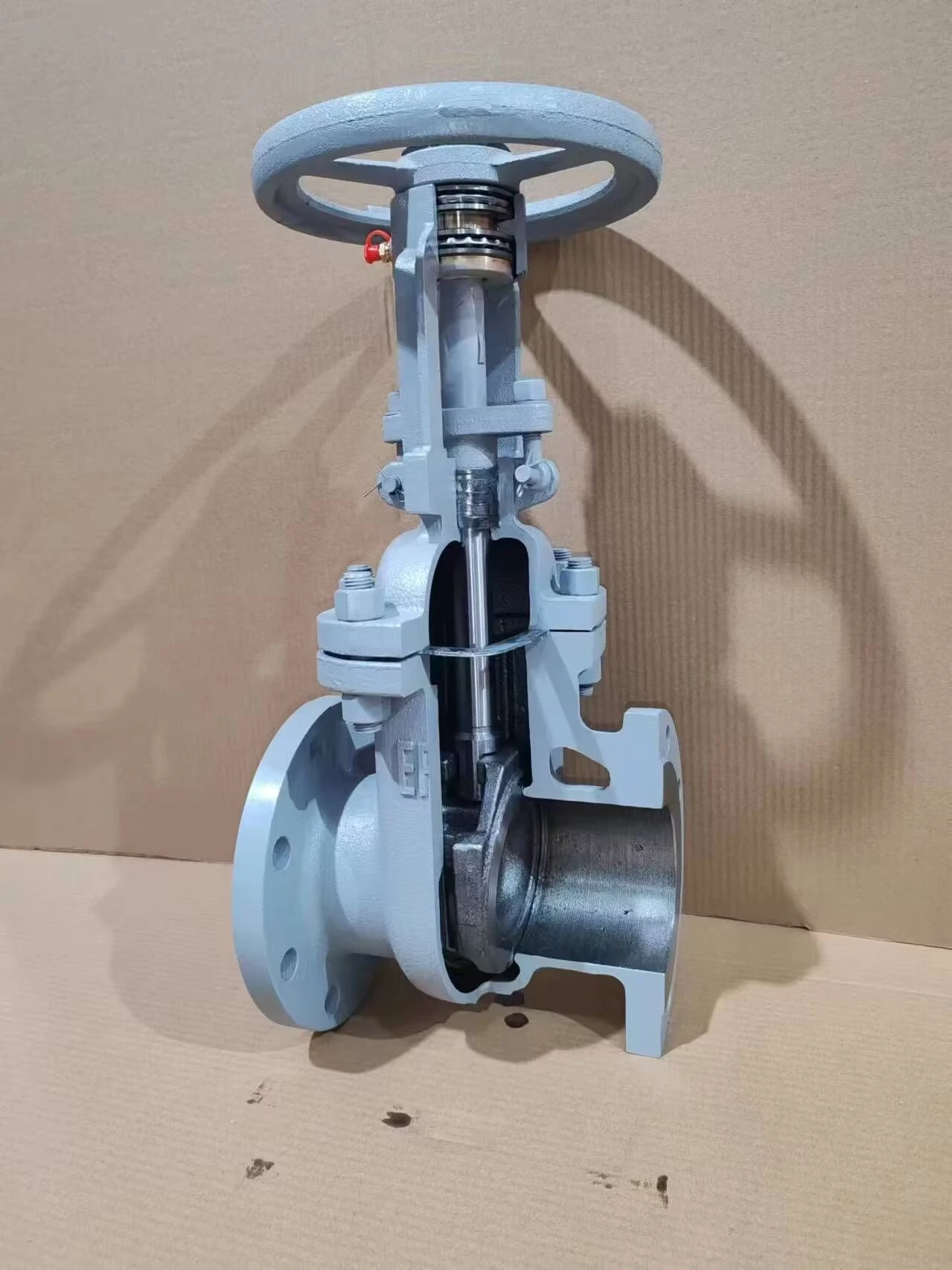
The performance of electric needle valves is governed by several key engineering principles. Flow rate is directly proportional to the square of the valve opening, necessitating precise control of the needle's position. The actuator's response time and accuracy are crucial for dynamic applications requiring rapid flow adjustments. Force analysis focuses on balancing the fluid force acting on the needle with the actuator's output force. Environmental resistance is paramount, considering factors like temperature fluctuations, pressure variations, and exposure to corrosive substances. Compliance requirements dictate adherence to industry standards such as ANSI/FCI 70-2 for valve sizing and IEC 61508 for functional safety. Functional implementation involves integration with process control systems (PCS) via standardized communication protocols (e.g., 4-20mA, HART, Profibus). Leakage rates are a critical performance parameter, often specified in terms of ANSI/FCI 70-2 Class VI or equivalent. The valve's Cv (flow coefficient) is a key specification defining its flow capacity. Furthermore, the selection of appropriate seals and packing materials is vital for maintaining leak-tight operation under varying pressure and temperature conditions. Proper grounding is essential for preventing electrical interference and ensuring safe operation of the actuator.
Technical Specifications
| Parameter | Unit | Typical Value (Stainless Steel 316) | Range/Options |
|---|---|---|---|
| Maximum Pressure | psi | 1000 | Up to 5000 psi available |
| Temperature Range | °F | -60 to 450 | Extended range options available with specific materials |
| Cv (Flow Coefficient) | gal/min/psi | 0.1 - 1.0 | Varies based on valve size and needle profile |
| Actuator Voltage | VDC | 24 | 12, 24, 120, 240 VDC options |
| Actuator Response Time | seconds | < 2 | Dependent on actuator type and control signal |
| Leakage Rate | sccm | < 0.1 | Bubble-tight shut-off options available |
Failure Mode & Maintenance
Common failure modes in electric needle valves include seat erosion due to particulate matter in the fluid stream, needle galling caused by improper lubrication or material incompatibility, actuator failure due to overheating or electrical issues, and stem packing leakage. Fatigue cracking can occur in the valve body under cyclic pressure loading. Delamination of PTFE seats can result in leakage. Oxidation of stainless steel components can lead to corrosion. Failure analysis should involve visual inspection for wear and damage, leak testing to identify sealing failures, and dimensional checks to verify component tolerances. Maintenance procedures include periodic lubrication of the needle and seat, inspection and replacement of packing materials, actuator testing and calibration, and cleaning of valve internals to remove debris. Preventive maintenance schedules should be established based on operating conditions and fluid characteristics. In cases of severe corrosion, complete valve replacement may be necessary. Regular monitoring of actuator current draw can indicate potential motor issues. Use of appropriate filters upstream of the valve is crucial to minimize particulate erosion. Thorough flushing before initial operation and after maintenance is recommended.
Industry FAQ
Q: What material is best suited for a needle valve handling highly corrosive sulfuric acid?
A: For sulfuric acid applications, materials like PTFE lined valves or those constructed entirely of highly alloyed materials such as Hastelloy C-276 are recommended. Standard stainless steel will quickly corrode. The selection must also consider the acid concentration and temperature.
Q: How does the actuator type (on/off vs. modulating) impact the application of a needle valve?
A: On/off actuators are suitable for simple shut-off applications, while modulating actuators provide proportional control for precise flow regulation. Needle valves inherently lend themselves to modulating control due to their fine adjustment capabilities, making modulating actuators the preferred choice for metering applications.
Q: What are the key considerations for sizing a needle valve in a gas flow application?
A: Sizing needle valves for gas flow requires accounting for gas compressibility and flow velocity. Using ANSI/FCI 70-2 guidelines and considering the gas's specific gravity and temperature is crucial. Proper sizing prevents excessive pressure drop and ensures accurate flow control.
Q: What is the expected lifespan of a typical PTFE seat in a clean water application?
A: In clean water applications, a PTFE seat can typically last 5-10 years, depending on the operating pressure and temperature. However, abrasive particles or extreme temperatures can significantly reduce its lifespan. Regular inspection is essential.
Q: How do I troubleshoot an electric needle valve that isn’t responding to the control signal?
A: First, verify the power supply to the actuator. Check the wiring connections and control signal integrity. If the actuator receives power but doesn't move, the actuator itself may be faulty. Also, ensure the process fluid isn’t binding the valve mechanism. A multimeter can be used to test the solenoid coils.
Conclusion
Electric needle valves represent a sophisticated solution for precise fluid flow control across diverse industrial applications. Their effectiveness hinges on a combination of meticulous material selection, precise manufacturing techniques, and careful engineering considerations, particularly regarding actuator integration and sealing mechanisms. Proper specification and maintenance are critical to preventing common failure modes such as seat erosion, leakage, and actuator malfunction, ensuring long-term reliability and optimal performance.
Looking ahead, advancements in materials science will likely lead to more durable and chemically resistant valve components. The integration of smart sensors and predictive maintenance algorithms will further enhance reliability and reduce downtime. Furthermore, the adoption of standardized communication protocols and open architecture designs will facilitate seamless integration with Industry 4.0 systems, unlocking new levels of process optimization and automation.
-
Top Reasons to Choose a Stainless Steel Flange Check Valve for Industrial Applications
-
double flange butterfly valve Performance Analysis
-
Double Flanged Couplings Performance Analysis
-
double flanged butterfly valves Material Science
-
forged flange Performance Analysis
-
forging flange Material Science
-
forging flanges Material Performance
-
Round Flange Performance Analysis
-
Round Flanges Performance Analysis
-
Custom Flange Performance Analysis
-
DN 40 Flange Performance Analysis
-
8 inch flange Performance Analysis
-
angle ring flanges Performance Analysis
-
Flat Flanges Performance Analysis
-
Full Face Flange Performance Analysis
 Afrikaans
 Albanian
 Amharic
 Arabic
 Armenian
 Azerbaijani
 Basque
 Belarusian
 Bengali
 Bosnian
 Bulgarian
 Catalan
 Cebuano
 Corsican
 Croatian
 Czech
Czech
 Danish
 Dutch
Dutch
 Esperanto
 Estonian
 Finnish
 French
 Frisian
 Galician
 Georgian
 German
 Greek
Greek
 Gujarati
 Haitian Creole
 Hausa
Hawaiian
Hausa
Hawaiian
 Hebrew
 Hindi
Hindi
 Miao
Miao
 Hungarian
 Icelandic
 Igbo
Igbo
 Indonesian
 Irish
Irish
 Italian
 Japanese
 Javanese
Kannada
Javanese
Kannada
 Kazakh
 Khmer
Khmer
 Rwandese
 Korean
 Kurdish
 Kyrgyz
 Lao
Lao
 Latin
Latin
 Latvian
 Lithuanian
 Luxembourgish
 Macedonian
 Malgashi
 Malay
Malay
 Malayalam
 Maltese
 Maori
Maori
 Marathi
 Mongolian
 Myanmar
 Nepali
 Norwegian
 Norwegian
 Occitan
 Pashto
 Persian
 Polish
 Portuguese
Punjabi
Portuguese
Punjabi
 Romanian
 Russian
 Samoan
 Scottish Gaelic
 Serbian
 Sesotho
 Shona
Shona
 Sindhi
 Sinhala
 Slovak
 Slovenian
 Somali
 Spanish
 Sundanese
 Swahili
 Swedish
Tagalog
Swedish
Tagalog
 Tajik
Tajik
 Tamil
Tamil
 Tatar
Tatar
 Telugu
 Thai
Thai
 Turkish
 Turkmen
 Ukrainian
 Urdu
Urdu
 Uighur
 Uzbek
Uzbek
 Vietnamese
 Welsh
Welsh
 Bantu
Bantu
 Yiddish
 Yoruba
 Zulu
Zulu
 English