




motorized needle valve Performance Engineering
Introduction
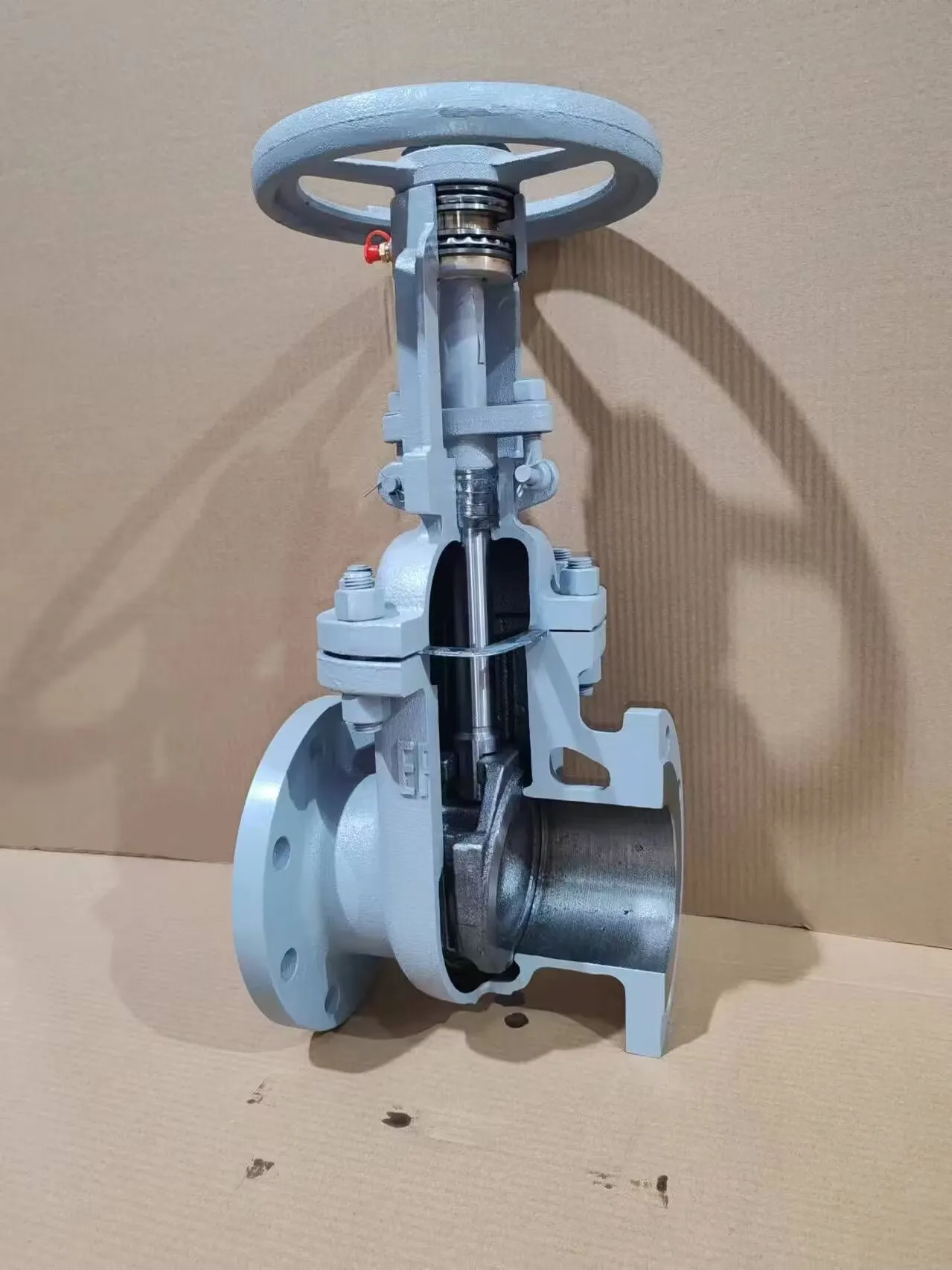
Motorized needle valves are precision flow control devices used extensively across numerous industrial sectors, including chemical processing, oil and gas, pharmaceutical manufacturing, and analytical instrumentation. Positioned within the broader valve family, they distinguish themselves through their ability to provide highly accurate and repeatable throttling of fluids and gases. Unlike gate or ball valves intended for on/off service, needle valves facilitate finely tuned adjustments, making them essential in applications requiring precise flow regulation. The integration of a motorized actuator allows for remote control, automation, and precise positioning of the valve, enhancing operational efficiency and safety. Their core performance characteristics center around flow coefficient (Cv), shut-off class, pressure drop, and the actuator’s torque and resolution. A critical pain point for users often lies in selecting materials compatible with aggressive media, ensuring minimal leakage, and maintaining long-term reliability in harsh operating environments.
Material Science & Manufacturing
The body construction of motorized needle valves commonly utilizes stainless steel (304, 316, 316L) due to its corrosion resistance and mechanical strength. Alternative materials include carbon steel (for non-corrosive applications), brass, and specialized alloys like Hastelloy or Monel for highly corrosive environments. The stem and needle are typically manufactured from hardened stainless steel, often employing techniques like cold drawing and precision machining to achieve smooth surfaces and tight tolerances. The seat material is crucial for shut-off performance and is often made of PTFE (Teflon), PEEK, or reinforced PTFE compounds, selected for their chemical inertness and low friction. The actuator housing is typically aluminum alloy die-cast or fabricated from steel. Manufacturing processes involve precision casting or forging for the valve body, followed by CNC machining of internal components. The needle and seat undergo lapping processes to ensure a leak-tight seal. Motorized actuators are assembled using precision gears and motors, requiring stringent quality control of torque output and positioning accuracy. Key parameter control during manufacturing focuses on dimensional accuracy (critical for Cv), surface finish (impacts flow and leakage), and material hardness (influences wear resistance). Heat treatment processes are crucial for achieving the desired mechanical properties of steel components. Welding, if employed, necessitates qualified welders and non-destructive testing (NDT) to ensure structural integrity.
Performance & Engineering
Performance of a motorized needle valve is fundamentally governed by flow dynamics and actuator control. The flow coefficient (Cv) dictates the volumetric flow rate for a given pressure drop, and is heavily influenced by the needle’s profile and port geometry. Force analysis involves evaluating the forces exerted on the needle by the flowing fluid, particularly at high velocities, to prevent erosion or damage. Environmental resistance is critical; seals must withstand temperature fluctuations, chemical exposure, and pressure cycles. The actuator’s torque capacity must exceed the maximum fluid force on the needle to ensure reliable operation. Compliance requirements vary by industry; for example, pharmaceutical applications demand sanitary construction (ASME BPE), while oil and gas installations necessitate certifications like ATEX or IECEx for hazardous area operation. Functional implementation relies on precise control algorithms within the actuator, often incorporating PID (Proportional-Integral-Derivative) control loops for accurate positioning and flow regulation. The actuator’s response time (time to reach a setpoint) is a crucial performance parameter. Fail-safe mechanisms, such as spring-return actuators, are often employed to ensure the valve closes in the event of power failure. The selection of the actuator’s gear ratio directly impacts the resolution and torque output.
Technical Specifications
| Parameter | Unit | Typical Value (Stainless Steel, PTFE Seat) | Tolerance |
|---|---|---|---|
| Maximum Pressure | PSI | 1000 | ±10% |
| Temperature Range | °F | -60 to 450 | ±5°F |
| Cv Value (Typical) | - | 0.1 - 1.0 | ±10% |
| Shut-off Class | - | Class VI (Bubble Tight) | N/A |
| Actuator Voltage | V | 120/240 AC, 24V DC | ±10% |
| Actuator Torque | in-lbs | 200-500 | ±10% |
Failure Mode & Maintenance
Common failure modes in motorized needle valves include seat erosion or damage (leading to leakage), stem packing failure (resulting in external leakage), actuator motor burnout (due to overload or improper wiring), and corrosion of internal components. Fatigue cracking can occur in the stem, particularly under cyclic loading. Delamination of the seat material (PTFE) can also lead to leakage. Oxidation of stainless steel components may occur at high temperatures or in corrosive environments. Failure analysis often reveals root causes related to improper material selection, excessive pressure drop, contamination of the fluid, or insufficient lubrication. Maintenance procedures include regular inspection of the seat and stem for wear, replacement of packing material, lubrication of the actuator gears, and periodic calibration of the actuator’s position sensor. Preventative maintenance schedules should be established based on operating conditions and fluid characteristics. For severe leakage, complete valve disassembly and component replacement may be necessary. When troubleshooting actuator issues, it's crucial to verify proper voltage supply, wiring connections, and motor functionality. Non-destructive testing (NDT), such as liquid penetrant inspection, can be used to detect cracks in critical components.
Industry FAQ
Q: What is the impact of fluid viscosity on the Cv value of a motorized needle valve?
A: Fluid viscosity significantly affects the Cv value. Higher viscosity fluids exhibit increased frictional resistance, resulting in a lower Cv value for a given pressure drop. The relationship is not linear; the reduction in Cv becomes more pronounced with increasing viscosity. Valve selection requires careful consideration of the fluid's viscosity at the operating temperature to ensure accurate flow control.
Q: How do I select the appropriate actuator torque for a specific application?
A: Actuator torque must exceed the maximum fluid force acting on the needle, plus any frictional forces within the valve. Calculations require knowing the fluid pressure, valve size, and needle geometry. A safety factor of 1.5 to 2.0 is recommended to account for variations in fluid properties and operating conditions. Incorrect torque selection can lead to actuator failure or inaccurate flow control.
Q: What are the key considerations for material selection when handling corrosive fluids?
A: Material compatibility is paramount. Stainless steel alloys (316, 316L) offer good resistance to many corrosive fluids, but specific alloys like Hastelloy or Monel may be required for highly aggressive chemicals. The seat material (PTFE, PEEK) must also be chemically resistant to the fluid. Consulting a corrosion resistance chart is essential to ensure long-term valve integrity.
Q: What are the advantages of using a motorized needle valve over a manual needle valve?
A: Motorized needle valves offer remote control, automation, and precise positioning, which are impossible with manual valves. This enhances operational efficiency, improves process control, and allows for integration into automated systems. They eliminate the need for manual intervention, reducing the risk of human error and improving safety.
Q: How can I minimize the risk of actuator failure?
A: Proper installation, adequate wiring, and regular maintenance are crucial. Ensure the actuator is protected from excessive moisture, dust, and vibration. Avoid overloading the actuator and adhere to the manufacturer's recommended operating limits. Implement a preventative maintenance schedule that includes lubrication and inspection of electrical connections.
Conclusion
Motorized needle valves represent a sophisticated solution for precise fluid and gas flow control across a broad spectrum of industrial applications. Their performance hinges on careful material selection, meticulous manufacturing processes, and appropriate actuator sizing. Understanding the potential failure modes and implementing a robust maintenance program are essential for ensuring long-term reliability and minimizing downtime.
The ongoing trend towards process automation and Industry 4.0 will continue to drive demand for motorized needle valves with advanced control capabilities and integrated diagnostics. Future developments may focus on smart valves with predictive maintenance features, enhanced communication protocols, and improved energy efficiency. A thorough understanding of the technical parameters outlined in this guide is crucial for engineers and procurement professionals involved in specifying and maintaining these critical components.
-
Top Reasons to Choose a Stainless Steel Flange Check Valve for Industrial Applications
-
double flange butterfly valve Performance Analysis
-
Double Flanged Couplings Performance Analysis
-
double flanged butterfly valves Material Science
-
forged flange Performance Analysis
-
forging flange Material Science
-
forging flanges Material Performance
-
Round Flange Performance Analysis
-
Round Flanges Performance Analysis
-
Custom Flange Performance Analysis
-
DN 40 Flange Performance Analysis
-
8 inch flange Performance Analysis
-
angle ring flanges Performance Analysis
-
Flat Flanges Performance Analysis
-
Full Face Flange Performance Analysis
 Afrikaans
 Albanian
 Amharic
 Arabic
 Armenian
 Azerbaijani
 Basque
 Belarusian
 Bengali
 Bosnian
 Bulgarian
 Catalan
 Cebuano
 Corsican
 Croatian
 Czech
Czech
 Danish
 Dutch
Dutch
 Esperanto
 Estonian
 Finnish
 French
 Frisian
 Galician
 Georgian
 German
 Greek
Greek
 Gujarati
 Haitian Creole
 Hausa
Hawaiian
Hausa
Hawaiian
 Hebrew
 Hindi
Hindi
 Miao
Miao
 Hungarian
 Icelandic
 Igbo
Igbo
 Indonesian
 Irish
Irish
 Italian
 Japanese
 Javanese
Kannada
Javanese
Kannada
 Kazakh
 Khmer
Khmer
 Rwandese
 Korean
 Kurdish
 Kyrgyz
 Lao
Lao
 Latin
Latin
 Latvian
 Lithuanian
 Luxembourgish
 Macedonian
 Malgashi
 Malay
Malay
 Malayalam
 Maltese
 Maori
Maori
 Marathi
 Mongolian
 Myanmar
 Nepali
 Norwegian
 Norwegian
 Occitan
 Pashto
 Persian
 Polish
 Portuguese
Punjabi
Portuguese
Punjabi
 Romanian
 Russian
 Samoan
 Scottish Gaelic
 Serbian
 Sesotho
 Shona
Shona
 Sindhi
 Sinhala
 Slovak
 Slovenian
 Somali
 Spanish
 Sundanese
 Swahili
 Swedish
Tagalog
Swedish
Tagalog
 Tajik
Tajik
 Tamil
Tamil
 Tatar
Tatar
 Telugu
 Thai
Thai
 Turkish
 Turkmen
 Ukrainian
 Urdu
Urdu
 Uighur
 Uzbek
Uzbek
 Vietnamese
 Welsh
Welsh
 Bantu
Bantu
 Yiddish
 Yoruba
 Zulu
Zulu
 English