




needle valve 1/2 Material Science
Introduction
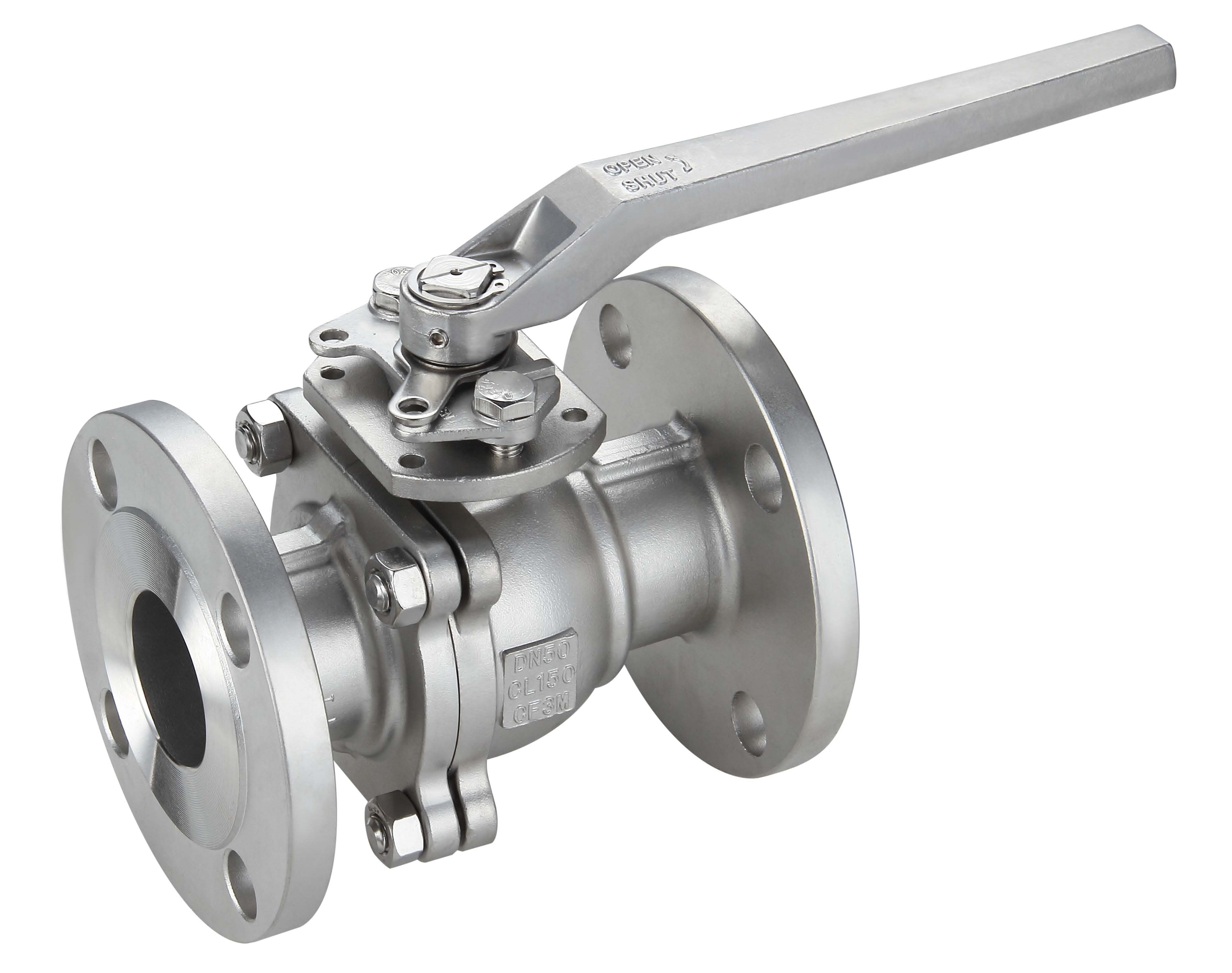
Needle valves, specifically the 1/2 inch variant, are precision flow control devices employed across a vast spectrum of industrial applications, ranging from hydraulic systems and pneumatic control to chemical processing and instrumentation. Distinguished by their elongated, tapered valve closure member (the “needle”) and corresponding seat, these valves excel at fine adjustments of flow rates, even with viscous fluids or gases. Their position within the industrial chain is primarily as a final control element, modulating flow downstream of pumps, compressors, or reservoirs. Core performance characteristics revolve around precise throttling, leak-tight shutoff (depending on design), and resistance to the properties of the handled media. Unlike ball valves offering quick on/off, needle valves prioritize granular control, making them indispensable in processes requiring sustained, refined adjustments. A key challenge within the industry is selecting appropriate materials to withstand corrosive fluids and high pressures, alongside mitigating wear on the needle and seat, impacting long-term accuracy and reliability.
Material Science & Manufacturing
The body construction of a 1/2 inch needle valve commonly utilizes materials such as 316/304 Stainless Steel (for corrosion resistance), Carbon Steel (for high-pressure applications, often with coatings), Brass (for general-purpose use with compatible media), and Alloy 20 (for highly corrosive environments). Material selection is paramount, dictating the valve’s compatibility with the process fluid. The ‘needle’ itself is frequently manufactured from hardened stainless steel (e.g., 440C) to resist erosion and wear against the softer seat material. Seat materials include PTFE (Teflon), PEEK, and reinforced polymers. The manufacturing process begins with bar stock machining, often utilizing CNC (Computer Numerical Control) lathes and milling machines to achieve the precise tolerances required for the valve’s internal components. Critical parameters during machining include dimensional accuracy of the needle taper, surface finish of the seat, and concentricity of the bore. Following machining, components undergo deburring and cleaning. Assembly involves careful lapping of the needle and seat to ensure a leak-tight seal. Pressure testing, typically with nitrogen, is conducted to verify the valve’s integrity and leak rate. Welding processes, if employed for body construction, require strict adherence to ASME Section IX standards to guarantee weld quality and structural soundness. Quality control relies heavily on coordinate measuring machines (CMMs) and non-destructive testing (NDT) methods like dye penetrant inspection to detect surface flaws.
Performance & Engineering
The performance of a 1/2 inch needle valve is significantly influenced by its Kv (flow coefficient) and Cv (flow capacity) values, indicating the volume of fluid that can pass through the valve at a given pressure drop. Force analysis centers on the torque required to operate the handwheel or actuator, which is directly related to the sealing force between the needle and seat. Environmental resistance is a crucial consideration; exposure to extreme temperatures, corrosive atmospheres, and UV radiation can degrade materials and compromise performance. Compliance requirements vary by industry, but often involve adherence to standards like NACE MR0175/ISO 15156 (for sour gas service), ATEX/IECEx (for potentially explosive atmospheres), and FDA regulations (for pharmaceutical applications). Functional implementation necessitates careful consideration of the actuator type (manual, pneumatic, electric), stem design (straight, angled), and end connection type (NPT, BSP, socket weld) to match the specific application requirements. The valve’s seat design—conical, v-ball, or parabolic—impacts both flow characteristics and shut-off capability. Understanding fluid dynamics is vital; Reynolds number calculations are used to predict flow regimes (laminar or turbulent) and optimize valve sizing. Finite Element Analysis (FEA) is often employed during the design phase to assess stress distribution within the valve body and identify potential failure points.
Technical Specifications
| Parameter | Specification (Typical) | Unit | Testing Standard |
|---|---|---|---|
| Body Material | 316 Stainless Steel | - | ASTM A743 |
| Seat Material | PTFE | - | ASTM D1710 |
| Maximum Pressure | 5000 | psi | ANSI B16.34 |
| Temperature Range | -60 to 200 | °C | ASTM E29 |
| Port Size | 1/2 | inch | ANSI B1.20.1 |
| Cv (Flow Coefficient) | 0.25 – 1.5 | - | ISA 75.01.01 |
Failure Mode & Maintenance
Common failure modes in 1/2 inch needle valves include seat erosion due to high-velocity flow or abrasive particles, needle damage from impact or corrosion, stem leakage resulting from packing gland failure, and body cracking due to excessive pressure or thermal cycling. Fatigue cracking can occur in the stem if subjected to repeated actuation cycles. Delamination of the seat material is a concern with polymeric seats exposed to aggressive chemicals. Oxidation and corrosion are prevalent issues with carbon steel valves in humid or corrosive environments. Maintenance involves regular inspection of the valve body, stem packing, and needle/seat interface for signs of wear or damage. Periodic tightening of the packing gland is necessary to prevent leakage. For heavily soiled valves, cleaning with a compatible solvent is recommended. In cases of severe erosion or damage, replacement of the needle and seat is often required. Preventative maintenance schedules should be implemented, particularly in critical applications, to minimize downtime and ensure reliable operation. Regular lubrication of the stem threads (with a compatible lubricant) can reduce friction and extend the valve’s lifespan. Careful attention should be paid to proper storage conditions to prevent corrosion during periods of inactivity.
Industry FAQ
Q: What is the primary difference between a needle valve and a ball valve in terms of flow control precision?
A: Ball valves are designed for quick on/off operation, offering minimal flow restriction when fully open. They lack the granular control offered by needle valves. Needle valves, with their tapered needle and seat, allow for precise throttling of flow, making them suitable for applications requiring fine adjustments.
Q: How does the choice of seat material impact the valve’s suitability for specific fluids?
A: Seat material compatibility is critical. PTFE seats offer broad chemical resistance but have temperature limitations. PEEK provides higher temperature resistance but may be susceptible to certain solvents. Selecting the wrong material can lead to swelling, degradation, and leakage.
Q: What are the implications of using a needle valve with a fluid containing particulate matter?
A: Particulate matter can accelerate seat erosion and damage the needle, reducing valve life and accuracy. Using a strainer or filter upstream of the valve is highly recommended to remove particulates and protect internal components.
Q: What are the key considerations when selecting a needle valve for high-pressure applications?
A: The valve body material must be capable of withstanding the operating pressure. Reinforced PTFE seats or metal seats are preferred for high-pressure service. Proper installation and tightening of connections are crucial to prevent leaks.
Q: How does the valve’s Kv or Cv value influence system performance?
A: The Kv/Cv value dictates the valve’s flow capacity. An undersized valve will create excessive pressure drop, while an oversized valve may not provide adequate control. Correctly sizing the valve to the application’s flow requirements is essential for optimal system performance.
Conclusion
The 1/2 inch needle valve represents a critical component in a multitude of industrial processes requiring precise flow control. Its functionality hinges on a confluence of material science, manufacturing precision, and a thorough understanding of fluid dynamics. Selecting the appropriate valve necessitates meticulous consideration of the process fluid’s properties, operating pressure, temperature range, and regulatory compliance requirements.
Future advancements in needle valve technology are likely to focus on the development of more durable seat materials, improved sealing mechanisms, and intelligent valve actuators with integrated sensors for real-time monitoring and control. Adoption of digital valve controllers will enhance automation capabilities and optimize process efficiency, contributing to increased safety, reduced downtime, and improved overall system performance.
-
Top Reasons to Choose a Stainless Steel Flange Check Valve for Industrial Applications
-
double flange butterfly valve Performance Analysis
-
Double Flanged Couplings Performance Analysis
-
double flanged butterfly valves Material Science
-
forged flange Performance Analysis
-
forging flange Material Science
-
forging flanges Material Performance
-
Round Flange Performance Analysis
-
Round Flanges Performance Analysis
-
Custom Flange Performance Analysis
-
DN 40 Flange Performance Analysis
-
8 inch flange Performance Analysis
-
angle ring flanges Performance Analysis
-
Flat Flanges Performance Analysis
-
Full Face Flange Performance Analysis
 Afrikaans
 Albanian
 Amharic
 Arabic
 Armenian
 Azerbaijani
 Basque
 Belarusian
 Bengali
 Bosnian
 Bulgarian
 Catalan
 Cebuano
 Corsican
 Croatian
 Czech
Czech
 Danish
 Dutch
Dutch
 Esperanto
 Estonian
 Finnish
 French
 Frisian
 Galician
 Georgian
 German
 Greek
Greek
 Gujarati
 Haitian Creole
 Hausa
Hawaiian
Hausa
Hawaiian
 Hebrew
 Hindi
Hindi
 Miao
Miao
 Hungarian
 Icelandic
 Igbo
Igbo
 Indonesian
 Irish
Irish
 Italian
 Japanese
 Javanese
Kannada
Javanese
Kannada
 Kazakh
 Khmer
Khmer
 Rwandese
 Korean
 Kurdish
 Kyrgyz
 Lao
Lao
 Latin
Latin
 Latvian
 Lithuanian
 Luxembourgish
 Macedonian
 Malgashi
 Malay
Malay
 Malayalam
 Maltese
 Maori
Maori
 Marathi
 Mongolian
 Myanmar
 Nepali
 Norwegian
 Norwegian
 Occitan
 Pashto
 Persian
 Polish
 Portuguese
Punjabi
Portuguese
Punjabi
 Romanian
 Russian
 Samoan
 Scottish Gaelic
 Serbian
 Sesotho
 Shona
Shona
 Sindhi
 Sinhala
 Slovak
 Slovenian
 Somali
 Spanish
 Sundanese
 Swahili
 Swedish
Tagalog
Swedish
Tagalog
 Tajik
Tajik
 Tamil
Tamil
 Tatar
Tatar
 Telugu
 Thai
Thai
 Turkish
 Turkmen
 Ukrainian
 Urdu
Urdu
 Uighur
 Uzbek
Uzbek
 Vietnamese
 Welsh
Welsh
 Bantu
Bantu
 Yiddish
 Yoruba
 Zulu
Zulu
 English