




2 inch ball valve Performance Analysis
Introduction
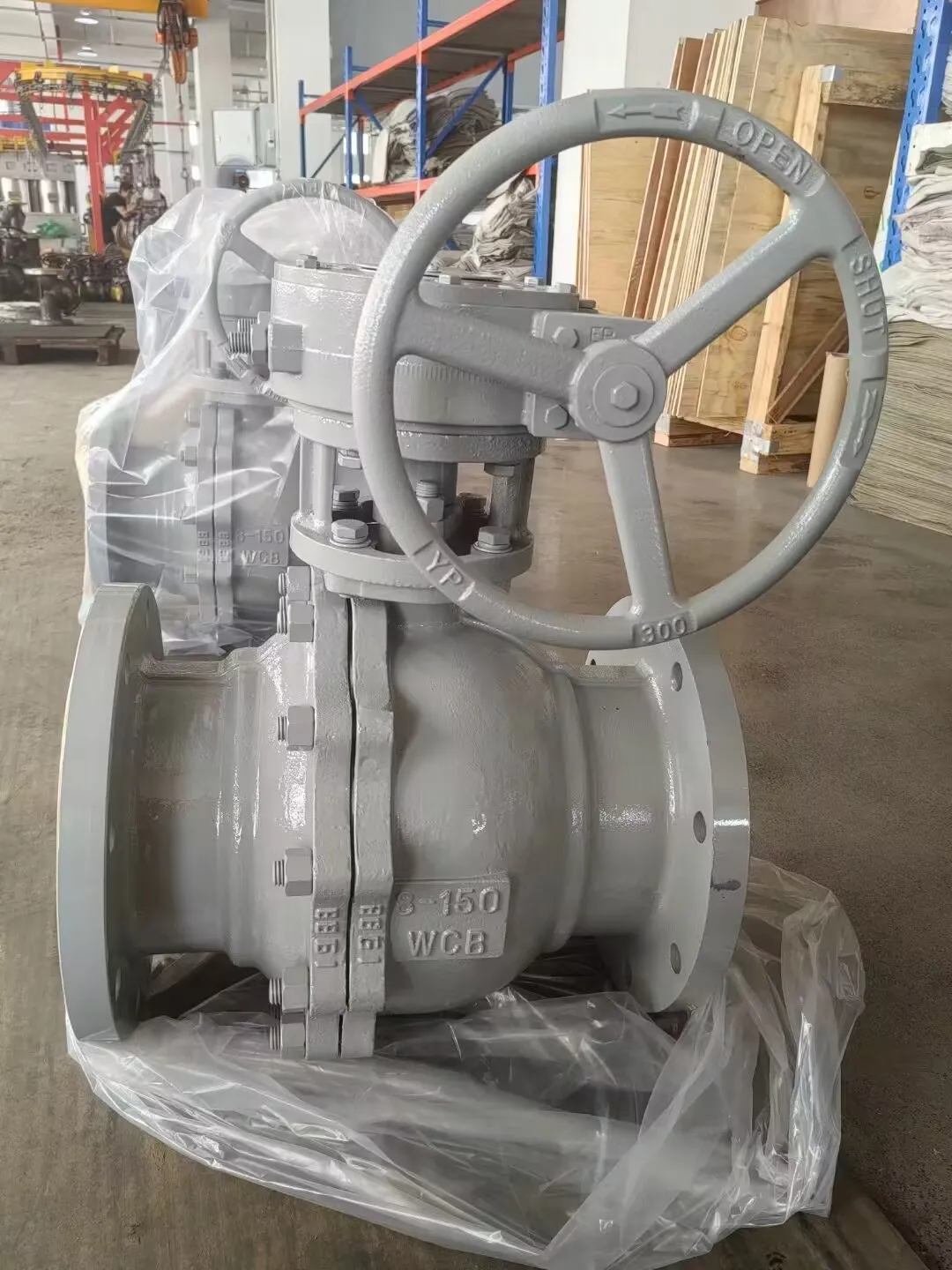
A 2-inch ball valve is a quarter-turn rotational motion valve used to control the flow of fluids within a pipeline. Positioned as a critical component in process industries like oil & gas, chemical processing, water treatment, and HVAC systems, it provides reliable on/off service. Its technical significance lies in its ability to offer tight shutoff, low pressure drop, and relatively quick operation compared to other valve types. Core performance characteristics include pressure rating (typically ranging from 150 PSI to higher classes depending on material and design), temperature range (influenced by seal materials), and flow coefficient (Cv) which dictates flow capacity. The industry frequently faces challenges concerning material selection for corrosive environments, achieving zero leakage, and ensuring long-term reliability under cyclical operation. 2-inch ball valves represent a standard size for many industrial applications, balancing flow requirements with manageable weight and installation constraints.
Material Science & Manufacturing
The body material of a 2-inch ball valve significantly impacts its performance and application suitability. Common materials include carbon steel (ASTM A105, A53), stainless steel (304/316 – offering superior corrosion resistance), and alloy steels (for high-temperature or high-pressure applications). The ball itself is typically manufactured from stainless steel (410, 316) or chrome-plated carbon steel for enhanced hardness and wear resistance. Seals, critical for leak-proof operation, are frequently made from PTFE (Teflon), RPTFE, or other engineered polymers. Manufacturing begins with forging or casting of the valve body. Precision machining is then employed to create the bore, seat, and connection points. The ball undergoes a similar process, requiring high accuracy for smooth operation. Welding processes (SMAW, GTAW) are used to join body components, demanding stringent quality control to prevent porosity and ensure structural integrity. Critical parameters during welding include heat input, shielding gas composition, and post-weld heat treatment to minimize residual stresses. PTFE seals are typically compression-fitted or injection molded into the valve body. The final stage includes hydrostatic testing (API 598) to verify pressure containment and functional testing to confirm leak-free operation.
Performance & Engineering
Performance of a 2-inch ball valve is fundamentally governed by fluid mechanics and stress analysis. Force analysis focuses on the torque required to operate the valve, which is influenced by fluid pressure, ball diameter, and seal friction. Environmental resistance is paramount; exposure to corrosive fluids necessitates careful material selection and protective coatings. Compliance requirements stem from industry-specific regulations (e.g., NACE MR0175/ISO 15156 for sour service in oil & gas) and safety standards (e.g., ASME B31.3 for process piping). Functional implementation relies on precise bore alignment and sealing surface contact. The Cv value, a crucial engineering parameter, dictates the flow rate at a given pressure drop. It’s calculated based on the valve's internal geometry and fluid properties. Finite Element Analysis (FEA) is often utilized to optimize valve body design for pressure containment and minimize stress concentrations. Actuation mechanisms (manual, pneumatic, electric) impact responsiveness and control accuracy. Cavitation, a destructive phenomenon caused by rapid pressure changes, must be mitigated through appropriate valve sizing and flow control strategies. Furthermore, the valve's mounting orientation can affect sediment buildup and operational longevity.
Technical Specifications
| Parameter | Specification | Units | Test Standard |
|---|---|---|---|
| Nominal Size | 2 inch | - | ANSI B16.34 |
| Pressure Rating | 150 / 300 / 600 | PSI | ANSI B16.34 |
| Body Material | Carbon Steel (A105), Stainless Steel (316) | - | ASTM A105, ASTM A351 |
| Ball Material | Stainless Steel (316) | - | ASTM A276 |
| Seat Material | PTFE, RPTFE | - | - |
| Connection Type | Threaded (NPT), Welded (Butt-Weld) | - | ASME B1.20.1 |
Failure Mode & Maintenance
Common failure modes in 2-inch ball valves include seat erosion (caused by abrasive particles in the fluid stream), seal degradation (due to chemical attack or thermal cycling), stem leakage (resulting from packing gland failure), and body cracking (induced by fatigue or excessive stress). Failure analysis often reveals that improper material selection for the service environment is a primary contributor. Fatigue cracking can occur in the valve body under cyclical loading, particularly at weld joints. Delamination of the PTFE seat can lead to leakage. Oxidation of stainless steel components can reduce corrosion resistance. Maintenance strategies include regular inspection of seals and packing glands, lubrication of the stem, and hydrostatic testing to verify pressure containment. Preventive maintenance schedules should be tailored to the specific application and fluid properties. In case of stem leakage, the packing gland needs to be tightened or replaced. For seat erosion or degradation, the entire valve or seat assembly may need replacement. Non-destructive testing (NDT) methods like ultrasonic testing (UT) and radiography (RT) can detect internal flaws before they lead to catastrophic failure. Routine cleaning is vital to remove debris and prevent abrasive wear.
Industry FAQ
Q: What is the significance of the Kv/Cv value when selecting a 2-inch ball valve for a specific application?
A: The Kv/Cv value (flow coefficient) is crucial. It indicates the valve’s capacity to pass a specific flow rate at a given pressure drop. Selecting a valve with an insufficient Kv/Cv value will result in excessive pressure drop and reduced flow, while an oversized valve may exhibit poor control and increased turbulence. Accurate calculation based on the process requirements is essential.
Q: How do different seat materials affect the suitability of a 2-inch ball valve for various fluids?
A: Different seat materials have varying chemical compatibility. PTFE is widely used due to its broad chemical resistance, but it's not suitable for all fluids, especially at elevated temperatures. RPTFE offers improved temperature resistance and lower permeability. Other materials like PEEK may be used for specialized applications. Incorrect seat material can lead to swelling, degradation, and leakage.
Q: What are the key considerations for selecting a 2-inch ball valve for high-temperature service?
A: High-temperature service necessitates careful material selection. The valve body and ball must be made of materials that retain their mechanical properties at elevated temperatures. Seal materials like RPTFE are preferred over standard PTFE. Thermal expansion needs to be accounted for in the valve design to prevent binding. Consideration should also be given to the potential for oxidation and creep.
Q: What is the role of NDT (Non-Destructive Testing) in ensuring the quality of a 2-inch ball valve?
A: NDT methods such as radiography (RT), ultrasonic testing (UT), and liquid penetrant testing (PT) are essential for detecting internal flaws (porosity, cracks) and surface defects without damaging the valve. These tests verify the integrity of the valve body, welds, and critical components, ensuring compliance with quality standards.
Q: What are the implications of choosing a manually operated versus an automated 2-inch ball valve?
A: Manually operated valves are cost-effective for simple on/off control but require manual intervention. Automated valves (pneumatic or electric actuators) provide remote control, faster response times, and integration with process control systems, but have higher initial costs and require power or compressed air supply. The choice depends on the application's automation requirements.
Conclusion
The 2-inch ball valve remains a cornerstone of fluid control across numerous industries due to its simplicity, reliability, and versatility. Successful application necessitates a thorough understanding of material science principles, manufacturing processes, and performance characteristics. Proper material selection, adhering to relevant industry standards, and implementing diligent maintenance programs are critical for ensuring long-term operational integrity and preventing costly failures.
Future advancements in ball valve technology are likely to focus on enhanced seal materials for extreme environments, improved actuator designs for precise control, and the integration of smart sensors for predictive maintenance. Optimizing valve geometry through computational fluid dynamics (CFD) analysis will further improve flow efficiency and reduce pressure drop, driving down operational costs and maximizing system performance.
-
Top Reasons to Choose a Stainless Steel Flange Check Valve for Industrial Applications
-
double flange butterfly valve Performance Analysis
-
Double Flanged Couplings Performance Analysis
-
double flanged butterfly valves Material Science
-
forged flange Performance Analysis
-
forging flange Material Science
-
forging flanges Material Performance
-
Round Flange Performance Analysis
-
Round Flanges Performance Analysis
-
Custom Flange Performance Analysis
-
DN 40 Flange Performance Analysis
-
8 inch flange Performance Analysis
-
angle ring flanges Performance Analysis
-
Flat Flanges Performance Analysis
-
Full Face Flange Performance Analysis
 Afrikaans
 Albanian
 Amharic
 Arabic
 Armenian
 Azerbaijani
 Basque
 Belarusian
 Bengali
 Bosnian
 Bulgarian
 Catalan
 Cebuano
 Corsican
 Croatian
 Czech
Czech
 Danish
 Dutch
Dutch
 Esperanto
 Estonian
 Finnish
 French
 Frisian
 Galician
 Georgian
 German
 Greek
Greek
 Gujarati
 Haitian Creole
 Hausa
Hawaiian
Hausa
Hawaiian
 Hebrew
 Hindi
Hindi
 Miao
Miao
 Hungarian
 Icelandic
 Igbo
Igbo
 Indonesian
 Irish
Irish
 Italian
 Japanese
 Javanese
Kannada
Javanese
Kannada
 Kazakh
 Khmer
Khmer
 Rwandese
 Korean
 Kurdish
 Kyrgyz
 Lao
Lao
 Latin
Latin
 Latvian
 Lithuanian
 Luxembourgish
 Macedonian
 Malgashi
 Malay
Malay
 Malayalam
 Maltese
 Maori
Maori
 Marathi
 Mongolian
 Myanmar
 Nepali
 Norwegian
 Norwegian
 Occitan
 Pashto
 Persian
 Polish
 Portuguese
Punjabi
Portuguese
Punjabi
 Romanian
 Russian
 Samoan
 Scottish Gaelic
 Serbian
 Sesotho
 Shona
Shona
 Sindhi
 Sinhala
 Slovak
 Slovenian
 Somali
 Spanish
 Sundanese
 Swahili
 Swedish
Tagalog
Swedish
Tagalog
 Tajik
Tajik
 Tamil
Tamil
 Tatar
Tatar
 Telugu
 Thai
Thai
 Turkish
 Turkmen
 Ukrainian
 Urdu
Urdu
 Uighur
 Uzbek
Uzbek
 Vietnamese
 Welsh
Welsh
 Bantu
Bantu
 Yiddish
 Yoruba
 Zulu
Zulu
 English