




bellow globe valve Performance Analysis
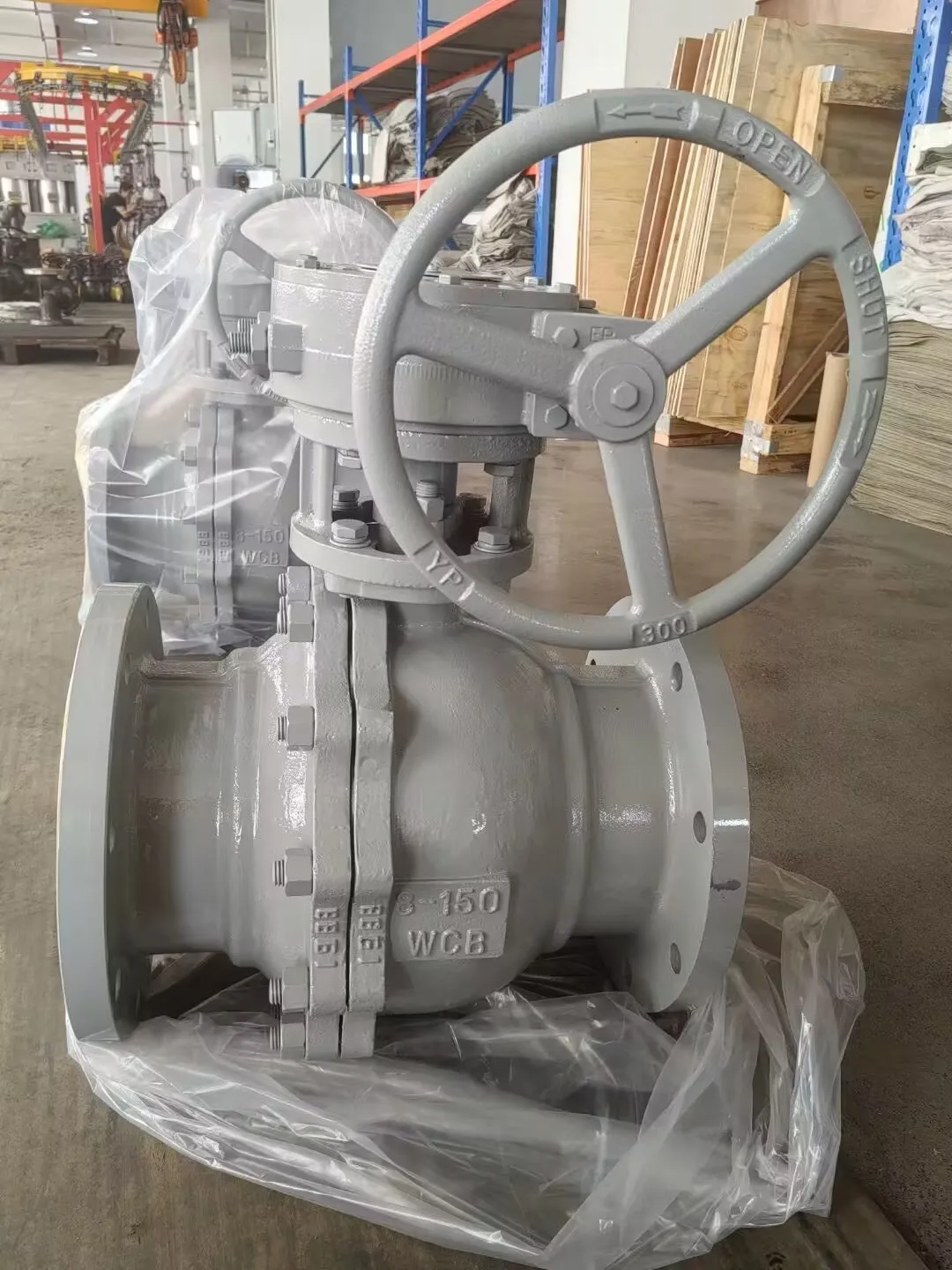
Introduction
Bellows globe valves represent a critical component in process control systems where leak-tight shutoff and precise flow regulation are paramount. Unlike conventional globe valves utilizing packed glands, bellows globe valves employ a metallic bellows as the primary stem sealing mechanism. This design effectively eliminates stem leakage, making them indispensable in applications handling hazardous, corrosive, or high-purity fluids. Positioned within the fluid control value chain, they offer superior performance compared to ball valves in throttling applications and surpass gate valves in applications requiring frequent operation. The core performance characteristics – zero leakage, high cycle life, and resistance to extreme temperatures and pressures – define their value proposition. Their application spans across petrochemical processing, pharmaceutical manufacturing, power generation, and specialty chemical production, representing a significant segment within the broader industrial valve market.
Material Science & Manufacturing
The functionality of a bellows globe valve is intrinsically linked to the material selection and manufacturing precision. Bellows are typically constructed from corrosion-resistant alloys like 316L stainless steel, Hastelloy C-276, or Inconel 718, chosen for their ductility, fatigue strength, and chemical inertness. The valve body can be cast or forged, commonly utilizing materials like carbon steel (ASTM A216 WCB), stainless steel (ASTM A351 CF8M), or alloy steel depending on the process fluid and operating conditions. Manufacturing involves several critical steps: bellows forming (hydroforming or deep drawing), welding (GTAW or laser welding for bellows attachment and body fabrication), and precision machining. Bellows forming demands strict control of material thickness and corrugation geometry to ensure flexibility and leak tightness. Welding processes require specialized techniques to maintain the bellows’ integrity and avoid metallurgical defects. Post-weld heat treatment is often employed to relieve stresses and optimize mechanical properties. Quality control relies heavily on non-destructive testing (NDT) methods like helium leak testing (to verify bellows integrity), radiographic inspection (to detect weld defects), and liquid penetrant examination (to identify surface flaws). The disc and seat material are also crucial, often utilizing PTFE, reinforced PTFE, or metal-to-metal sealing configurations, depending on temperature and pressure requirements. Compatibility charts are meticulously consulted to prevent galvanic corrosion between dissimilar metals.
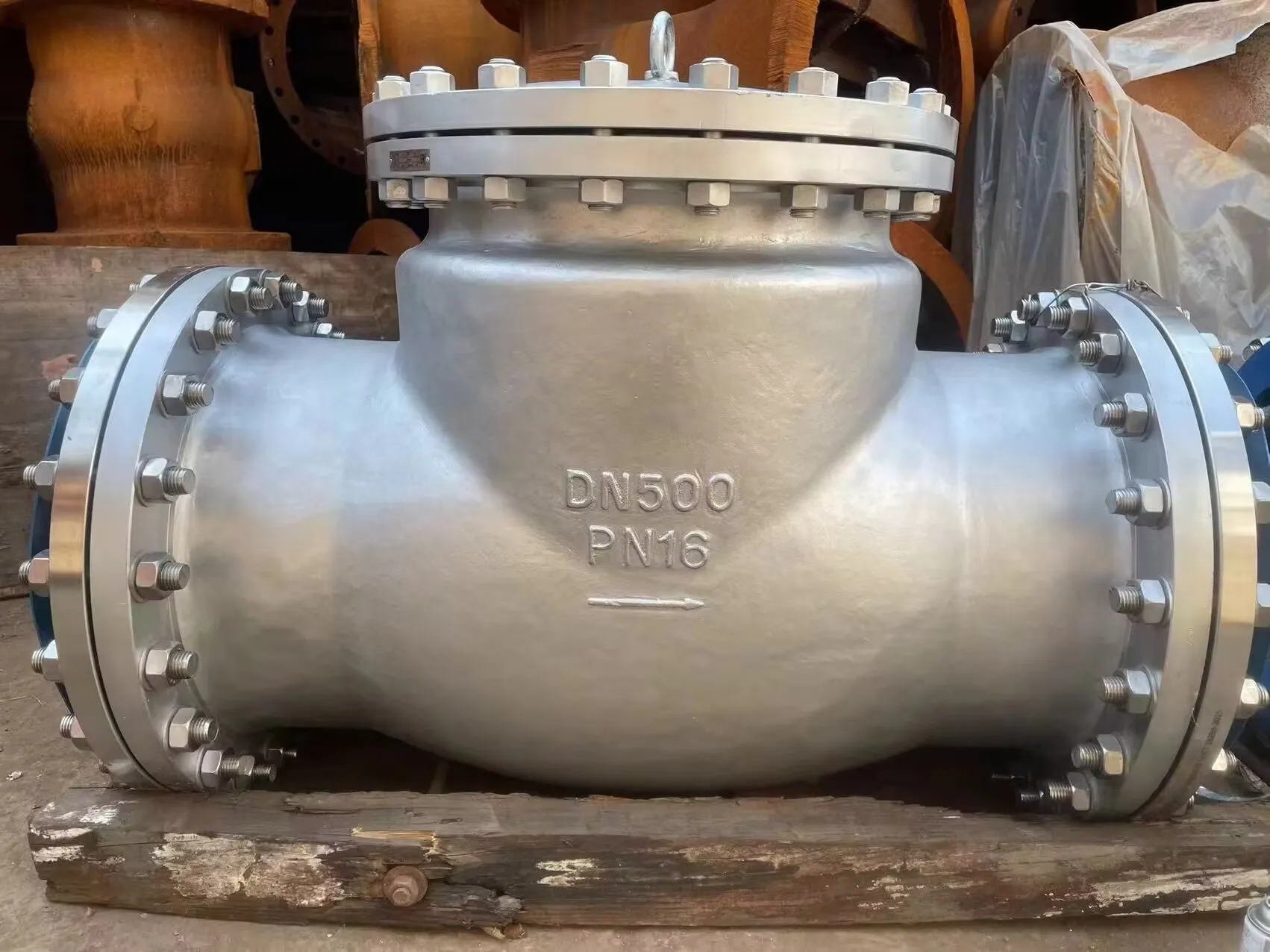
Performance & Engineering
The performance of a bellows globe valve is dictated by several engineering considerations. Force analysis is crucial in determining the bellows’ load-deflection characteristics and ensuring it can withstand the stem thrust and pressure differential across the valve. Finite Element Analysis (FEA) is often used to model stress distribution within the bellows under various operating conditions. Environmental resistance is another key factor. Exposure to high temperatures, corrosive media, and cyclic loading can lead to bellows fatigue and premature failure. Proper material selection and protective coatings are essential to mitigate these effects. Compliance requirements, particularly in regulated industries, demand adherence to standards like ANSI/FCI 70-2 (for control valve performance), and relevant pressure vessel directives (e.g., ASME Section VIII Division 1). Functional implementation relies on accurate flow coefficient (Cv) calculations to ensure the valve can deliver the required flow rate at the desired pressure drop. The valve’s hysteresis (the difference between the valve’s response to increasing and decreasing signals) must be minimized to achieve precise control. Actuator selection (pneumatic, electric, or hydraulic) is also critical, considering the valve’s size, operating conditions, and control system requirements. Consideration must also be given to thermal expansion and contraction of components, ensuring proper alignment and sealing during temperature fluctuations.
Technical Specifications
| Parameter | Typical Value (Stainless Steel Construction) | Typical Value (Hastelloy C-276 Construction) | Units |
|---|---|---|---|
| Maximum Allowable Pressure | 600 | 450 | PSIG |
| Temperature Range | -20 to 450 | -20 to 650 | °F |
| Leakage Rate (Bellows) | <0.001 | <0.001 | SCCM He |
| Connection Type | Flanged (ANSI B16.5) | Flanged (ANSI B16.5) | - |
| Actuator Type | Pneumatic (Diaphragm) | Pneumatic (Diaphragm) | - |
| Cv Value (1” Valve) | 20 | 18 | - |
Failure Mode & Maintenance
Bellows globe valves, while inherently reliable, are susceptible to specific failure modes. Bellows fatigue cracking is a primary concern, especially under high cycle operation or exposure to corrosive environments. This can result in stem leakage, compromising process safety. Corrosion, particularly pitting corrosion, can weaken the bellows material, leading to premature failure. Crevice corrosion can also occur at the bellows weld joints. Disc and seat erosion or damage can lead to increased leakage and reduced flow control accuracy. Actuator failure (e.g., diaphragm rupture, solenoid malfunction) can render the valve inoperable. Maintenance strategies focus on preventative measures. Regular inspection of the bellows for signs of cracks, corrosion, or deformation is crucial. Leak testing (using helium or other tracer gases) should be performed periodically. Proper lubrication of the valve stem and actuator components is essential. The actuator should be checked for proper calibration and response time. In cases of bellows failure, replacement with a qualified component is necessary. Root cause analysis should be conducted to identify the underlying cause of failure and prevent recurrence. Periodic assessment of process fluid compatibility with valve materials is also recommended.
Industry FAQ
Q: What are the key advantages of a bellows globe valve over a conventional globe valve with packing?
A: The primary advantage is zero stem leakage. Conventional globe valves rely on packing, which inevitably experiences some degree of leakage over time, requiring frequent adjustment and maintenance. Bellows globe valves eliminate this issue, providing a leak-tight seal for hazardous or high-purity applications. This results in reduced fugitive emissions, improved process safety, and lower maintenance costs.
Q: What materials are best suited for bellows globe valves in highly corrosive environments?
A: Hastelloy C-276 and Inconel 718 are excellent choices due to their exceptional resistance to a wide range of corrosive media. The specific material selection depends on the nature of the corrosion (e.g., pitting, crevice, stress corrosion cracking) and the concentration and temperature of the process fluid. Material compatibility charts should be consulted to ensure optimal performance.
Q: How does the bellows construction affect the valve’s throttling capabilities?
A: The bellows imparts a certain spring rate to the valve stem, which can influence the throttling characteristics. Precise control is still achievable, but the response may be slightly different compared to a conventional globe valve. Careful actuator sizing and valve characteristic selection (e.g., equal percentage, linear) are necessary to optimize throttling performance.
Q: What is the typical lifecycle cost comparison between a bellows globe valve and a ball valve for throttling service?
A: While the initial cost of a bellows globe valve is generally higher than a ball valve, the lifecycle cost can be lower due to reduced maintenance and downtime. Ball valves, while cost-effective initially, can experience seat wear and leakage with frequent throttling, leading to increased maintenance and potential process disruptions. The leak-tight nature of the bellows valve minimizes these risks.
Q: How often should the bellows be inspected and what are the typical inspection methods?
A: Bellows inspection frequency depends on the severity of the service and the criticality of the application. A visual inspection should be performed at least annually, looking for signs of cracks, corrosion, or deformation. Helium leak testing is the most reliable method for detecting leaks in the bellows. Non-destructive testing methods like liquid penetrant examination can also be used to identify surface flaws.
Conclusion
Bellows globe valves represent a sophisticated solution for process control applications demanding absolute leak tightness and precise flow regulation. Their unique design, employing a metallic bellows, overcomes the limitations of conventional valve technologies, particularly in handling hazardous or sensitive fluids. The careful selection of materials, precise manufacturing processes, and diligent maintenance practices are crucial to ensuring long-term reliability and optimal performance.
As process industries continue to prioritize safety, environmental responsibility, and operational efficiency, the demand for bellows globe valves is expected to grow. Advancements in bellows materials and manufacturing techniques will further enhance their capabilities, extending their application range to even more challenging environments. Ongoing research into predictive maintenance strategies and remote monitoring technologies will enable proactive interventions, minimizing downtime and maximizing the return on investment.
-
Top Reasons to Choose a Stainless Steel Flange Check Valve for Industrial Applications
-
double flange butterfly valve Performance Analysis
-
Double Flanged Couplings Performance Analysis
-
double flanged butterfly valves Material Science
-
forged flange Performance Analysis
-
forging flange Material Science
-
forging flanges Material Performance
-
Round Flange Performance Analysis
-
Round Flanges Performance Analysis
-
Custom Flange Performance Analysis
-
DN 40 Flange Performance Analysis
-
8 inch flange Performance Analysis
-
angle ring flanges Performance Analysis
-
Flat Flanges Performance Analysis
-
Full Face Flange Performance Analysis
 Afrikaans
 Albanian
 Amharic
 Arabic
 Armenian
 Azerbaijani
 Basque
 Belarusian
 Bengali
 Bosnian
 Bulgarian
 Catalan
 Cebuano
 Corsican
 Croatian
 Czech
Czech
 Danish
 Dutch
Dutch
 Esperanto
 Estonian
 Finnish
 French
 Frisian
 Galician
 Georgian
 German
 Greek
Greek
 Gujarati
 Haitian Creole
 Hausa
Hawaiian
Hausa
Hawaiian
 Hebrew
 Hindi
Hindi
 Miao
Miao
 Hungarian
 Icelandic
 Igbo
Igbo
 Indonesian
 Irish
Irish
 Italian
 Japanese
 Javanese
Kannada
Javanese
Kannada
 Kazakh
 Khmer
Khmer
 Rwandese
 Korean
 Kurdish
 Kyrgyz
 Lao
Lao
 Latin
Latin
 Latvian
 Lithuanian
 Luxembourgish
 Macedonian
 Malgashi
 Malay
Malay
 Malayalam
 Maltese
 Maori
Maori
 Marathi
 Mongolian
 Myanmar
 Nepali
 Norwegian
 Norwegian
 Occitan
 Pashto
 Persian
 Polish
 Portuguese
Punjabi
Portuguese
Punjabi
 Romanian
 Russian
 Samoan
 Scottish Gaelic
 Serbian
 Sesotho
 Shona
Shona
 Sindhi
 Sinhala
 Slovak
 Slovenian
 Somali
 Spanish
 Sundanese
 Swahili
 Swedish
Tagalog
Swedish
Tagalog
 Tajik
Tajik
 Tamil
Tamil
 Tatar
Tatar
 Telugu
 Thai
Thai
 Turkish
 Turkmen
 Ukrainian
 Urdu
Urdu
 Uighur
 Uzbek
Uzbek
 Vietnamese
 Welsh
Welsh
 Bantu
Bantu
 Yiddish
 Yoruba
 Zulu
Zulu
 English