




control ball valve Performance Analysis
Introduction
Control ball valves represent a critical component in process control systems across numerous industries, including chemical processing, oil and gas, power generation, and water treatment. Unlike standard ball valves which are primarily on/off devices, control ball valves are designed to modulate flow, enabling precise regulation of process variables such as temperature, pressure, and flow rate. Their position within the industry chain is as a final control element, responding to signals from a control system to adjust flow based on pre-defined setpoints. Core performance characteristics include high rangeability (the ratio between maximum and minimum flow rates), tight shut-off capabilities, linear or equal percentage flow characteristics, and robust construction for reliable operation in demanding environments. The increasing demand for automation and process optimization drives the continued refinement and adoption of control ball valve technology.
Material Science & Manufacturing
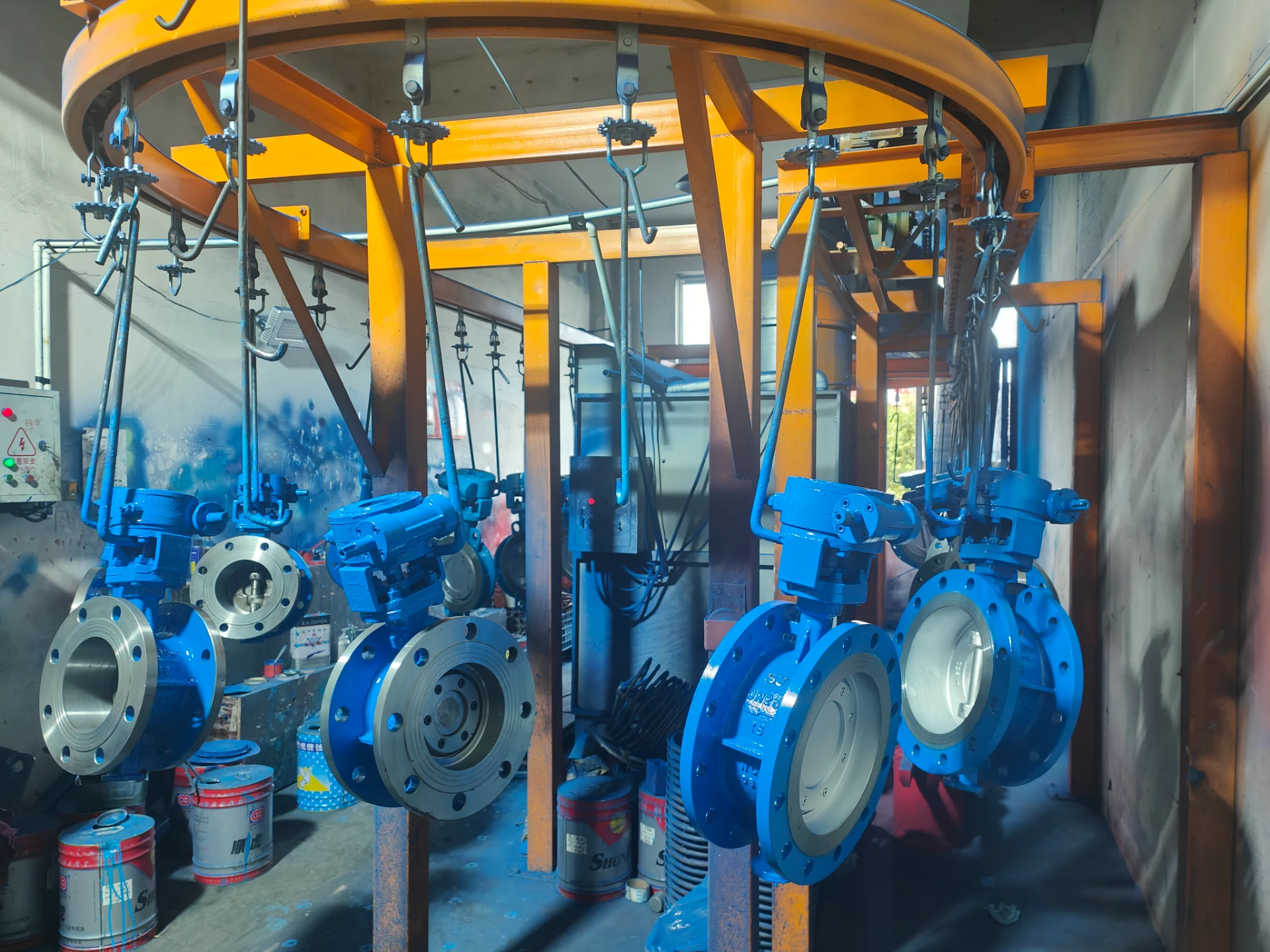
The performance and longevity of a control ball valve are fundamentally linked to the material selection and manufacturing processes employed. The ball itself is typically manufactured from stainless steel alloys (316/316L being common for corrosion resistance), hardened alloys like 17-4 PH for high wear applications, or carbon steel with specialized coatings. The valve body can be constructed from cast stainless steel, forged steel, or ductile iron, depending on pressure and temperature requirements. Seals are a crucial element, often utilizing PTFE (Teflon), reinforced PTFE, or other elastomers chosen for their chemical compatibility and temperature resistance. Manufacturing processes vary depending on valve size and complexity. Ball manufacturing involves precision forging followed by heat treatment, machining, and polishing to achieve a smooth, accurate spherical surface. Valve body production utilizes casting, forging, or machining, followed by extensive quality control checks. Actuator attachment points require precise machining to ensure accurate alignment and efficient force transmission. Critical parameters include material hardness (measured by Rockwell C scale), surface finish (Ra values), weld integrity (verified through non-destructive testing like radiography and liquid penetrant inspection), and dimensional accuracy (verified through coordinate measuring machines – CMMs). Chemical compatibility testing with process fluids is also paramount to prevent degradation of seal materials and corrosion of metallic components.
Performance & Engineering
Control ball valve performance hinges on precise engineering principles. Flow control is dictated by the ball’s rotational position relative to the flow path. Valve trim designs (the shaping of the flow passages through the ball) determine the valve’s inherent flow characteristic. Equal percentage trim provides a more linear relationship between valve opening and flow rate, ideal for applications requiring precise control over a wide range. Linear trim delivers a constant flow gain, while quick-opening trim is suitable for on/off control but less desirable for modulation. Force analysis is critical in actuator selection; the actuator must provide sufficient torque to overcome process pressure forces and friction within the valve. Environmental resistance is achieved through material selection and coating application. Valves operating in corrosive environments necessitate the use of corrosion-resistant alloys and protective coatings (e.g., epoxy, PTFE linings). Compliance with industry standards, such as ANSI/FCI 70-2, dictates allowable leakage rates, pressure-temperature ratings, and testing procedures. Functional implementation involves integrating the valve with a control system, typically utilizing pneumatic, hydraulic, or electric actuators controlled by a process controller. Proper sizing of the valve to match the process flow rate is vital to ensure stable and efficient operation. Cavitation, a potential issue with high-pressure drop applications, must be mitigated through valve trim selection and operating parameter adjustments.
Technical Specifications
| Parameter | Unit | Typical Value (Stainless Steel Body) | Typical Value (Carbon Steel Body) |
|---|---|---|---|
| Maximum Operating Pressure | psi | 1440 | 2800 |
| Temperature Range | °F | -20 to 450 | -20 to 800 |
| Cv (Flow Coefficient) | gal/min/psi | 10-500 (dependent on size) | 10-500 (dependent on size) |
| Actuator Type | - | Pneumatic, Electric, Hydraulic | Pneumatic, Electric, Hydraulic |
| Connection Type | - | Flanged, Threaded, Welded | Flanged, Threaded, Welded |
| Rangeability | - | 50:1 to 100:1 | 50:1 to 100:1 |
Failure Mode & Maintenance
Control ball valves, while robust, are susceptible to specific failure modes. Seat erosion or damage is a common issue, particularly in applications with abrasive fluids or particles, leading to leakage. Actuator failure, caused by diaphragm rupture (pneumatic actuators), motor burnout (electric actuators), or hydraulic leaks, prevents flow control. Stem packing failure results in external leakage. Corrosion, especially in aggressive environments, can lead to valve body or ball degradation. Fatigue cracking, induced by cyclic loading and fluctuating pressures, can cause catastrophic failure. Failure analysis often involves visual inspection, non-destructive testing (e.g., ultrasonic testing, dye penetrant inspection), and material analysis. Maintenance routines include regular inspection of seals, packing glands, and actuators. Lubrication of moving parts (stem and bearings) is crucial. Periodic testing of actuator responsiveness and valve shut-off integrity is recommended. Replacement of worn seals and packing is essential to prevent leakage. For heavily soiled valves, thorough cleaning and inspection are required before re-installation. Preventative maintenance programs, incorporating scheduled inspections and component replacement, significantly extend valve lifespan and minimize downtime.
Industry FAQ
Q: What is the primary difference between a control ball valve and a standard ball valve in terms of application suitability?
A: Standard ball valves are best suited for on/off isolation duties, providing a quick and reliable shut-off. Control ball valves, however, are engineered for modulating flow, offering precise control capabilities essential for maintaining desired process parameters in dynamic systems. Using a standard ball valve for control applications often leads to instability and inaccurate regulation.
Q: How does the choice of valve trim (equal percentage, linear, quick-opening) impact process control performance?
A: Valve trim dictates the relationship between valve position and flow rate. Equal percentage trim provides a more linear control response, making it ideal for applications requiring precise control across a wide operating range. Linear trim offers a constant flow gain. Quick-opening trim is suitable for on/off applications but less precise for modulation. Selecting the appropriate trim is critical for stable and efficient process control.
Q: What are the key considerations when selecting a valve material for corrosive fluid applications?
A: Material selection is paramount. Stainless steel alloys (316/316L) offer excellent corrosion resistance to many chemicals. For highly corrosive environments, more exotic alloys like Hastelloy or titanium may be necessary. Polymer linings (e.g., PTFE) can also provide a protective barrier. It’s crucial to consult chemical compatibility charts and conduct thorough testing to ensure the selected material is compatible with the process fluid.
Q: How can cavitation be prevented or mitigated in control ball valve applications?
A: Cavitation occurs when a pressure drop across the valve causes liquid to vaporize, forming bubbles that subsequently collapse, causing erosion. Mitigation strategies include selecting a valve with a suitable trim design to minimize pressure drop, increasing upstream pressure, and avoiding excessive throttling. Proper valve sizing is also critical.
Q: What role does actuator selection play in the overall performance and reliability of a control ball valve?
A: The actuator must provide sufficient torque to overcome process forces and friction, ensuring accurate valve positioning. Actuator type (pneumatic, electric, hydraulic) depends on the application’s requirements for speed, precision, and available power sources. Regular maintenance and proper sizing of the actuator are crucial for reliable operation.
Conclusion
Control ball valves are sophisticated components integral to modern process control systems. Their ability to precisely modulate flow, coupled with robust construction and material options, makes them suitable for a wide range of demanding applications. The selection process necessitates careful consideration of process parameters, material compatibility, and actuator requirements to ensure optimal performance and longevity.
Future trends in control ball valve technology will likely focus on smart valve designs incorporating integrated sensors and diagnostics, enabling predictive maintenance and improved process optimization. Further advancements in materials science will lead to enhanced corrosion resistance and higher operating temperature capabilities. The continued drive towards automation will further solidify the role of control ball valves as critical components in industrial processes.
-
Top Reasons to Choose a Stainless Steel Flange Check Valve for Industrial Applications
-
double flange butterfly valve Performance Analysis
-
Double Flanged Couplings Performance Analysis
-
double flanged butterfly valves Material Science
-
forged flange Performance Analysis
-
forging flange Material Science
-
forging flanges Material Performance
-
Round Flange Performance Analysis
-
Round Flanges Performance Analysis
-
Custom Flange Performance Analysis
-
DN 40 Flange Performance Analysis
-
8 inch flange Performance Analysis
-
angle ring flanges Performance Analysis
-
Flat Flanges Performance Analysis
-
Full Face Flange Performance Analysis
 Afrikaans
 Albanian
 Amharic
 Arabic
 Armenian
 Azerbaijani
 Basque
 Belarusian
 Bengali
 Bosnian
 Bulgarian
 Catalan
 Cebuano
 Corsican
 Croatian
 Czech
Czech
 Danish
 Dutch
Dutch
 Esperanto
 Estonian
 Finnish
 French
 Frisian
 Galician
 Georgian
 German
 Greek
Greek
 Gujarati
 Haitian Creole
 Hausa
Hawaiian
Hausa
Hawaiian
 Hebrew
 Hindi
Hindi
 Miao
Miao
 Hungarian
 Icelandic
 Igbo
Igbo
 Indonesian
 Irish
Irish
 Italian
 Japanese
 Javanese
Kannada
Javanese
Kannada
 Kazakh
 Khmer
Khmer
 Rwandese
 Korean
 Kurdish
 Kyrgyz
 Lao
Lao
 Latin
Latin
 Latvian
 Lithuanian
 Luxembourgish
 Macedonian
 Malgashi
 Malay
Malay
 Malayalam
 Maltese
 Maori
Maori
 Marathi
 Mongolian
 Myanmar
 Nepali
 Norwegian
 Norwegian
 Occitan
 Pashto
 Persian
 Polish
 Portuguese
Punjabi
Portuguese
Punjabi
 Romanian
 Russian
 Samoan
 Scottish Gaelic
 Serbian
 Sesotho
 Shona
Shona
 Sindhi
 Sinhala
 Slovak
 Slovenian
 Somali
 Spanish
 Sundanese
 Swahili
 Swedish
Tagalog
Swedish
Tagalog
 Tajik
Tajik
 Tamil
Tamil
 Tatar
Tatar
 Telugu
 Thai
Thai
 Turkish
 Turkmen
 Ukrainian
 Urdu
Urdu
 Uighur
 Uzbek
Uzbek
 Vietnamese
 Welsh
Welsh
 Bantu
Bantu
 Yiddish
 Yoruba
 Zulu
Zulu
 English