




Solenoid Valve Performance Analysis
Introduction
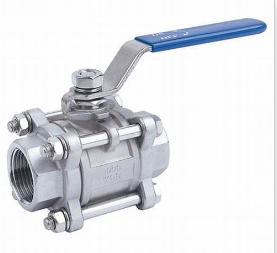
Solenoid valves are electromechanically operated valves utilized to control the flow of liquids or gases. Positioned critically within industrial automation systems, process control, and fluid power applications, they function as crucial components in diverse sectors including chemical processing, pneumatic and hydraulic systems, HVAC, and automotive engineering. Their technical significance resides in their ability to provide rapid, precise, and remotely controlled fluid regulation, often surpassing the capabilities of manually operated valves in terms of speed and reliability. Core performance characteristics include response time, flow capacity (Cv), pressure rating, media compatibility, and operational life cycle, all directly impacting system efficiency and safety. The industry faces continuous challenges in optimizing solenoid valve performance for harsher operating environments, reducing energy consumption, and increasing lifespan, particularly within critical applications demanding high levels of functional safety.
Material Science & Manufacturing
Solenoid valve construction typically involves several key materials. The valve body is frequently manufactured from brass (C36000, C46400 for corrosion resistance), stainless steel (304, 316 for high-temperature or corrosive media), or engineered plastics like PBT or PPS for lightweight and chemically inert applications. The internal components, specifically the plunger and core, are almost universally composed of magnetically permeable materials – commonly 4341 or 17-4 PH stainless steel, chosen for their high saturation magnetization and mechanical strength. Seals, critical for leak-proof operation, utilize elastomers like nitrile (NBR), Viton (FKM), EPDM, or PTFE, selected based on fluid compatibility and temperature range. Manufacturing processes vary depending on complexity. Valve bodies are commonly produced via investment casting, sand casting, or machining from bar stock. Plunger and core components undergo precision machining, followed by heat treatment to achieve required hardness and magnetic properties. Coil winding requires automated machinery to ensure consistent turns and insulation. A critical parameter is the air gap between the plunger and core, maintained within tight tolerances (typically 0.001-0.005 inches) to maximize magnetic force. Quality control necessitates rigorous non-destructive testing (NDT) like magnetic particle inspection (MPI) and ultrasonic testing to detect internal flaws in critical components. Chemical compatibility is verified through immersion testing, and seal integrity through pressure and leak testing.
Performance & Engineering
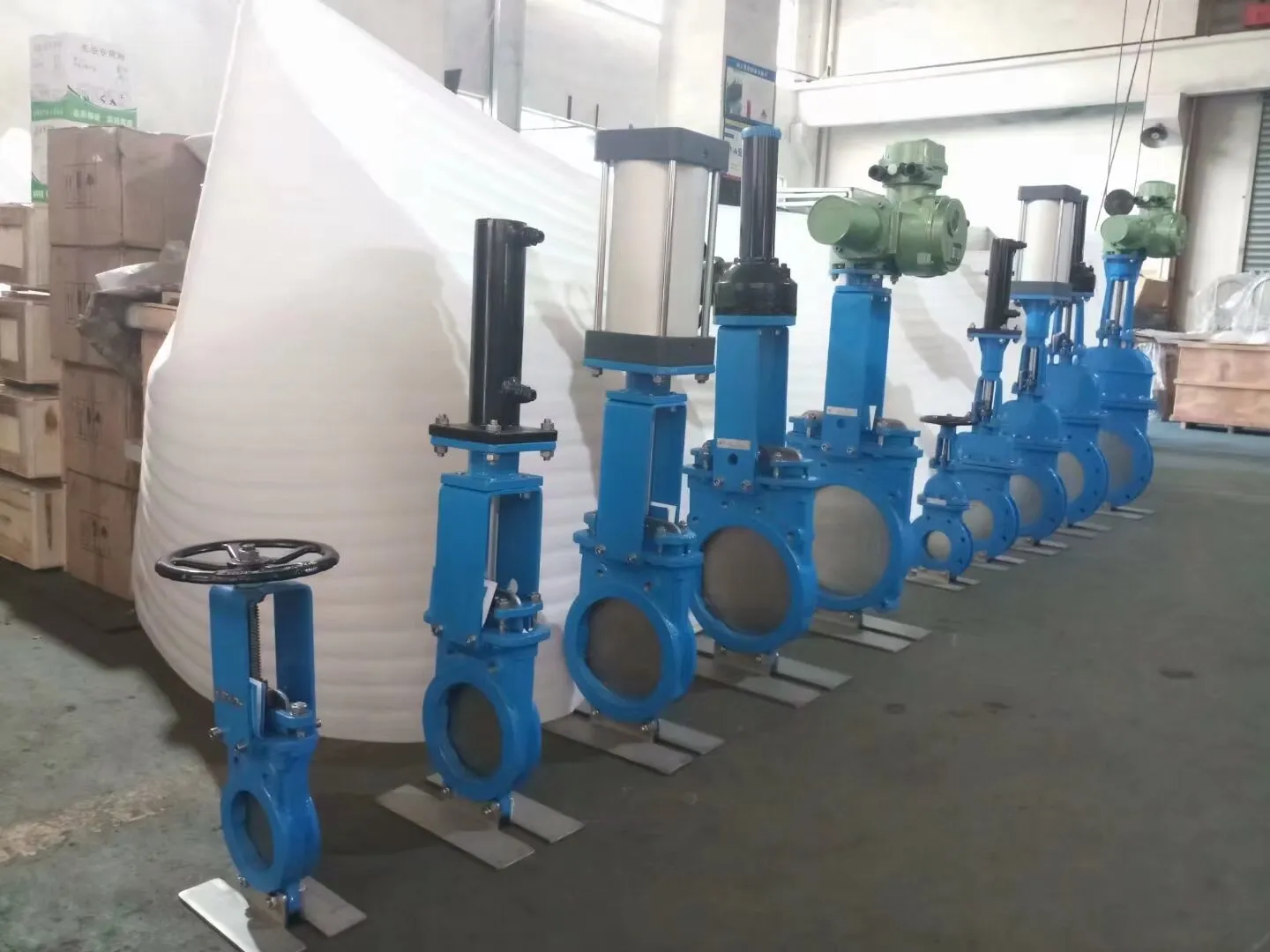
Solenoid valve performance is fundamentally governed by electromagnetic principles and fluid dynamics. The force generated by the solenoid coil (F = k i^2, where k is a constant and i is the current) must overcome the spring force and fluid pressure to actuate the valve. The response time (opening and closing speed) is affected by the plunger mass, spring rate, fluid viscosity, and coil inductance. Flow capacity, quantified by the Cv value, is dependent on valve orifice size, pressure drop, and fluid density. Engineering considerations involve accurately calculating the required solenoid force to reliably operate against maximum system pressure. Environmental resistance, particularly in outdoor or hazardous locations, demands appropriate ingress protection (IP) ratings (e.g., IP67, IP69K) and material selection to withstand temperature extremes, UV exposure, and corrosive elements. Compliance with industry standards such as ATEX (for explosive atmospheres) and SIL (Safety Integrity Level) ratings (for safety-critical applications) is paramount. Finite element analysis (FEA) is frequently employed to optimize valve body design for stress distribution and prevent fatigue failure under cyclical loading. Furthermore, the electrical connections must be adequately insulated and protected against electromagnetic interference (EMI) to ensure reliable operation within complex control systems.
Technical Specifications
| Parameter | Typical Value (2/2 Solenoid Valve) | Unit | Notes |
|---|---|---|---|
| Operating Pressure Range | 0 - 10 | bar | Varies with valve size and material |
| Maximum Operating Temperature | -40 to +80 | °C | Dependent on seal material |
| Orifice Size | 1.5 | mm | Affects flow rate |
| Coil Voltage (DC) | 24 | VDC | Common voltage; others available |
| Response Time (Opening) | 20-30 | ms | Affected by fluid viscosity and pressure |
| Cv (Flow Coefficient) | 0.25 | m³/h @ 1 bar | Represents flow capacity |
Failure Mode & Maintenance
Common failure modes in solenoid valves include coil burnout (due to overvoltage or overheating), plunger sticking (caused by contamination or corrosion), seal degradation (resulting in leakage), and body cracking (due to fatigue or overpressure). Coil burnout is often indicated by a lack of valve actuation and can be prevented with proper voltage regulation and thermal protection. Plunger sticking necessitates cleaning or replacement of the plunger and bore. Seal degradation manifests as external leakage and requires seal replacement, ensuring compatibility with the fluid being controlled. Body cracking, a more severe failure, typically results from exceeding the pressure rating or cyclical fatigue and requires complete valve replacement. Preventive maintenance involves regular inspection for leaks, electrical continuity testing of the coil, and periodic cleaning to remove contaminants. Lubrication of moving parts (where appropriate) can extend lifespan. In applications with demanding environments, periodic testing of the valve's response time and flow capacity is recommended. When troubleshooting, always de-energize the valve and relieve system pressure before disassembly. Regular monitoring of operating parameters and adherence to manufacturer's recommended maintenance schedules are crucial for maximizing valve reliability and minimizing downtime.
Industry FAQ
Q: What is the impact of fluid viscosity on solenoid valve performance?
A: Increased fluid viscosity directly impacts response time and flow capacity. Higher viscosity fluids require greater force to initiate flow and overcome internal resistance, slowing down valve opening and closing speeds. The Cv value decreases with increasing viscosity. Valve selection must account for the fluid's viscosity, potentially requiring larger orifice sizes or higher coil power to maintain desired performance.
Q: How does the material of construction affect the lifespan of a solenoid valve in a corrosive environment?
A: The material of construction is paramount in corrosive environments. Brass valves are susceptible to dezincification and corrosion from chloride-containing fluids. Stainless steel (316) offers superior corrosion resistance but can still be affected by certain chemicals. Engineered plastics like PTFE are highly resistant to a wide range of corrosive media but may have lower temperature and pressure ratings. Proper material selection is crucial to prevent premature failure and maintain valve integrity.
Q: What are the key considerations for selecting a solenoid valve for a safety-critical application?
A: For safety-critical applications, valves must meet specific Safety Integrity Level (SIL) requirements. This necessitates redundancy, fail-safe designs (e.g., normally closed valves that fail to the safe position), and rigorous testing and certification. Documented functional safety assessments and adherence to standards like IEC 61508 are essential.
Q: What is the role of the plunger spring in solenoid valve operation?
A: The plunger spring provides the restoring force that returns the valve to its original position when the solenoid coil is de-energized. The spring rate directly influences the valve's response time and its ability to overcome fluid pressure. Spring fatigue can lead to slower response times or valve malfunction, requiring spring replacement.
Q: How can I minimize the risk of coil burnout in a solenoid valve?
A: Coil burnout is typically caused by overvoltage, overheating, or excessive duty cycle. Using a properly rated power supply, implementing thermal protection (e.g., thermal overload relays), and avoiding continuous operation at the valve's maximum duty cycle are effective preventative measures. Ensuring adequate ventilation to dissipate heat is also critical.
Conclusion
Solenoid valves represent a sophisticated integration of electromagnetism and fluid mechanics, providing precise and reliable control in a broad spectrum of industrial applications. The selection and proper implementation of these valves necessitate a thorough understanding of material properties, manufacturing processes, performance characteristics, and potential failure modes. Optimizing solenoid valve performance demands a holistic approach encompassing careful consideration of fluid compatibility, operating environment, safety requirements, and preventative maintenance strategies.
Future trends in solenoid valve technology will likely focus on miniaturization, energy efficiency (through optimized coil designs and low-power operation), and the integration of smart features such as self-diagnostics and remote monitoring. Advancements in materials science will enable the development of valves capable of operating in even more extreme environments and handling increasingly aggressive fluids. As industrial automation continues to evolve, solenoid valves will remain a foundational component, driving improvements in process control, safety, and efficiency.
-
Top Reasons to Choose a Stainless Steel Flange Check Valve for Industrial Applications
-
double flange butterfly valve Performance Analysis
-
Double Flanged Couplings Performance Analysis
-
double flanged butterfly valves Material Science
-
forged flange Performance Analysis
-
forging flange Material Science
-
forging flanges Material Performance
-
Round Flange Performance Analysis
-
Round Flanges Performance Analysis
-
Custom Flange Performance Analysis
-
DN 40 Flange Performance Analysis
-
8 inch flange Performance Analysis
-
angle ring flanges Performance Analysis
-
Flat Flanges Performance Analysis
-
Full Face Flange Performance Analysis
 Afrikaans
 Albanian
 Amharic
 Arabic
 Armenian
 Azerbaijani
 Basque
 Belarusian
 Bengali
 Bosnian
 Bulgarian
 Catalan
 Cebuano
 Corsican
 Croatian
 Czech
Czech
 Danish
 Dutch
Dutch
 Esperanto
 Estonian
 Finnish
 French
 Frisian
 Galician
 Georgian
 German
 Greek
Greek
 Gujarati
 Haitian Creole
 Hausa
Hawaiian
Hausa
Hawaiian
 Hebrew
 Hindi
Hindi
 Miao
Miao
 Hungarian
 Icelandic
 Igbo
Igbo
 Indonesian
 Irish
Irish
 Italian
 Japanese
 Javanese
Kannada
Javanese
Kannada
 Kazakh
 Khmer
Khmer
 Rwandese
 Korean
 Kurdish
 Kyrgyz
 Lao
Lao
 Latin
Latin
 Latvian
 Lithuanian
 Luxembourgish
 Macedonian
 Malgashi
 Malay
Malay
 Malayalam
 Maltese
 Maori
Maori
 Marathi
 Mongolian
 Myanmar
 Nepali
 Norwegian
 Norwegian
 Occitan
 Pashto
 Persian
 Polish
 Portuguese
Punjabi
Portuguese
Punjabi
 Romanian
 Russian
 Samoan
 Scottish Gaelic
 Serbian
 Sesotho
 Shona
Shona
 Sindhi
 Sinhala
 Slovak
 Slovenian
 Somali
 Spanish
 Sundanese
 Swahili
 Swedish
Tagalog
Swedish
Tagalog
 Tajik
Tajik
 Tamil
Tamil
 Tatar
Tatar
 Telugu
 Thai
Thai
 Turkish
 Turkmen
 Ukrainian
 Urdu
Urdu
 Uighur
 Uzbek
Uzbek
 Vietnamese
 Welsh
Welsh
 Bantu
Bantu
 Yiddish
 Yoruba
 Zulu
Zulu
 English