




2500 globe valve Performance Analysis
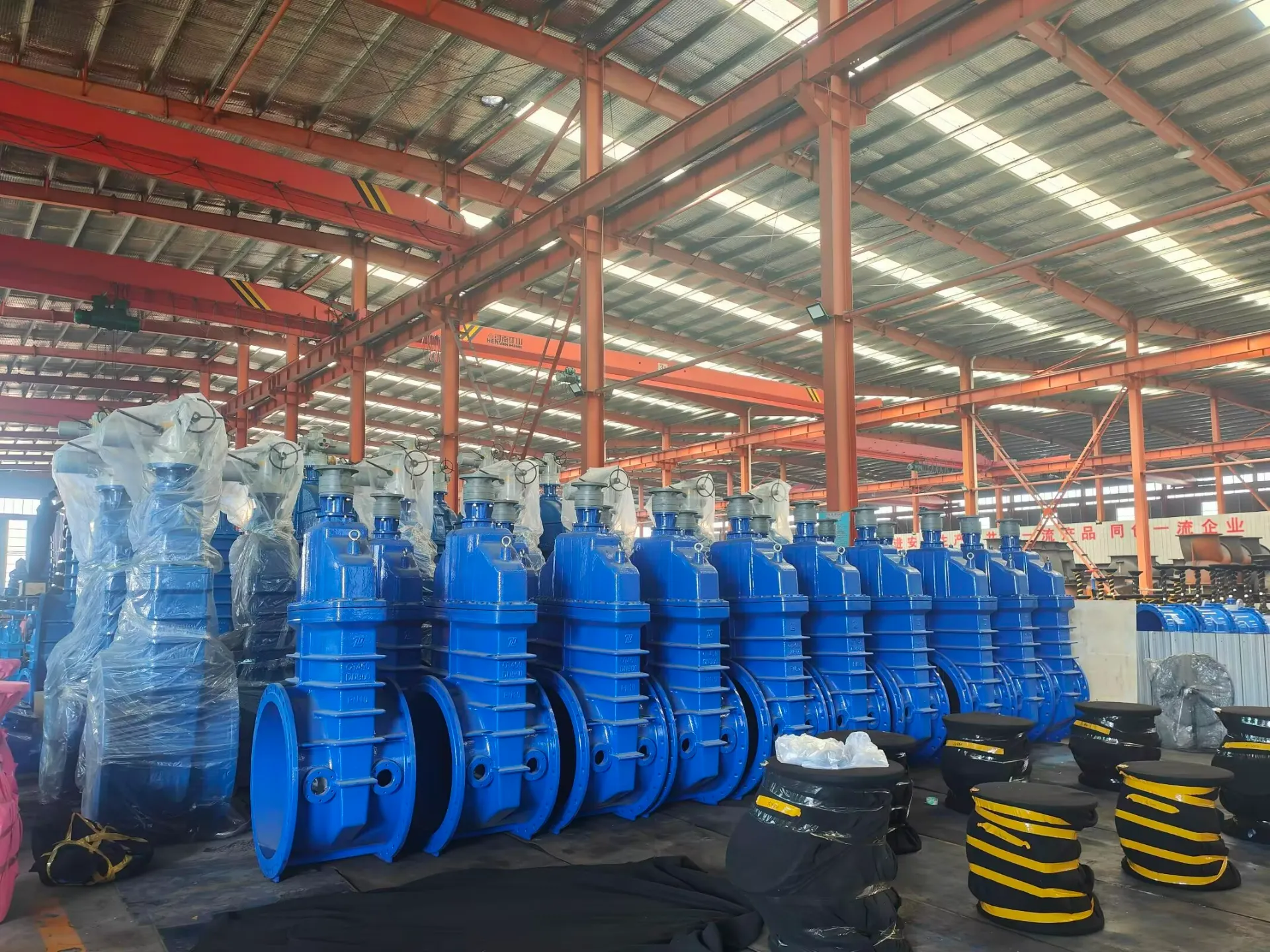
Introduction
The 2500 globe valve represents a critical component in industrial fluid control systems, specifically designed for throttling and regulating flow. Its position within the industrial chain is fundamental, serving as a key control element in pipelines across diverse sectors including oil and gas, chemical processing, power generation, and water treatment. Unlike gate valves optimized for fully open or closed operation, globe valves excel in applications requiring precise flow modulation. The core performance characteristics hinge on minimizing pressure drop during throttling and achieving tight shut-off capabilities. This is achieved through a disc moving perpendicular to the flow path, creating variable restriction. A common pain point within the industry relates to erosion and cavitation damage in high-velocity flow applications. Furthermore, selecting the appropriate material grades to resist corrosive fluids and high temperatures is a frequent challenge. The performance is quantified by Cv (flow coefficient), pressure drop across the valve at various flow rates, and leakage class (ANSI/FCI 70-2 or similar). Achieving reliable sealing over extended operational periods, particularly with abrasive media, remains a central focus in design and material selection.
Material Science & Manufacturing
The body of a 2500 globe valve is commonly manufactured from carbon steel (ASTM A105), alloy steel (ASTM A182 F22, F91), stainless steel (304, 316, 316L), or specialized alloys like Hastelloy or Monel, depending on the fluid handled and operating conditions. Carbon steel provides cost-effectiveness for non-corrosive applications. Stainless steels offer superior corrosion resistance, crucial in chemical processing. Alloy steels provide high-temperature strength and resistance to creep. The disc is typically made from the same material as the body, but may utilize harder alloys or coatings (Stellite, tungsten carbide) to enhance erosion resistance. The seat, critical for sealing, is often made of PTFE, reinforced PTFE, or metal alloys like Inconel. Manufacturing processes commonly involve investment casting or forging for the body, followed by precision machining to ensure dimensional accuracy and smooth flow paths. Welding procedures (SMAW, GTAW, SAW) are subject to stringent quality control according to ASME Section IX. The stem is often made of alloy steel and subjected to nitriding or hard chrome plating for enhanced wear resistance. Key parameter control during manufacturing centers on maintaining dimensional tolerances for the disc and seat to guarantee tight shut-off, and ensuring the surface finish of internal components minimizes friction and promotes smooth operation. Material traceability and adherence to material test reports (MTRs) are essential for quality assurance.
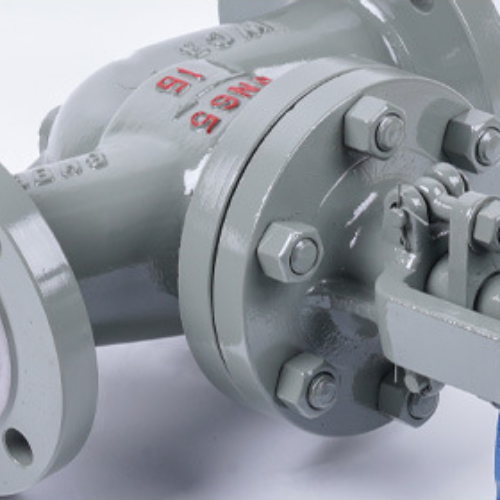
Performance & Engineering
The performance of a 2500 globe valve is heavily influenced by fluid dynamics. Force analysis considers the hydrodynamic force exerted by the fluid on the disc, which increases with flow velocity. This force requires a robust stem-to-disc connection and packing system to prevent leakage and maintain position. Environmental resistance is paramount; the valve must withstand temperature fluctuations, pressure cycles, and external corrosion. Compliance with standards like ANSI B16.34 (for pressure-temperature ratings) and API 598 (for inspection and testing) is non-negotiable. Functional implementation involves selecting the correct valve trim (disc and seat configuration) for the specific application. Angle pattern globe valves are preferred for minimizing pressure drop, while Y-pattern valves offer higher capacity. The packing system, typically comprising graphite or PTFE rings, must provide effective sealing while minimizing stem friction. Cavitation, a common failure mechanism in throttling applications, is mitigated by carefully selecting the valve trim and operating within recommended flow limits. Understanding the fluid's properties – viscosity, density, and corrosivity – is essential for predicting performance and preventing premature failure. Failure analysis often focuses on identifying the root cause of leakage or erosion. Finite element analysis (FEA) is employed during the design phase to optimize the valve body and stem for structural integrity and minimize stress concentration.
Technical Specifications
| Parameter | Specification | Units | Test Standard |
|---|---|---|---|
| Maximum Allowable Working Pressure (MAWP) | 2500 | psi | ASME B16.34 |
| Body Material | ASTM A105 Carbon Steel | - | ASTM A105 |
| Trim Material | 316 Stainless Steel | - | ASTM A182 F316 |
| Seat Material | PTFE | - | ASTM D1788 |
| Connection End | 2" 150# RF Flange | - | ASME B16.5 |
| Cv (Flow Coefficient) | 150 | Gallons per minute per psi | API 598 |
Failure Mode & Maintenance
Common failure modes for 2500 globe valves include: 1) Erosion – caused by high-velocity flow and abrasive particles, leading to disc and seat damage. 2) Cavitation – resulting from pressure drop below the fluid's vapor pressure, forming vapor bubbles that implode and damage the valve trim. 3) Corrosion – initiated by aggressive fluids, weakening the valve body and internal components. 4) Seat leakage – caused by wear, erosion, or deformation of the seat. 5) Stem packing failure – leading to external leakage. 6) Fatigue cracking – stemming from cyclic loading and stress concentration. Preventive maintenance involves regular inspection of the valve body, disc, and seat for signs of erosion or corrosion. Packing gland adjustment is crucial to maintain a tight seal. Lubrication of the stem threads reduces friction and prevents seizing. Periodic hydrostatic testing verifies the valve's shell integrity. In case of leakage, the seat and disc may require replacement. For severe erosion or corrosion, the entire valve body may need to be replaced. Non-destructive testing (NDT) methods, such as liquid penetrant inspection (LPI) and ultrasonic testing (UT), can detect hidden cracks or flaws. Regular documentation of maintenance activities and performance data is essential for tracking valve health and predicting future failures. Proper operation within the valve’s specified limits is key to extending service life.
Industry FAQ
Q: What is the impact of fluid velocity on globe valve life?
A: Higher fluid velocities significantly accelerate erosion and cavitation, reducing valve life. Careful flow rate control and proper valve sizing are crucial to minimize these effects. Selecting a valve trim designed for high-velocity service can also improve longevity.
Q: How do you select the appropriate seat material for a corrosive fluid?
A: Seat material selection depends on the specific fluid's chemical composition and concentration. PTFE is suitable for many corrosive fluids, but may not withstand high temperatures or strong oxidizing agents. More exotic materials like PEEK or specialized alloys are required for highly aggressive environments. Chemical compatibility charts are essential for making the correct choice.
Q: What are the advantages of a Y-pattern globe valve over a standard globe valve?
A: Y-pattern globe valves offer lower pressure drop and higher flow capacity compared to standard globe valves due to their streamlined flow path. They are often preferred in applications where minimizing pressure loss is critical.
Q: How often should the stem packing be replaced?
A: The stem packing replacement frequency depends on the fluid type, pressure, and temperature. Regular inspection for leakage is crucial. Typically, packing should be replaced every 6-12 months, or more frequently if leakage is observed. Using high-quality packing material and proper gland adjustment can extend packing life.
Q: What is the significance of the leakage class (ANSI/FCI 70-2)?
A: The leakage class defines the allowable leakage rate for a closed valve. ANSI/FCI 70-2 specifies a tight shut-off requirement, meaning minimal leakage is permitted. This is critical in applications where complete isolation is essential.
Conclusion
The 2500 globe valve remains a vital, albeit nuanced, component in fluid control systems. Its ability to precisely throttle flow distinguishes it from other valve types, demanding a thorough understanding of its material science, manufacturing processes, and operational limitations. Optimizing performance relies on careful consideration of fluid properties, accurate valve sizing, and diligent maintenance practices to mitigate common failure modes such as erosion, cavitation, and corrosion.
Continued advancements in material science, particularly in coatings and alloy development, offer potential for enhancing valve durability and resistance to extreme operating conditions. Furthermore, the integration of predictive maintenance techniques, leveraging sensor data and machine learning algorithms, promises to optimize maintenance schedules and reduce unplanned downtime. Ultimately, a holistic approach encompassing design, material selection, operation, and maintenance is paramount to ensuring the reliable and long-term performance of 2500 globe valves in demanding industrial applications.
-
Top Reasons to Choose a Stainless Steel Flange Check Valve for Industrial Applications
-
forging flanges Material Performance
-
Round Flange Performance Analysis
-
Round Flanges Performance Analysis
-
Custom Flange Performance Analysis
-
DN 40 Flange Performance Analysis
-
8 inch flange Performance Analysis
-
angle ring flanges Performance Analysis
-
Flat Flanges Performance Analysis
-
Full Face Flange Performance Analysis
-
Full Face Flanges Performance Analysis
-
flange 8 inch Performance Analysis
-
Ring Flange Performance Analysis
-
3 inch split flange Performance Analysis
-
Tongue and groove flange Performance Analysis
 Afrikaans
 Albanian
 Amharic
 Arabic
 Armenian
 Azerbaijani
 Basque
 Belarusian
 Bengali
 Bosnian
 Bulgarian
 Catalan
 Cebuano
 Corsican
 Croatian
 Czech
Czech
 Danish
 Dutch
Dutch
 Esperanto
 Estonian
 Finnish
 French
 Frisian
 Galician
 Georgian
 German
 Greek
Greek
 Gujarati
 Haitian Creole
 Hausa
Hawaiian
Hausa
Hawaiian
 Hebrew
 Hindi
Hindi
 Miao
Miao
 Hungarian
 Icelandic
 Igbo
Igbo
 Indonesian
 Irish
Irish
 Italian
 Japanese
 Javanese
Kannada
Javanese
Kannada
 Kazakh
 Khmer
Khmer
 Rwandese
 Korean
 Kurdish
 Kyrgyz
 Lao
Lao
 Latin
Latin
 Latvian
 Lithuanian
 Luxembourgish
 Macedonian
 Malgashi
 Malay
Malay
 Malayalam
 Maltese
 Maori
Maori
 Marathi
 Mongolian
 Myanmar
 Nepali
 Norwegian
 Norwegian
 Occitan
 Pashto
 Persian
 Polish
 Portuguese
Punjabi
Portuguese
Punjabi
 Romanian
 Russian
 Samoan
 Scottish Gaelic
 Serbian
 Sesotho
 Shona
Shona
 Sindhi
 Sinhala
 Slovak
 Slovenian
 Somali
 Spanish
 Sundanese
 Swahili
 Swedish
Tagalog
Swedish
Tagalog
 Tajik
Tajik
 Tamil
Tamil
 Tatar
Tatar
 Telugu
 Thai
Thai
 Turkish
 Turkmen
 Ukrainian
 Urdu
Urdu
 Uighur
 Uzbek
Uzbek
 Vietnamese
 Welsh
Welsh
 Bantu
Bantu
 Yiddish
 Yoruba
 Zulu
Zulu
 English