




3 way globe control valve Performance Engineering
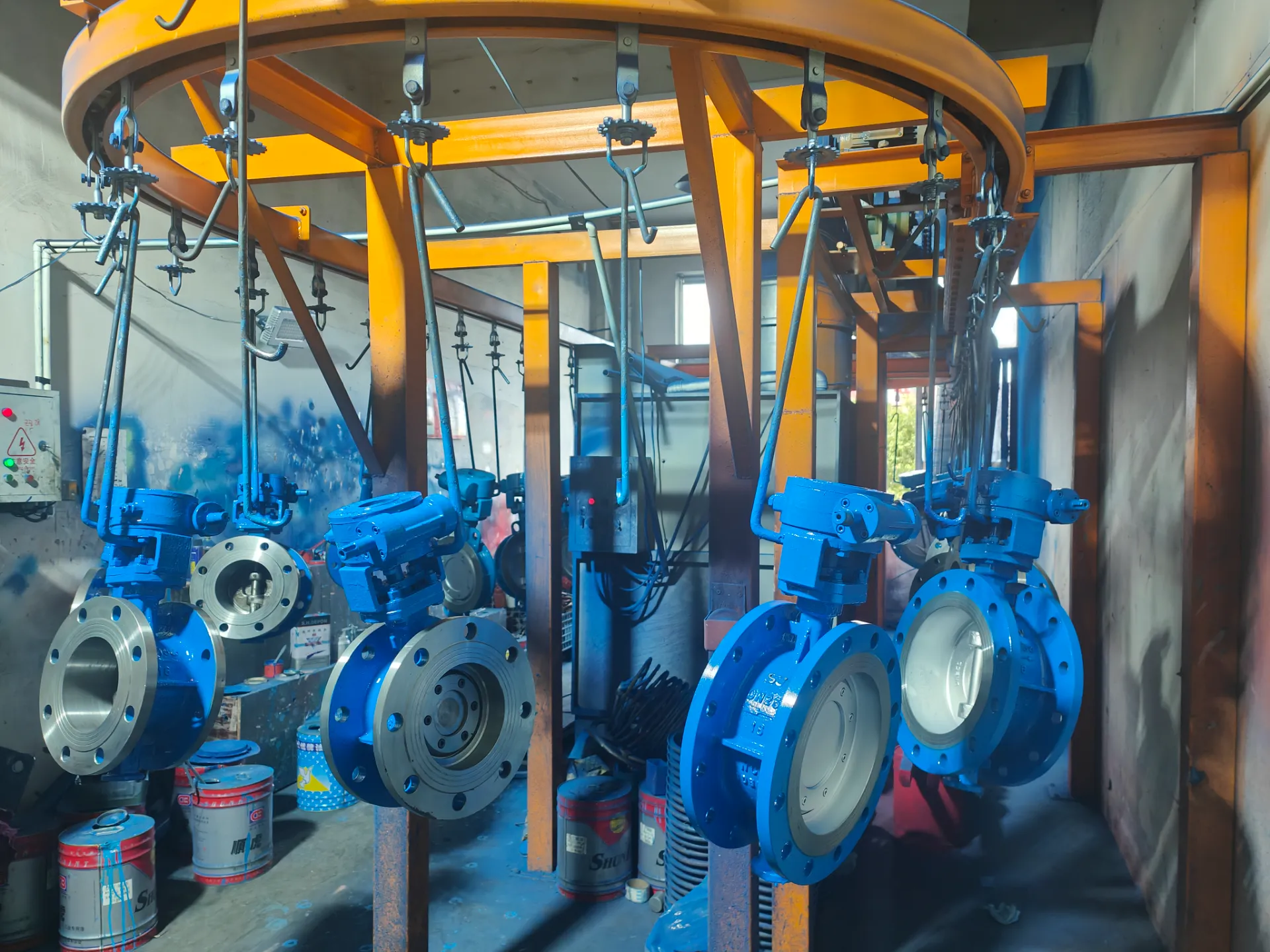
Introduction
The 3-way globe control valve is a critical component in process control systems, utilized for diverting, mixing, or selecting flow paths within a pipeline. Distinct from standard globe valves due to its three ports, it allows for the precise control of fluid distribution based on incoming signal input – typically from a programmable logic controller (PLC) or a distributed control system (DCS). Its position within the industrial chain is as a final control element, directly impacting process efficiency, safety, and product quality. Core performance characteristics include accurate flow regulation, tight shut-off capabilities, and reliable operation under varying pressure and temperature conditions. Industries heavily reliant on these valves include chemical processing, HVAC systems, power generation, pharmaceutical manufacturing, and food & beverage production, where precise fluid management is paramount. A key pain point in these industries is maintaining consistent product quality and minimizing waste, which hinges on the accurate and dependable operation of control valves.
Material Science & Manufacturing
The body of a 3-way globe control valve is commonly manufactured from materials such as cast iron (ASTM A126 Grade B), ductile iron (ASTM A536-89), carbon steel (ASTM A105), stainless steel (304/316 - ASTM A351), or specialized alloys like Hastelloy, depending on the fluid compatibility and operational environment. Stainless steels are favored for corrosive applications, while cast iron and carbon steel are suitable for less demanding environments. Trim materials – comprising the disc, seat, and stem – typically employ stainless steel (316, 17-4 PH), alloy steels, or even tungsten carbide for applications requiring high wear resistance. The sealing material is usually PTFE (Teflon), reinforced PTFE, or other elastomers chosen for chemical compatibility and temperature range.
Manufacturing processes vary based on body material and size. Cast iron and steel bodies are produced using sand casting followed by machining to precise dimensions. Stainless steel bodies may utilize investment casting or forging for improved material properties. The disc is typically machined from bar stock, and the seat is often a precisely lapped metal or polymeric insert. Key parameter control during manufacturing focuses on dimensional accuracy of the internal ports and flow paths to ensure optimal flow characteristics. Surface finish of the disc and seat is critical for tight shut-off, requiring stringent quality control measures like non-destructive testing (NDT) – including liquid penetrant inspection and ultrasonic testing – to detect any flaws. Welding processes (SMAW, GTAW) used for joining components must adhere to ASME Section IX standards for qualified procedures and welders.
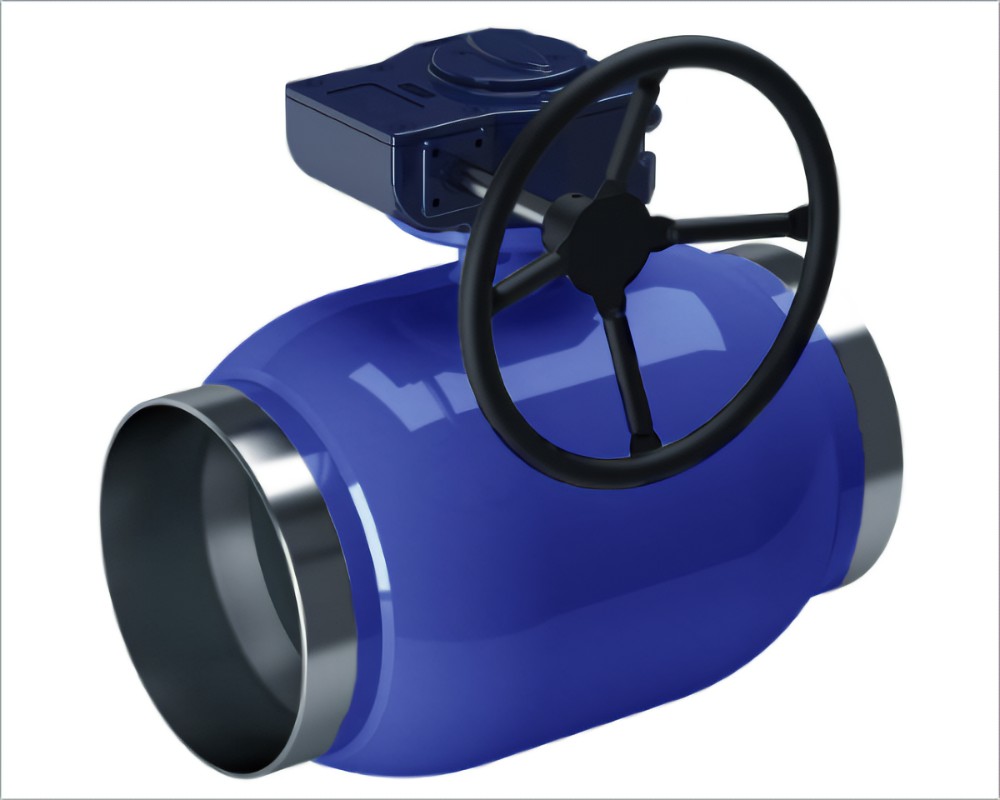
Performance & Engineering
The performance of a 3-way globe control valve is heavily influenced by its flow characteristics, characterized by a non-linear relationship between valve opening and flow rate. Understanding the Cv (flow coefficient) and inherent flow characteristics (quick opening, linear, equal percentage) is crucial for proper valve sizing and control loop tuning. Force analysis considers the hydraulic forces acting on the disc, which increase with flow velocity and pressure drop. These forces must be countered by the actuator’s torque to maintain precise positioning. Environmental resistance is a key consideration, particularly in outdoor or hazardous environments. Valve housings require appropriate ingress protection (IP) ratings (e.g., IP65, IP67) to prevent the entry of dust and water. Materials must be selected to withstand the operating temperature range and corrosive effects of the process fluid.
Compliance requirements vary by industry and region. For example, valves used in pressure vessels must comply with ASME Section VIII Division 1. Valves handling hazardous fluids must meet ATEX or IECEx standards for explosion protection. Valves used in potable water systems must comply with NSF/ANSI 61 for lead content and biocompatibility. Functional implementation relies on a properly sized actuator (pneumatic, electric, hydraulic) coupled to a positioner, which provides feedback to the control system to ensure accurate valve positioning. The actuator sizing must account for the process conditions (pressure, temperature, fluid properties) and the required response time.
Technical Specifications
| Parameter | Unit | Typical Range | Standard Compliance |
|---|---|---|---|
| Maximum Inlet Pressure | PSI | Up to 500 | ASME B16.34 |
| Temperature Range | °F | -20 to 450 | ASTM A193 B8 |
| Cv (Flow Coefficient) | Gallons per minute (GPM) | 0.5 to 200 | ISA 75.1 |
| Port Configuration | - | T-Port, Diverting, Mixing | Customizable |
| Body Material | - | Cast Iron, Ductile Iron, 304/316 SS | ASTM A126, A536, A351 |
| Actuator Type | - | Pneumatic, Electric, Hydraulic | IEC 60529 |
Failure Mode & Maintenance
Common failure modes in 3-way globe control valves include seat erosion due to particulate matter in the fluid stream, disc sticking due to build-up of process deposits, actuator failure (air supply issues, motor burnout, seal degradation), and stem packing leakage. Fatigue cracking can occur in the valve body or disc under cyclical loading. Delamination of polymeric seat materials can lead to reduced shut-off capability. Oxidation and corrosion of metallic components are also potential failure mechanisms, particularly in harsh environments. Failure analysis should begin with a thorough visual inspection, followed by non-destructive testing (NDT) to identify cracks or defects.
Preventive maintenance is crucial for maximizing valve lifespan and reliability. Regular inspection of the actuator and packing gland is recommended. Periodic cleaning of the valve body and trim components can prevent build-up of deposits. Lubrication of moving parts is essential to reduce friction and wear. Seat replacement may be necessary if erosion or delamination occurs. Actuator repairs or replacements should be performed by qualified technicians. Scheduled testing of the valve’s shut-off capability and response time is also advisable. Maintaining detailed maintenance records can help identify recurring issues and optimize maintenance schedules. Proper storage conditions are vital for valves that are not immediately put into service, preventing corrosion and degradation of sealing materials.
Industry FAQ
Q: What are the key differences between a 3-way globe valve and a ball valve for diverting applications?
A: While both can divert flow, globe valves offer more precise control due to their throttling characteristics. Ball valves are typically either fully open or fully closed, providing less modulation capability. Globe valves are also generally better suited for applications requiring tight shut-off, and can handle higher pressure drops. However, ball valves typically have lower pressure drop when fully open.
Q: How does the choice of actuator affect the performance and reliability of a 3-way globe valve?
A: The actuator provides the force to position the valve disc. Pneumatic actuators are cost-effective and provide fast response times, but require a compressed air supply. Electric actuators offer precise control and don't require compressed air, but may be slower. Hydraulic actuators provide high torque for demanding applications but are more complex and require hydraulic fluid.
Q: What is the significance of the 'equal percentage' flow characteristic in a 3-way globe valve?
A: Equal percentage valves provide a more consistent gain across the entire valve stroke. This means that a small change in valve position results in a relatively constant change in flow rate, which simplifies control loop tuning and improves stability.
Q: How do I select the appropriate material for a 3-way globe valve exposed to highly corrosive chemicals?
A: Material selection is critical. Stainless steel alloys (316, Hastelloy) are generally preferred for corrosive environments. PTFE or other chemically resistant polymers should be used for the seat and packing. Consult a chemical compatibility chart to ensure the materials are resistant to the specific chemicals involved.
Q: What are the common causes of leakage in a 3-way globe valve and how can they be addressed?
A: Leakage can be caused by seat erosion, disc damage, packing gland failure, or improper installation. Seat replacement, disc polishing or replacement, and tightening or replacing the packing gland can address these issues. Regular inspection and maintenance are crucial for preventing leakage.
Conclusion
The 3-way globe control valve remains a cornerstone of precise fluid management in diverse industrial applications. Its inherent ability to accurately divert, mix, or select flow paths, coupled with its robust construction and adaptability to varied process conditions, ensures its continued relevance. Proper material selection, meticulous manufacturing processes, and diligent maintenance practices are essential for maximizing valve lifespan, minimizing downtime, and optimizing process performance.
Looking forward, advancements in valve actuator technology – including smart actuators with integrated diagnostics and remote control capabilities – will further enhance the efficiency and reliability of 3-way globe control valve systems. The increasing emphasis on sustainable industrial practices will drive demand for valves designed for reduced energy consumption and minimal environmental impact. Continuous monitoring of valve performance, enabled by advanced sensor technologies, will allow for proactive maintenance and prevent catastrophic failures.
-
Top Reasons to Choose a Stainless Steel Flange Check Valve for Industrial Applications
-
forging flanges Material Performance
-
Round Flange Performance Analysis
-
Round Flanges Performance Analysis
-
Custom Flange Performance Analysis
-
DN 40 Flange Performance Analysis
-
8 inch flange Performance Analysis
-
angle ring flanges Performance Analysis
-
Flat Flanges Performance Analysis
-
Full Face Flange Performance Analysis
-
Full Face Flanges Performance Analysis
-
flange 8 inch Performance Analysis
-
Ring Flange Performance Analysis
-
3 inch split flange Performance Analysis
-
Tongue and groove flange Performance Analysis
 Afrikaans
 Albanian
 Amharic
 Arabic
 Armenian
 Azerbaijani
 Basque
 Belarusian
 Bengali
 Bosnian
 Bulgarian
 Catalan
 Cebuano
 Corsican
 Croatian
 Czech
Czech
 Danish
 Dutch
Dutch
 Esperanto
 Estonian
 Finnish
 French
 Frisian
 Galician
 Georgian
 German
 Greek
Greek
 Gujarati
 Haitian Creole
 Hausa
Hawaiian
Hausa
Hawaiian
 Hebrew
 Hindi
Hindi
 Miao
Miao
 Hungarian
 Icelandic
 Igbo
Igbo
 Indonesian
 Irish
Irish
 Italian
 Japanese
 Javanese
Kannada
Javanese
Kannada
 Kazakh
 Khmer
Khmer
 Rwandese
 Korean
 Kurdish
 Kyrgyz
 Lao
Lao
 Latin
Latin
 Latvian
 Lithuanian
 Luxembourgish
 Macedonian
 Malgashi
 Malay
Malay
 Malayalam
 Maltese
 Maori
Maori
 Marathi
 Mongolian
 Myanmar
 Nepali
 Norwegian
 Norwegian
 Occitan
 Pashto
 Persian
 Polish
 Portuguese
Punjabi
Portuguese
Punjabi
 Romanian
 Russian
 Samoan
 Scottish Gaelic
 Serbian
 Sesotho
 Shona
Shona
 Sindhi
 Sinhala
 Slovak
 Slovenian
 Somali
 Spanish
 Sundanese
 Swahili
 Swedish
Tagalog
Swedish
Tagalog
 Tajik
Tajik
 Tamil
Tamil
 Tatar
Tatar
 Telugu
 Thai
Thai
 Turkish
 Turkmen
 Ukrainian
 Urdu
Urdu
 Uighur
 Uzbek
Uzbek
 Vietnamese
 Welsh
Welsh
 Bantu
Bantu
 Yiddish
 Yoruba
 Zulu
Zulu
 English